Can You Use A Projector For Drawing Step By Step Guide
Yes, you can absolutely use a projector for drawing! This projector for drawing guide walks you through every step, from choosing the right device to setting up your drawing surface. Whether you are a beginner or a seasoned artist, projecting images onto paper or walls opens up a world of creative possibilities and makes tracing and scaling artwork easier than ever.
Have you ever wanted to trace a big image onto a huge piece of paper but did not know how? Maybe you have seen artists project images onto walls and canvas and wondered if you could do the same. The good news is that using a projector for drawing is easier than you think. This guide will show you exactly how to do it, step by step. You do not need to be a tech expert or a professional artist to get started. All you need is a projector, a surface to draw on, and a little patience.
Drawing with a projector has become super popular among hobbyists and pros alike. It saves time, improves accuracy, and lets you work on a much larger scale. Whether you want to create murals, trace photos onto canvas, or just have fun with a new art technique, a projector can be your best tool. In this article, we will cover everything you need to know. From picking the right projector to setting it up and creating amazing art, we have you covered.
Key Takeaways
- Projectors transform drawing: They let you trace, scale, and project images onto any surface with ease.
- Setup matters: Proper projector placement and a flat drawing surface make all the difference.
- Brightness and resolution are key: Choose a projector with at least 2000 lumens and 1080p resolution for the best results.
- Multiple techniques work: You can trace directly, use a drawing tablet, or project onto canvas and walls.
- Maintenance keeps it running: Regular cleaning and lamp or LED care ensure long-lasting performance.
- Anyone can do it: No advanced tech skills are needed to start projecting and drawing today.
📑 Table of Contents
What Is a Projector for Drawing?
A projector for drawing is simply a device that takes an image from a computer, phone, or tablet and projects it onto a surface. You then use that projected image as a guide while you draw or paint. Think of it like a modern version of the old overhead projectors artists used in classrooms. The difference is that today’s projectors are smaller, brighter, and way more affordable.
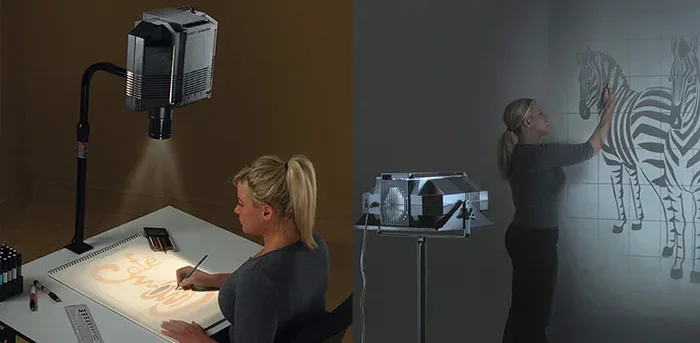
The basic idea is simple. You load an image into a device, send it to the projector, and the projector casts that image onto your drawing surface. You can then trace the lines, follow the outlines, or use the projected image as a reference while you freehand your drawing. Some artists project directly onto paper, while others project onto canvas or even walls. The method you choose depends on your goals and the tools you have.
Why Use a Projector for Art?
There are many reasons to add a projector to your art toolkit. First, it saves a ton of time. Instead of spending hours sketching outlines by hand, you can project an image and trace it in minutes. Second, it helps with accuracy. If you are working from a reference photo, the projector shows you the exact proportions and details. Third, it lets you work big. You can project an image onto a wall-sized canvas and create artwork that would be nearly impossible to do freehand at that scale.
Another great reason is that it helps beginners learn faster. When you are just starting out, getting proportions right can be really tough. A projected outline gives you a roadmap to follow. As you get better, you will find that you rely on it less and less. Many professional artists still use projectors for certain projects, especially when they need to work fast or handle complex compositions.
Choosing the Right Projector for Drawing
Not all projectors are created equal when it comes to art. Some are better suited for movies, while others work great for drawing. Let us break down what to look for when picking a projector for your art projects.
Brightness Matters
The brightness of a projector is measured in lumens. For drawing indoors, you want at least 2000 lumens. If your room has a lot of natural light or you plan to work during the day, go for 3000 lumens or more. A brighter projector gives you a clearer image, which makes tracing much easier. Dim images are frustrating and can cause eye strain.
Here is a quick comparison to help you choose:
- 1000-2000 lumens: Good for dark rooms and evening use.
- 2000-3000 lumens: Great for most indoor drawing setups.
- 3000+ lumens: Best for bright rooms and large projections.
Resolution and Image Quality
Resolution determines how sharp your projected image looks. For drawing, you want at least 1080p (Full HD). Higher resolution means more detail in the projected image, which is especially important when you are tracing fine lines. A 4K projector is ideal but not necessary for most drawing projects. Stick with 1080p or higher for the best results.
Throw Distance and Size
Throw distance is how far the projector needs to be from the wall or surface to create a clear image. Short-throw projectors can create a big image from a short distance, which is great if you have a small room. Standard-throw projectors need more space. Think about your workspace before you buy. You want enough room to set up the projector and still have space to draw comfortably.
Portability and Connectivity
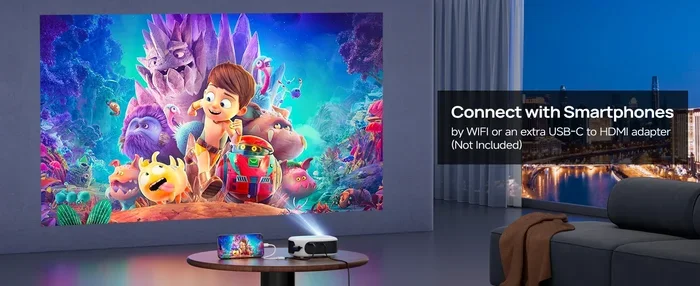
If you plan to move your setup around, consider a portable projector. Many modern projectors are lightweight and come with built-in batteries. For connectivity, look for projectors that support HDMI, USB, and wireless options. This makes it easy to connect your laptop, phone, or tablet. Some projectors even let you connect your phone with a USB cable directly, which is super convenient.
Setting Up Your Projector for Drawing
Now that you have your projector, it is time to set it up. Proper setup is the key to a smooth drawing experience. Take your time with this step because a good setup makes everything that follows much easier.
Finding the Right Surface
Your drawing surface is where the magic happens. You can project onto paper, canvas, a white wall, or even a specialized projection screen. The surface needs to be flat and smooth for the best image quality. If you are projecting onto paper, tape it down so it does not move. Wrinkled or curved surfaces will distort the image and make tracing harder.
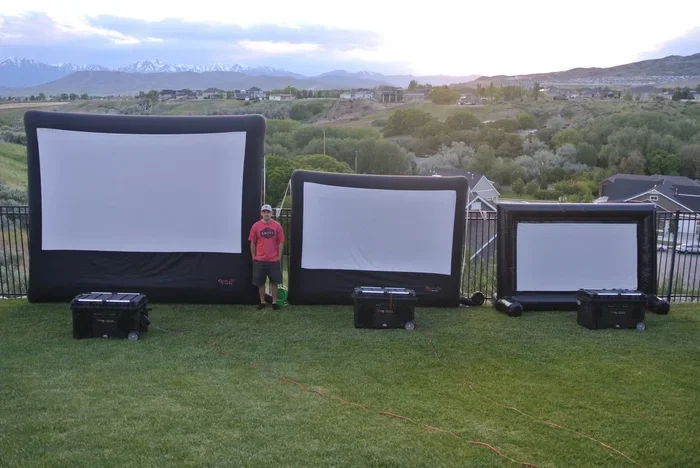
Many artists prefer using a large white wall or a portable projector screen. These give you a clean, bright surface to work with. If you want a more textured look, canvas works great too. Just keep in mind that darker surfaces will absorb more light and make the projected image appear dimmer.
Positioning the Projector
Place the projector on a stable surface or mount it on a ceiling or wall bracket. The key is to keep it level and at the right distance from your drawing surface. Most projectors come with a keystone adjustment feature that lets you correct the image shape if the projector is not perfectly aligned. However, try to position it as straight as possible for the sharpest image.
You can mount your projector off center if needed, but this may require more adjustment. The goal is to have the projected image fill your drawing area evenly without any distortion. Experiment with the placement until the image looks crisp and clear.
Adjusting Focus and Settings
Once the projector is in place, adjust the focus until the image is sharp. Then check the brightness and contrast settings. For drawing, you want the image bright enough to see clearly but not so bright that it washes out the details. If your projector has a “game” or “dynamic” mode, try switching to it. These modes often boost brightness and contrast, which can help you see your projected lines more clearly.
Pro tip: dim the lights in your room. A darker room makes the projected image pop and makes tracing much easier. You do not need total darkness, but reducing ambient light helps a lot.
Techniques for Drawing with a Projector
There are several ways to use a projector for drawing. Each method has its own advantages, and you can mix and match depending on the project. Let us explore the most popular techniques.
Direct Tracing
Direct tracing is the most straightforward method. You project an image onto your drawing surface and simply trace the lines with a pencil, pen, or marker. This works great for simple outlines and shapes. Start by projecting a light version of your image so you can see the lines clearly. Then go over them with your drawing tool.
Use a hard pencil (like an HB or H) for light, easy-to-erase lines. If you are working on paper, place a piece of cardboard or a hard surface underneath to make tracing smoother. Go slow and follow the lines carefully. You do not need to trace every single detail. Focus on the main shapes and outlines first, then fill in the details later.
Projection onto Canvas
Projecting onto canvas is a popular technique for creating large-scale artwork. Canvas has a slightly textured surface, which can make the projected image look a bit fuzzy. To get a clearer image, use a brighter projector and reduce the room lighting. You can also project at a slightly smaller size and then scale up as you draw.
Many artists who do murals and large paintings use this method. They project a reference image onto the canvas and then paint over the projected lines. The projector acts as a guide, and you can paint directly over it. Once the paint dries, the projected lines are usually not visible anymore. This technique is perfect for portraits, landscapes, and any artwork where you need accurate proportions.
Using a Drawing Tablet with a Projector
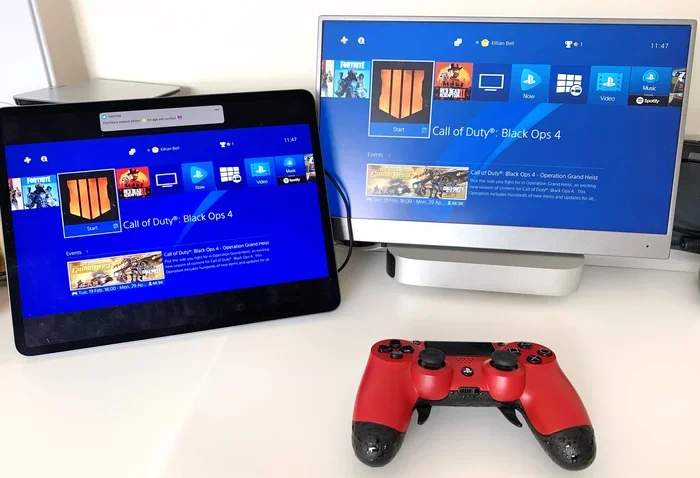
If you prefer digital art, you can connect a drawing tablet to your computer and project the tablet screen onto your drawing surface. This gives you the freedom to draw digitally while still working on a large physical scale. Some artists project the tablet screen and draw on a separate piece of paper placed on top.
You can also use your tablet to send images directly to the projector. Many modern projectors support wireless connections or apps that let you mirror your screen. This is especially useful if you want to switch between reference images quickly without stopping your workflow.
Freehand with Projection as Reference
You do not have to trace every line. Many artists use the projector as a reference guide and draw freehand over the projected image. This method helps with proportions, composition, and placing details correctly, while still giving you the creative freedom of hand-drawing. It is a great way to build your skills and become more confident with your drawing abilities.
Tips for Better Results
Getting great results with a projector for drawing comes down to a few practical tips. Here are some things that experienced artists swear by.
- Use a laser pointer or light pencil: A red laser pointer can help you mark key points on the projected image before you start drawing.
- Work in sections: Do not try to trace the entire image at once. Break it into smaller sections and focus on one area at a time.
- Keep your projector stable: Even a small shift can distort the image. Make sure your projector is on a steady surface and cannot be bumped.
- Clean your lens regularly: Dust on the lens can blur the projected image. A quick wipe before each session keeps things sharp.
- Take breaks: Tracing for long periods can strain your eyes. Follow the 20-20-20 rule: every 20 minutes, look at something 20 feet away for 20 seconds.
- Experiment with angles: Sometimes tilting the projector slightly can give you a better view of the lines you are tracing.
Common Mistakes to Avoid
Even experienced users make mistakes when starting out with projector drawing. Here are some common pitfalls to watch out for.
- Using a dim projector: This makes tracing frustrating and can cause you to miss important details.
- Skipping the test run: Always do a test projection before you start drawing. Adjust the focus, position, and size first.
- Pressing too hard: When tracing, use light pressure. You can always go over the lines again, but pressing too hard can tear the paper or leave deep indentations.
- Ignoring room lighting: Working in a bright room washes out the projected image. Dim the lights or work in the evening for the best results.
- Forgetting to turn off the projector: Some projectors generate a lot of heat. Turn it off when you take a long break to protect the bulb or LED.
Maintaining Your Projector
Taking care of your projector ensures it lasts longer and performs better. A well-maintained projector gives you clearer images and a smoother drawing experience every time.
Dust is the number one enemy of projectors. Clean the lens with a soft microfiber cloth after each use. If your projector has a filter, check it regularly and clean or replace it as needed. Keep the projector in a cool, dry place when you are not using it. Avoid placing it near heat sources or in direct sunlight.
If your projector uses a traditional lamp, the bulb will eventually need replacing. LED projectors last much longer and do not require frequent bulb changes. You can also replace a projector lamp with an LED to extend the life of your device and save money on replacement costs. LED projectors also run cooler and use less energy, making them a great choice for regular drawing sessions.
Creative Ways to Use a Projector for Drawing
Once you get comfortable with the basics, you will start discovering all kinds of creative ways to use a projector. Here are some fun ideas to try.
- Mural painting: Project a design onto a large wall and paint over it to create a mural.
- T-shirt art: Project an image onto fabric and use fabric paint to create custom designs.
- Sign making: Project text or logos onto poster board for clean, professional-looking signs.
- Stenciling: Project a pattern onto cardboard and cut it out to make custom stencils.
- Collaborative art: Set up a projector at a party or class and let everyone trace and contribute to a group artwork.
The possibilities are really endless. Once you see how easy and fun it is to draw with a projector, you will find new uses for it all the time. It is a tool that works for all skill levels and all types of art projects.
Final Thoughts
Using a projector for drawing is one of the best investments you can make for your art. It opens up new techniques, saves time, and helps you create artwork that looks professional and polished. Whether you are a hobbyist exploring a new creative outlet or a professional artist looking to speed up your workflow, a projector is a game-changer. Start with the basics, practice regularly, and you will be amazed at what you can create. Grab your projector, set up your drawing surface, and start making art today!
Can You Use Any Projector for Halloween?
While any projector can technically be used for drawing, a Halloween-themed projection is a different beast entirely. If you are planning spooky season displays, check out our guide on whether you can use any projector for Halloween to make sure your setup is up to the task of outdoor projections and animated effects.
Can You Use a Projector Instead of a TV?
Many people wonder if a projector can replace a television for everyday use. The answer depends on your needs. If you are looking for a big-screen experience for movies or gaming, a projector can absolutely serve as a TV alternative. Learn more in our article on whether you can use a projector instead of a TV for all your entertainment needs.
Can You Use Black Cloth for a Projector?
The surface you project onto matters a lot for image quality. Some people wonder if black cloth can work as a projection screen. While it is not ideal for most uses, there are specific scenarios where it can be useful. Find out the details in our article on whether you can use black cloth for a projector and what the pros and cons are.
Frequently Asked Questions
Do I need a special projector to draw with it?
No, you do not need a special projector. Any projector with at least 2000 lumens and 1080p resolution will work well for drawing. The most important features are brightness and image clarity. You do not need an expensive art-specific projector to get great results.
Can I draw directly on the projected image?
Yes, you can draw directly on the projected image. Just place your paper or canvas in front of the projected lines and trace with a pencil or pen. Use light pressure so you do not damage the surface. Many artists project an image and paint directly over it on canvas.
What kind of paper works best for projector drawing?
Smooth, heavyweight paper works best for projector drawing. It gives you a flat surface that is easy to trace on. Avoid wrinkled or textured paper, which can distort the projected image. Bristol board and mixed media paper are popular choices among artists.
Can I use a projector outdoors for drawing?
You can, but it is much harder outdoors. Sunlight washes out the projected image, making it hard to see the lines. If you must draw outdoors, wait for an overcast day or set up in a shaded area. A very bright projector (3000+ lumens) will help, but indoor setups are always better for drawing.
How do I connect my phone to a projector for drawing?
Most projectors support HDMI, USB, or wireless connections. You can connect your phone using a USB cable or an adapter. Some projectors also support screen mirroring over Wi-Fi. Check your projector’s manual for the best connection method for your specific device.
Is tracing with a projector considered cheating in art?
Not at all! Many professional artists use projectors as a tool to speed up their workflow and achieve accurate proportions. Tracing with a projector is just another technique in your artistic toolkit. It is especially helpful for complex compositions or large-scale projects where freehand drawing would be very time-consuming.
=== CONCLUSION ===
Using a projector for drawing is a fantastic way to level up your art game. It is simple, fun, and incredibly effective. From choosing the right projector to setting it up and trying different techniques, this guide has covered everything you need to get started. Remember to focus on brightness, resolution, and a stable setup for the best results. Practice the tracing techniques, experiment with different surfaces, and most importantly, have fun with it. The more you use a projector for your art, the more creative ideas will come to you. So grab your projector, find a great reference image, and start drawing today. You will be surprised at what you can create!