Can Wi Fi 6 Replace 5g In The Wireless World Today
Can WiFi 6 replace 5G? The short answer is no — they serve different purposes in the wireless ecosystem. WiFi 6 excels in home and indoor networking, while 5G dominates mobile and wide-area connectivity. Understanding their strengths helps you make smarter tech decisions.
The wireless world is evolving fast. New standards pop up every few years, and consumers often wonder which technology is really the best. One question keeps showing up in tech circles: can WiFi 6 replace 5G? It is a fair question, especially with both technologies promising faster speeds and better performance.
The truth is more nuanced than a simple yes or no. WiFi 6 and 5G each bring unique strengths to the table. They are designed for different environments, different devices, and different use cases. This article breaks down everything you need to know about wireless technology today. You will learn how each standard works, where they shine, and why they are better together than apart.
By the end, you will have a clear picture of network performance in both home and mobile settings. Whether you are a casual user or a business owner, this guide helps you understand the wireless world in plain, simple terms. No jargon. No fluff. Just honest, practical insights you can use right away.
Key Takeaways
- WiFi 6 and 5G are complementary, not competing: They each solve different wireless challenges.
- WiFi 6 delivers faster indoor speeds: It is ideal for home networks and local device connections.
- 5G offers broader coverage: Cellular networks reach far beyond what any home router can provide.
- Latency and bandwidth differ by use case: 5G leads in mobility, WiFi 6 leads in dense indoor environments.
- Cost and infrastructure matter: Deploying 5G nationally costs far more than setting up a WiFi 6 router.
- Future wireless tech will blend both: Expect seamless handoffs between WiFi 6 and 5G networks.
📑 Table of Contents
- What Is WiFi 6 and Why Does It Matter?
- What Is 5G and How Does It Work?
- Can WiFi 6 Replace 5G? A Direct Comparison
- Why WiFi 6 and 5G Work Better Together
- Common Mistakes People Make When Comparing WiFi 6 and 5G
- Expert Insights on the Future of Wireless
- How to Get the Most Out of Both Technologies
- Conclusion
What Is WiFi 6 and Why Does It Matter?
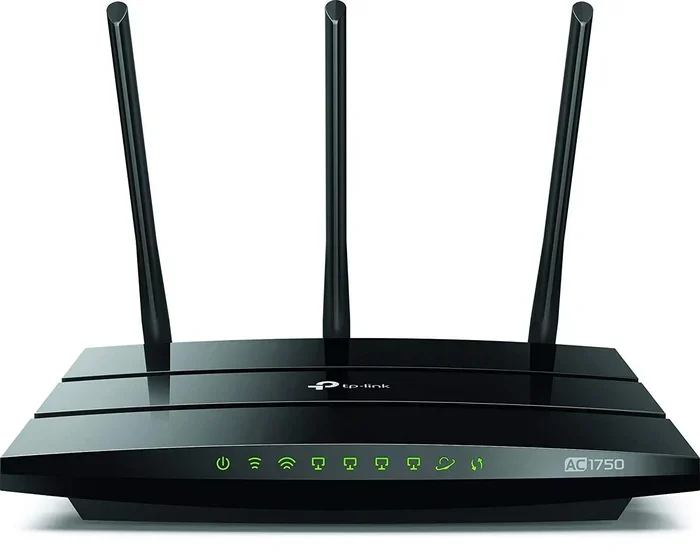
WiFi 6 is the latest wireless standard for local area networks. It is the sixth generation of WiFi technology, and it brings big improvements over its predecessor, WiFi 5. If you have a wireless router at home or in the office, there is a good chance it supports WiFi 6 or is heading that direction.
The main goal of WiFi 6 is to handle more devices at once without slowing down. This matters because modern homes have dozens of connected gadgets. Smart TVs, phones, laptops, smart speakers, and IoT devices all compete for the same bandwidth. WiFi 6 uses advanced techniques like OFDMA and MU-MIMO to manage this traffic efficiently.
Key Features of WiFi 6
- Faster speeds: WiFi 6 can deliver up to 9.6 Gbps in theory, though real-world speeds are lower.
- Better device handling: It supports more simultaneous connections without performance drops.
- Lower latency: Data travels faster between devices, which helps with gaming and video calls.
- Target Wake Time (TWT): This feature saves battery life on connected devices.
- Improved range: WiFi 6 handles interference better than older standards.
Where WiFi 6 Excels
Home networking is where WiFi 6 truly shines. If you live in a household with multiple people streaming, gaming, and working remotely, WiFi 6 makes a noticeable difference. It keeps everything running smoothly even when many devices are online at the same time.
Businesses also benefit from WiFi 6. Offices, retail stores, and schools often have dense environments with hundreds of devices. A wireless access point running WiFi 6 can handle this load far better than older equipment. The network performance improvements are real and measurable.
However, WiFi 6 has one major limitation — range. It operates on unlicensed spectrum bands like 2.4 GHz and 5 GHz. These signals do not travel very far and struggle to penetrate walls. This is where mobile connectivity through cellular networks like 5G becomes essential.
What Is 5G and How Does It Work?
5G is the fifth generation of cellular network technology. It is the backbone of mobile internet around the world. When you use your phone outside your home, you are likely connecting to a 5G network provided by your carrier.
5G operates on licensed spectrum, which means governments allocate specific frequency bands to telecom companies. This gives 5G a major advantage in terms of coverage. Cellular towers can transmit signals over long distances, reaching rural areas, highways, and cities alike.
Key Features of 5G
- Ultra-fast download speeds: 5G can deliver speeds up to 10 Gbps or more in ideal conditions.
- Low latency: 5G reduces the delay between sending and receiving data, which is crucial for real-time applications.
- Massive coverage: A single tower can cover a wide area, unlike a home router.
- Network slicing: 5G allows carriers to create virtual networks tailored for specific needs.
- High mobility support: It keeps connections stable even when you are moving at high speeds.
Where 5G Excels
Mobile connectivity is the obvious strength of 5G. Whether you are on a train, in a car, or walking through a city park, 5G keeps you connected. You do not need to log into a separate network or worry about losing your signal.
5G also powers the Internet of Things (IoT) on a massive scale. Smart cities, connected vehicles, and industrial automation all rely on cellular network infrastructure. These applications demand wide-area coverage that WiFi simply cannot provide.
Enterprise networking is another area where 5G plays a growing role. Factories, ports, and logistics centers use private 5G networks to connect machines and sensors. The bandwidth and reliability of 5G make it ideal for these demanding environments.
Can WiFi 6 Replace 5G? A Direct Comparison
This is the heart of the question. Let us compare WiFi 6 and 5G across several key factors. Understanding these differences helps clarify why one cannot simply replace the other.
Speed Comparison
On paper, both technologies offer impressive speeds. WiFi 6 can hit theoretical speeds of 9.6 Gbps, while 5G can reach up to 10 Gbps or more. However, real-world performance tells a different story.
In a home setting, WiFi 6 often delivers faster speeds than 5G because the signal does not have to travel through the air over long distances. You are close to the router, and there is less interference. On the other hand, 5G speeds can vary greatly depending on your location, the carrier, and the type of 5G signal you receive.
Coverage Comparison
Network coverage is where 5G pulls ahead decisively. A cellular network can cover entire cities and countries. WiFi 6, by contrast, is limited to the range of your router, typically a few hundred feet indoors.
| Factor | WiFi 6 | 5G |
|---|---|---|
| Max Theoretical Speed | 9.6 Gbps | 10+ Gbps |
| Real-World Indoor Speed | 1-3 Gbps | 100 Mbps – 1 Gbps |
| Coverage Range | 100-300 feet | Several miles |
| Spectrum Type | Unlicensed | Licensed |
| Best For | Home/Indoor Use | Mobile/Wide-Area Use |
| Device Capacity | High (dense environments) | Very High (massive IoT) |
| Latency | Low (under 10ms) | Very Low (under 5ms) |
Latency and Reliability
Latency refers to the delay between sending and receiving data. Both WiFi 6 and 5G offer low latency, but 5G has the edge for mobile applications. When you are on the go, 5G provides a more consistent and reliable connection.
WiFi 6 latency is excellent within its range, but it depends on your local network setup. If your wireless router is outdated or poorly placed, your latency can suffer. 5G, managed by carriers and tower infrastructure, offers a more hands-off experience.
Cost and Infrastructure
Setting up a WiFi 6 network is affordable. A good wireless router costs between $100 and $300, and installation is straightforward. Most people can set one up in minutes without professional help.
Deploying 5G network infrastructure is a completely different story. Telecom companies invest billions in towers, spectrum licenses, and backend systems. This massive cost is why 5G is not something individuals set up themselves. It is a shared network infrastructure managed by carriers.
Use Case Breakdown
Here is a quick look at where each technology fits best:
- Streaming at home: WiFi 6 wins for consistent, high-speed indoor streaming.
- Commuting or traveling: 5G keeps you connected on the move.
- Smart home setup: WiFi 6 handles dozens of IoT devices with ease.
- Smart city applications: 5G provides the wide-area connectivity needed for sensors and public services.
- Online gaming: WiFi 6 offers low latency in a stable home environment.
- Connected vehicles: 5G is essential for real-time communication between cars and infrastructure.
Why WiFi 6 and 5G Work Better Together
Rather than asking whether one can replace the other, it is more useful to understand how they complement each other. The future of wireless technology is not about choosing one over the other. It is about using both seamlessly.
Seamless Handoffs
Modern devices are getting smarter at switching between networks. Your phone might use WiFi 6 at home for fast, local internet speed and switch to 5G when you step outside. This kind of seamless handoff creates a smooth user experience without any effort on your part.
Some carriers already offer WiFi calling and WiFi assistant features that make this transition nearly invisible. As both standards mature, these handoffs will become even more reliable and automatic.
Indoor and Outdoor Coverage
Think of 5G as the wide-area blanket and WiFi 6 as the high-speed spotlight. 5G covers the broad landscape — your neighborhood, your commute, your city. WiFi 6 covers the inside of your home or office with focused, high-performance connectivity.
This division of labor makes sense from both a technical and economic standpoint. It would be impractical and expensive to blanket every indoor space with 5G small cells. And it would be impossible to cover entire cities with WiFi routers.
The Rise of WiFi 6E and Beyond
WiFi 6E is an extension of WiFi 6 that operates on the 6 GHz band. This opens up new spectrum for less congested connections. WiFi 6E offers even faster speeds and lower interference, making it a strong contender for indoor network performance.
Looking further ahead, WiFi 7 is already on the horizon. It promises even higher speeds, better efficiency, and improved support for IoT devices. Meanwhile, 5G Advanced and the upcoming 6G standard will push mobile connectivity even further.
The key takeaway is that these technologies evolve together. Each generation of WiFi and cellular tech makes the other better. They do not replace each other — they build on each other.
Common Mistakes People Make When Comparing WiFi 6 and 5G
It is easy to fall into traps when comparing these two wireless standards. Here are some common mistakes to avoid.
Mistake 1: Comparing Theoretical Speeds Only
Marketing numbers can be misleading. A 5G network might claim 10 Gbps, but real-world speeds are often much lower. The same goes for WiFi 6. Always consider real-world conditions like distance, interference, and device capabilities.
Mistake 2: Ignoring the Spectrum Difference
WiFi 6 uses unlicensed spectrum, which anyone can access. 5G uses licensed spectrum, which is controlled and managed by carriers. This fundamental difference affects coverage, reliability, and cost in major ways.
Mistake 3: Overlooking Device Compatibility
Not all devices support WiFi 6 or 5G. Older phones, laptops, and IoT devices may only connect to older standards. Before upgrading your wireless router, check what your devices actually support.
Mistake 4: Assuming One Technology Solves Everything
No single wireless technology can meet all your connectivity needs. A strong home WiFi 6 network does not help you when you are on the highway. A 5G connection does not replace the speed and stability of a good home network.
Expert Insights on the Future of Wireless
Industry experts agree that the future is convergent. Telecom companies are already deploying 5G home internet services that use cellular network infrastructure to deliver broadband indoors. Meanwhile, WiFi 6 routers are becoming smarter at managing traffic and optimizing performance.
One trend to watch is the integration of 5G directly into WiFi 6 routers. Some manufacturers are building 5G modems into their wireless access point devices. This creates hybrid gateways that combine the best of both worlds — wide-area cellular coverage and high-speed local WiFi.
Another exciting development is the use of AI and machine learning to optimize network performance across both WiFi 6 and 5G. These smart systems can predict traffic patterns, allocate bandwidth dynamically, and reduce congestion automatically.
For consumers, the practical takeaway is simple. Invest in a good WiFi 6 setup for your home or office. Keep your 5G mobile plan strong for on-the-go connectivity. The two technologies work hand in hand to give you the best wireless experience possible.
How to Get the Most Out of Both Technologies
Now that you understand how WiFi 6 and 5G compare, here are some practical tips to maximize your wireless experience.
- Upgrade to a WiFi 6 router: If your current router is older, a WiFi 6 model will transform your home network. Look for routers that support the latest standards and have good range.
- Place your router wisely: Central location, elevated placement, and away from walls will improve your WiFi 6 coverage significantly.
- Check your 5G coverage: Use your carrier’s coverage map to understand where you get the best 5G signal. Different areas may have different types of 5G, like mmWave or sub-6 GHz.
- Use both networks strategically: Rely on WiFi 6 for heavy indoor tasks like streaming and gaming. Use 5G when you are outside or on the move.
- Keep your devices updated: Software updates often include improvements for WiFi 6 and 5G compatibility. Keep your phone, laptop, and other devices current.
- Consider a mesh system: If your home is large, a WiFi 6 mesh system can extend coverage to every room without dead zones.
- Monitor your speeds: Use speed test apps regularly to check your internet speed on both networks. This helps you identify issues early.
These steps will help you get the most out of both WiFi 6 and 5G. You do not need to choose one over the other. A balanced approach gives you the best of both worlds.
Conclusion
So, can WiFi 6 replace 5G? The answer is clearly no — and that is actually great news. These two technologies are designed to work together, not against each other. WiFi 6 brings blazing-fast, efficient connectivity to your home and local environment. 5G extends that connectivity across cities, highways, and the entire mobile world.
Understanding the strengths of each helps you make better decisions about your own wireless setup. For most people, the ideal approach is to have a strong WiFi 6 network at home and a solid 5G plan for mobile use. Together, they provide the comprehensive wireless connectivity that modern life demands.
The wireless landscape will continue to evolve. WiFi 7, 5G Advanced, and eventually 6G will push performance even further. But the fundamental relationship between local and wide-area wireless will remain the same. Embrace both technologies, and you will be ready for whatever comes next in the wireless world.
Take action today. Check your current equipment, evaluate your coverage, and make small upgrades where needed. The future of wireless technology is bright, and you are already part of it.
Frequently Asked Questions
Can WiFi 6 work without a 5G connection?
Yes, absolutely. WiFi 6 operates independently of 5G. It connects your devices to the internet through your home broadband connection, not through a cellular network. You can use WiFi 6 even if you do not have 5G service at all.
Is 5G faster than WiFi 6?
It depends on the situation. In ideal outdoor conditions, 5G can match or exceed WiFi 6 speeds. However, indoors, WiFi 6 often delivers faster and more consistent speeds because the signal does not have to travel far from the router.
Will WiFi 6 replace home broadband?
WiFi 6 is a networking standard, not an internet service. It replaces the router in your home but still needs an internet connection from your ISP. Some carriers are offering 5G home internet, which could reduce the need for traditional broadband in the future.
Do I need a 5G phone to use WiFi 6?
No. WiFi 6 is a local network technology that works with any WiFi 6-compatible device. Your phone, laptop, tablet, or smart home device can connect to WiFi 6 regardless of whether it supports 5G cellular.
Which is better for smart homes: WiFi 6 or 5G?
WiFi 6 is generally better for smart homes. It handles a large number of IoT devices efficiently and provides strong coverage within the home. 5G can supplement smart home connectivity, especially for outdoor sensors and mobile devices.
How long before WiFi 6 and 5G merge into one technology?
They are already converging in some ways. Carrier-provided WiFi 6 routers and 5G-enabled home gateways are becoming common. A full merger is unlikely because the two technologies serve fundamentally different purposes in the wireless ecosystem.
=== CONCLUSION ===
Can WiFi 6 replace 5G? Not on its own, and it should not try to. These two pillars of modern wireless technology each bring something essential to the table. WiFi 6 dominates the indoor space with speed, efficiency, and device capacity. 5G rules the wide-area landscape with coverage, mobility, and scalability.
The smartest approach is to use both. Upgrade your home with a WiFi 6 router, keep a reliable 5G plan for your mobile devices, and enjoy the seamless connectivity that comes from having both technologies working together. The wireless world is better when these standards cooperate rather than compete.
Stay curious, keep learning, and make the most of the incredible wireless connectivity options available today. The future is fast, it is wireless, and it belongs to those who understand how to use it well.