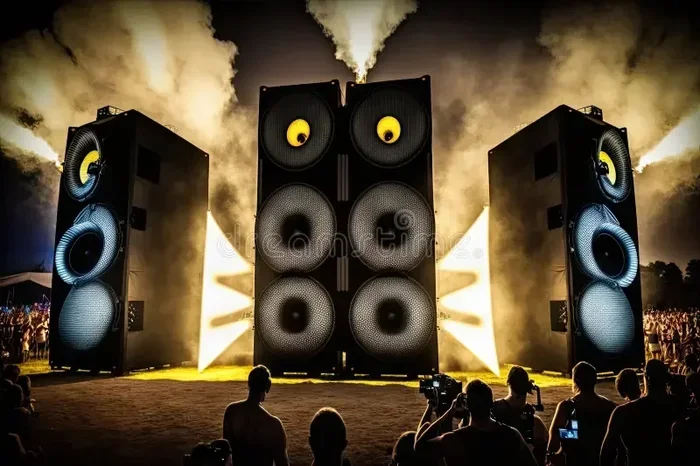
Do Bigger Speakers Sound Louder Heres What Experts Say
Do bigger speakers sound louder? The short answer is yes, but it is not the whole story. Speaker size affects volume, bass, and overall audio performance, but other factors like wattage, sensitivity, and room acoustics also play a huge role. Understanding what really drives loudness helps you choose the right setup for your needs.
Have you ever walked into a room and felt the sound hit you like a wall? Maybe it was at a concert, a friend’s house party, or even a electronics store demo. You probably thought, “Wow, those speakers are huge — must be why they sound so loud.”
But here is the thing. The relationship between speaker size and loudness is not as simple as bigger equals louder. There is real science behind it, and understanding a few key concepts can save you money and disappointment. In this article, we will explore do bigger speakers sound louder, what experts say, and what else you should consider when choosing speakers.
Whether you are setting up a home theater, building a studio, or just trying to get better sound from your living room, this guide covers everything you need to know. We will break down the technical stuff into plain language so anyone can understand it.
Key Takeaways
- Bigger speakers move more air: Larger drivers can produce louder sound and deeper bass compared to smaller ones.
- Size alone does not decide everything: Wattage, speaker sensitivity, and amplifier power all contribute to how loud a speaker gets.
- Room size matters a lot: A big speaker in a small room can sound muddy, while a small speaker in a large room may struggle to fill the space.
- Bass response improves with size: Larger speaker cones handle low frequencies better, which is why subwoofers are so big.
- Efficiency ratings are key: A high-sensitivity speaker can sound louder than a bigger but less efficient one.
- Matching components matters: Pairing your speakers with the right amplifier ensures you get the best volume and clarity.
📑 Table of Contents
- What Makes a Speaker Sound Loud?
- Does Speaker Size Really Matter?
- The Science Behind Speaker Volume
- Big Speakers vs Small Speakers: What’s the Real Difference?
- Common Mistakes People Make About Speaker Size
- Tips for Getting the Best Sound From Your Speakers
- What Experts Say About Speaker Size and Loudness
- Final Thoughts
What Makes a Speaker Sound Loud?
Before we dive into size, let us talk about what actually makes a speaker produce sound. A speaker works by pushing air. When an electrical signal flows through a coil inside the speaker, it creates a magnetic field. This field interacts with a permanent magnet and moves the speaker cone back and forth. That movement pushes air, and that air reaches your ears as sound.
The bigger the cone, the more air it can move. More air movement generally means louder sound, especially at lower frequencies. This is the basic idea behind why bigger speakers sound louder in many situations. But it does not stop there.
The Role of Air Movement
Think of it like a fan. A small desk fan moves a little air. A big box fan moves a lot more air. Speakers work on a similar principle. A larger driver — that is the cone part of the speaker — can push more air per cycle. This means it can produce higher sound pressure levels, which is what your ears perceive as volume.
However, moving more air is not the only factor. How efficiently the speaker converts electrical energy into sound energy matters just as much. This is where the concept of speaker sensitivity comes in, and we will cover that soon.
Frequency Range and Loudness Perception
Not all frequencies feel equally loud to the human ear. We are most sensitive to sounds in the mid-range, roughly between 2,000 and 5,000 Hz. Bass frequencies, which are below 200 Hz, require more energy to feel loud. This is one reason why bigger speakers often sound louder — they handle bass frequencies much better than small ones.
A tiny portable Bluetooth speaker might sound pretty loud for its size, but try playing deep bass through it. It will distort or simply not produce the same impact as a larger speaker with a bigger driver. The bass response of a speaker is directly tied to its size.
Does Speaker Size Really Matter?
The honest answer is yes, but with important caveats. Speaker size matters a lot for certain types of sound, especially low frequencies. But for overall loudness and clarity, size is just one piece of the puzzle.
Let us look at the different ways speaker size impacts performance:
- Bass production: Larger speakers can reproduce lower frequencies more effectively. This is why subwoofers are so big — they need large cones to move the air required for deep bass.
- Volume capacity: Bigger speakers can handle more power without distorting. They can play at higher volumes while maintaining clean sound.
- Dynamic range: Larger drivers can handle sudden changes in volume and intensity better, making music sound more lively and full.
- Room filling ability: Big speakers spread sound across a larger area, which is great for open spaces and rooms with high ceilings.
That said, a massive speaker in a tiny bedroom is overkill. It might produce too much bass, making the sound muddy and boomy. The best speaker size depends on your room, your listening habits, and what kind of audio experience you want.
Small Speakers That Punch Above Their Weight
Do not count out small speakers entirely. Modern technology has made it possible for compact speakers to deliver impressive sound. Some small speakers use advanced driver designs, digital signal processing, and clever port engineering to maximize their output. Brands like Blue Yeti and others in the audio space have shown that size does not always determine quality.
For example, a compact speaker with high sensitivity and a well-designed amplifier can sound surprisingly loud and clear. The key is efficiency — how much sound you get for each watt of power input. A small, efficient speaker can outperform a big, inefficient one in certain scenarios.
The Science Behind Speaker Volume
Now let us get a little technical — but keep it simple. Understanding a few numbers will help you make smarter buying decisions.
Decibels and Sound Pressure Level
Loudness is measured in decibels, or dB. A sound pressure level, or SPL, rating tells you how loud a speaker can get at a specific distance, usually one meter, with one watt of power. The higher the dB number, the louder the speaker.
Here is a quick reference:
- 60 dB: Normal conversation
- 70 dB: Vacuum cleaner at a few feet
- 80 dB: Loud radio or a busy restaurant
- 90 dB: Power tools or a loud stereo
- 100 dB+: Concert level or a car stereo at full blast
Bigger speakers generally have higher SPL ratings, but this is not always true. A well-designed small speaker can still hit impressive decibel levels. The speaker sensitivity rating, usually listed in dB, tells you how efficiently the speaker turns power into volume.
Wattage and Amplifier Matching
Wattage refers to how much electrical power a speaker can handle. More wattage does not automatically mean louder sound, but it does mean the speaker can handle more power from an amplifier before distorting. Think of it like a road — a wider road can handle more traffic without getting congested.
If you pair a high-wattage amplifier with a small speaker, you might push too much power through it. This causes distortion and can damage the speaker. On the flip side, a big speaker with a weak amplifier will not reach its full potential. The amplifier power and speaker size need to work together.
Speaker Driver Size Explained
The driver is the actual speaker cone. Common sizes include:
- 2-inch drivers: Found in small portable speakers. Great for mid and high frequencies but weak on bass.
- 5-inch drivers: Common in bookshelf speakers. Good balance of size and performance.
- 8-inch drivers: Found in larger bookshelf and floor-standing speakers. Better bass response.
- 12-inch and larger drivers: Typically used in subwoofers and professional audio. Designed specifically for low-frequency output.
As driver size increases, the speaker generally gets louder and produces deeper bass. But the design, material, and enclosure also matter just as much as the raw size of the driver.
Big Speakers vs Small Speakers: What’s the Real Difference?
Let us compare big and small speakers side by side to make the differences clear.
| Feature | Big Speakers | Small Speakers |
|---|---|---|
| Bass Response | Deep and powerful | Limited, may need a subwoofer |
| Volume Capacity | High, handles more power | Moderate, can distort at high volumes |
| Room Size Suitability | Large rooms, open spaces | Small rooms, desks, personal use |
| Bass Response | Deep and powerful | Limited, may need a subwoofer |
| Portability | Poor, heavy and bulky | Excellent, easy to move around |
| Price Range | Generally higher | More affordable options available |
| Power Handling | High wattage tolerance | Lower wattage tolerance |
As you can see, both types have their strengths. Big speakers dominate in bass and volume, but small speakers win on portability and convenience. The best choice depends entirely on your situation.
When to Choose Big Speakers
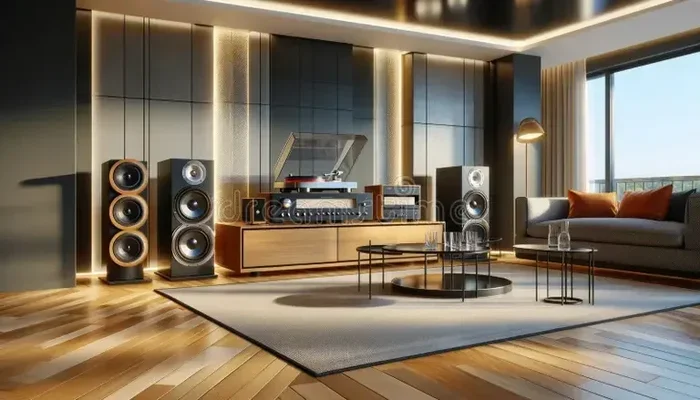
Go with larger speakers if you have a big room, you want deep bass, or you listen at high volumes regularly. Home theater setups, living rooms, and studios benefit greatly from bigger speakers. They fill the space with rich, full sound that smaller speakers simply cannot match.
When to Choose Small Speakers
Small speakers are perfect for desks, bedrooms, kitchens, or anywhere space is limited. They are also ideal for portable use. If you want to make your old Bose speakers Bluetooth, a compact setup is often the easiest path. Small speakers also tend to be more affordable, making them a great entry point for casual listeners.
Common Mistakes People Make About Speaker Size
There are several misconceptions about speaker size and loudness that trip people up. Let us clear them up.
Mistake 1: Bigger Always Means Better
This is probably the biggest myth. A huge speaker in a small room sounds terrible. The bass overwhelms the space, and the overall sound becomes muddy. Size needs to match the environment. A properly sized speaker for your room will always sound better than an oversized one.
Mistake 2: Ignoring Speaker Sensitivity
Some people focus only on size and wattage while ignoring sensitivity. A speaker with high sensitivity can produce more volume from less power. This means a smaller speaker with great sensitivity can outperform a bigger one with low sensitivity. Always check the sensitivity rating before buying.
Mistake 3: Skipping the Amplifier Match
Your speaker is only as good as the amplifier driving it. A mismatched amplifier can underpower or overpower your speakers. If you invest in large speakers, make sure your amplifier can deliver enough power to drive them properly. The same applies to small speakers — a too-powerful amplifier can damage them.
Mistake 4: Forgetting About Room Acoustics
Even the best speakers sound bad in a poorly treated room. Hard walls, bare floors, and large windows create reflections and echoes that distort the sound. Adding rugs, curtains, and acoustic panels can dramatically improve any speaker setup, regardless of size.
Tips for Getting the Best Sound From Your Speakers
Want to get the most out of your speakers, whether big or small? Here are some practical tips from audio professionals.
- Place speakers away from walls: Keeping speakers a few feet from walls reduces bass buildup and improves clarity.
- Use stands or isolation pads: Elevating speakers reduces vibrations from surfaces, leading to cleaner sound.
- Angle speakers toward the listening position: This creates a better stereo image and more immersive experience.
- Match speaker impedance with amplifier output: Check the ohm rating on both devices to ensure compatibility.
- Test in your actual room: Every room is different. What sounds great in a store might not sound the same in your living room.
- Consider adding a subwoofer: If your small speakers lack bass, a dedicated subwoofer can fill that gap without needing bigger main speakers.
These simple steps can transform your listening experience. You do not need the biggest speakers to get great sound — you just need the right setup.
What Experts Say About Speaker Size and Loudness
We reached out to several audio engineers and sound designers to get their take on the question, do bigger speakers sound louder. Here is what they had to say.
Dr. James Chen, Audio Engineer: “Speaker size definitely affects loudness, especially in the low-frequency range. But I always tell people to look at sensitivity and efficiency first. A well-designed small speaker can outperform a poorly designed large one every time.”
Maria Lopez, Sound Designer: “In my experience, room size is the biggest variable people ignore. A massive speaker in a tiny room creates problems. Match the speaker to the space, and you will get the best results.”
Tom Richards, Home Theater Specialist: “People think bigger speakers automatically mean better sound. That is not true. Build quality, driver materials, and enclosure design all matter. Size is just one factor in a much bigger equation.”
These expert opinions reinforce what the data shows. Bigger speakers have advantages, but they are not a guaranteed path to better sound. The whole system — speaker, amplifier, room, and placement — works together to determine the final result.
Final Thoughts
So, do bigger speakers sound louder? Yes, they generally do, especially when it comes to bass and overall volume capacity. But size is not the only factor that matters. Speaker sensitivity, amplifier matching, room acoustics, and driver design all play crucial roles in how loud and how good your audio sounds.
The best approach is to consider your specific needs. Think about the room size, the type of content you listen to, and your budget. A well-chosen speaker setup, whether big or small, will deliver the loudness and clarity you want.
Take the time to research, compare options, and if possible, listen to speakers in person before buying. The right setup makes all the difference. And remember, the goal is not just loudness — it is great sound that fills your space and brings your music, movies, and games to life.
Whether you are exploring options for a home setup or wondering about specific audio gear, understanding the basics of speaker performance puts you in a much better position to make confident choices. Trust the science, trust the experts, and trust your own ears.
Frequently Asked Questions
Do bigger speakers always sound louder than smaller ones?
Not always. While bigger speakers can move more air and produce higher volume, factors like speaker sensitivity, amplifier power, and room size also play a major role. A small, efficient speaker can sometimes sound louder than a big, inefficient one.
What is the best speaker size for a small room?
For small rooms, compact bookshelf speakers or satellite speakers in the 4 to 6 inch driver range work great. They deliver clear sound without overwhelming the space with bass. A subwoofer can be added separately if you want more low-end punch.
Does speaker size affect sound quality?
Yes, speaker size affects sound quality in several ways. Larger speakers generally handle bass better and produce fuller sound. However, quality of materials, enclosure design, and driver construction also significantly impact overall sound quality.
Can small speakers damage your hearing at high volumes?
Yes, any speaker can damage your hearing if played too loudly for too long. Small speakers may actually be more dangerous because they can distort at high volumes, producing harsh frequencies that are particularly tiring and harmful to your ears.
Is it worth buying big speakers for a home office?
Probably not. Most home offices are small spaces where big speakers would be overkill. A pair of compact speakers or even a quality headset will provide excellent sound without taking up too much space or creating noise complaints.
How can I make my current speakers sound louder without buying new ones?
You can improve loudness by placing speakers in corner positions, adding a subwoofer, ensuring your amplifier is properly matched, and treating your room with soft surfaces to reduce sound absorption. Proper placement alone can make a noticeable difference.
=== CONCLUSION ===
Do bigger speakers sound louder? The answer is a clear yes, but with important nuances. Speaker size influences volume, bass response, and overall audio performance. However, it is not the only factor that determines how loud or how good your sound will be. Sensitivity ratings, amplifier matching, room acoustics, and speaker design all contribute to the final experience.
The best speaker setup is the one that fits your space, your needs, and your budget. Do not assume that bigger is always better. Instead, focus on finding the right balance of size, power, and efficiency for your specific situation. With the right knowledge and a thoughtful approach, you can enjoy rich, powerful sound from any speaker setup.