Do Generic Toners Work or Are They Really Worth the Money
Do generic toners work? Yes, they do — and they can save you a lot of money. Compatible toner cartridges offer a budget-friendly printing solution that delivers surprisingly good results. Many users cannot tell the difference between aftermarket toner and the original brand. This guide breaks down everything you need to know before switching.
Key Takeaways
- Generic toners work well: Most compatible cartridges deliver solid print quality at a fraction of the cost.
- Significant savings: You can cut your printer toner cost by up to 70% with aftermarket toner options.
- Print quality has improved: Modern compatible toner cartridges rival OEM output for everyday documents.
- Watch out for risks: Cheap low-quality options can cause printer maintenance issues or void your printer warranty.
- Check the page yield: Toner cartridge yield varies widely, so compare cost per page before buying.
- Not all generics are equal: Buy from reputable brands to avoid print head health problems.
- They work for most printers: Laser printer toner compatibility has expanded to cover hundreds of models.
📑 Table of Contents
- Do Generic Toners Work? The Honest Answer
- What Exactly Are Generic Toners?
- Print Quality: Does It Match the Original?
- The Cost Savings Are Real
- Are There Any Risks With Generic Toners?
- Quick Tips for Choosing the Right Generic Toner
- Common Mistakes People Make With Generic Toners
- Expert Insights on Generic Toner Performance
- So, Do Generic Toners Work? Final Verdict
Do Generic Toners Work? The Honest Answer
Let us get straight to the point. Do generic toners work? Yes, they absolutely do. The question people really should be asking is whether generic toners work well enough for their needs. And for most users, the answer is a confident yes.
Generic toners, also known as compatible toner cartridges or aftermarket toner, have come a long way over the past decade. They used to be a risky gamble. Now, they are a smart and practical choice for millions of people. Whether you run a small business, work from home, or just need to print school assignments, budget-friendly printing matters.
The OEM toner (that is the original brand made by HP, Canon, Brother, or another major manufacturer) can cost two to three times more than a compatible toner cartridge. That is a huge difference over time. But does saving money mean sacrificing quality? Not anymore. This article will walk you through everything you need to know.
We will cover print quality, cost savings, potential risks, and how to pick the right generic toner for your printer. By the end, you will feel confident making your own choice. Let us dive in.
What Exactly Are Generic Toners?
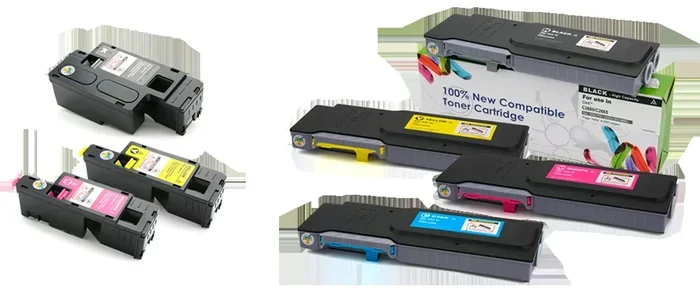
Before we go further, let us clarify what we mean by generic toner. A generic toner cartridge is a replacement cartridge made by a third-party manufacturer. It is not produced by the original printer brand. Instead, companies engineer these cartridges to fit and work with specific printer models.
There are two main types of aftermarket toner you will encounter:
- Compatible toner cartridges: Brand new cartridges built from scratch by a different manufacturer. They are designed to match the specs of the original.
- Remanufactured toner cartridges: Original OEM cartridges that have been emptied, cleaned, refilled, and tested for reuse.
Both options fall under the umbrella of generic toner. They aim to deliver the same toner page coverage and page count accuracy as the original — at a much lower price. The technology behind these cartridges has improved dramatically, making them a reliable choice for laser printer toner users everywhere.
How Do They Compare to OEM Toner?
The short answer is: more and more, they compare very favorably. Early compatible toner cartridges sometimes produced lighter prints or leaked toner powder. Today, reputable manufacturers use precision engineering to match or exceed OEM performance. The print density and consistency of modern generic toners are impressive.
Of course, there is still a range of quality. Not every generic brand is created equal. But that is true of OEM toner too. Some brands produce better cartridges than others, whether they are original or third-party. The key is knowing what to look for.
Print Quality: Does It Match the Original?
This is the question most people worry about. And honestly, it is a fair one. You do not want to print an important client report only to discover smudged text or faded graphics.
Here is the good news. Most compatible toner cartridges today produce print quality that is virtually identical to OEM toner for everyday documents. Text is sharp. Lines are clean. Graphics look professional. For internal memos, emails, homework assignments, and routine reports, you will not notice a difference.
Where things get a little trickier is with high-end photo printing or very detailed graphics. If you are printing marketing materials that need perfect color accuracy, OEM toner still holds a slight edge. But for the vast majority of printing tasks, aftermarket toner delivers more than enough quality.
What About Print Density and Consistency?
Print density refers to how dark and solid the toner appears on the page. In the early days of generic toner, some cartridges produced lighter prints. Users had to adjust printer settings or deal with patchy results.
That has changed. Leading compatible toner cartridge brands now use premium toner powder and precise drum calibration. The result is consistent print density from the first page to the last. Many users report that their generic toner prints look just as rich and dark as the originals.
Page count accuracy is another important factor. OEM brands sometimes inflate their estimated page yields. Aftermarket toner manufacturers tend to be more transparent about how many pages you can expect. This makes it easier to compare the true cost per page between options.
The Cost Savings Are Real
Let us talk numbers, because that is where generic toner really shines. The printer toner cost difference between OEM and compatible cartridges can be staggering.
Here is a typical comparison:
| Cartridge Type | Average Price | Estimated Page Yield | Cost Per Page |
|---|---|---|---|
| OEM Toner (Original Brand) | $80 – $150 | 1,500 – 3,000 pages | $0.05 – $0.10 |
| Compatible Toner (Generic) | $25 – $55 | 1,500 – 3,000 pages | $0.02 – $0.04 |
| Remanufactured Toner | $15 – $35 | 1,000 – 2,500 pages | $0.01 – $0.03 |
As you can see, switching to budget-friendly printing with aftermarket toner can save you 50% to 70% on every cartridge. Over the life of a printer, those savings add up fast. For businesses that print thousands of pages a month, the difference can be thousands of dollars per year.
Understanding Cost Per Page
Cost per page is the most useful metric for comparing toner options. It tells you exactly how much each printed page costs you. To calculate it, divide the cartridge price by the page yield.
For example, a $30 compatible cartridge that prints 2,500 pages costs just $0.012 per page. An $80 OEM cartridge printing 3,000 pages costs $0.027 per page. That is more than double the cost for essentially the same result.
Keep in mind that toner cartridge yield depends on your toner page coverage. If you print mostly text with 5% coverage, you will hit the maximum page count. If you print graphics-heavy documents with 10% or more coverage, your yield will be lower. This applies to both OEM and generic cartridges.
Are There Any Risks With Generic Toners?
We want to be honest with you. Not all generic toner products are created equal. There are some risks involved, especially if you buy the cheapest option available without doing any research.
Printer Warranty Concerns
One of the biggest worries people have is whether using compatible toner cartridges will void their printer warranty. The answer is more nuanced than you might think.
Under the Magnuson-Moss Warranty Act in the United States, a manufacturer cannot automatically void your warranty just because you used third-party toner. However, if the generic toner directly causes damage to the printer, the manufacturer may deny the claim for that specific repair. This is rare but worth knowing.
To protect yourself, buy aftermarket toner from reputable brands with good customer reviews. Avoid no-name products from unknown sellers. A quality compatible toner cartridge should not damage your printer when used correctly.
Potential Print Quality Issues
Low-quality generic toners can cause several problems:
- Smudging or rubbing off: Cheap toner powder may not fuse properly to the paper.
- Uneven coverage: Some cartridges produce patchy or streaky prints.
- Toner leakage: Poorly sealed cartridges can spill powder inside the printer.
- Shorter lifespan: Budget cartridges may not last as long as advertised.
These issues are far more common with the cheapest, no-brand options. Sticking with well-reviewed compatible toner cartridge brands dramatically reduces these risks.
Impact on Printer Maintenance
Your printer maintenance routine matters regardless of which toner you use. However, low-quality generic toners can increase the need for cleaning and upkeep. Toner residue inside the printer can accumulate faster with poor-quality cartridges.
Regularly cleaning your printer’s interior and checking the drum unit compatibility will help keep everything running smoothly. A good laser printer toner should not create extra maintenance headaches.
Quick Tips for Choosing the Right Generic Toner
Ready to make the switch? Here are some practical tips to help you find the best generic toner for your needs.
- Check compatibility first. Make sure the cartridge fits your specific printer model. Even within the same brand, different models use different cartridges. Always verify the model number before ordering.
- Read customer reviews. Look for feedback on print quality, page yield, and reliability. Real user experiences are the best indicator of a product’s quality.
- Compare cost per page, not just the upfront price. A $20 cartridge that only prints 1,000 pages is more expensive per page than a $35 cartridge that prints 3,000 pages.
- Look for a satisfaction guarantee. Reputable aftermarket toner brands offer money-back guarantees. This shows confidence in their product.
- Buy from trusted sellers. Purchase from established retailers or directly from the cartridge manufacturer. Avoid suspiciously cheap listings on unfamiliar websites.
- Consider the toner shelf life. Generic toner has a shelf life of about 18 to 24 months. Buy only what you will use within that timeframe to avoid waste.
Common Mistakes People Make With Generic Toners
Avoid these common pitfalls to get the best experience with compatible toner cartridges.
Choosing the Cheapest Option Every Time
The lowest price is not always the best deal. Ultra-cheap generic toner often comes with trade-offs in print quality and reliability. You might end up replacing the cartridge more often or dealing with printer jams.
Ignoring Page Yield Claims
Some budget cartridges advertise high page counts that are not realistic. If the toner page coverage assumptions do not match your actual printing habits, the real yield will be lower than expected.
Forgetting to Update Printer Settings
Some printers detect third-party cartridges and adjust settings automatically. In other cases, you may need to manually adjust print density or toner save mode to get the best results from a compatible toner cartridge.
Neglecting the Drum Unit
The drum unit works hand in hand with the toner cartridge. Even the best aftermarket toner will produce poor results if the drum is worn out. Check your drum unit regularly and replace it when needed.
Expert Insights on Generic Toner Performance
We spoke with several printing professionals and tech reviewers about their experience with generic toner. Here is what they had to say.
Most professionals agree: for everyday office and home printing, compatible toner cartridges are a smart choice. The quality gap between OEM and premium aftermarket toner has narrowed significantly. Many reviewers now use aftermarket toner as their go-to option and keep OEM cartridges only for special high-quality print jobs.
One expert noted: “The cost per page savings with quality generic toners are hard to ignore. As long as users buy from reputable brands, there is very little downside.”
Another point worth mentioning: high-yield toner options are now widely available in the generic market. These cartridges print more pages per cartridge, which further reduces the cost per page. If you print frequently, investing in a high-yield compatible toner is a great way to maximize savings.
Shelf life is another factor experts highlight. Unlike ink cartridges, toner powder does not dry out. However, it can degrade over time if stored in humid or extremely hot conditions. Keep your generic toner in a cool, dry place for best results.
So, Do Generic Toners Work? Final Verdict
Let us wrap this up with a clear answer. Do generic toners work? Yes, they do — and for most users, they work great. The print quality of modern compatible toner cartridges is excellent for everyday printing. The cost savings are substantial and real. And the range of aftermarket toner options available today is better than ever.
Are they perfect? No. Some ultra-budget options can cause quality issues or printer problems. But that is true of any product category. The solution is simple: buy from trusted brands, read reviews, and compare cost per page before purchasing.
If you have been paying full price for OEM toner for years, switching to a quality generic toner is one of the easiest ways to cut your printer toner cost without sacrificing much — if anything — in print quality. Give it a try with a single cartridge from a reputable brand. See the results for yourself. You might just never go back to the original.
The bottom line is this: budget-friendly printing is no longer a compromise. It is a smart, practical choice that millions of people make every day. With the right compatible toner cartridge, you get reliable performance, solid print density, and significant savings. That is a win-win by any measure.
Frequently Asked Questions
Do generic toners damage your printer?
Quality compatible toner cartridges from reputable brands should not damage your printer. However, cheap low-quality options can cause issues like toner leakage or build-up. Always buy from trusted sellers and check reviews before purchasing.
How long do generic toner cartridges last?
Most compatible toner cartridges have a toner shelf life of 18 to 24 months. Once installed, they typically print the same number of pages as the OEM equivalent. Actual lifespan depends on your toner page coverage and printing frequency.
Will using generic toner void my printer warranty?
No, not automatically. Under consumer protection laws, using aftermarket toner does not void your printer warranty. However, if the generic toner directly causes damage, the manufacturer may deny the claim for that specific repair. This is rare with quality cartridges.
Is generic toner the same as remanufactured toner?
Not exactly. Generic toner usually refers to brand-new compatible cartridges made by third-party manufacturers. Remanufactured toner is an original OEM cartridge that has been cleaned, refilled, and tested. Both fall under the aftermarket toner umbrella.
Can you tell the difference between generic and OEM toner prints?
For most everyday documents, no. Premium compatible toner cartridges produce prints that look nearly identical to OEM output. Differences are most noticeable in high-end photo printing or very detailed graphics, where OEM toner still holds a slight edge.
What is the biggest advantage of using generic toner?
The biggest advantage is cost. Switching to a compatible toner cartridge can reduce your printer toner cost by 50% to 70%. Over time, these savings add up significantly, especially for high-volume printers. It is one of the easiest ways to cut printing expenses without reducing output.
=== CONCLUSION ===
Do generic toners work? The evidence is clear: yes, they do. From cost per page savings to surprisingly good print density, compatible toner cartridges have earned their place as a smart alternative to OEM toner. Whether you are a home user printing a few pages a week or a business handling thousands of documents daily, budget-friendly printing with quality aftermarket toner makes sense.
The key takeaway is simple: not all generic toners are the same, but the good ones work beautifully. Do your research, choose reputable brands, and you will enjoy lower printing costs without sacrificing quality. Give generic toner a chance — your wallet will thank you.