Do Slow Cookers Use A Lot Of Electricity Compared To Ovens
Do slow cookers use a lot of electricity? No. Slow cookers typically use between 70 and 250 watts, which is far less than a standard oven that draws 2,000 to 5,000 watts. This means your slow cooker electricity usage is a fraction of what an oven consumes, saving you real money on your household electricity bill over time. Switching to a slow cooker is one of the simplest ways to practice energy-efficient cooking at home.
Do slow cookers use a lot of electricity? This is a question that many homeowners and renters ask, especially when they are trying to cut down on monthly expenses. The short answer is no. A slow cooker is one of the most energy-efficient countertop cooking appliances you can own. It uses a fraction of the electricity that a traditional oven demands, and over time, those savings really add up.
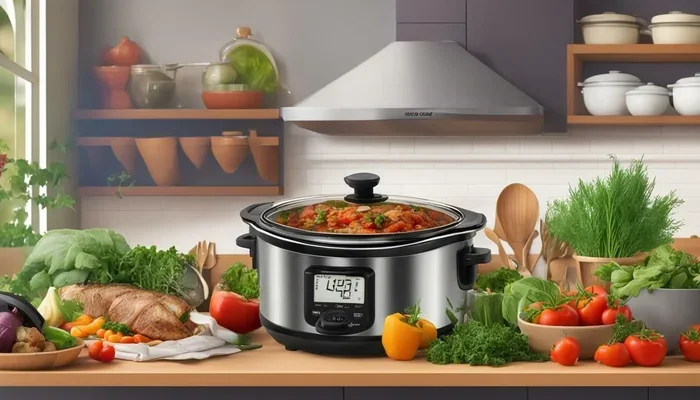
When you compare slow cooker electricity usage to other kitchen appliances, the difference is striking. An oven needs to preheat, blasts hot air continuously, and loses a lot of heat through its door. A slow cooker, on the other hand, traps heat inside a sealed ceramic pot and uses just enough electricity to maintain a steady, low temperature. This makes energy-efficient cooking simple and accessible for almost everyone.
In this article, we will walk through the actual numbers. You will learn about slow cooker wattage, how much it really costs to run one, and how it stacks up against your oven and other cooking methods. We will also share practical tips to help you get the most out of your slow cooker while keeping your household electricity bill as low as possible.
Key Takeaways
- Low Power Draw: Slow cookers use 70 to 250 watts, while ovens use 2,000 to 5,000 watts, making slow cookers far more energy efficient.
- Significant Cost Savings: Cooking with a slow cooker can save you up to 75% on energy costs compared to using an oven for the same meal.
- Slow Cooker Wattage Varies: Low settings use around 70-150 watts, while high settings range from 150-250 watts depending on the model and size.
- Longer Cook Times Do Not Mean Higher Costs: Even though slow cookers run for hours, their low wattage keeps total energy use well below that of an oven.
- Energy-Efficient Cooking Is Easy: Using a slow cooker is one of the simplest lifestyle changes to reduce your electricity bill and carbon footprint.
- Size Matters: Choosing the right slow cooker size for your meal prevents wasted energy and ensures optimal efficiency.
📑 Table of Contents
- Understanding Slow Cooker Electricity Usage
- Slow Cooker Vs Oven: The Energy Comparison
- How Much Does It Really Cost To Run A Slow Cooker?
- Does Using A Slow Cooker Really Save Money?
- Energy-Efficient Cooking Tips For Slow Cooker Users
- Common Mistakes That Increase Slow Cooker Electricity Use
- How Slow Cookers Compare To Other Kitchen Appliances
- Environmental Benefits Of Using A Slow Cooker
- Conclusion
Understanding Slow Cooker Electricity Usage
To truly answer the question do slow cookers use a lot of electricity, we need to look at the numbers. Understanding slow cooker power consumption starts with knowing how these appliances work and what their wattage ratings actually mean.
How Much Power Does A Slow Cooker Use?
A standard slow cooker typically uses between 70 and 250 watts of electricity. The exact amount depends on the size of the unit and the heat setting you choose. Here is a simple breakdown:
- Low Setting: Uses approximately 70 to 150 watts. This is ideal for all-day cooking and uses the least electricity.
- High Setting: Uses approximately 150 to 250 watts. It cooks food faster but draws more power.
- Warm Setting: Uses around 30 to 50 watts. This setting simply keeps food at a safe serving temperature.
Now let us put that in perspective. A typical electric oven draws between 2,000 and 5,000 watts. Even a microwave, which many people consider a low-energy option, uses around 1,000 to 1,500 watts. So when you ask do slow cookers use a lot of electricity, the answer is clearly no. The slow cooker wattage is remarkably low compared to almost any other cooking appliance in your kitchen.
What Does Wattage Actually Mean?
Wattage is simply a measure of how much electricity an appliance uses per hour. If your slow cooker is rated at 200 watts and you cook for 8 hours on low, it will consume about 1.6 kilowatt-hours (kWh) of electricity. A 3,000-watt oven running for just one hour uses 3 kWh. That single hour of oven use can equal an entire slow cooker cooking session in terms of energy consumed.
Many people confuse wattage with total energy cost. A device that uses more watts does not always cost more to operate if it runs for a shorter time. This is why the slow cooker electricity usage over a full cook cycle remains surprisingly affordable. The appliance is designed to do its job using minimal power over a long period.
Slow Cooker Vs Oven: The Energy Comparison
The comparison between a slow cooker and an oven is where the real savings become clear. When you are deciding which appliance to use, understanding the energy difference helps you make smarter choices for your kitchen and your budget.
Direct Energy Comparison Table
Here is a side-by-side look at how these two appliances compare in terms of energy use and cost:
- Slow Cooker (Low, 8 hours): Uses about 1.6 kWh and costs roughly $0.20 to $0.30 per meal (based on average US electricity rates).
- Electric Oven (1 hour at 350°F): Uses about 3.0 kWh and costs roughly $0.40 to $0.60 per use.
- Slow Cooker (High, 4 hours): Uses about 1.0 kWh and costs approximately $0.12 to $0.20 per meal.
- Oven with Preheating (1.5 hours total): Uses about 4.5 kWh and costs $0.60 to $0.90 per use.
As you can see, the slow cooker vs oven energy gap is massive. Even if you factor in that a slow cooker takes longer to cook, the total electricity consumed is still far less. This makes the slow cooker a clear winner for anyone focused on reducing energy costs.
Why Ovens Use So Much More Electricity
Ovens need to reach very high temperatures, often 350°F or more. To get there, they draw a huge amount of power through their heating elements. Once the oven reaches the target temperature, it continues cycling the heating element on and off to maintain heat, which still draws significant electricity.
Additionally, ovens lose a lot of heat every time you open the door. That lost heat means the oven must work harder and use more electricity to recover the temperature. A slow cooker, with its tight-fitting lid and insulated construction, barely loses any heat at all. This is a key reason why energy-efficient cooking with a slow cooker is so effective.
How Much Does It Really Cost To Run A Slow Cooker?
Knowing the wattage is helpful, but what most people really want to know is the actual dollar impact. Let us break down the cost of using a slow cooker in real-world terms.
Calculating Your Slow Cooker Electricity Cost
To calculate the cost, you need two numbers: the wattage of your slow cooker and your local electricity rate. In the United States, the average electricity rate is about $0.15 per kWh. Here is a simple formula:
Cost = (Wattage ÷ 1,000) × Hours Used × Electricity Rate
For example, if your slow cooker uses 200 watts and you cook for 8 hours on low at $0.15 per kWh, the calculation is: (200 ÷ 1,000) × 8 × 0.15 = $0.24. That is less than a quarter for an entire meal.
Over a month of daily slow cooker use, you might spend $7 to $10 total on electricity. Compare that to using an oven every day, which could easily cost $15 to $30 or more per month. The savings are real and noticeable on your household electricity bill.
Factors That Affect Slow Cooker Energy Use
Not all slow cooker meals cost the same to cook. Several factors influence how much electricity your unit uses:
- Size of the Slow Cooker: Larger units generally use more watts than smaller ones. A 6-quart slow cooker on high may draw more power than a 3-quart model on low.
- Cooking Time: Longer cook times mean more total electricity consumed, even though the hourly rate is low.
- Temperature Setting: High settings use more power than low settings, but shorter cook times can offset that difference.
- Lid Fit: A loose lid lets heat escape, causing the cooker to use more electricity to maintain temperature.
- Ambient Kitchen Temperature: A colder kitchen may cause the slow cooker to work slightly harder to maintain heat.
Understanding these factors helps you get the most out of every cooking session. Small adjustments can make a meaningful difference in your slow cooker power consumption over time.
Does Using A Slow Cooker Really Save Money?
The short answer is yes, using a slow cooker absolutely saves money compared to using an oven. But the savings go beyond just electricity. Let us explore the full financial picture.
Beyond Electricity: Other Cost Savings
When you cook with a slow cooker, you save money in several ways that go beyond the electricity meter. First, slow cooker meals often use cheaper cuts of meat that become tender during long, low cooking. Second, because the appliance uses less heat, your kitchen stays cooler, which can reduce your air conditioning costs in warmer months.
Third, slow cookers are excellent for batch cooking and meal prep. You can cook large quantities of food at once, which reduces the need for takeout or delivery. Over weeks and months, these savings compound significantly. Some people report saving $50 or more per month simply by cooking more meals at home with their slow cooker.
You might wonder if the same logic applies to other appliances. For instance, just like asking can I use a projector instead of a TV to save on electricity, the answer is often yes, substituting a lower-energy device for a higher-energy one leads to real savings. The same principle applies to choosing a slow cooker over an oven.
The Payback Period For Slow Cooker Owners
A basic slow cooker costs between $30 and $60. If you save even $10 per month on electricity by using it instead of an oven, you recover the cost of the appliance within three to six months. After that, every meal you cook is essentially free of the extra energy cost you would have incurred with an oven.
Higher-end slow cookers with programmable settings and digital controls may cost a bit more upfront, but they often include energy-saving features like automatic switching to warm after cooking. This prevents the appliance from running unnecessarily and keeps your slow cooker electricity usage as low as possible.
Energy-Efficient Cooking Tips For Slow Cooker Users
Want to get the most out of your slow cooker while keeping electricity use to an absolute minimum? Here are some practical, proven tips that make a real difference.
1. Choose The Right Size Slow Cooker
Using a large slow cooker for a small meal wastes electricity. Match the size of your slow cooker to the amount of food you are preparing. A 3-quart slow cooker is perfect for 2 to 3 people, while a 6-quart model suits families of four or more. Choosing the right size ensures you are not heating empty space inside the pot.
2. Prep Ingredients Before You Start
Cutting vegetables into smaller pieces and thawing frozen ingredients before adding them to the slow cooker reduces cooking time. Less cooking time means less electricity used. This is one of the simplest energy-efficient cooking habits you can build.
3. Keep The Lid On
Every time you lift the lid, heat escapes and the slow cooker must use extra electricity to recover the temperature. Resist the urge to peek too often. A good rule of thumb is to only lift the lid when the recipe specifically instructs you to do so.
4. Use The Low Setting When Possible
The low setting uses significantly less electricity than the high setting. Most recipes can be cooked on low with excellent results. If you have the time, choose low and let the slow cooker do its work efficiently.
5. Cook During Off-Peak Hours
Some electricity plans offer lower rates during off-peak hours, typically in the evening or early morning. Running your slow cooker during these times can reduce your energy costs even further. Check with your electricity provider to see if time-of-use pricing is available in your area.
6. Keep The Slow Cooker Clean
A clean slow cooker heats more efficiently. Food residue on the heating element or ceramic pot can act as an insulator, forcing the appliance to use more electricity to reach and maintain the desired temperature. Regular cleaning keeps your unit running at peak efficiency.
7. Combine Cooking Tasks
If you are already using the oven for one dish, consider using the slow cooker for another meal at the same time. This way, you are maximizing the electricity you are already paying for. However, if the oven is not in use, the slow cooker remains the clear winner for energy savings.
Some people wonder whether other small kitchen appliances follow the same energy-saving logic. For example, many ask do solar phone chargers really work, and the answer depends on the device and conditions. Similarly, the energy savings from a slow cooker depend on using it correctly and choosing the right settings for your cooking needs.
Common Mistakes That Increase Slow Cooker Electricity Use
Even with the best intentions, some habits can cause your slow cooker to use more electricity than necessary. Avoiding these common mistakes helps you maximize efficiency and keep costs low.
Overfilling the Pot
Filling the slow cooker to the brim prevents proper heat circulation. Food in the center may not cook evenly, and the appliance may run longer than necessary. Aim to fill the pot no more than two-thirds full for optimal performance and energy efficiency.
Using High Heat When Low Will Do
Many people default to the high setting because they are in a hurry. But unless the recipe specifically requires high heat, using the low setting saves electricity and often produces better, more flavorful results. The long, gentle cooking process is what makes slow cooker meals special.
Cooking Small Amounts in a Large Unit
This is one of the biggest hidden energy wasters. If you are cooking a single serving of soup in a 6-quart slow cooker, you are heating a large volume of empty space. That wasted electricity adds up over time. Consider using a smaller slow cooker or the stovetop for single servings.
Leaving the Slow Cooker On After Cooking
Some models do not automatically switch to a warm setting after the cook cycle ends. If yours does not, unplug it when the food is done. Leaving it on idle wastes electricity and serves no purpose. Always check your manual to understand your specific model’s power management features.
These mistakes are easy to fix and can make a noticeable difference in your slow cooker electricity usage. Small changes in how you use the appliance lead to meaningful savings over weeks and months.
How Slow Cookers Compare To Other Kitchen Appliances
To fully understand the energy picture, it helps to see how slow cookers compare to a range of other common kitchen appliances. This gives you a broader perspective on energy-efficient cooking choices.
Slow Cooker Vs Microwave
Microwaves are generally the most energy-efficient cooking appliance for quick meals. A microwave uses about 1,000 to 1,500 watts but cooks food in minutes rather than hours. For reheating leftovers or cooking quick meals, the microwave wins on energy use. However, for long, slow cooking tasks like braising meat or making soup, the slow cooker is more practical and still uses less total energy than an oven.
Slow Cooker Vs Air Fryer
Air fryers have become very popular in recent years. They typically use 1,200 to 1,800 watts and cook food quickly. For small, fast meals, an air fryer may use less total energy than a slow cooker. But for meals that take several hours to prepare, the slow cooker remains the more energy-efficient choice.
Slow Cooker Vs Electric Stovetop
An electric stovetop burner uses about 1,000 to 1,500 watts per burner. Cooking a stew on the stovetop for 3 hours uses more electricity than a slow cooker running for 8 hours on low. The slow cooker’s advantage becomes even clearer when you consider that stovetop cooking loses more heat to the surrounding air.
For those curious about other household electricity questions, it is worth noting that understanding appliance energy use is similar to asking whether can I increase the processing speed of my computer without using more electricity. In both cases, the answer involves finding the right balance between performance and energy consumption.
Environmental Benefits Of Using A Slow Cooker
Beyond saving money, using a slow cooker also helps the environment. Lower electricity consumption means fewer greenhouse gas emissions from power plants. If every household replaced just one oven-based meal per week with a slow cooker meal, the cumulative energy savings would be substantial.
Slow cookers also promote sustainable cooking habits. They are excellent for using cheaper, tougher cuts of meat that might otherwise go to waste. They reduce food waste because you can cook large batches and easily store leftovers. And they encourage home cooking over takeout, which reduces packaging waste and transportation emissions from food delivery services.
Making the switch to a slow cooker is a small change that benefits both your wallet and the planet. It is one of the easiest ways to live a more sustainable lifestyle without sacrificing convenience or flavor.
Conclusion
So do slow cookers use a lot of electricity? The answer is a clear and definitive no. A slow cooker uses between 70 and 250 watts, which is a tiny fraction of what an oven consumes. Over the course of a meal, a slow cooker uses about one-third to one-tenth the electricity of a traditional oven. The savings on your household electricity bill are real and measurable.
Slow cooker electricity usage is low, the costs are minimal, and the energy savings are significant. Whether you are cooking a stew, making soup, preparing pulled pork, or slow-roasting vegetables, this versatile appliance delivers delicious meals without the high energy price tag. By following the tips in this guide and avoiding common mistakes, you can maximize your savings and enjoy the benefits of energy-efficient cooking every day.
If you have been wondering whether a slow cooker is worth the investment, the answer is yes, both for your cooking experience and for your electricity bill. It is one of the smartest, most practical choices you can make for a more energy-efficient kitchen.
Frequently Asked Questions
Do slow cookers use a lot of electricity compared to ovens?
No, slow cookers use significantly less electricity than ovens. A slow cooker typically uses 70 to 250 watts, while an oven uses 2,000 to 5,000 watts. Over an 8-hour cooking session, a slow cooker uses about one-third the energy of an oven running for just one hour.
How much does it cost to run a slow cooker for 8 hours?
At an average electricity rate of $0.15 per kWh, running a 200-watt slow cooker for 8 hours costs approximately $0.24. This is less than a quarter for an entire meal, making it one of the most affordable cooking methods available.
Is it cheaper to use a slow cooker or an oven?
Using a slow cooker is considerably cheaper than using an oven. The slow cooker’s low wattage and efficient heat retention mean it consumes far less electricity over time. Over a month of regular use, the savings on your electricity bill can easily reach $10 to $20 or more.
Does the slow cooker setting affect electricity use?
Yes, the setting makes a difference. The low setting uses around 70 to 150 watts, while the high setting uses 150 to 250 watts. The warm setting uses the least, at about 30 to 50 watts. Choosing the right setting for your recipe helps optimize energy use.
Can using a slow cooker reduce my electricity bill?
Absolutely. By replacing oven-based meals with slow cooker meals, you can reduce your cooking-related electricity use by up to 75%. Over time, this translates to meaningful savings on your monthly household electricity bill.
What size slow cooker is most energy efficient?
The most energy-efficient slow cooker is the one that matches your cooking needs. A 3-quart model is ideal for 2 to 3 people, while a 6-quart model works well for families of four or more. Using the right size prevents wasted energy from heating unused space inside the pot.