Do Verizon Hotspots Work Internationally Worldwide
Do Verizon Hotspots Work Internationally? Yes, they do, but only with the right plan and setup. Verizon hotspots can connect you to the internet in over 200 countries, but you need to understand roaming agreements, data limits, and fees before you travel. This guide covers everything you need to know about using your Verizon hotspot overseas without surprises.
If you are planning a trip abroad and rely on your Verizon hotspot for internet access, you probably have one big question on your mind. Do Verizon hotspots work internationally? The short answer is yes. But the full answer involves a few important details that can make or break your travel connectivity.
Using a mobile hotspot abroad is not as simple as turning it on and hopping online. Different countries have different network partners, data rules, and fee structures. Verizon has roaming agreements with carriers around the world, but you need the right plan to take advantage of them. In this article, we walk you through everything you need to know about Verizon hotspots overseas. We cover plans, coverage, speeds, tips, and common mistakes so you stay connected wherever your travels take you.
Whether you are a business traveler who needs reliable travel connectivity or a tourist who wants to share maps and photos on the go, this guide has you covered. Let us dive into the details of how Verizon international roaming works and how you can use your hotspot device without running into unexpected charges or dead zones.
Key Takeaways
- Verizon hotspots work internationally: You can use your hotspot device in over 200 countries with the right international plan.
- Travel passes and plans are essential: Without a global roaming add-on, your hotspot may not connect or may incur steep fees.
- Data speeds vary abroad: Expect slower speeds in some regions, and always check Verizon’s coverage maps before you travel.
- Prepaid and postpaid options exist: Both plan types offer international features, but the details differ significantly.
- Common mistakes drain your data: Background apps, auto-updates, and streaming can eat through your hotspot data fast overseas.
- Setup before you go: Activating international roaming and testing your device at home saves time and frustration abroad.
📑 Table of Contents
How Verizon Hotspots Work Internationally
Understanding International Roaming
International roaming is the backbone of using your Verizon hotspot abroad. When you travel outside the United States, your phone or hotspot device connects to local carrier networks instead of Verizon towers. Verizon has partnerships with carriers in over 200 countries and territories. These partnerships allow your device to roam onto those networks and access data services.
However, roaming is not automatic for every plan. Some Verizon plans include global data coverage by default, while others require you to add a travel pass or international add-on. The key is to check your specific plan details before you book your flight. You do not want to arrive in a foreign country only to find that your hotspot data limits do not apply overseas or that you are charged per megabyte.
Here is how the roaming process works in simple terms. When you power on your portable Wi-Fi hotspot in a foreign country, it searches for available local networks. If your plan supports international roaming, the device connects to a partner carrier. You then get data access just as you would at home, but the speeds, coverage, and costs depend on several factors we will cover below.
What Devices Support Global Hotspot Use
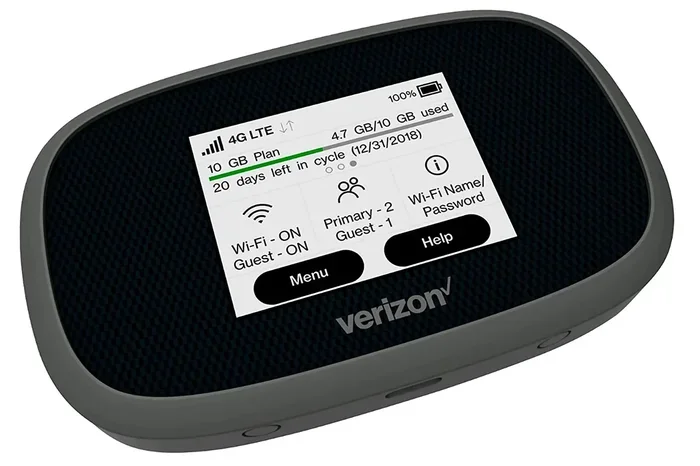
Not all Verizon hotspot devices are created equal when it comes to international use. Most modern Verizon mobile hotspots support global frequency bands, which means they can connect to networks outside the US. Popular devices like the Verizon Jetpack and the Nighthawk M1 are designed with worldwide compatibility in mind.
Before you travel, check your device specs for supported bands. Look for LTE bands like Band 1, Band 3, Band 7, and Band 20, as these are widely used across Europe, Asia, and Latin America. Verizon 5G international support is more limited, so do not count on 5G speeds abroad. Most cellular coverage abroad will be on 4G LTE networks, which are still fast enough for browsing, streaming, and video calls.
If you use a smartphone as a hotspot, the same band compatibility applies. Make sure your phone supports the right frequencies for your destination. This small step can save you from a dead hotspot the moment you land.
Verizon International Travel Passes and Plans
Day Pass vs. Monthly Pass Options
Verizon offers several Verizon international plans designed for travelers. The most popular option is the Travel Pass, which lets you use your domestic plan’s data, talk, and text abroad. The Verizon travel passes come in two flavors: day passes and monthly passes.
A day pass typically costs around $10 per day in most countries. You only pay for the days you use your device abroad. This is a great option for short trips or weekend getaways. The pass activates automatically when you connect to a foreign network, and you get full-speed data just like you do at home.
For longer trips, Verizon offers a monthly travel pass. This option costs more upfront but can save you money if you are traveling for two weeks or more. The monthly pass gives you a set amount of high-speed data that you can use across multiple countries. After you exhaust that data, speeds may slow down or you may incur additional charges, depending on your plan.
If you are on a Verizon prepaid international plan, the options are slightly different. Prepaid plans may require you to purchase a separate international add-on before you travel. Always verify your plan type and its international features by calling Verizon or checking your account online before departure.
Prepaid vs. Postpaid International Plans
Verizon prepaid international and postpaid plans handle roaming differently. Postpaid plans generally include more seamless international features. The Verizon unlimited travel options are mostly available on postpaid plans, and they often come with better roaming speeds and more generous data allowances.
Prepaid plans, on the other hand, may have stricter hotspot data limits when roaming internationally. Some prepaid plans do not support international roaming at all, while others require you to add a roaming package manually. If you are on a prepaid plan and planning to travel, contact Verizon support at least two weeks before your trip to confirm your options.
Here is a quick comparison of the two plan types for international use:
- Postpaid Plans: Usually include automatic roaming, Travel Pass options, and higher data allowances. Better for frequent travelers and long trips.
- Prepaid Plans: May require manual add-ons, have lower roaming data caps, and offer fewer international features. Better for budget-conscious travelers on short trips.
- Both Plan Types: Can work internationally with the right add-on, but the user experience and cost differ significantly.
Countries Where Verizon Hotspots Work
Popular Destinations for Verizon Hotspot Use
Verizon’s global data coverage extends to a wide range of popular travel destinations. In Europe, your Verizon hotspot abroad works reliably in countries like the United Kingdom, France, Germany, Spain, Italy, and the Netherlands. These countries have strong carrier networks that partner with Verizon for seamless roaming.
In Asia, you can use your hotspot in Japan, South Korea, Singapore, Hong Kong, and the Philippines. Latin America is also well covered, with roaming partners in Mexico, Canada, Brazil, Argentina, and Chile. If you are traveling to the Caribbean, countries like the Bahamas, Jamaica, and the Dominican Republic also support Verizon roaming.
Even in Africa and the Middle East, Verizon has roaming agreements with local carriers in popular tourist destinations like South Africa, the UAE, and Morocco. However, coverage quality can vary greatly from country to country and even from city to city.
Restricted Countries and Limitations
Not every country supports Verizon network coverage for roaming. Some countries have limited or no roaming agreements with US carriers. If you plan to visit countries with restricted telecommunications infrastructure, your mobile hotspot abroad may not work at all.
Countries like North Korea, Iran, and Cuba have very limited or no roaming support for Verizon devices. Even in countries that do support roaming, certain remote or rural areas may lack partner networks. Always check Verizon’s international coverage map for your specific destination. The map shows which countries are supported and what type of service you can expect.
Also, keep in mind that some countries require special permits or registrations for foreign devices on their networks. This is rare for tourists but can affect business travelers staying long-term. Research your destination’s telecom rules before you go.
Data Speeds and Coverage Abroad
4G and 5G Availability Overseas
When you use your Verizon hotspot internationally, you are connecting to a local carrier’s network, not Verizon’s own towers. This means your speeds depend on the local network infrastructure. In most developed countries, you will get solid 4G LTE speeds that are fast enough for video calls, streaming, and browsing.
Verizon 5G international availability is very limited. 5G networks are still being rolled out in many countries, and even where they exist, roaming agreements for 5G are not yet widespread. Do not expect 5G speeds when you travel. Instead, plan for 4G LTE, which is more than enough for most travel needs.
In some developing countries, you may only get 3G speeds. This can make browsing slow and video calls frustrating. If you are traveling to a region with known slower networks, consider downloading maps, articles, and entertainment before you leave Wi-Fi. This way, you can still access content offline even when your connection is slow.
Understanding Speed Throttling
Verizon may throttle your speeds after you use a certain amount of data while roaming. This is similar to how hotspot data limits work at home. If you are on a Travel Pass, you typically get full-speed data up to a certain threshold, after which speeds may drop.
For example, some plans throttle speeds after 2 GB of roaming data per day. Others throttle after a monthly cap. Check your plan’s roaming data policy to understand when and how throttling applies. If you need consistent speeds for work, monitor your usage closely and consider purchasing additional data packs if available.
Tips for Using Verizon Hotspots Overseas
Setting Up Your Hotspot Before You Travel
The best time to set up your Verizon hotspot for international use is before you leave home. Here is a simple checklist to follow:
- Verify your plan supports international roaming. Log into your Verizon account or call customer service to confirm.
- Activate your Travel Pass or international add-on. Some passes activate automatically, but others require manual setup.
- Update your device firmware. Make sure your hotspot device has the latest software updates installed.
- Test your hotspot at home. Confirm it works properly before you travel so you can troubleshoot any issues before you are abroad.
- Save Verizon’s international support number. If something goes wrong overseas, you need a way to reach support quickly.
Taking these five minutes before your trip can save you hours of frustration at the airport or in your hotel room. Also, make sure your device is unlocked if you plan to use a local SIM card as a backup option.
Managing Data Usage While Traveling
Data management is the biggest challenge when using a mobile hotspot abroad. International data roaming charges can add up fast if you are not careful. Here are some practical tips to keep your data usage in check:
- Turn off auto-updates. Apps, operating systems, and software can download updates in the background without you noticing. Disable automatic updates on all your devices before you travel.
- Use offline maps. Download Google Maps or Maps.me offline maps for your destination before you leave. This saves a ton of data while navigating.
- Stream in lower quality. If you must stream video or music, lower the quality setting to reduce data consumption.
- Close unused apps. Background apps constantly use data for syncing and notifications. Close them when you are not actively using them.
- Monitor your data daily. Check your data usage in your device settings or Verizon app every morning. This helps you spot unusual usage early.
- Use Wi-Fi whenever possible. Hotels, cafes, and airports often offer free Wi-Fi. Use it for large downloads and updates to preserve your hotspot data.
Mobile data while traveling does not have to be expensive or stressful. With a little planning, you can stay connected without blowing through your data allowance.
Common Mistakes When Using Verizon Hotspots Internationally
Even experienced travelers make mistakes when using their Verizon hotspot abroad. Here are the most common errors and how to avoid them:
Mistake 1: Assuming your plan works everywhere automatically. Not all Verizon plans include international roaming. Some require a specific add-on or travel pass. Always verify before you travel.
Mistake 2: Forgetting to turn off data roaming at home. If you live near a border or travel frequently, your device may connect to foreign towers without you realizing it. This can trigger unexpected data roaming charges. Turn off roaming in your device settings when you are not actively traveling.
Mistake 3: Ignoring coverage maps. Verizon’s international coverage maps show which countries are supported and what type of service you can expect. Ignoring these maps can lead to dead zones and frustration.
Mistake 4: Not having a backup plan. Networks fail, devices break, and plans change. Always have a backup option, such as a local SIM card or a secondary data source, when you travel internationally.
Mistake 5: Overlooking the cost of tethering. Some plans charge extra for tethering or hotspot use, even domestically. Check if your plan includes hotspot usage and whether there are additional fees for international tethering.
Avoiding these five mistakes can save you money, time, and stress during your travels. A little preparation goes a long way when it comes to international phone plans and overseas Wi-Fi access.
Frequently Asked Questions
Do I need to change my SIM card to use Verizon internationally?
In most cases, no. Verizon uses SIM cards that support international roaming out of the box. However, if you are traveling to a region with limited Verizon roaming coverage, you may want to purchase a local SIM card as a backup. Make sure your device is unlocked before you try a local SIM.
How much does it cost to use a Verizon hotspot abroad?
The cost depends on your plan and the destination. With a Travel Pass, you pay around $10 per day in most countries. Without a travel pass, you may face per-megabyte charges that can add up quickly. Always check the current roaming rates on Verizon’s website before your trip.
Can I use my Verizon hotspot in Mexico and Canada?
Yes. Mexico and Canada are among the most popular destinations for Verizon roaming. Most Verizon plans include coverage in both countries, and some even include Mexico and Canada in your domestic plan without extra fees. Check your specific plan for details.
Will my Verizon hotspot work on 5G networks overseas?
5G roaming is still limited internationally. Most Verizon 5G international use will fall back to 4G LTE. While 5G is expanding globally, do not count on 5G speeds when you travel. 4G LTE is widely available and more than sufficient for most travel needs.
What happens if I run out of roaming data abroad?
If you run out of roaming data, your speeds will likely slow down significantly or you may lose data access entirely. Some plans allow you to purchase additional data packs while abroad. Check Verizon’s international data options before you travel so you know what to do if you need more data.
Can I use my Verizon hotspot on a cruise ship?
Some cruise ships offer Wi-Fi packages, but using a Verizon hotspot directly on a ship is not guaranteed. The ship’s satellite network may not support Verizon roaming. It is best to check with the cruise line and Verizon before relying on your hotspot at sea.
Conclusion
Do Verizon Hotspots Work Internationally Worldwide? Yes, they absolutely do, provided you have the right plan and preparation. Verizon offers robust international roaming support through Travel Passes, global data plans, and partnerships with carriers in over 200 countries. Whether you are a short-term tourist or a long-term expat, there is a Verizon international plan that can keep you connected.
The key is to plan ahead. Check your plan’s roaming features, understand your hotspot data limits, and set up your device before you leave. Manage your data usage wisely, and always have a backup plan in case of network issues. With the right approach, your Verizon hotspot becomes an essential travel tool that keeps you productive, entertained, and connected no matter where in the world you go.
Now that you know how Verizon hotspots overseas work, you can pack your bags with confidence. Stay connected, stay safe, and enjoy your travels knowing that reliable internet is just a hotspot away.