Do Wi Fi Extenders Work For Rvs On Your Next Road Trip
Do Wi-Fi extenders work for RVs? Yes, they can significantly improve your internet connection while camping and traveling. A Wi-Fi extender for RV captures weak campground signals and rebroadcasts them to your devices. However, results depend on your location, the extender type, and how you set it up.
There is nothing worse than pulling into a beautiful campground after a long drive. You set up camp. You grab your laptop. And then… nothing. The Wi-Fi signal bars are empty. You are stuck staring at a loading screen while everyone else in the RV park seems to be streaming movies without a care. If this sounds familiar, you are not alone. Do Wi-Fi extenders work for RVs? That is the question every RVer asks at some point.
The short answer is yes. Wi-Fi extenders for RVs can make a real difference. But the full answer is more nuanced. Not every extender works the same way. Not every campground has the same signal strength. And not every setup will give you the results you hope for. This guide breaks it all down. You will learn how these devices work, which ones are worth buying, and how to set them up for the best possible connection. Let us get into it.
Key Takeaways
- Wi-Fi extenders do work for RVs: They boost weak campground signals and extend your coverage range.
- Not all extenders are equal: Portable models designed for RVs perform much better than generic home extenders.
- Placement matters a lot: Where you mount your extender determines how well it captures and rebroadcasts signal.
- Combine solutions for best results: Pairing an extender with a cellular hotspot or long-range antenna gives you the strongest connection.
- Expect limitations: Even the best extender cannot create signal from nothing if the campground Wi-Fi is completely down.
- Setup is straightforward: Most RV Wi-Fi extenders plug in and connect within minutes.
📑 Table of Contents
How Do Wi-Fi Extenders Actually Work?
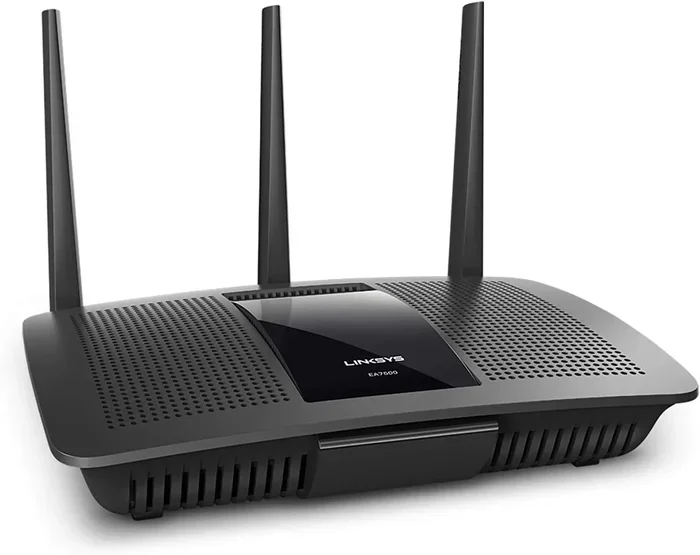
A Wi-Fi extender is a simple device. It receives an existing wireless signal and then rebroadcasts it. Think of it like a megaphone for your internet connection. The extender picks up the weak signal from a campground router. It amplifies that signal. Then it sends the boosted version to your RV.
Most extenders have two radios inside. One radio listens to the source signal. The other radio sends out the extended signal. This process is called repeating. Some extenders also boost the signal strength. This means your devices can connect from farther away than they normally could.
The Basic Technology Behind Signal Boosting
Here is how the process works step by step:
- The campground router sends out a wireless signal.
- Your extender catches that signal using its antenna.
- The extender processes and strengthens the signal.
- The extender rebroadcasts the improved signal inside your RV.
- Your phone, laptop, or tablet connects to the extended network.
It sounds simple, and it mostly is. But real-world conditions can complicate things. Walls, distance, interference from other devices, and the quality of the original signal all play a role. This is why RV Wi-Fi signal boosters are not magic wands. They work within the limits of what the source signal can provide.
Why RVs Face Unique Wi-Fi Challenges
RVs deal with problems that homes never face. You are constantly moving. You connect to different networks every few days. The signal strength varies wildly from site to site. And your rig itself can block signals. Metal walls, fiberglass shells, and tinted windows all weaken Wi-Fi coverage for RV setups.
Another challenge is distance. Campground routers are often placed in central locations. They are designed to cover a large area. That means the signal is already weak by the time it reaches the back of the park. A signal range extender helps bridge that gap.
Types of Wi-Fi Extenders for RVs
Not all extenders are built the same. There are three main types that RVers use. Each has its own strengths and weaknesses. Let us look at them in detail.
Portable Wi-Fi Extenders
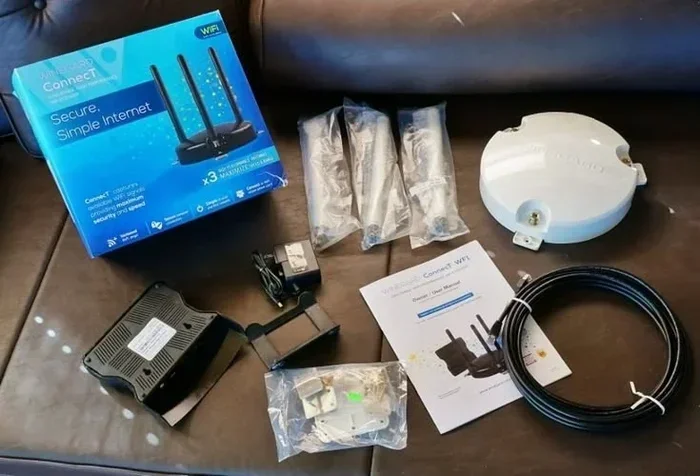
Portable extenders are the most popular choice for RVers. They are small, lightweight, and easy to set up. You plug them into a power outlet inside your rig. They connect to the campground network. And they create a stronger, more reliable signal for your devices.
Popular brands like WeBoost and ALFA Network make portable models designed specifically for mobile use. These devices often come with adjustable antennas. That means you can point the antenna toward the campground router for a better connection.
Built-In RV Wi-Fi Systems
Some newer RVs come with built-in Wi-Fi systems. These are factory-installed routers and antennas. They are integrated into the RV design from the start. While convenient, built-in systems are often basic. They may not have the range or power of a dedicated RV internet booster.
If your RV has a built-in system, you can still add an external extender. This gives you the best of both worlds. The built-in system handles basic needs. The extender boosts weak signals when needed.
Long-Range Wi-Fi Antennas
Long-range antennas are a different beast. These are directional antennas that focus on pulling in signal from far away. They work great when the campground router is far from your site. You mount the antenna on the roof or outside the RV. Then you run a cable inside to your router or extender.
These antennas can pick up signals that a standard extender cannot reach. They are especially useful in large campgrounds or rural areas. However, they require more setup and installation effort. They are also more expensive than portable options.
Do Wi-Fi Extenders Really Work for RVs?
This is the question everyone wants answered. And the honest answer is: it depends. Do Wi-Fi extenders work for RVs? Yes, but their effectiveness depends on several factors.
What to Expect in Campgrounds
In most campgrounds, a Wi-Fi booster for travel will noticeably improve your connection. You will see stronger signal bars. Streaming will buffer less. Video calls will be smoother. These are real, tangible improvements that make life on the road much better.
However, there are limits. If the campground Wi-Fi itself is slow or overloaded, an extender cannot fix that. An extender boosts the signal strength. It does not increase the internet speed coming from the source. Think of it this way: an extender gives you a bigger pipe, but the water pressure is still determined by the source.
Real-World Performance Scenarios
Let us look at a few real-world examples:
- Scenario 1: You are parked 50 feet from the campground router. The signal is weak but present. An extender picks it up and doubles the strength. Result: excellent improvement.
- Scenario 2: You are in a remote campground with a very weak signal. The extender captures what it can and rebroadcasts it. Result: moderate improvement. You can browse and email, but streaming may still struggle.
- Scenario 3: The campground router is down or has no internet connection. The extender picks up the network name but there is no actual internet. Result: no improvement. The extender cannot create internet from nothing.
These scenarios show why managing expectations is important. An extender is a tool, not a miracle solution. It works best when the source signal exists but is weak.
Best Wi-Fi Extenders for RVs in 2024
The market is full of options. Choosing the right one can feel overwhelming. Here are some of the best RV WiFi extender reviews to help you decide.
Top Picks by Budget
You do not need to spend a fortune to get good results. Here are solid options at different price points:
- Budget Pick: The ALFA CampPro 2 is affordable and effective. It offers long-range performance and easy setup. It is a great starter option for casual RVer.
- Mid-Range Pick: The WeBoost Drive Reach RV is a popular choice. It provides strong signal boosting and works well in most campground situations.
- Premium Pick: The Pepwave Surf SOHO is a full-featured router and extender combined. It offers advanced settings and excellent performance for full-time RVer.
Features to Look For
When shopping for an RV internet connectivity solution, look for these features:
- Dual-band support: This means the extender works on both 2.4 GHz and 5 GHz frequencies. More flexibility means better performance.
- Adjustable antenna: You can aim the antenna toward the source signal. This makes a big difference in weak signal areas.
- Compact size: RV space is limited. A small, lightweight extender is much easier to store and position.
- Easy setup: You want something you can set up in minutes, not hours. Look for extenders with simple apps or web interfaces.
- Low power consumption: RVs run on battery and solar. An extender that draws minimal power is a smart choice.
Quick Tip: Before buying any extender, check if your campground offers a Wi-Fi directory or signal map. Some parks publish signal strength data for each site. This helps you choose the right extender for your specific needs.
Common Mistakes RVers Make With Wi-Fi Extenders
Even the best extender will underperform if you make setup mistakes. Here are the most common errors RVers make with their mobile internet for RV setups.
Wrong Placement and Setup Errors
Where you place your extender matters more than you think. Many RVers tuck it behind a TV or inside a cabinet. This blocks the signal and defeats the purpose. Your extender needs a clear line of sight to the campground router.
Place your extender near a window if possible. The exterior walls of an RV are the biggest signal blockers. A window-facing position reduces interference. Elevate the extender if you can. Higher placement often means better reception.
Another common mistake is not updating the firmware. Just like your phone or laptop, extenders need software updates. These updates improve performance and fix bugs. Check for updates regularly, especially after a firmware release.
Ignoring Other Connectivity Options
Relying solely on a Wi-Fi extender is limiting. There are other ways to stay connected on the road. Cellular hotspots use mobile networks to provide internet. They work in areas where campground Wi-Fi does not exist at all.
Some RVer combine a cellular hotspot with a Wi-Fi extender. This gives them backup internet when the campground signal is weak. It is the most reliable approach for full-time travelers. A mesh network for RV setup can also help distribute the connection throughout your rig.
Expert Tips for Better RV Wi-Fi
Getting the most out of your RV WiFi extender takes a little know-how. Here are some expert-backed tips that make a real difference.
Combining Extenders With Other Solutions
The best RV connectivity solutions use multiple tools together. A long-range Wi-Fi antenna on the roof pulls in weak signals from far away. An extender inside the RV rebroadcasts that signal to your devices. A cellular hotspot provides backup when Wi-Fi is unavailable.
This layered approach ensures you have a connection in almost any situation. It costs more than a single extender. But for serious RVer, the reliability is worth it.
Maximizing Signal Strength on the Road
Here are practical steps to get the best signal every time you park:
- Park close to the campground router. Even 20 extra feet can make a big difference.
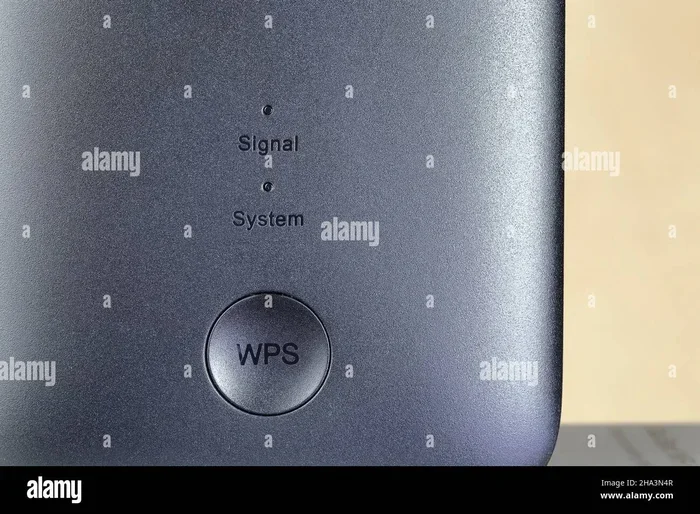
- Face your extender toward the source. Most extenders have indicator lights that show signal strength. Adjust until the lights are strongest.
- Minimize interference. Keep the extender away from microwaves, refrigerators, and other electronics that cause signal disruption.
- Restart regularly. A simple restart can fix many connection issues. Power down your extender every few days.
- Use a Wi-Fi analyzer app. These free apps show you which channels are least crowded. Switching to a less congested channel improves speed.
These small steps add up. You will notice a difference in your connection quality almost immediately.
The Bottom Line on Wi-Fi Extenders for RVs
So, do Wi-Fi extenders work for RVs? Absolutely. They are one of the most practical and affordable ways to improve your internet on the road. A good extender turns a frustrating, weak signal into a usable connection for browsing, streaming, and working remotely.
But an extender is just one piece of the puzzle. The best approach combines the right hardware, smart placement, and a backup plan. Whether you are a weekend camper or a full-time RVer, investing in RV internet connectivity solutions pays off in spades.
The technology has come a long way in recent years. Extenders are smaller, faster, and easier to use than ever before. You do not need to be a tech expert to set one up. With the right device and a little patience, you can stay connected almost anywhere you park.
Start with a reliable portable extender. Test it at your next campground. Add a long-range antenna if you need more reach. And always keep a cellular hotspot as your backup. This combination covers virtually every situation you will face on the road.
Your next road trip does not have to mean disconnecting from the world. With the right Wi-Fi extender for RV, you can enjoy the freedom of the open road without sacrificing your connection. Happy travels.
Frequently Asked Questions
Can a Wi-Fi extender improve slow campground internet?
A Wi-Fi extender boosts signal strength, not speed. If the campground internet is slow because of a weak signal, an extender can help. But if the source speed is slow, the extender cannot make it faster. Think of it as making a small pipe bigger, not turning a trickle into a waterfall.
What is the best Wi-Fi extender for full-time RVers?
Full-time RVer often need the most reliable setup. A combination of a long-range antenna, a quality extender, and a cellular hotspot works best. Brands like WeBoost and Pepwave are popular among full-time travelers. The right choice depends on your camping habits and budget.
Do I need special equipment to use a Wi-Fi extender in my RV?
Most portable extenders work right out of the box. You just plug them in and connect. Long-range antennas may need a mounting bracket and a cable run. Some extenders also benefit from a router that supports repeater mode. Basic equipment is all you need to get started.
Will a Wi-Fi extender work at any campground?
An extender works wherever there is a Wi-Fi signal to boost. If the campground has no Wi-Fi at all, the extender will not help. In most campgrounds, even weak signals can be improved with an extender. Rural or remote campgrounds may have no signal to extend.
How far can a Wi-Fi extender reach from the campground router?
This depends on the extender model and the original signal strength. A good RV extender can effectively double or triple your range. Some long-range setups can pull in signals from 300 feet or more. Your results will vary based on obstacles and interference.
Is a Wi-Fi extender the same as a Wi-Fi booster or repeater?
Yes, these terms are used interchangeably. A booster, extender, and repeater all do the same basic job. They capture an existing signal and send it out again. Some brands use different names for marketing purposes. Look at the specs and reviews to find the best device for your needs.
=== CONCLUSION ===
Do Wi-Fi extenders work for RVs? The answer is a clear yes. They are effective, affordable, and easy to use. Whether you are parked at a crowded state park or a quiet forest campground, the right extender can transform your internet experience. Combine it with smart placement and a cellular backup, and you will stay connected almost anywhere. The open road does not have to mean the end of reliable internet. With the right RV Wi-Fi signal booster setup, you can explore with confidence and stay connected to what matters most.