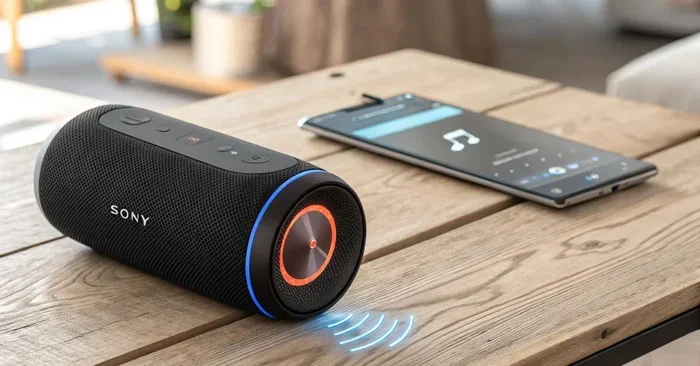
Do Wireless Speakers Sound As Good As Wired Options
Wireless speakers have come a long way, but do they truly match wired sound quality? The answer depends on your listening environment, the wireless speaker technology you use, and what you expect from your audio. This guide breaks down the real differences in wireless vs wired speaker sound quality to help you make a confident choice.
Wireless speakers have changed the way we listen to music at home, in the office, and on the go. But a question keeps popping up: do wireless speakers sound as good as wired ones? The short answer is: it depends. And the longer answer is what this entire article covers.
For years, wired speakers were the only option for serious audio. They delivered clean, uncompressed sound directly from the source. Then Bluetooth came along and changed everything. Today, wireless speakers are everywhere. They sit on desks, hang in kitchens, and even go swimming with you. But convenience does not always mean better sound.
In this guide, we will break down the real differences between wireless and wired speakers. We will look at sound quality, range, latency, and more. By the end, you will know exactly which option fits your needs. Whether you are setting up a home theater or just want music in the shower, this guide has you covered.
Key Takeaways
- Wireless speakers are convenient: They offer easy setup and portability without messy cables.
- Wired speakers still lead in pure sound: They deliver uncompressed audio with zero latency.
- Bluetooth codecs matter: The codec your speaker uses affects wireless audio quality significantly.
- Wi-Fi speakers close the gap: They stream higher-quality audio than Bluetooth options.
- Your use case decides the winner: Casual listening favors wireless; critical listening favors wired.
- Signal interference is real: Wireless speakers can lose quality in crowded signal environments.
- Upgrade options exist: You can make older wired speakers wireless with simple adapters.
📑 Table of Contents
- How Wireless Speakers Work
- Sound Quality: Wireless vs Wired
- What Affects Wireless Speaker Sound Quality
- When Wireless Speakers Are the Better Choice
- When Wired Speakers Still Win
- Comparison Table: Wireless vs Wired Speakers
- Quick Tips to Improve Wireless Speaker Sound
- Common Mistakes People Make with Wireless Speakers
- Expert Insights
- Final Verdict: Which Should You Choose?
How Wireless Speakers Work
Before we compare sound quality, it helps to understand what is happening behind the scenes. Wireless speakers receive audio signals without a physical cable. They use different technologies to do this, and each one affects sound quality differently.
Bluetooth Speakers
Bluetooth is the most common wireless connection type. It sends audio through radio waves between your phone, tablet, or computer and the speaker. The range is usually around 30 feet. Bluetooth speakers are popular because they are easy to pair and work with almost any device.
But Bluetooth compresses audio to save bandwidth. This compression can reduce sound quality. High-frequency details and deep bass can get lost. That said, newer Bluetooth versions like 5.0 and 5.3 have improved this a lot. The wireless speaker range and stability have also gotten much better over time.
Wi-Fi Speakers
Wi-Fi speakers connect to your home network instead of pairing directly with a device. This means they can stream higher-quality audio. Wi-Fi speakers support lossless audio formats that Bluetooth cannot handle. They also tend to have a wider range since they connect to your router.
If you have ever wondered whether wireless Wi-Fi can work anywhere, the answer is no. Wi-Fi speakers need a strong network signal. Walls, distance, and interference can all weaken the connection. But for most homes, Wi-Fi speakers deliver excellent sound with very little loss.
Other Wireless Technologies
There are other wireless options too. Some speakers use proprietary wireless protocols that offer better quality than standard Bluetooth. AirPlay and Chromecast are examples. These technologies stream audio over your local network and often sound better than Bluetooth alone.
Sound Quality: Wireless vs Wired
This is the big question everyone wants answered. Let us break it down by the factors that actually matter for sound quality.
Audio Compression
Wired speakers receive a full, uncompressed audio signal. Every detail of the original recording reaches your ears. Wired speaker connections do not compress the audio at all. This is why audiophiles still prefer them for critical listening.
Wireless speakers, on the other hand, compress audio to send it through the air. Bluetooth uses codecs like SBC, AAC, and aptX to do this. Each codec removes some audio data. The better the codec, the less data is lost. But even the best Bluetooth codec cannot match the quality of a direct wired connection.
Frequency Response
Frequency response refers to how well a speaker reproduces low, mid, and high frequencies. Both wireless and wired speakers can have excellent frequency response. The difference comes down to the speaker itself, not the connection type.
A high-end wireless speaker with good drivers can sound amazing. A cheap wired speaker can sound terrible. Speaker driver size and build quality matter more than whether the connection is wireless or wired. Do not assume wired always means better frequency response.
Latency and Timing
Latency is the delay between when audio is sent and when you hear it. Wired speakers have almost zero latency. The signal travels through the cable instantly. Wireless audio latency is higher, especially with Bluetooth.
For most music listening, latency does not matter much. But for watching videos or playing games, it can be noticeable. You might see lips move before you hear the sound. Wi-Fi speakers tend to have lower latency than Bluetooth ones, but they still have some delay.
Signal Interference
Wireless signals can face interference from other devices. Microwaves, baby monitors, and even your neighbor’s Wi-Fi can all cause problems. This interference can lead to dropouts, static, or reduced audio quality. Wired speakers do not have this problem because the signal stays inside the cable.
If you live in a crowded apartment building or office, signal interference could be a real issue. A wireless speaker might sound fine one moment and crackle the next. This inconsistency is something wired speakers simply do not have.
What Affects Wireless Speaker Sound Quality
Not all wireless speakers sound the same. Several factors determine how good your wireless audio experience will be.
Bluetooth Codec Quality
The codec is the method used to compress and send audio wirelessly. Here are the main ones:
- SBC: The default Bluetooth codec. It works with all devices but offers basic sound quality.
- AAC: Common on Apple devices. It sounds better than SBC but still compresses audio.
- aptX: Offers much better quality than SBC and AAC. Found on many Android devices.
- aptX HD and aptX Adaptive: These support near-lossless quality. They are the best Bluetooth has to offer.
- LDAC: Sony’s codec that supports very high-quality wireless audio. It comes close to wired quality.
If your phone and speaker both support a good codec, your wireless speaker sound quality will be much better. Always check codec compatibility before buying.
Speaker Hardware
The connection type is only one piece of the puzzle. The speaker’s internal hardware matters just as much. Driver size, amplifier quality, cabinet design, and port configuration all shape the final sound.
A well-built wireless speaker with large drivers and a good amplifier can outperform a cheap wired setup. This is why some wireless speakers sound incredible while others sound thin and weak. Always judge a speaker by its build and components, not just its connection type.
Placement and Environment
Where you place your speaker matters a lot. Walls, corners, and furniture can all affect how sound travels. Wireless speakers are often placed in less-than-ideal spots because there is no cable to worry about.
Wired speakers tend to stay in fixed positions, which means you can optimize their placement for the best sound. With wireless speakers, you might move them from room to room, and each room will sound a little different.
Distance from the Source
The farther you are from the speaker, the weaker the signal becomes. This can lead to reduced audio quality or dropouts. Most Bluetooth speakers work well within 30 feet. Beyond that, you may notice problems.
Wired speakers do not have distance limitations. As long as the cable reaches, the sound stays the same. This consistency is one reason why wired speakers still hold an edge in certain situations.
When Wireless Speakers Are the Better Choice
Wireless speakers are not just a compromise. In many situations, they are actually the better option. Here is when you should choose wireless.
Portability and Convenience
If you want music in every room, wireless speakers win hands down. You can carry a Bluetooth speaker from the kitchen to the patio without unplugging anything. No cables to trip over. No outlets to find.
This convenience is huge for parties, outdoor gatherings, and everyday use. Many modern wireless speakers are also waterproof and shockproof. You can take them to the beach, the pool, or on a hike. Wired speakers simply cannot offer this level of flexibility.
Multi-Room Audio
Wi-Fi speakers make it easy to play music in multiple rooms at once. Systems like Sonos, Google Home, and Apple HomePod let you sync speakers throughout your home. You control everything from one app.
Setting up a multi-room wired system requires running cables through walls and ceilings. It is expensive and complicated. Wireless multi-room setups are simple and scalable. You can add more speakers whenever you want.
Quick Setup
Pairing a wireless speaker takes seconds. You turn it on, tap connect on your phone, and you are done. No tools needed. No technical knowledge required.
Wired setups can take more time. You may need to run cables, configure audio settings, and manage connections. For people who want simple and fast, wireless is the clear winner.
Making Old Speakers Wireless
Did you know you can upgrade older wired speakers to wireless? You do not need to buy all new equipment. A simple Bluetooth adapter can make old wired speakers wireless. This is a great way to breathe new life into quality speakers you already own.
Some people even wonder if they can make their old Bose speakers wireless. The answer is yes, in most cases. Bluetooth adapters and wireless transmitters work with many speaker brands. Check compatibility before buying an adapter, though.
When Wired Speakers Still Win
Despite the convenience of wireless, wired speakers still have clear advantages in certain areas.
Pure Sound Quality
If absolute sound quality is your top priority, wired speakers win. They deliver uncompressed audio with no loss. Every detail, every nuance, every subtle note reaches your ears exactly as the artist intended.
This matters most for critical listening, studio work, and audiophile setups. If you spend hours listening to music and want the best possible experience, wired is still the way to go. Wireless speaker technology is improving, but it has not fully closed the gap yet.
Zero Latency
For video editing, gaming, and live performances, zero latency is essential. Wired connections deliver instant audio. There is no delay, no sync issues, and no frustration.
Wireless latency might be fine for casual music listening. But for anything that requires precise audio timing, wired is far superior. Professional studios still rely almost entirely on wired setups for this reason.
Reliability
Wired connections are rock solid. There is no signal dropout, no interference, and no range limit. You plug in the cable, and the sound is always consistent.
Wireless connections can be finicky. Signal drops, interference, and connection drops can all disrupt your listening. For environments where reliability is critical, wired speakers are the safer choice.
No Battery Concerns
Wired speakers plug into power, so they never run out of battery. You can play music all day and all night without interruption.
Wireless speakers need to be charged. Battery life varies, but most last between 8 and 20 hours. Once the battery dies, you need to find the charging cable and wait. This is a minor inconvenience, but it matters for long listening sessions or events.
Comparison Table: Wireless vs Wired Speakers
| Feature | Wireless Speakers | Wired Speakers |
|---|---|---|
| Sound Quality | Good to excellent (depends on codec) | Excellent (uncompressed) |
| Convenience | Very high | Low (cables required) |
| Portability | Excellent | Poor |
| Latency | Low to moderate | Near zero |
| Range | 15-100 feet | Unlimited (cable length) |
| Setup Time | Seconds | Minutes to hours |
| Signal Interference | Possible | None |
| Battery Required | Yes | No |
| Multi-Room Capability | Excellent (Wi-Fi models) | Poor |
| Cost | Wide range | Wide range |
Quick Tips to Improve Wireless Speaker Sound
Want to get the best sound from your wireless speaker? Try these tips:
- Keep the speaker close to your device. The closer you are, the stronger the signal and the better the sound.
- Use speakers that support aptX or LDAC. These codecs deliver much better quality than standard Bluetooth.
- Place the speaker in an open area. Walls and corners can muffle sound and weaken the signal.
- Update your speaker’s firmware. Manufacturers often release updates that improve audio performance.
- Avoid interference from other devices. Keep your speaker away from microwaves, baby monitors, and other wireless devices.
- Use a Wi-Fi speaker for home use. Wi-Fi speakers stream higher-quality audio than Bluetooth models.
Common Mistakes People Make with Wireless Speakers
Avoid these common pitfalls to get the most out of your wireless setup:
- Ignoring codec support. Not all devices support the same codecs. Check compatibility before buying.
- Placing speakers too far from the source. Distance weakens the signal and reduces quality.
- Expecting wireless to match premium wired setups. Even the best wireless speaker has some compression loss.
- Neglecting firmware updates. Updates can improve sound quality and fix bugs.
- Overlooking Wi-Fi options. Many people default to Bluetooth when Wi-Fi speakers would sound much better.
- Assuming all wireless speakers are the same. Speaker hardware matters just as much as the connection type.
Expert Insights
Audio engineers often say that the connection type matters less than the speaker itself. A well-designed wireless speaker with quality drivers and a good amplifier can sound fantastic. A poorly designed wired speaker will sound bad no matter how good the cable is.
That said, for critical listening and professional use, wired connections remain the gold standard. They offer uncompromised audio quality and total reliability. For everyday listening and casual use, modern wireless speakers are more than good enough for most people.
If you are torn between the two, consider getting both. Use wireless speakers for convenience and portability. Keep a wired setup for your dedicated listening room or home theater. This way, you get the best of both worlds.
Final Verdict: Which Should You Choose?
So, do wireless speakers sound as good as wired options? The honest answer is: they come close, but they are not quite there yet. For most everyday listening situations, a good wireless speaker will sound great and offer far more convenience.
If you are an audiophile, a professional musician, or someone who demands the absolute best sound, wired speakers still have the edge. But for casual listening, parties, outdoor events, and multi-room setups, wireless speakers are hard to beat.
The technology is improving fast. Each new generation of Bluetooth and Wi-Fi speakers brings us closer to wired quality. In a few years, the difference may be nearly impossible to hear for most listeners. Until then, choose based on your needs, budget, and listening habits.
One last tip: if you have quality wired speakers at home, you do not need to replace them. You can add a simple Bluetooth adapter and make them wireless. This gives you the best of both worlds without spending a fortune on new gear.
At the end of the day, the best speaker is the one that fits your life. Whether it is wireless or wired, what matters most is that you enjoy the music.
Frequently Asked Questions
Do wireless speakers lose sound quality compared to wired ones?
Wireless speakers do lose some sound quality because they compress audio to transmit it without cables. Bluetooth speakers especially compress more than Wi-Fi speakers. However, the difference is small for most casual listeners. High-quality codecs like aptX and LDAC minimize this loss significantly.
Can you make a wired speaker wireless?
Yes, you can make a wired speaker wireless by adding a Bluetooth adapter or wireless transmitter. These devices plug into the speaker’s input and receive audio from your phone or computer. This is a great way to upgrade older speakers without buying new ones.
Are Wi-Fi speakers better than Bluetooth speakers?
Wi-Fi speakers generally offer better sound quality than Bluetooth speakers. They support higher-quality audio formats and have less compression. Wi-Fi speakers also tend to have a wider range and more stable connections. However, they require a strong home network to work well.
Why do wireless speakers have latency?
Wireless speakers have latency because audio data needs time to compress, transmit, and decompress. Bluetooth is the main culprit since it uses heavy compression. Wi-Fi speakers have less latency but still some delay. Wired speakers have almost no latency because the signal travels directly through the cable.
Do expensive wireless speakers sound as good as cheap wired ones?
Expensive wireless speakers can sound as good as or better than cheap wired ones. Speaker quality depends more on the internal components than the connection type. A premium wireless speaker with quality drivers will outperform a budget wired speaker easily.
What is the best wireless speaker for sound quality?
The best wireless speaker for sound quality depends on your budget and needs. Speakers that support aptX HD, LDAC, or Wi-Fi streaming tend to offer the best wireless sound. Brands like Sonos, Bose, and Sony are known for high-quality wireless speakers. Always check codec support and driver quality when choosing.
=== CONCLUSION ===
Do wireless speakers sound as good as wired options? The answer is nuanced. Wireless speakers have improved dramatically and now deliver excellent sound for most people. But wired speakers still hold a slight edge in pure audio quality, latency, and reliability.
Your choice should depend on how and where you listen. If convenience and portability matter most, go wireless. If absolute sound quality is your priority, stick with wired. And remember, you can always bridge the gap with adapters and upgrades.
The world of audio is evolving fast. Wireless technology is closing the gap every year. Whatever you choose today, you are getting great options either way. The most important thing is to enjoy your music, however you play it.