How Do I Log Into Google To Quickly Reset My Password
Forgetting your Google password can be frustrating, but logging into your Google account to reset it is faster than you think. This guide walks you through the exact steps to log into Google and quickly reset your password using your phone, recovery email, or security questions. You will learn how to handle locked accounts, avoid common mistakes, and keep your Google account secure going forward.
We have all been there. You sit down at your computer or pick up your phone, ready to get something done, and then it hits you. You cannot remember your password. The login screen stares back at you, and suddenly your whole day feels stuck. Your Google account holds so much of your digital life. Emails, photos, documents, calendar events, and search history all live behind that one password. Losing access to it can feel like losing a key to your entire digital home.
The good news is that how do I log into Google to quickly reset my password is a question with a straightforward answer. You do not need to be a tech expert. You do not need to call support or wait days for help. In most cases, you can regain access within minutes. This guide will walk you through every step, from the initial sign-in page to creating a strong new password. We will also cover what to do if things do not go smoothly, how to prevent lockouts in the future, and the best practices for keeping your Google account safe.
Whether you forgot your password, got locked out after too many failed attempts, or suspect someone else has access to your account, this article has you covered. Let us dive right in and get you back into your Google account.
Key Takeaways
- You can reset your Google password in just a few minutes by following the official recovery process on the Google sign-in page.
- Keep your recovery email and phone number updated so you always have a backup way to regain access.
- Two-factor authentication adds a critical layer of security and makes it much harder for anyone else to access your account.
- Avoid common mistakes like using weak passwords or skipping recovery options, which can lead to permanent lockouts.
- Google offers multiple account recovery paths, including security questions, backup codes, and direct support for difficult cases.
- Regularly reviewing your Google account settings helps you stay ahead of potential security threats.
- The entire password reset process works on any device, whether you are on a phone, tablet, or computer.
📑 Table of Contents
- How Do I Log Into Google To Quickly Reset My Password?
- Why You Might Get Locked Out of Your Google Account
- Tips to Keep Your Google Account Secure After Reset
- What to Do When Nothing Else Works
- Common Mistakes to Avoid During Password Reset
- Expert Insights on Google Account Security
- Final Thoughts on Google Password Recovery
How Do I Log Into Google To Quickly Reset My Password?
The process to log into Google and reset your password is designed to be simple and fast. Google wants to help you get back in safely. They have built a recovery system that works across all devices and browsers. The key is knowing exactly where to go and what steps to follow. You do not need to guess or try random tricks. There is one clear path that works for almost everyone.
Here is the big picture of what happens. You go to the Google sign-in page. You enter your email or username. Then you click the “Forgot password” link. Google will ask you to verify your identity. It might send a code to your phone or recovery email. Once you confirm it is really you, you can create a new password. That is it. The entire process usually takes less than five minutes.
But the details matter. Each step has small choices that can make the process smoother or slower. Let us walk through them one by one so you can move through confidently.
Step 1: Go to the Google Sign-In Page
Open your web browser and go to the Google account sign-in page. You can type “accounts.google.com” directly into the address bar. This is the official and safest place to start. Do not click links from random emails or messages. Always go directly to Google’s official page to avoid phishing scams.
Once you are on the sign-in page, you will see a field asking for your email address. Type in the full email address associated with your Google account. This could be your Gmail address or any other Google account email you use.
Step 2: Click “Forgot Password”
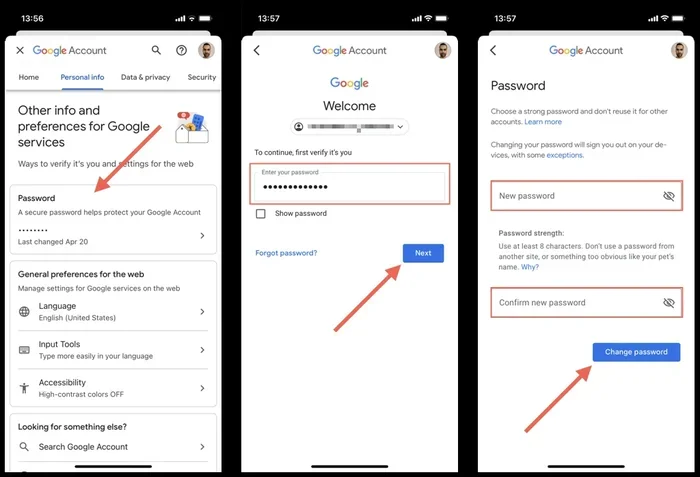
After you enter your email, click the “Next” button. Then, right below the password field, you will see a link that says “Forgot password?” Click on it. This is the gateway to the password recovery process. Do not keep typing passwords trying to guess it. That will only lock your account further.
Google will then ask how you want to recover your account. You may see options like getting a code by text message, using your recovery email, or answering security questions. Choose whichever option you have access to right now.
Step 3: Verify Your Identity
This is the most important step. Google needs to make sure you are the real owner of the account. If you chose to get a text code, check your phone for a message from Google. The code is usually six digits. Enter it into the box on the screen.
If you do not have your phone handy, you can choose the recovery email option instead. Google will send a code to that alternate email address. Check that inbox and enter the code. If you set up security questions earlier, you may be asked to answer those as well. The more recovery options you have set up, the easier this step becomes.
Step 4: Create a New Password
Once Google verifies your identity, you will be prompted to create a new password. This is your chance to start fresh. Type in a strong password that you can remember but that others cannot guess easily. A good password is at least 12 characters long and includes a mix of uppercase letters, lowercase letters, numbers, and symbols.
Do not reuse an old password. Do not use something simple like “password123” or your birthday. Google will tell you how strong your new password is as you type. Aim for the “strong” rating. Once you enter the new password twice to confirm it, click “Change password.” You are now back in your Google account with a fresh start.
Why You Might Get Locked Out of Your Google Account
Understanding why lockouts happen can help you prevent them in the future. Several common reasons can block you from signing into your Google account. Let us look at the most frequent ones.
Too Many Failed Login Attempts
If you try to sign in and get the password wrong several times, Google will temporarily lock your account. This is a security feature. It protects you from someone else trying to break in. When this happens, you will see a message saying the account is temporarily disabled. You will need to wait a short time or go through the recovery process to unlock it.
Expired or Outdated Recovery Information
If you set up recovery options a long time ago and never updated them, they may no longer work. Maybe your old phone number has changed. Maybe the recovery email address is no longer accessible. Google relies on this information to confirm your identity. If it is outdated, the recovery process becomes much harder. This is one of the most common reasons people struggle to regain access.
Two-Factor Authentication Issues
Two-factor authentication is a great security tool. But it can also cause problems if you lose access to your second factor. For example, if you reset your phone and did not back up your two-factor codes, you might not be able to receive the verification text. Always keep backup codes saved in a safe place. Google lets you generate these codes in your account settings.
Account Hacked or Compromised
Sometimes a lockout happens because someone else gained access to your account. They may have changed your password and your recovery information. If you suspect this has happened, act quickly. Use the Google account recovery form and answer as many verification questions as you can. Google takes account hijacking seriously and will work to help you regain control.
Tips to Keep Your Google Account Secure After Reset
Resetting your password is a great moment to review your overall account security. You are already in the settings. Take a few extra minutes to make your account stronger.
Enable Two-Factor Authentication
Two-factor authentication, often called 2FA, adds a second layer of protection. Even if someone learns your password, they still cannot get in without the second verification step. Google offers several 2FA options. You can use text messages, an authenticator app, or a physical security key. The authenticator app option is the most secure and convenient. Apps like Google Authenticator or Authy generate time-based codes that refresh every 30 seconds.
Update Your Recovery Email and Phone Number
Make sure your recovery email and phone number are current. If you changed your phone number recently, update it in your Google account settings. The same goes for your recovery email. Having accurate recovery information means you will always have a way back in if you forget your password again. Go to your Google account settings, find the “Security” section, and update your contact information there.
Use a Password Manager
One of the best ways to avoid forgetting your password is to use a password manager. Tools like Google’s built-in password manager, Bitwarden, or LastPass store your passwords securely. You only need to remember one master password. The manager handles the rest. It can also generate strong, random passwords for you so you do not have to come up with them yourself.
Review Your Active Sessions
Google lets you see all the devices and locations where your account is currently signed in. Go to your Google account security settings and check the “Your Devices” section. If you see a device you do not recognize, sign out of it. This is especially important after a password reset. You want to make sure no old sessions are still active.
What to Do When Nothing Else Works
Sometimes the standard recovery process does not work. Maybe you no longer have access to your recovery email or phone number. Maybe Google asks for information you cannot provide. In these situations, do not panic. You still have options.
Use the Google Account Recovery Form
Google has a dedicated account recovery form for difficult cases. You can find it by going to the Google account recovery page and following the prompts. The form will ask you a series of questions about your account. You might be asked when you created the account, what services you use, or what passwords you used in the past. Answer as many questions as you can. Be as accurate as possible. Even partial answers can help Google verify your identity.
Contact Google Support Directly
If the recovery form does not resolve your issue, you can reach out to Google support. Google does not offer a traditional phone support line for most account issues. But you can use their help community forums, where volunteers and Google staff assist users. You can also submit feedback through the Google Help page. Be patient and clear in your description of the problem. Include as much detail as possible about your account and the steps you have already taken.
Wait and Try Again
If your account is temporarily locked due to too many failed attempts, sometimes the best thing to do is wait. Google usually lifts temporary locks after a set period, which can range from a few hours to 24 hours. During this time, gather any information you need for the recovery process. Have your recovery email open. Have your phone nearby. When the lock period ends, try again with the correct steps.
Quick Tips for a Smooth Password Reset
- Always use the official Google sign-in page. Avoid third-party sites that claim to help reset passwords.
- Have your recovery phone and email ready. Keep them nearby before you start the reset process.
- Use a strong, unique password. Do not reuse passwords from other accounts.
- Write down your new password and store it safely. A physical notebook in a secure place works well.
- Clear your browser cache if the reset page does not load properly. Sometimes old cached data causes issues.
- Try a different browser or device if you get stuck. This can bypass local glitches.
Common Mistakes to Avoid During Password Reset
Even when the process is simple, people make mistakes that slow things down or cause bigger problems. Here are the most common ones to watch out for.
- Clicking on suspicious links in emails. Phishing emails often pretend to be from Google. Always navigate directly to Google’s official site.
- Using a weak new password. Do not just add a “1” to your old password. Make a real change.
- Ignoring recovery options. If Google offers to send a code to your recovery email, take that option. Do not skip it.
- Not signing out of other devices. After resetting, sign out of all other sessions to protect your account.
- Giving up too quickly. The recovery process can feel tedious. Stay patient and go through each step carefully.
Expert Insights on Google Account Security
Security experts recommend treating your Google account like the digital vault it is. Your email is the gateway to almost everything else online. If someone gets into your Google account, they can reset passwords for your bank, social media, shopping sites, and more. That is why taking password security seriously is not optional. It is essential.
Cybersecurity professionals suggest reviewing your Google account security settings at least once every few months. Check that your recovery information is current. Make sure two-factor authentication is turned on. Review the list of apps and services connected to your Google account and remove any you no longer use. These small habits add up to a much stronger defense against unauthorized access.
Another expert tip is to create a dedicated recovery email address that you use only for account recovery purposes. This email should have its own strong, unique password. Keeping it separate from your primary email adds an extra layer of protection. If someone ever gains access to your main email, they will not automatically have access to your recovery email as well.
Final Thoughts on Google Password Recovery
Losing access to your Google account is stressful. But it does not have to be a disaster. The process to log into Google and quickly reset your password is designed to be simple, fast, and secure. By following the steps in this guide, you can regain access in just a few minutes. You have learned how to navigate the sign-in page, use the forgot password tool, verify your identity, and create a strong new password.
More importantly, you now know how to prevent future lockouts. Keep your recovery information updated. Enable two-factor authentication. Use a password manager. Review your active sessions regularly. These habits will keep your Google account safe and accessible for years to come.
Remember, your Google account is the center of your digital life. Taking a few extra minutes to secure it is one of the best investments you can make. The next time you find yourself locked out, you will know exactly what to do. You will handle it with confidence and get back online in no time.
Now that you know the full process, bookmark the Google account recovery page. Share this guide with friends or family who might need it. And most importantly, take action today to strengthen your account security. A few small steps now can save you hours of trouble later.
Frequently Asked Questions
How long does it take to reset a Google password?
In most cases, the entire process takes less than five minutes. If you have your recovery phone or email ready, you can go through all the steps quickly. The only delay might be waiting for a text or email to arrive, which usually takes just a few seconds.
What should I do if I no longer have access to my recovery email or phone?
Use the Google account recovery form. It will ask you questions about your account history to verify your identity. Answer as many as you can accurately. If the form does not work, you can contact Google support through their help community forums.
Can I reset my Google password from my phone?
Yes, absolutely. The Google password reset process works on any device with a web browser. You can use your phone, tablet, or computer. Just go to the Google sign-in page and follow the same steps you would on a desktop.
Why does Google keep saying my account is locked?
Google locks accounts temporarily after too many failed login attempts. This is a security measure to protect you from unauthorized access. Wait for the lock period to end, then try again using the “Forgot password” recovery option.
Is it safe to reset my Google password on a public Wi-Fi network?
It is best to avoid resetting passwords on public Wi-Fi. These networks are less secure and could expose your information. If you must use public Wi-Fi, use a virtual private network (VPN) for added protection. Otherwise, wait until you are on a trusted, private network.
How can I make sure I do not forget my Google password again?
Use a password manager to store your password securely. Enable two-factor authentication so you always need a second verification step. Keep your recovery email and phone number up to date. And consider writing down your password in a secure physical location as a backup.
=== CONCLUSION ===
Logging into Google to quickly reset your password is easier than most people think. The process is built to be user-friendly and secure. You just need to know the right steps and have your recovery options ready. By following the guide above, you can regain access to your Google account in minutes and take steps to prevent future lockouts. Start today. Update your recovery information, turn on two-factor authentication, and give yourself peace of mind knowing your Google account is safe and accessible.