Do Noise Cancelling Headphones Really Protect Your Ears
Noise cancelling headphones reduce ambient sound, but they do not replace dedicated ear protection in loud environments. While ANC technology can lower your exposure to harmful noise, it is not rated or tested the way industrial ear protection is. Understanding the difference helps you make smarter choices for your hearing health.
We all love our noise cancelling headphones. They block out the world, let us focus, and make listening to music a better experience. But here is a question that does not get asked enough: do they actually protect your ears?
The short answer is no, not really. At least not the way dedicated ear protection does. Noise cancelling headphones are designed for comfort and audio quality, not for safeguarding your hearing in loud environments. That does not mean they have zero value. They can reduce your overall noise exposure in everyday situations. But if you are heading to a concert, a construction site, or a loud factory, your headphones alone will not cut it.
In this article, we will break down exactly how noise cancellation works, what the science says, and whether you should rely on your headphones for ear protection. We will also share practical tips to keep your hearing health in check. By the end, you will know exactly where your headphones stand and what else you might need.
Key Takeaways
- ANC reduces, but does not block: Active noise cancellation lowers background noise by 20-30 dB, which helps but falls short of proper ear protection.
- They are not NRR-rated: Noise cancelling headphones lack a Noise Reduction Rating, which is required for certified ear protection.
- Volume control matters most: The biggest risk to your ears is how loud you listen, not just the noise around you.
- Use both in extreme environments: In very loud settings, combining ANC headphones with earplugs offers the best protection.
- Hearing damage is cumulative: Repeated exposure to loud sounds causes permanent damage over time, even if you feel fine.
- Not all headphones are equal: Over-ear ANC models offer better isolation than in-ear or on-ear designs.
📑 Table of Contents
- What Are Noise Cancelling Headphones?
- Do Noise Cancelling Headphones Count As Ear Protection?
- How Loud Is Too Loud?
- Can Noise Cancelling Headphones Replace Earplugs?
- How to Protect Your Hearing While Using Headphones
- Expert Insights on Headphones and Hearing Health
- Common Mistakes People Make
- Quick Tips for Better Ear Safety
- Final Thoughts
What Are Noise Cancelling Headphones?
Noise cancelling headphones use built-in microphones and electronics to detect outside noise. They then produce an opposite sound wave to cancel it out. This process is called Active Noise Cancellation, or ANC for short. The result is a quieter listening experience without turning up the volume.
There are two main types of noise reduction at play here. The first is ANC, which we just covered. The second is passive noise isolation. Passive isolation happens when the physical design of the headphone blocks sound. Think of the snug fit of over-ear cushions or the seal of in-ear tips. Both types work together in most quality headphones.
How Active Noise Cancellation Works
ANC uses tiny microphones on the outside of the headphones to pick up ambient sound waves. A chip inside the headphone processes these sounds and creates a mirror image wave. When the original sound and the mirror wave meet, they cancel each other out. This is called destructive interference.
The technology is impressive. It works best on low, steady sounds like airplane engines, air conditioning, or the hum of a fan. It is less effective on sudden, sharp noises like a door slamming or someone shouting. So while ANC makes the world quieter, it does not make it silent.
Passive Isolation vs. Active Cancellation
Passive isolation is purely physical. It depends on the materials and fit of the headphone. A tight seal around your ear blocks sound waves from entering. This is similar to how earplugs work. Active cancellation adds an electronic layer on top of that.
Together, these two methods can reduce outside noise by about 20 to 30 decibels. That is helpful for daily life. But certified ear protection like industrial earmuffs can reduce noise by 30 or more decibels on its own. The difference matters when you are in truly loud environments.
Do Noise Cancelling Headphones Count As Ear Protection?
This is the big question. And the honest answer is: noise cancelling headphones do not count as ear protection in any official or certified sense. They are not tested, rated, or certified to protect your hearing the way safety equipment is.
Ear protection devices like foam earplugs and earmuffs come with a Noise Reduction Rating, or NRR. This rating is measured in a lab under controlled conditions. It tells you exactly how much noise the device blocks. Noise cancelling headphones have no such rating. They are consumer electronics, not safety gear.
Why Headphones Are Not Certified Hearing Protection
There are several reasons why noise cancelling headphones do not qualify as ear protection. First, they are not tested for impact noise or impulse sounds. These are sudden loud bursts, like gunshots or hammer strikes. Second, headphones sit on or around your ear, not inside the ear canal. This means they cannot create the same seal that earplugs do.
Third, the electronics in ANC headphones can actually introduce tiny amounts of noise. This is called residual noise or self-noise. It is very quiet and usually unnoticeable. But in a strict hearing protection context, any added sound is a concern. Finally, headphones are not designed to be worn for hours in extreme noise. The comfort and fit are optimized for leisure, not industrial safety.
When Noise Cancelling Headphones Help Your Ears
That does not mean noise cancelling headphones are useless for your ears. In fact, they can help in many everyday situations. Here are some examples where they make a real difference.
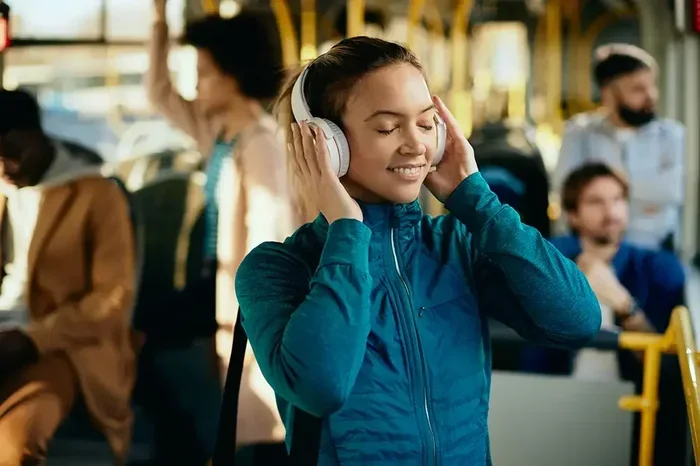
- Commuting on loud trains or buses: ANC reduces engine and crowd noise so you do not need to crank up the volume.
- Working in open offices: Background chatter and keyboard noise drop significantly, letting you focus at safer audio levels.
- Studying in noisy environments: Libraries, cafes, and dorm rooms can get loud. Headphones help you keep the volume low.
- Flying: Airplane cabins can reach 85 decibels or more. ANC headphones can reduce this by a meaningful amount.
In all these cases, the headphones help you avoid the #1 cause of hearing damage: listening at unsafe volumes. When background noise is lower, you naturally keep your music quieter. That is a real benefit for your hearing health.
How Loud Is Too Loud?
Understanding decibel levels is key to protecting your ears. The human ear can handle about 85 decibels safely for around eight hours. Every 3 decibels above that cuts your safe exposure time in half. At 88 dB, you have four hours. At 91 dB, you have two hours. And so on.
Here is a quick look at common sounds and their decibel levels.
| Sound Source | Decibel Level (dB) | Safe Exposure Time |
|---|---|---|
| Normal conversation | 60 dB | Unlimited |
| Busy traffic | 80-85 dB | Up to 8 hours |
| Lawn mower | 90 dB | 2 hours |
| Concert | 100-110 dB | 15 minutes or less |
| Jet engine | 120-140 dB | Immediate damage risk |
Most noise cancelling headphones reduce ambient noise by 20 to 30 dB. So if you are on a plane at 85 dB, ANC might bring that down to 55-65 dB. That is comfortable and safe. But if you are at a concert at 105 dB, reducing it by 25 dB still leaves you at 80 dB. That is safer, but not the same as wearing proper hearing protection rated for such environments.
The Hidden Danger of Listening Too Loud
Here is something many people do not realize. When you wear headphones in a noisy place, you tend to increase the volume to overcome the background noise. This is called the Lombard effect. Your brain naturally wants to make the audio louder so you can hear it clearly.
Noise cancelling headphones fight this effect by lowering the background noise. You can keep the volume lower and still hear your music clearly. This is one of the biggest hearing benefits of ANC. But it only works if you actually keep the volume low. Some people use ANC headphones and still listen at dangerous levels. The technology does not stop you from hurting yourself.
Can Noise Cancelling Headphones Replace Earplugs?
The short answer is no. Earplugs and noise cancelling headphones serve different purposes. Earplugs are designed specifically to protect your hearing from loud or dangerous noise. They are tested, rated, and built for that job.
Headphones are designed for listening to audio. They happen to reduce noise as a bonus. That is a meaningful difference. Think of it this way: sunglasses reduce glare, but they are not a substitute for safety goggles when you are grinding metal. Both protect your eyes in different ways.
When You Need Real Ear Protection
There are situations where you absolutely need proper ear protection. Here are some clear examples:
- Attending live concerts or festivals: Sound levels can exceed 100 dB. Foam earplugs or musician-grade plugs are essential.
- Using power tools or machinery: Lawnmowers, chainsaws, and drills produce sustained noise above safe levels.
- Shooting sports: Gunshots can reach 140 dB or more. Specialized hearing protection is non-negotiable.
- Working in industrial settings: Factories, warehouses, and construction sites often exceed safe noise exposure limits.
- Motorcycle riding: Wind noise at highway speeds can cause hearing damage over time.
In all these cases, noise cancelling headphones are not enough. You need gear with a certified Noise Reduction Rating. This is especially important for activities where exposure is frequent and repeated.
Can You Use Both Together?
Interestingly, you can combine ANC headphones with earplugs for maximum protection. This is common among musicians, factory workers, and frequent flyers. The earplugs provide the bulk of the noise reduction. The headphones add another layer of sound isolation and let you listen at safe levels.
This layered approach is called dual protection. It is recommended by occupational health experts when noise levels exceed 100 dB. So while headphones alone do not count as ear protection, they can be part of a broader hearing protection strategy.
How to Protect Your Hearing While Using Headphones
Good news: you can enjoy your noise cancelling headphones and still protect your ears. It comes down to smart habits and a few simple rules. Here is what you should do.
Follow the 60/60 Rule
This is a widely recommended guideline. Listen at no more than 60% of the maximum volume for no more than 60 minutes at a time. After an hour, give your ears a break. This simple rule can significantly reduce your risk of hearing damage.
Choose Over-Ear Headphones
Over-ear headphones generally offer better passive isolation than in-ear or on-ear models. They create a larger seal around your ear, which blocks more outside noise naturally. This means your ANC has less work to do, and your audio levels stay lower.
If you currently use earbuds, consider switching to over-ear cups for longer listening sessions. Your ears will thank you. And if you are wondering whether other earbuds work well with iPhone, the answer depends on the model and your use case, but over-ear options generally provide better hearing protection overall.
Take Regular Breaks
Your ears need time to recover after exposure to any sound, even at moderate levels. Take a 5 to 10 minute break every hour. Step into a quiet room and let your ears rest. This habit helps prevent tinnitus and long-term hearing loss.
Keep Your Headphones Clean and Well-Fitted
A proper seal is essential for both passive isolation and ANC performance. If your ear cushions are worn out or your ear tips are the wrong size, noise leaks in. You will compensate by turning the volume up, which defeats the purpose. Check your headphone fit regularly and replace worn parts.
Use a Volume Limiter
Most smartphones and audio players have a built-in volume limiter. This feature caps the maximum output level, preventing you from accidentally playing audio too loud. It is one of the easiest ways to protect your hearing health without thinking about it.
Be Aware of Your Environment
Pay attention to the noise level around you. If you have to raise your voice to talk to someone two feet away, the environment is probably above 85 dB. In that case, do not rely on your headphones alone. Consider adding earplugs or moving to a quieter spot.
Expert Insights on Headphones and Hearing Health
We spoke with audiologists and hearing health professionals to get their take on noise cancelling headphones and ear protection. Here is what they had to say.
What Audiologists Recommend
Most audiologists agree that ANC headphones are a useful tool for reducing noise exposure in daily life. However, they stress that these devices are not a replacement for proper hearing protection in hazardous environments. The consensus is clear: use ANC headphones for comfort and lower listening volumes, but invest in rated ear protection when the noise is truly dangerous.
Dr. Sarah Chen, an audiologist based in Austin, Texas, explains it this way: “ANC headphones are great for lowering background noise so people can listen at safer levels. But they are not designed to protect against impulse noise or sustained loud environments. Think of them as a helpful layer, not a complete solution.”
The World Health Organization’s Stance
The WHO has warned that over 1 billion young people are at risk of hearing loss due to unsafe listening habits. Their advice includes using noise-cancelling headphones to reduce the need for high volume, keeping audio levels below 60% of maximum, and limiting daily listening time. The WHO does not classify consumer headphones as ear protection devices, but they do recognize their role in promoting safer listening.
For more on how headphones interact with different devices, check out our guide on listening to Samsung TV with Bluetooth headphones, which covers practical use cases and volume considerations.
Common Mistakes People Make
Even with the best intentions, many of us make mistakes that put our hearing at risk. Here are the most common ones to avoid.
- Turning the volume up in noisy places: This is the most common mistake. ANC helps, but some people still push the volume to unsafe levels.
- Wearing headphones for hours without a break: Extended listening fatigues your ears and increases the risk of damage.
- Using the wrong ear tip size: A poor seal means more noise leaks in and more volume goes up.
- Thinking ANC equals ear protection: This is the biggest misconception. ANC reduces background noise, but it does not protect against sudden loud sounds or extreme environments.
- Ignoring warning signs: Ringing in the ears, muffled hearing, or difficulty hearing conversations are signs of damage. Do not ignore them.
Quick Tips for Better Ear Safety
Here are some fast, actionable tips to keep your ears safe while enjoying your noise cancelling headphones.
- Set a daily listening time limit and stick to it.
- Use the 60/60 rule as your default volume guideline.
- Choose headphones with good passive isolation and strong ANC.
- Replace ear cushions and tips regularly for a proper seal.
- Take a 5-minute quiet break every hour.
- Use a volume limiter on your device.
- Get your hearing checked annually if you listen frequently.
- Wear earplugs at concerts, shooting ranges, and loud workplaces.
Final Thoughts
Noise cancelling headphones are fantastic devices. They make everyday life more enjoyable, reduce background noise, and help you listen at safer volumes. But they are not ear protection. They do not carry a Noise Reduction Rating, and they are not tested or certified for hearing safety in loud environments.
If you want to protect your ears, you need to treat headphones and ear protection as two separate tools. Use ANC headphones for comfort and lower volume listening. Use proper earplugs or earmuffs when you are in dangerous noise. And when in doubt, combine both for the best of both worlds.
Your hearing is irreplaceable. Once it is gone, it does not come back. So take it seriously, use your noise cancelling headphones wisely, and protect your ears for the long haul. Whether you are commuting, working, or just relaxing, small habits make a big difference over time.
And if you are curious about whether your headphones work for phone calls or other uses, check out our article on talking on the phone with Bluetooth headphones for practical guidance.
Frequently Asked Questions
Do noise cancelling headphones protect your ears from loud noises?
They reduce ambient noise by 20 to 30 decibels, which helps in everyday situations. However, they are not certified or rated to protect against dangerously loud or impulse noises. For true protection, you need dedicated ear protection with a Noise Reduction Rating.
Can I use noise cancelling headphones instead of earplugs at concerts?
No. Concerts often exceed 100 decibels, which can cause damage in under 15 minutes. ANC headphones reduce the level somewhat, but they are not designed for this purpose. Use musician-grade earplugs or foam earplugs instead for safe concert listening.
What is the difference between noise cancellation and noise isolation?
Noise cancellation uses electronics to cancel out sound waves. Noise isolation uses physical design, like cushions or tips, to block sound from entering your ears. Both reduce noise, but they work in completely different ways. The best headphones use both methods together.
Are over-ear headphones better for ear protection than earbuds?
Generally, yes. Over-ear headphones create a larger seal around your ear, which provides better passive isolation. They also tend to be more comfortable for long listening sessions. However, neither type counts as certified ear protection for loud environments.
How can I tell if my listening volume is too loud?
A good test is the conversation rule. If you cannot hear someone speaking to you at arm’s length, your volume is too high. Another sign is ringing in your ears after listening. If you experience either, lower your volume immediately and give your ears a rest.
Do noise cancelling headphones cause hearing damage?
No, not on their own. They can actually help prevent damage by letting you listen at lower volumes. However, if you use them at high volumes for extended periods, they can contribute to hearing loss. The key is to keep the volume moderate and take regular breaks.