How Do I Choose A Good Speaker For Your Next Big Event
Choosing the right speaker for your next big event doesn’t have to be overwhelming. This guide walks you through everything you need to know, from bluetooth speakers and portable audio to sound quality and battery life. You’ll learn how to match the right event sound system to your venue, budget, and audience size.
Planning a big event is exciting. But one thing that can make or break the experience is your speaker choice. Whether you’re throwing a backyard bash, hosting a corporate gathering, or setting up a outdoor movie night, the right portable speaker sets the tone.
So how do you pick the best one? There are so many options out there. Bluetooth speakers, wireless speakers, PA systems — the list goes on. This guide breaks it all down into simple, actionable steps. By the end, you’ll know exactly what to look for and how to avoid common pitfalls.
Let’s dive in and make sure your next event sounds amazing.
Key Takeaways
- Match speaker type to your event: indoor parties need different portable speakers than outdoor gatherings.
- Prioritize sound quality: look at wattage, frequency range, and bass response before buying.
- Battery life matters a lot: a long-lasting wireless speaker keeps the music going all night.
- Connectivity options are key: bluetooth connectivity, aux inputs, and USB ports give you flexibility.
- Don’t ignore durability: if your event is outdoors, a waterproof speaker can save the day.
- Budget wisely: great audio equipment exists at every price point.
📑 Table of Contents
Understand Your Event Needs First
Before you shop for any audio equipment, stop and think about your event. The type of gathering directly affects the kind of speaker system you need. A small indoor dinner party has very different needs than a large outdoor festival.
Consider the Venue Size
How many people will attend? A cozy living room party for 15 people needs a much smaller speaker than a backyard barbecue for 100 guests. Sound projection is a big factor here. Larger spaces need more wattage to fill the room evenly.
Think about the layout too. Is it an open field or a closed room? Open spaces let sound scatter, so you may need multiple speakers or a more powerful unit. Enclosed rooms naturally amplify sound, so even a compact bluetooth speaker can do wonders.
Think About the Event Type
Different events call for different setups. Here are some common scenarios:
- Birthday Parties: A colorful portable speaker with upbeat bass response works great for dancing.
- Corporate Events: Clear vocals matter more than heavy bass. Look for conference speakers with balanced audio quality.
- Outdoor Movie Nights: You need a wireless speaker that can connect to a projector or laptop easily.
- Camping Trips: Durability and battery life are top priorities. A waterproof speaker handles the elements well.
- Pool Parties: Go for a waterproof speaker that can handle splashes and humidity without a hitch.
Set a Realistic Budget
Good news — you don’t need to spend a fortune. Portable speakers come in a wide range of prices. You can find solid options for under $50, and premium models for over $300. The key is knowing what features matter most for your event.
Spending more doesn’t always mean better sound for a casual gathering. But if you’re hosting a professional event, investing in higher-quality audio equipment pays off. Your guests will notice the difference.
Focus on Sound Quality
This is the heart of your decision. A pretty speaker that sounds bad will ruin any event. So let’s talk about what actually makes sound quality good.
Wattage and Volume
Wattage measures how much power a speaker uses. Higher wattage generally means louder volume. For small gatherings, 10 to 20 watts is plenty. For medium to large events, look at 30 to 50 watts or more.
But wattage alone doesn’t tell the whole story. A 30-watt speaker with poor design might sound worse than a well-built 20-watt model. Always read reviews and listen to samples when possible.
Frequency Response
Frequency response tells you the range of sounds a speaker can reproduce. Human hearing ranges from about 20 Hz to 20,000 Hz. A good portable speaker covers most of this range.
Lower frequencies handle bass and deep tones. Higher frequencies handle vocals and bright sounds. If you love music with heavy beats, prioritize bass response. If you care more about clear vocals, look for balanced frequency response across the range.
Driver Size
The driver is the actual speaker cone inside the unit. Larger drivers typically produce richer, fuller sound. A 40mm driver works well for personal listening. For events, look for drivers of 50mm or larger.
Some speakers use multiple drivers to cover different frequency ranges. This setup often delivers better sound quality than a single-driver model.
Connectivity Options Matter
How will you connect your phone, laptop, or other device to the speaker? This is more important than many people realize. Limited connectivity can cause frustrating delays and technical issues during your event.
Bluetooth Connectivity
Bluetooth is the most popular wireless connection for portable speakers. It lets you stream music from your phone without any cables. Most modern bluetooth speakers support Bluetooth 5.0 or later, which offers a stronger, more stable connection.
One thing to watch: Bluetooth range matters. Most speakers work well within 30 feet. If you need to move around a large venue, make sure your phone stays within range. Some users even pair their phone with bluetooth headphones for a personal listening experience while the speaker plays for the group.
Wired Connections
Don’t count out wired options. An aux input gives you a reliable backup if Bluetooth fails. Many speakers also offer USB ports, which let you plug in a flash drive full of music directly.
If you’re setting up a more permanent sound system, consider using a bluetooth transmitter to connect older devices wirelessly. This small gadget opens up a lot of flexibility. It’s also worth noting that some setups involve plugging a microphone directly into the speaker for live announcements or speeches.
Multi-Device Pairing
Some premium wireless speakers can connect to multiple devices at once. This is handy for events where different people want to take turns playing music. It also lets you pair two speakers together for stereo sound or louder volume.
Battery Life and Portability
Nothing kills a party faster than a dead speaker. Battery life is one of the most practical factors to consider, especially for outdoor events where power outlets are scarce.
How Long Should Battery Last?
For a short indoor party of 3 to 4 hours, most portable speakers will do fine. But for all-day outdoor events or weekend camping trips, you need at least 10 to 12 hours of playtime on a single charge.
Check the manufacturer’s battery claims carefully. Real-world usage is often lower than advertised, especially at higher volume levels. If you’re planning a long event, bring a portable charger as backup.
Portability Features
Since you’re choosing a speaker for an event, you’ll likely need to carry it around. Look for features that make transport easy:
- Lightweight design: Under 2 pounds is ideal for handheld portable speakers.
- Carrying handles: A sturdy handle makes moving the speaker between locations much easier.
- Compact size: A small footprint means you can place the speaker on a table or shelf without taking up much space.
- Rugged build: Rubber grips and shock-resistant shells protect the speaker from drops and bumps.
If your event involves water — like a pool party or beach gathering — a waterproof speaker is a smart investment. You can even take a waterproof speaker into the shower at home, but for events, it gives you peace of mind around pools, sprinklers, and unexpected rain.
Compare Popular Speaker Types
Not all speakers are created equal. Here’s a quick look at the most common types you’ll encounter when shopping for event sound systems.
| Speaker Type | Best For | Pros | Cons |
|---|---|---|---|
| Bluetooth Portable | Small to medium indoor/outdoor events | Lightweight, easy to use, affordable | Limited range, lower volume |
| Wireless Party Speaker | Medium to large parties | Loud, great bass, long battery | Heavier, pricier |
| PA System | Large events, speeches, performances | Very loud, clear vocals, professional | Bulky, needs power source |
| Waterproof Speaker | Outdoor, pool, beach events | Durable, weather-resistant, fun | Sometimes sacrifices sound depth |
| Smart Speaker | Casual gatherings, voice control | Voice assistant, smart features | Not always loud enough for events |
As you can see, each type has its strengths. Your choice depends on the specific needs of your event. A bluetooth portable speaker works perfectly for a casual dinner. A full PA system makes more sense for a corporate presentation or live performance.
Top Brands Worth Considering
The market is full of speaker brands, and some stand out for reliability and sound quality. Here are a few names to keep on your radar:
- JBL: Known for powerful bass response and durable build. Their portable speakers are a favorite for outdoor events.
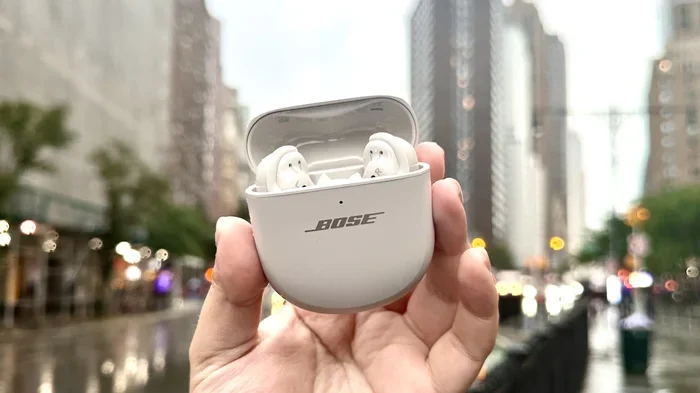
- Bose: Offers premium audio quality with sleek designs. Great for events where sound quality is the top priority.
- Ultimate Ears (UE): Famous for waterproof speakers and long battery life. The UE Boom line is a party staple.
- Sony: Brings strong Bluetooth connectivity and balanced sound across their wireless speaker lineup.
- Anker: A budget-friendly option that doesn’t skimp on portable audio quality. Great value for money.
Reading expert reviews and user feedback helps you narrow down your options. Look for models that consistently get high marks for battery life, bluetooth connectivity, and overall sound quality.
Common Mistakes to Avoid
Even experienced event planners sometimes make speaker mistakes. Here are a few to watch out for:
- Buying based on looks alone. A cool-looking speaker might have poor audio quality. Always prioritize sound performance over design.
- Ignoring the venue’s acoustics. A hard, open space echoes differently than a carpeted room. Test your speaker in a similar environment if possible.
- Overlooking battery charging time. Some portable speakers take 3 to 4 hours to fully charge. Make sure you plan ahead and charge it well before the event.
- Skipping the aux cable. Bluetooth is convenient, but it can lag or disconnect. Having a backup wired connection saves the day.
- Choosing the wrong size. A tiny speaker at a large outdoor event will struggle to reach everyone. Match the speaker size to your audience.
Avoiding these mistakes puts you ahead of most buyers. It’s all about thinking through the details before you commit to a purchase.
Expert Tips for Event Sound Setup
Once you’ve chosen your speaker, how you set it up matters just as much. Here are some pro tips to get the best results:
Placement Is Everything
Put your speaker at ear level or slightly above. Elevating it on a table or shelf helps the sound travel evenly across the room. Avoid placing it on the floor, where bass can get muddy and muffled.
Test Before the Event
Always do a sound check at least an hour before guests arrive. Play a few songs at different volumes. Make sure the bluetooth connection is stable and there’s no interference from other devices.
Keep the Speaker Dry and Safe
If you’re using a waterproof speaker outdoors, keep it under cover when it’s not in use. Even waterproof models have limits. Protecting your audio equipment extends its lifespan significantly.
Bring Extra Cables and Adapters
You never know what you’ll need. Pack an aux cable, a USB charging cable, and any adapters for your devices. Being prepared means no stressful moments when something doesn’t connect right away.
Final Thoughts
Choosing the right speaker for your next big event comes down to understanding your needs. Consider the venue size, event type, and audience. Focus on sound quality, battery life, and connectivity options. And don’t forget to avoid the common pitfalls that trip up so many buyers.
With the right portable speaker or event sound system, your guests will remember the great music and good times. Take your time, do your research, and trust your ears. The perfect speaker is out there waiting for you.
Now go plan an event that sounds as good as it looks. Your guests are going to love it.
Frequently Asked Questions
What size speaker do I need for a medium-sized indoor party?
For a medium indoor party with 30 to 50 guests, a bluetooth speaker with 20 to 30 watts is usually enough. Look for models with strong bass response and balanced audio quality. Place the speaker in a central location for the best sound spread.
Can I use a waterproof speaker indoors?
Absolutely! A waterproof speaker works great indoors too. They are often just as durable and sound great in any environment. The waterproof feature gives you extra protection against spills and accidents during lively events.
How far can Bluetooth reach from a speaker?
Most bluetooth speakers have a range of about 30 feet. Newer Bluetooth 5.0 models can reach farther. Keep your phone within range for a stable connection. If you need more reach, a bluetooth transmitter can help extend the signal.
Is it better to buy a Bluetooth speaker or a PA system?
It depends on your event. A bluetooth speaker is perfect for casual gatherings and small to medium events. A PA system is better for large venues, speeches, or live performances. Think about your audience size and sound needs before deciding.
How long do portable speaker batteries typically last?
Most portable speakers offer between 8 and 15 hours of playtime on a single charge. Battery life depends on volume level and bass response settings. For all-day events, choose a model with at least 10 hours of rated battery life.
Can I connect a microphone directly to a Bluetooth speaker?
It depends on the model. Some speakers have a built-in microphone input or a 3.5mm jack that works with microphones. Others only support Bluetooth audio input. Check the speaker’s connectivity options before you buy if you plan to use a microphone for speeches or announcements.