How Do I Get The Password From A Qr Code On Any Device
Getting the password from a QR code is simpler than most people think. Whether you need to extract a WiFi password, app login, or access code, the process works on any device. With the right QR scanner app and a few simple steps, you can decode the hidden data in seconds. This guide covers everything you need to know about how do I get the password from a QR code safely and quickly on any device.
Have you ever seen a QR code password sticker on a wall, a printed card, or the back of a WiFi router and wondered what secrets it holds? Maybe it was a network password at a coffee shop, or a login code for an app. How do I get the password from a QR code is a question many people ask but few know the answer to. The good news is that it is easier than you might think. With the right tools and a few simple steps, you can decode any QR code and access the password hidden inside.
Getting the password from a QR code on any device is something anyone can learn. This guide will walk you through the entire process from start to finish. You will learn how QR codes store passwords, which apps work best, and how to stay safe while scanning. Whether you are using an Android phone, an iPhone, a Windows laptop, or a tablet, this guide has you covered. Let us dive in and make this simple for you.
QR codes have become a part of everyday life. You see them on restaurant menus, product packaging, event tickets, and WiFi routers. They offer a quick and easy way to share information without typing long strings of text. But when it comes to passwords, many people feel unsure. They worry about security, compatibility, or simply not knowing where to start. This article removes all that uncertainty. By the end, you will feel confident scanning and extracting passwords from any QR code you encounter. QR code password extraction is a skill that saves time and frustration in many everyday situations.
Key Takeaways
- QR codes can store passwords in plain text or encrypted format, making them a convenient way to share login credentials.
- You can scan QR codes using your smartphone camera or a dedicated QR scanner app on any device.
- WiFi QR codes are the most common type that contain network passwords for easy connection.
- Always verify the source of a QR code before scanning to protect your personal data.
- Dedicated QR scanner apps offer more features than built-in camera scanners for password extraction.
- Security matters when extracting passwords from QR codes to avoid phishing and data theft.
📑 Table of Contents
- Understanding What a QR Code Is and How It Stores Passwords
- How to Scan a QR Code and Extract the Password
- Common Places Where QR Codes Hide Passwords
- Best Apps and Tools for QR Code Password Extraction
- Step-by-Step Guide to Getting Passwords from QR Codes on Any Device
- Security Tips and Common Mistakes to Avoid
- Conclusion
Understanding What a QR Code Is and How It Stores Passwords
A QR code is a two-dimensional barcode that stores data in a grid of black and white squares. When you scan it with a camera or scanner app, the data gets decoded into readable text. The process is fast and works on almost any modern device. But how exactly does a QR code hold a password? Let us break it down.
The Basics of QR Code Technology
QR stands for Quick Response. The code was invented in 1994 by a Japanese company called Denso Wave. It was designed to track parts in car manufacturing. Today, QR codes are used everywhere. They store different types of data, including URLs, text, contact information, and yes, passwords.
A standard QR code can hold up to 4,296 characters of text. That is more than enough to store a complex password along with other login details. The data is encoded in the pattern of squares, and any QR reader can decode it back into its original form. This means that when you scan a QR code containing a WiFi password, the reader extracts the text and displays it on your screen. Decoding a QR code is a straightforward process that takes just a few seconds on any modern smartphone.
How Passwords Are Encoded in QR Codes
Passwords in QR codes are usually stored in plain text format. This means the password is written out in readable characters inside the code. For WiFi QR codes, the format typically follows a specific standard. It includes the network name, the encryption type, and the actual password.
Here is a simple example of what a WiFi QR code might contain:
- Network Name: CoffeeShopWiFi
- Encryption Type: WPA
- Password: MySecretPass123
When you scan this code, your phone reads all of this information. If you are connecting to WiFi, your device may automatically fill in the password and connect you. For other types of QR codes, the password might appear as plain text that you need to copy manually. Some QR codes use encryption to protect the password, which adds an extra layer of security. Understanding how QR codes store passwords helps you know what to expect when you scan one.
How to Scan a QR Code and Extract the Password
Scanning a QR code to get the password is a straightforward process. The exact steps depend on your device and the app you use. Let us look at the most common methods for QR code password extraction.
Using Your Smartphone Camera
Most modern smartphones can scan QR codes directly using the built-in camera. You do not need to download any extra app. On iPhone and iPad, the native camera app detects QR codes automatically. On Android phones, the feature has been built into the camera app since Android 9 or later.
To scan a QR code with your camera, follow these steps:
- Open your camera app and point it at the QR code.
- Hold your phone steady and make sure the code is in focus.
- Wait for a notification or link to appear on your screen.
- Tap the notification to view the decoded data.
- Look for the password in the displayed text.
This method works great for most WiFi QR codes and simple text-based codes. However, the built-in camera may not always show the full decoded content. In those cases, you will want to use a dedicated QR scanner app. The built-in camera is convenient but may not give you the level of detail you need for complex codes.
Using a Dedicated QR Scanner App
A dedicated QR code scanner app gives you more control and better results. These apps are designed specifically to decode QR codes and display the full content. They work on both Android and iOS devices and are essential for reliable QR code password extraction.
Some popular free options include:
- QR & Barcode Scanner by Gamma Play
- QR Code Reader by Kaspersky
- Quick Scan barcode reader
- Google Lens for Android users
These apps display the raw data from the QR code, making it easy to find the password. Many of them also save your scan history, so you can go back and check a code you scanned earlier. This is especially helpful if you need to retrieve a password you scanned before. A good mobile QR scanner app is an essential tool for anyone who frequently encounters QR codes with passwords.
What Happens After You Scan
After scanning a QR code, the app or camera displays the decoded information. The format depends on what type of QR code you scanned. For WiFi codes, your phone may show a prompt to connect to the network. For other codes, the password appears as plain text that you can copy and paste.
If the QR code contains a URL, your phone will open the link. The password might be on the webpage that loads. Always make sure the link is safe before entering any credentials. Check the website address carefully to avoid phishing sites that look real but are designed to steal your information. Accessing QR code data safely means being cautious about where the code leads you.
Common Places Where QR Codes Hide Passwords
QR codes that contain passwords show up in many places. Understanding where to find them helps you be prepared when you need to extract a password from a QR code.
WiFi Network QR Codes
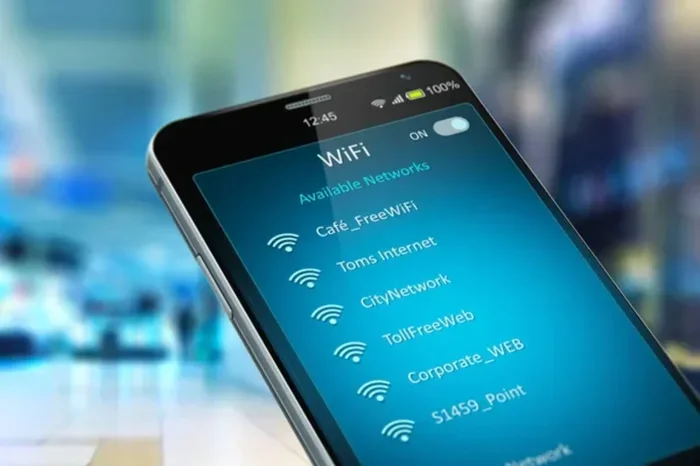
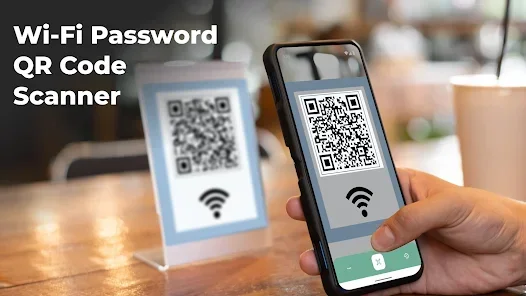
This is the most common use case. Many businesses, hotels, and homes display WiFi QR codes so guests can connect easily. Instead of asking for the password, you simply scan the code and your phone connects automatically. The QR code stores the network name (SSID), the password, and the encryption type in one simple image.
You will often find these QR codes:
- On the back of WiFi routers
- At hotel front desks
- In cafes and restaurants
- On printed cards at offices and coworking spaces
WiFi QR code password sharing has become the standard in many places because it is so convenient. You do not have to type a long, complicated password on a tiny keyboard. One scan and you are connected.
App and Website Login QR Codes
Some apps and websites use QR codes for quick login. You scan the code on your computer screen with your phone, and the phone authenticates the login. In these cases, the QR code itself does not contain the password. Instead, it acts as a secure bridge between your devices. The actual password stays safe on your phone or is handled through an encrypted token. This type of QR code authentication is growing in popularity because it adds an extra layer of security to the login process.
Event and Access QR Codes
Events, concerts, and secure facilities sometimes use QR codes for access control. These codes may contain a unique access code or ticket identifier. While not always a traditional “password,” these codes serve the same purpose of granting entry. Scanning them with a dedicated reader app helps you retrieve the access code quickly. Digital password sharing through QR codes extends beyond WiFi to include all types of access credentials.
Best Apps and Tools for QR Code Password Extraction
Not all QR scanner apps are created equal. Some are basic and only show a portion of the decoded data. Others give you full control over the extracted information. Here are the best tools for getting passwords from QR codes on any device.
Free QR Scanner Apps
Free apps are a great starting point. They work well for most everyday scanning needs. Look for apps that show the full raw text of the QR code. This ensures you see the password clearly. Avoid apps that require unnecessary permissions or show too many ads. A clean, simple interface is best for password extraction.
When choosing a free app, check for these features:
- Full text display of decoded content
- Scan history and saved codes
- No excessive permissions required
- Positive user reviews and ratings
- Regular updates from the developer
A reliable QR code reader app should make the extraction process effortless. If an app asks for strange permissions or shows aggressive ads, consider switching to a better alternative. Your privacy matters when you are handling passwords.
Desktop QR Code Readers
If you need to scan QR codes on a computer, desktop tools are very helpful. You can use your webcam to scan codes displayed on a screen. This is handy when you need to get a WiFi password from a QR code shown on a TV or projector.
Popular desktop options include:
- QR Desktop Reader for Windows
- Barcode Scanner for macOS
- Web-based QR decoders like QRCode Monkey or ZXing Decoder Online
Web-based decoders are especially convenient because you do not need to install anything. You simply upload an image of the QR code, and the tool decodes it for you. This works great when you have a screenshot of a QR code but no way to scan it directly. QR code password recovery on a desktop is often easier because you can zoom in and read the decoded text more comfortably.
Online QR Code Decoders
Online tools are a quick and easy way to decode QR codes without installing software. You upload a photo of the QR code, and the website processes it and shows you the raw data. Many of these tools are free and work on any device with a browser.
Some reliable online decoders include:
- ZXing Decoder Online
- QRCode Monkey Decoder
- GoQR.me
These tools are great for when you have a saved image of a QR code. Simply upload it and read the password directly from the decoded text. However, be cautious about uploading sensitive codes to online services. Only use reputable tools and avoid uploading codes that contain highly sensitive information. QR code security should always be a priority when using online decoders.
Step-by-Step Guide to Getting Passwords from QR Codes on Any Device
The exact steps to extract a password depend on your device. Here is a detailed guide for the most common devices and platforms. This section answers how do I get the password from a QR code for every major device type.
On Android Devices
Android phones make QR code scanning very easy. Most Android devices running Android 9 or later have built-in QR scanning in the default camera app. For older devices or more advanced features, a dedicated scanner app works best.
Here is how to get the password from a QR code on Android:
- Open your camera app and point it at the QR code.
- Tap the notification that appears at the bottom of the screen.
- If no notification appears, open your QR scanner app.
- Point the camera at the QR code and wait for the scan to complete.
- Look at the decoded text and find the password.
- Copy the password and use it to log in or connect to WiFi.
For WiFi QR codes, your Android phone may automatically connect after scanning. You can check the saved WiFi password later by going to Settings, then Network & Internet, and viewing the details of the connected network. QR code WiFi login on Android is seamless and requires minimal effort from the user.
On iPhone and iPad
Apple devices have excellent built-in QR scanning. The native camera app detects QR codes instantly. You do not need to download any extra software for basic scanning.
Using the Built-in Camera
Scanning a QR code on iPhone is simple. Open the Camera app, point it at the code, and tap the notification that appears. The decoded data shows up, and you can copy the password directly from the alert. This method works well for most WiFi and text-based QR codes.
Using Third-Party Apps
If you need more features, try apps like QR Scanner by Scan or Google Lens. These apps show the full decoded content and let you save or share the password. They are especially useful when the built-in camera does not display the complete data. A smartphone QR reader with extra features gives you more control over how you handle the extracted password.
On Windows and Mac Computers
Scanning QR codes on a computer is useful when the code is displayed on a screen. You can use your laptop webcam or a dedicated app to decode the QR code and extract the password.
For Windows users, the Windows Camera app can scan QR codes on some devices. Alternatively, use a web-based decoder by uploading a screenshot of the QR code. Mac users can use the built-in Preview app or a free QR scanner from the App Store. QR code password recovery on a desktop is especially useful when the code is too small to scan with a phone.
On Tablets and Other Devices
Tablets work the same way as phones for QR code scanning. Both Android tablets and iPads use the same camera and app methods described above. If your tablet does not have a camera, you can use a web-based decoder on a computer and view the results on your tablet. Scanning QR codes for passwords is a universal skill that works across all platforms and devices.
Security Tips and Common Mistakes to Avoid
While QR codes are convenient, they come with security risks. Malicious QR codes can redirect you to phishing sites or trigger unwanted downloads. Understanding these risks helps you stay safe while using QR codes for password sharing.
Why QR Code Security Matters
A QR code is just a way to encode data. It does not verify the source of that data. This means anyone can create a QR code that looks legitimate but leads to a malicious website. When you scan a QR code to get a password, you are trusting that the code was created by someone you can trust.
Here are the main security concerns:
- Phishing attacks: A fake QR code can redirect you to a fake login page designed to steal your credentials.
- Malware downloads: Some QR codes trigger automatic downloads of harmful software.
- Data theft: Scanning unknown codes can expose your device to data harvesting.
- Man-in-the-middle attacks: In rare cases, a compromised QR code can intercept your network traffic.
QR code security is not something to take lightly. A single scan of a malicious code can compromise your personal data. Always be cautious and verify the source before scanning.
Common Mistakes When Extracting Passwords
Many people make avoidable mistakes when scanning QR codes for passwords. Here are the most common ones:
- Scanning without checking the source: Always verify that the QR code comes from a trusted source. A sticker placed over a legitimate QR code is a common trick used by attackers.
- Not checking the decoded URL: Before clicking any link from a scanned QR code, check the URL carefully. Make sure it matches the expected website.
- Using unverified scanner apps: Some free scanner apps collect your data. Stick to well-known apps from reputable developers.
- Ignoring encryption warnings: If your phone warns you about an insecure connection, pay attention. Do not ignore security alerts.
- Sharing scanned passwords publicly: Once you extract a password, keep it private. Do not screenshot and share it on social media.
Expert Tips for Safe QR Code Scanning
Follow these tips to stay safe while extracting passwords from QR codes:
- Only scan QR codes from trusted, verified sources.
- Use a reputable QR scanner app with built-in security features.
- Check the decoded content before taking any action.
- Keep your phone and apps updated to the latest versions.
- Use a VPN when connecting to WiFi networks from QR codes in public places.
- When in doubt, ask the source person to confirm the QR code is legitimate.
Getting the password from a QR code is a useful skill that saves time and effort. By following the steps in this guide and staying aware of security risks, you can confidently scan and extract passwords on any device. The key is to use trusted tools, verify the source, and always prioritize your digital safety. QR code password sharing is convenient, but it should always be done with caution and awareness.
Conclusion
Getting the password from a QR code is a simple process that works on any device. Whether you are at a cafe, a hotel, or your office, a quick scan gives you instant access to the credentials you need. The steps are easy, the tools are free, and the process takes just a few seconds.
Remember to always verify the source of any QR code before scanning. Use trusted scanner apps and online decoders. Keep your devices updated and stay aware of potential security risks. By following the tips in this guide, you can confidently extract passwords from QR codes while keeping your data safe.
Now that you know how do I get the password from a QR code, you will never have to ask for a WiFi password or login code again. Scan, decode, and connect with ease. Happy scanning!
Frequently Asked Questions
Can I get a WiFi password from a QR code without connecting?
Yes, you can. When you scan a WiFi QR code, the decoded text shows the network name and password. You can copy the password and use it later without connecting immediately. Most QR scanner apps display the full decoded content, including the plain text password, so you can save it for future use.
Is it safe to scan QR codes for passwords?
It is generally safe if you trust the source of the QR code. Always verify that the code comes from a legitimate place. Avoid scanning codes from unknown or suspicious sources. Using a reputable QR scanner app with security features adds an extra layer of protection against malicious codes.
Do I need a special app to extract passwords from QR codes?
No, you do not always need a special app. Most modern smartphones can scan QR codes using the built-in camera. However, a dedicated QR scanner app gives you more control and displays the full decoded content more clearly. This is especially helpful when the password is embedded in a complex code.
Can I decode a QR code password on a computer?
Yes, you can. You can use your computer webcam with a desktop QR reader app, or upload a screenshot of the QR code to an online decoder. Web-based tools like ZXing Decoder Online work on any browser and do not require installation. They are a quick and convenient option for decoding QR codes on a desktop.
What should I do if a QR code does not show the password?
If a QR code does not display the password after scanning, try using a different scanner app. Some apps only show partial data. A dedicated QR code reader that displays the full raw text usually reveals the hidden password. You can also try taking a screenshot and uploading it to an online decoder for a second opinion.
Can QR codes store encrypted passwords?
Yes, some QR codes use encryption to protect the stored password. In these cases, scanning the code may require a password or key to decrypt the content. Encrypted QR codes are more secure but require compatible tools to decode. For most everyday uses, WiFi and login QR codes store passwords in plain text format that is easy to extract.