Are 3d Printed Guns Legal In Florida And Why It Matters
3d printed guns legal in Florida is a hot topic that blends technology, gun rights, and evolving laws. Florida does not have a specific state law banning 3D printed firearms, but federal regulations still apply. These untraceable weapons raise serious safety and legal questions for residents. Understanding the rules helps you stay informed and avoid trouble. This guide breaks down everything you need to know in plain language.
Key Takeaways
- No specific Florida state ban: Florida does not currently outlaw 3D printed guns at the state level.
- Federal laws still apply: The Bureau of Alcohol, Tobacco, Firearms and Explosives (ATF) regulates all firearms, including those made with 3D printers.
- Ghost guns are a concern: 3D printed firearms often lack serial numbers, making them untraceable and legally risky.
- Making guns at home has rules: Even homemade firearms must comply with federal manufacturing and possession laws.
- Technology is evolving fast: Laws are struggling to keep up with advances in additive manufacturing and digital blueprints.
- Legal consequences exist: Violating firearm laws can lead to serious criminal charges in Florida.
- Stay informed: Laws change frequently, so always check current regulations before making any decisions.
📑 Table of Contents
- What Are 3D Printed Guns And Why Are They Trending?
- The Legal Landscape Of 3D Printed Firearms In Florida
- Federal Laws That Apply To 3D Printed Guns
- How 3D Printed Guns Are Made And Who Uses Them
- Why This Topic Matters For Florida Residents
- What The Future Holds For 3D Printed Firearms
- Final Thoughts On 3D Printed Guns And Florida Law
What Are 3D Printed Guns And Why Are They Trending?
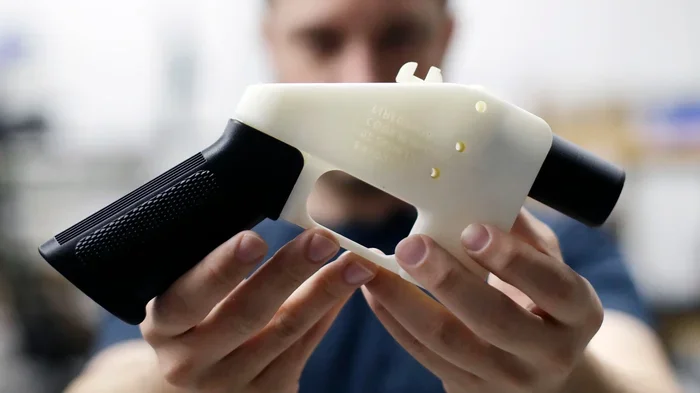
A 3D printed gun is a firearm made using additive manufacturing technology. Instead of buying a gun from a store, a person downloads digital blueprints and builds the weapon layer by layer using a 3D printer. The process uses plastic, metal, or a combination of materials.
This concept sounds like science fiction. But it is very real and growing fast. People have been printing functional firearms at home since the early 2010s. The trend picked up speed as printers became cheaper and more accessible. Today, anyone with a decent 3D printer and the right files can attempt to build a working gun.
The appeal is obvious for some. These weapons are hard to trace. They do not carry serial numbers. And they can be made without passing a background check. But that same appeal makes them a serious concern for lawmakers and law enforcement.
It is worth noting that 3D printing technology is not just used for guns. The same additive manufacturing methods are used in medicine, aerospace, and engineering. In fact, computers and 3D printing have revolutionized how doctors approach patient care, from custom prosthetics to surgical tools. The technology has many positive uses. But it also raises complex legal questions when applied to firearms.
The Legal Landscape Of 3D Printed Firearms In Florida
Does Florida Have A Specific Law Against 3D Printed Guns?
Here is the short answer. No. Florida does not have a specific state law that bans or explicitly regulates 3D printed guns. The state’s firearm laws focus mainly on traditional weapons and standard purchasing rules. There is no Florida statute that says, “It is illegal to print a gun at home.”
But that does not mean it is a free-for-all. Just because there is no specific law does not mean the activity is legal. Federal laws still apply. And Florida has general weapons laws that can be used to prosecute people who misuse or illegally manufacture firearms.
Florida law enforcement agencies take illegal weapons seriously. If someone prints a gun and uses it in a crime, they will face charges. The lack of a specific 3D printing law does not protect them. It just means prosecutors must rely on broader statutes.
Florida Gun Laws That Still Apply
Even though 3D printed guns are not specifically mentioned, several Florida laws still apply to homemade firearms:
- Florida Statute 790.23: This law covers the manufacture of firearms. Making a gun without proper licensing can lead to felony charges.
- Carrying concealed weapons: Florida has strict rules about carrying hidden firearms. A 3D printed gun carried concealed could violate these rules.
- Prohibited persons: Felons, domestic violence offenders, and those under restraining orders cannot possess firearms. This includes homemade 3D printed guns.
- Weapon discharge laws: Firing any gun, including a 3D printed one, in a public place is illegal in Florida.
The bottom line is that Florida gun laws are broad enough to cover homemade weapons. But the gray area remains because no law specifically addresses the 3D printing process itself.
Federal Laws That Apply To 3D Printed Guns
What Does Federal Law Say?
Federal law is where the real legal weight sits when it comes to 3D printed firearms. The Bureau of Alcohol, Tobacco, Firearms and Explosives (ATF) regulates all firearms in the United States. This includes guns made at home, whether with traditional tools or a 3D printer.
Under federal law, it is legal to manufacture a firearm for personal use. But there are strict conditions:
- You must not be a prohibited person. This includes felons, those convicted of domestic violence, and undocumented immigrants.
- The firearm must have a serial number. The ATF requires that all homemade guns include a serial number for identification purposes.
- You cannot manufacture firearms for sale. Making guns to sell or distribute requires a federal firearms license (FFL).
- Certain weapons are banned. Machine guns and short-barreled rifles require special tax stamps and registrations.
The Ghost Gun Problem
One of the biggest issues with 3D printed guns is that they are often called “ghost guns.” These are firearms that lack serial numbers and cannot be traced by law enforcement. Ghost guns bypass background checks and registration requirements.
The federal government has been cracking down on ghost guns in recent years. The ATF has updated its rules to treat unfinished frames and receivers as firearms. This means that even parts used to build a 3D printed gun fall under federal regulation.
In 2022, the Biden administration issued new rules requiring background checks for purchases of unfinished frames. This was a major step, but enforcement remains challenging. Many ghost guns are made at home and never pass through any store or dealer.
Can You Legally Download And Share Gun Blueprints?
This is a tricky question. Sharing digital files for 3D printed guns exists in a legal gray area. The files themselves are not illegal in most cases. But using those files to manufacture a firearm without following federal rules can be.
The Defense Distributed case brought this issue to national attention. The company posted 3D gun blueprints online and faced legal challenges from the federal government. After years of court battles, the files were eventually made available again. But the legal landscape is still evolving.
How 3D Printed Guns Are Made And Who Uses Them
The Manufacturing Process
Making a 3D printed gun involves several steps. First, a person finds or creates digital blueprints. These files tell the 3D printer how to build each layer of the gun. The printer then melts plastic filament and deposits it layer by layer until the gun takes shape.
Most 3D printed guns use plastic for the main body. But they often include metal components like a firing pin or a small piece of steel. This is because federal law requires that firearms include enough metal to be detectable by airport scanners. A fully plastic gun would violate this rule.
The printing process can take anywhere from several hours to several days. The quality of the gun depends on the printer, the material, and the skill of the person building it. Cheap printers and low-quality filament often produce unreliable and dangerous weapons.
Who Is Making These Guns?
The people behind 3D printed guns are a diverse group. Some are hobbyists and tinkerers who enjoy the challenge of building something from scratch. Others are gun rights advocates who want to exercise their Second Amendment rights without going through a dealer.
But there is a darker side. Criminal organizations and individuals who cannot pass background checks have also turned to 3D printing. The ability to make an untraceable weapon without a background check is a major concern for law enforcement.
Experts warn that the quality of 3D printed guns is often poor. These weapons can crack or explode during firing. The person using the gun is often the first victim of a poorly manufactured weapon.
Comparison: Traditional Guns Vs 3D Printed Guns
| Feature | Traditional Gun | 3D Printed Gun |
|---|---|---|
| Serial Number | Required by law | Often missing or homemade |
| Background Check | Required for purchase | Not required for home manufacturing |
| Traceability | Fully traceable | Nearly untraceable |
| Reliability | Tested and regulated | Often unreliable and dangerous |
| Cost | Varies widely | Lower upfront cost but requires printer |
| Legal Oversight | Strict federal and state laws | Legal gray area in many states |
| Material | Metal and polymer | Mostly plastic with some metal parts |
As you can see from the table above, 3D printed guns differ from traditional firearms in several important ways. The biggest differences are traceability and regulation. These differences create unique legal and safety challenges.
Why This Topic Matters For Florida Residents
Public Safety Concerns
Florida has millions of gun owners. The state has a strong gun culture and a large number of registered firearms. But 3D printed guns add a new layer of complexity to public safety.
When a gun has no serial number, law enforcement cannot trace it back to its owner. If a 3D printed gun is used in a crime, investigators may hit a dead end. This makes it harder to solve crimes and keep communities safe.
Schools and public spaces are especially vulnerable. The idea that someone could print a weapon at home and bring it into a crowded area is alarming. Florida has seen its share of mass shootings and gun violence. 3D printed guns make it easier for dangerous individuals to obtain weapons without any checks.
The Technology Is Outpacing The Law
3D printing technology is advancing rapidly. Printers are getting cheaper, faster, and more precise. What was once a hobbyist project is now accessible to almost anyone. The same 3D printing technology that creates medical devices and automotive parts can also produce functional firearms.
Laws struggle to keep pace with technology. By the time lawmakers draft a new regulation, the technology has already moved on. This creates a constant cat-and-mouse game between regulators and those who exploit legal gaps.
Florida lawmakers have not yet passed specific legislation targeting 3D printed guns. But the topic is gaining attention. As more cases involving ghost guns surface, pressure will likely grow for new laws and clearer regulations.
What You Should Do As A Florida Resident
If you live in Florida and are curious about 3D printed guns, here are some practical tips:
- Know the law: Even without a specific state law, federal regulations apply. Understand what is legal before you start.
- Do not skip serial numbers: Federal law requires serial numbers on all firearms. Skipping this step is a federal offense.
- Do not sell homemade guns: Manufacturing firearms for sale requires an FFL license. Selling a 3D printed gun without one is illegal.
- Store your weapons safely: Florida has laws about secure storage. A 3D printed gun should be stored as safely as any other firearm.
- Consult a lawyer: If you have questions about firearm manufacturing, talk to a legal professional who understands Florida gun law.
What The Future Holds For 3D Printed Firearms
The future of 3D printed guns is uncertain. Technology will continue to improve. Printers will become more advanced, and materials will become stronger. This will make homemade guns more reliable and more accessible.
Lawmakers at both the state and federal levels are paying attention. Several states have already passed laws targeting ghost guns and 3D printed firearms. California, New Jersey, and Illinois have enacted specific regulations. Florida may follow suit as the issue gains more visibility.
At the federal level, the ATF continues to update its rules. The definition of what constitutes a firearm is expanding to include unfinished frames and receivers. This trend suggests that regulation will only tighten in the coming years.
For everyday Floridians, the key takeaway is to stay informed. The legal landscape is shifting. What is legal today may not be legal tomorrow. And what seems like a harmless hobby today could carry serious legal consequences tomorrow.
Technology is a powerful tool. It can be used for great good, like improving healthcare and building better communities. But it can also be misused. Understanding the balance between innovation and regulation is essential for everyone who cares about safety and the rule of law.
Final Thoughts On 3D Printed Guns And Florida Law
The question of whether 3d printed guns legal in Florida is not a simple yes or no answer. Florida does not ban them specifically. But federal laws create a complex web of regulations that apply to all firearms, including homemade and 3D printed ones.
The allure of untraceable weapons is dangerous. Ghost guns bypass background checks and serial number requirements. They make communities less safe and investigations more difficult. As a responsible citizen, it is important to understand these risks and stay on the right side of the law.
Whether you are a gun enthusiast, a tech hobbyist, or simply a concerned resident, knowledge is your best tool. Stay informed, follow the rules, and advocate for sensible regulations that protect public safety while respecting lawful gun ownership.
The conversation around 3D printed firearms is not going away. It will only grow as technology advances. Florida residents who understand the legal landscape will be better prepared to navigate this complex and evolving issue.
Frequently Asked Questions
Are 3D printed guns legal to make at home in Florida?
Florida does not have a specific state law banning 3D printed guns. However, federal laws still apply. You must comply with ATF regulations, including serial number requirements and prohibited person restrictions. Making a 3D printed gun as a prohibited person is illegal under federal law.
Do 3D printed guns need a serial number in Florida?
Yes. Federal law requires that all homemade firearms include a serial number. This applies to 3D printed guns as well. A gun without a serial number is considered an unserialized firearm, which can lead to federal criminal charges.
Can felons possess 3D printed guns in Florida?
No. Felons are prohibited from possessing firearms under both state and federal law. This includes 3D printed guns. Possession of a homemade or 3D printed firearm by a felon is a serious felony offense in Florida.
Is it legal to download 3D gun blueprints in Florida?
Downloading digital files for 3D printed guns is not specifically illegal in Florida. However, using those files to manufacture a firearm without following federal regulations can result in criminal charges. The legality of sharing and receiving blueprints continues to be debated in courts.
What happens if you are caught with a 3D printed gun in Florida?
The consequences depend on the circumstances. If you are a prohibited person, or if the gun lacks a serial number, you could face federal felony charges. Even if you are legally allowed to possess a firearm, using a 3D printed gun in a crime will result in severe penalties.
Will Florida pass a specific law banning 3D printed guns?
It is difficult to predict. Several other states have already passed laws targeting ghost guns and 3D printed firearms. Florida lawmakers have not yet enacted specific legislation, but growing public concern may push for new regulations in the future.
=== CONCLUSION ===
The topic of 3d printed guns legal in Florida sits at the intersection of technology, gun rights, and public safety. Florida does not currently have a state law specifically banning 3D printed firearms. But federal regulations still apply, and they are strict. From serial number requirements to prohibited person rules, the legal framework is clear: homemade guns must follow the same rules as store-bought ones.
As 3D printing technology continues to advance, the legal landscape will likely evolve. Florida residents should stay informed, follow the law, and understand the real risks involved. Whether you are curious about the technology or concerned about public safety, knowledge is the first step toward making smart, responsible decisions.