Can I Bring Home A Lcd Tv Laying Down Without Damage
You can bring home an LCD TV laying down, but it comes with real risks. LCD screens have delicate internal layers that can suffer pressure damage if not handled correctly. This guide covers safe transport methods, common mistakes, and expert tips to keep your TV safe during moving day.
Key Takeaways
- Laying an LCD TV flat increases the risk of screen damage due to uneven pressure on the glass panel.
- Always transport your TV upright whenever possible to protect the internal display layers.
- Use the original TV box and padding for the safest transport experience.
- Avoid laying a large LCD TV flat for long periods, as this can cause permanent screen warping.
- Proper packaging with anti-static bubble wrap and corner protectors makes a big difference.
- Unpack your TV immediately after arriving home and inspect for any signs of damage.
- Check your TV warranty before moving, as improper transport may void coverage.
📑 Table of Contents
- Can I Bring Home an LCD TV Laying Down Without Damage?
- Why Do People Consider Laying an LCD TV Flat?
- Is It Safe to Lay an LCD TV Flat?
- How to Properly Transport an LCD TV
- Common Mistakes When Moving a Flat Screen TV
- When Is It Okay to Lay an LCD TV Flat?
- How to Unpack and Set Up Your LCD TV Safely
- Frequently Asked Questions
- Conclusion
Can I Bring Home an LCD TV Laying Down Without Damage?
You just bought a brand-new LCD TV. You’re excited. You’re ready to enjoy your favorite shows on a big, beautiful flat screen. But then reality hits. How are you going to get it home safely?
The question can I bring home an LCD TV laying down comes up more often than you might think. Many people assume it is fine. Others worry it will ruin their new purchase. The truth is somewhere in between. Let us walk through everything you need to know about transporting a TV safely.
LCD screens are not as simple as they look. Behind that thin, sleek panel is a complex stack of layers. Each layer needs proper care during TV moving. One wrong move can lead to screen crack or worse. That is exactly why this guide exists. We will show you how to protect your investment.
Whether you are picking up a TV from a store or having it delivered, the way you handle it matters. Flat screen TV transport requires attention to detail. You do not need to be a tech expert. You just need the right information. And that is exactly what we are about to give you.
Why Do People Consider Laying an LCD TV Flat?
There are several reasons someone might want to lay their LCD TV down during TV delivery or transport. Understanding these reasons helps you make better decisions.
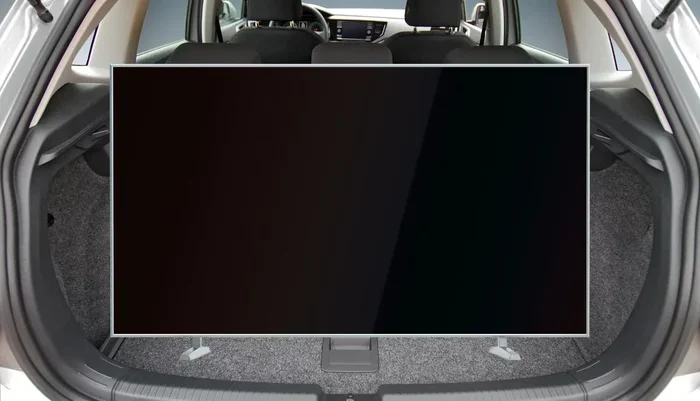
Car space limitations are the number one reason. Many sedans and small SUVs simply cannot fit a large TV box standing up. The trunk or back seat may not be tall enough. So the natural instinct is to lay the box flat on the seat or floor.
Fitting multiple items is another common scenario. If you are moving other furniture or boxes at the same time, laying the TV flat might seem like the only option. You are trying to maximize space in your vehicle.
Some people also think laying a TV flat is safer. They believe it will not slide around as much. This assumption can be dangerous. A flat LCD TV can shift during a turn or sudden stop. And that movement can cause serious harm to the screen.
Does Car Size Really Matter for TV Transport?
Absolutely. The size of your vehicle plays a huge role in how you transport a TV. A full-size SUV or truck gives you much more flexibility. You can often fit the TV box upright without issues. But a compact car or small hatchback? That is a completely different story.
Here are some quick measurements to keep in mind:
- Small TVs (32 to 43 inches): Usually fit upright in most vehicles with some rearranging.
- Medium TVs (50 to 55 inches): May require laying flat or using a larger vehicle.
- Large TVs (65 inches and above): Almost always need a truck or SUV to fit upright.
Always measure your vehicle before heading to the store. Measure the trunk, back seat area, and cargo floor. Knowing your space limits ahead of time helps you plan the right TV moving tips for your situation.
Is It Safe to Lay an LCD TV Flat?
This is the big question. And the honest answer is: it depends. Laying an LCD TV flat is not automatically a death sentence for your screen. But it does carry risks that you should understand before you make a decision.
LCD screens work by sending light through multiple layers. These layers include the display panel, backlight, polarizing filters, and liquid crystal cells. When a TV is upright, gravity pulls down naturally on these layers. The pressure is evenly distributed. But when you lay the TV flat, gravity pulls the screen toward the surface beneath it.
For a short trip home, this is usually fine. A quick drive from the store to your house? Most LCD TVs will survive just a few minutes lying flat. The real danger comes from longer periods or rough handling.
What Happens When an LCD TV Stays Flat Too Long?
If you leave your flat screen TV laying down for an extended time, several problems can develop. The most common issue is screen warping. The glass or plastic panel can slowly bend under its own weight when it is not supported properly.
Another risk is pressure damage to the display panel. The weight of the TV presses down on one side when it is flat. This uneven pressure can create permanent marks or lines on the screen. In severe cases, it can cause the internal layers to separate.
Here are the main risks of laying an LCD TV flat for too long:
- Screen warping or bending that may not be reversible
- Cracks in the display panel from uneven pressure
- Damage to internal connections between the screen layers
- Dead pixels or discoloration caused by prolonged pressure
- Voiding your TV warranty if the damage is traced to improper handling
The good news? Most of these problems only happen with prolonged flat positioning. A short drive home is generally low risk. But if you are moving across town or need to store the TV flat for a few days, you need to take extra precautions.
How to Properly Transport an LCD TV
Now that you understand the risks, let us talk about how to do it right. Proper TV transport is all about preparation and care. You do not need special equipment. You just need to be thoughtful about the process.
Step 1: Use the Original Box If Possible
The best thing you can do for your LCD TV during TV delivery or transport is to use the original packaging. TV manufacturers design these boxes specifically for their screens. They include custom foam inserts that cradle the TV in the right position.
If you still have the box, you are in great shape. The TV should fit snugly inside with the foam pieces holding it firmly in place. This is the safest way to transport a TV laying down, if you must.
Step 2: Wrap the Screen Properly
If you do not have the original box, wrapping is essential. Use anti-static bubble wrap to cover the screen gently. Never use regular plastic wrap directly on the screen. It can trap moisture and cause damage over time.
Start by placing a soft cloth over the screen. Then wrap the bubble wrap around the cloth. Add extra layers around the corners. Corners are the most vulnerable part of any glass panel TV. Use corner protectors if you have them.
Step 3: Secure the TV in Your Vehicle
Once the TV is wrapped, you need to secure it in your car or truck. If you are keeping it upright, wedge it between two sturdy items so it cannot tip over. If you must lay it flat, place it on a flat surface and put heavy, soft items around it to prevent sliding.
Never place heavy boxes or objects on top of a flat TV. The extra weight creates dangerous pressure on the screen. Keep the TV area clear of other heavy items during flat screen TV transport.
Step 4: Drive Carefully
How you drive with a TV in your vehicle matters more than you think. Avoid sudden stops and sharp turns. Take it slow on bumpy roads. Every jolt and vibration travels straight to the TV.
If possible, have someone ride in the back seat or cargo area with the TV. They can hold it steady during turns and adjust it if it shifts. This simple step dramatically reduces the risk of screen crack or internal damage.
Common Mistakes When Moving a Flat Screen TV
Even with the best intentions, people make mistakes when moving a TV. Knowing what not to do is just as important as knowing what to do. Here are the most common errors we see.
Laying the TV Flat Without Any Protection
This is the worst thing you can do. Simply tossing a naked LCD TV into a car and laying it flat leaves the screen completely exposed. Any bump or shift can cause damage. Always wrap the screen and secure the TV properly.
Forgetting to Remove the TV from the Wall Mount
If your TV was previously wall-mounted, do not try to move it while still attached to the mount. The mount adds weight and makes the TV awkward to handle. Remove it carefully, wrap it, and then transport it separately. This is one of the most overlooked TV moving tips.
Leaving the TV in the Car Overnight
Temperature changes can be brutal on LCD screens. Leaving your TV in a cold car overnight can cause condensation inside the panel. Heat is equally damaging. Never leave your flat screen TV in a vehicle for extended periods, especially in extreme weather.
Ignoring the Warranty Terms
Many people do not realize that improper transport can void their TV warranty. Check your warranty document before you move. Some manufacturers specifically state that damage from laying the TV flat is not covered. Knowing this ahead of time can save you a lot of money and headaches.
When Is It Okay to Lay an LCD TV Flat?
There are situations where laying your LCD TV flat is perfectly acceptable. Understanding when it is okay helps you make confident decisions.
Short trips under 30 minutes are generally safe. If the TV is properly wrapped and secured, a quick drive home should not cause problems. The key is keeping the duration short and the handling gentle.
Using the original box also makes laying a TV flat much safer. The custom packaging is designed to support the screen in multiple positions. If you have the box, you have a built-in layer of protection.
Smaller TVs (under 50 inches) are more resilient to flat positioning than larger models. The weight is lower, so the pressure on the screen is reduced. If you are moving a smaller LCD TV, laying it flat for a short time is less risky.
Here is a quick comparison to help you decide:
- Upright transport: Always the safest option. Recommended for all TV sizes.
- Flat transport with original box: Acceptable for short trips. Use for trips under 30 minutes.
- Flat transport without box: Risky but manageable if the TV is well wrapped and secured.
- Flat transport for long distances or storage: Not recommended. Use upright position whenever possible.
Expert Tips for Safe TV Transport
We asked TV experts and professional movers for their best advice on flat screen TV transport. Here is what they recommend:
- Always keep the TV upright during transport if at all possible. This is the golden rule of TV safety.
- Use a moving blanket or furniture pad around the TV box for extra cushioning.
- Label the box with “FRAGILE” and “THIS SIDE UP” arrows to guide anyone handling it.
- Keep the TV away from liquids during transport even a small spill can ruin an LCD screen.
- Inspect the TV immediately after unpacking check for dead pixels, lines, or discoloration before you plug it in.
- Allow the TV to acclimate for 30 minutes before turning it on if it has been in a cold environment.
How to Unpack and Set Up Your LCD TV Safely
You made it home with your LCD TV intact. Great job. But the job is not done yet. How you unpack and set up the TV matters just as much as how you transported it.
Unpack the TV as soon as you arrive home. Do not leave it sitting in the box for days. The longer the TV stays in a confined space, the more pressure can build on the screen if it is not in the upright position.
When you remove the TV from the box, hold it from the sides and the back. Never grab the screen. Place it gently on a flat, soft surface. If you are setting it up on a TV stand, make sure the stand is stable and level before you place the TV on it.
Once the TV is set up, give it a few minutes before turning it on. This allows any internal components to settle. If the TV was in a cold car, let it warm up to room temperature first. This prevents condensation from forming on the inside of the screen.
Plug in the TV and turn it on. Do a quick visual check across the entire screen. Look for any dead pixels, lines, or discoloration. If everything looks good, you are all set. Enjoy your new LCD TV with peace of mind knowing you handled it the right way.
Frequently Asked Questions
Can I lay my LCD TV flat in the car for 20 minutes?
Yes, for a short trip of around 20 minutes, laying your LCD TV flat is generally safe. Just make sure the TV is well wrapped and secured so it does not slide or shift. Keep the drive smooth and avoid sudden stops or sharp turns.
Will laying my TV flat damage the screen?
For short periods, laying a TV flat usually does not cause damage. However, prolonged flat positioning can lead to screen warping or pressure marks on the display panel. Always try to transport your flat screen TV upright whenever possible.
What is the best way to transport a large LCD TV?
The best way is to keep the TV upright in a vehicle large enough to support it. Use the original box if you have it, and wrap the screen with anti-static bubble wrap. Secure the TV so it cannot tip over during the drive.
Can I lay my TV flat if it is in the original box?
Yes, having the TV in its original packaging makes laying it flat much safer. The custom foam inserts are designed to support the screen in multiple positions. Even so, keep the flat position to a minimum time and avoid rough roads.
Does laying a TV flat void the warranty?
It depends on the manufacturer. Some TV warranties specifically exclude damage caused by improper transport, including laying the TV flat for extended periods. Always check your warranty terms before you move your LCD TV.
How long can I safely store my TV laying flat?
It is best not to store an LCD TV flat for more than a few hours. If you must store it flat, place it on a soft, flat surface and avoid any heavy items on top. For long-term storage, always keep the TV in an upright position.
Conclusion
The answer to can I bring home an LCD TV laying down is yes, but with important caveats. Laying your LCD TV flat for a short trip home is generally fine, especially if you use the original box and wrap the screen properly. However, upright transport is always the safest choice for your flat screen TV.
Remember the key points from this guide. Protect your screen with bubble wrap and corner guards. Secure the TV in your vehicle so it cannot shift. Avoid long periods of flat positioning. Drive carefully and inspect your TV once you arrive home.
Your LCD TV is a valuable investment. Taking a few extra minutes to handle it correctly during TV delivery or flat screen TV transport can save you from costly repairs or replacements. Follow these TV moving tips and enjoy your new screen worry-free.
Now that you know how to safely transport a TV laying down or upright, you are ready for your next purchase. Share this guide with friends who are moving or upgrading their home entertainment setup. A little knowledge goes a long way in protecting your LCD TV and keeping it looking great for years to come.