Can I Put A Digital Thermostat In My Rv For Better Comfort
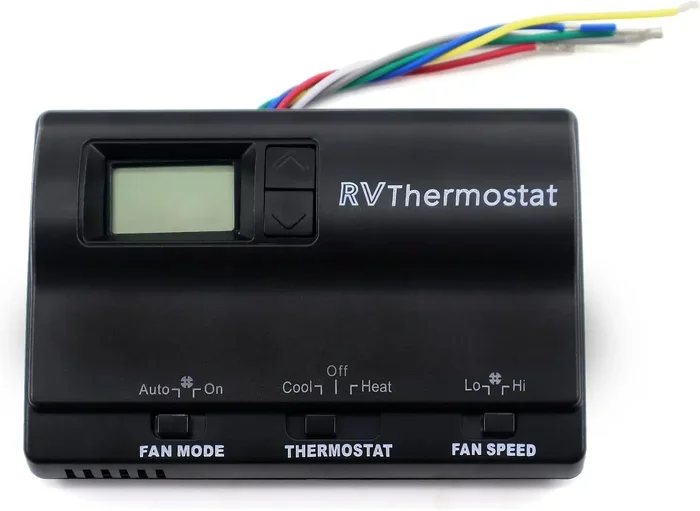
Yes, you can absolutely put a digital thermostat in your RV to improve your comfort on the road. A digital thermostat for RV offers precise temperature control, energy savings, and easy programming that traditional manual thermostats simply cannot match. Whether you live in your RV full-time or travel seasonally, upgrading to a digital RV thermostat can transform how you manage your interior climate.
Living in an RV comes with a unique set of challenges. One of the biggest ones? Keeping your space comfortable no matter where you are. The temperature inside your rig can swing dramatically, from scorching desert heat to freezing mountain nights. That is where a digital thermostat for RV comes into play.
Many RV owners stick with the old manual dial thermostats that came with their vehicle. These basic units work, but they leave a lot to be desired. You often find yourself guessing the temperature, dealing with hot spots, or waking up shivering in the middle of the night. A digital thermostat RV upgrade solves these problems with precision, convenience, and real savings.
So can you really put a digital thermostat in your RV? The short answer is yes. The longer answer is that it depends on a few factors, which we will walk through in this guide. By the end, you will know exactly what to look for, how to install one, and why it is one of the best upgrades you can make for your rig.
Key Takeaways
- Digital thermostats work in most RVs: They are compatible with standard HVAC systems found in campers and motorhomes.
- Energy savings are significant: Programmable settings help reduce power consumption, especially on battery or generator power.
- Installation is DIY-friendly: Most replacements take less than an hour with basic tools.
- Precise temperature control improves comfort: Digital displays let you set exact temperatures instead of guessing.
- Smart features add convenience: Some models offer remote control and scheduling through mobile apps.
- Watch for wiring compatibility: Older RVs may need minor electrical adjustments before installation.
📑 Table of Contents
- Why a Digital Thermostat Makes Sense for Your RV
- How Digital Thermostats Work in an RV Setting
- Types of Digital Thermostats for RVs
- Can You Install a Digital Thermostat Yourself?
- Common Challenges and How to Overcome Them
- How Digital Thermostats Improve RV Comfort
- Expert Tips for Getting the Most from Your Digital Thermostat
- The Technology Behind Digital Thermostats and Beyond
- Cost Considerations for RV Digital Thermostat Upgrades
- Final Thoughts on Installing a Digital Thermostat in Your RV
Why a Digital Thermostat Makes Sense for Your RV
Upgrading to a digital RV thermostat is not just a luxury. It is a practical move that improves daily life on the road. Let us break down the biggest reasons why so many RV owners are making the switch.
Precise Temperature Control
Manual thermostats are imprecise. They often have a wide temperature range, meaning your actual interior temperature can swing several degrees above or below your setting. A digital thermostat for RV gives you exact control. You can set it to 72 degrees and trust that it stays there.
This matters more than you might think. Extreme temperature swings can damage sensitive items in your RV, from electronics to food stored in your fridge. Consistent climate control also means better sleep, less condensation inside the rig, and a more pleasant living environment overall.
Energy Efficiency and Power Savings
One of the biggest advantages of a digital thermostat RV setup is energy savings. These units use programmable schedules and smart sensors to avoid wasting power. When you are away from your RV or sleeping, the thermostat can automatically lower the heating or cooling output.
This is especially important for RVers who rely on battery power or solar energy systems. Every watt counts when you are off-grid. A digital thermostat helps you stretch your power reserves further, which means fewer generator runs and more quiet, peaceful camping.
Convenience and Programmable Features
Modern digital thermostats come with programmable features that make life on the road simpler. You can set a schedule that matches your daily routine. Want the RV warm by 7 AM before you wake up? Set it and forget it. Need the AC to kick on an hour before you return from a hike? Done.
Some advanced models even connect to your smartphone through Wi-Fi or Bluetooth. This means you can adjust the temperature from anywhere, whether you are still parked or already on the road heading to your next destination.
How Digital Thermostats Work in an RV Setting
Understanding how a digital thermostat for RV operates helps you appreciate why it is such a valuable upgrade. The technology is straightforward, but the results are impressive.
The Sensor Technology
At the heart of every digital thermostat is a temperature sensor. This sensor continuously reads the ambient temperature in your RV and sends the data to the thermostat’s microprocessor. The microprocessor compares the current temperature to your desired setting and decides whether to turn the heating or cooling system on or off.
This digital process happens hundreds of times per minute, resulting in much tighter temperature control than a mechanical bimetallic strip thermostat can provide. The sensor is usually located on the front panel of the thermostat, but some models offer remote sensors that you can place in different parts of your rig for even better accuracy.
The Control Board and Wiring
The control board inside a digital thermostat RV unit acts like a small computer. It processes the sensor readings, manages the programming schedules, controls the display screen, and handles communication with your RV’s HVAC system.
Wiring a digital thermostat involves connecting a few wires from your existing HVAC control circuit to the new unit. Most RVs use a standard four-wire setup, which makes the process straightforward. The thermostat receives power from the HVAC system itself, so there is usually no need for a separate power source.
Compatibility with RV HVAC Systems
Most digital thermostats are designed to work with the standard rooftop HVAC units found in RVs. These units typically use a 12V DC control voltage, which is different from the 120V AC systems in a house. Make sure the thermostat you choose is rated for RV use or low-voltage applications.
Using a household thermostat in your RV can cause damage or malfunction. Always check the product specifications before purchasing. Many brands specifically market their thermostats as RV-compatible digital thermostats, which gives you peace of mind.
Types of Digital Thermostats for RVs
Not all digital thermostats are the same. There are several types available, each with its own strengths. Choosing the right one depends on your needs, budget, and how you use your RV.
Basic Digital Thermostats
Basic digital thermostats for RV use offer a simple digital display and manual temperature adjustment. They are more accurate than manual thermostats but do not include programmable features. These are a great entry-level upgrade if you want better precision without a higher price tag.
Expect to pay between $30 and $60 for a basic model. They are easy to install and work well for RVers who keep a fairly consistent temperature throughout the day.
Programmable Digital Thermostats
Programmable digital thermostats let you set different temperatures for different times of the day. For example, you can program the thermostat to lower the heat at night and raise it in the morning. This is where the real energy savings come from.
Most programmable models offer 4 to 7 daily time periods. Some even have a 7-day weekly schedule, so you can set different patterns for weekdays and weekends. Prices typically range from $50 to $120.
Smart Digital Thermostats
Smart thermostats are the most advanced option. These Wi-Fi-enabled devices connect to your smartphone and allow remote control from anywhere. Some models use learning algorithms that adapt to your habits over time, automatically adjusting the temperature based on your preferences.
Smart thermostats are more expensive, usually ranging from $100 to $250. However, the convenience and energy savings can justify the cost, especially for full-time RVers who spend a lot of time on the road. Keep in mind that smart features require a stable Wi-Fi connection, which may not always be available in remote camping spots.
Can You Install a Digital Thermostat Yourself?
One of the best things about upgrading to a digital thermostat RV setup is that most owners can do it themselves. You do not need to be an electrician or a professional HVAC technician. With a few basic tools and about 30 to 60 minutes, you can have your new thermostat up and running.
What You Will Need
- Screwdriver set: Both flathead and Phillips head for removing the old unit and mounting the new one.
- Wire stripper: For preparing wire ends if needed during the connection process.
- Digital multimeter: Helpful for testing voltage and ensuring the power is off before you start.
- Your new thermostat: Make sure it is rated for RV use and compatible with your HVAC system.
- Labels and tape: To mark wires before you disconnect them, which saves a lot of confusion later.
Step-by-Step Installation Process
Start by turning off the power to your RV’s HVAC system. This is usually done at the circuit breaker panel. Use your multimeter to confirm that no power is reaching the thermostat wires before you touch anything.
Remove the old thermostat from the wall plate. Take a photo or label each wire so you remember which terminal it was connected to. The labels are usually printed on the back of the old unit or in the owner’s manual. Detach the wires carefully and remove the old wall plate.
Mount the new thermostat’s wall plate in the same location. Feed the wires through the plate and connect each wire to the matching terminal on the new unit. Most digital thermostats for RV use a standard labeling system: R for power, W for heat, Y for cooling, and G for fan.
Once all wires are connected, attach the thermostat body to the wall plate. Restore power to the HVAC system and test the new thermostat. Set a temperature and verify that the heating or cooling kicks on as expected.
When to Call a Professional
Most installations go smoothly, but there are situations where you should call a professional. If your RV has a complex HVAC system with multiple zones, or if the wiring looks different from what you expected, it is worth getting expert help. Also, if you are not comfortable working with electrical connections, a technician can handle the job safely and quickly.
Some RV service centers and mobile technicians specialize in thermostat installation RV upgrades. They can also help you choose the right model for your specific rig and HVAC setup. The cost for professional installation typically runs between $100 and $200, which is reasonable for peace of mind.
Common Challenges and How to Overcome Them
While installing a digital thermostat RV is generally straightforward, you may run into a few common challenges. Knowing what to expect helps you prepare and avoid frustration.
Wiring Compatibility Issues
Older RVs sometimes have wiring that does not match the terminal layout of modern digital thermostats. You might find that your rig has only two or three wires instead of the standard four. In these cases, you may need a thermostat specifically designed for low-wire setups, or you might need to run an additional wire from the HVAC control board.
Before purchasing a thermostat, open the existing unit and count the wires. Take a clear photo and bring it with you when you shop. Many online retailers and RV supply stores can help you match the thermostat to your wiring configuration.
Power Supply Concerns
Digital thermostats need a small amount of power to operate. Most RV HVAC systems provide this through the thermostat wires. However, some older or non-standard systems may not supply enough power, causing the thermostat to malfunction or display error messages.
If you encounter power issues, look for a thermostat that includes a battery backup option. This ensures the unit keeps working even if the HVAC system cannot supply consistent power. Some models use a small AAA or coin-cell battery as a secondary power source.
Condensation and Moisture
RVs are more prone to moisture issues than traditional homes. A digital thermostat for RV mounted on an exterior wall or near a window can sometimes develop condensation problems. This moisture can affect the internal electronics and cause inaccurate readings or display issues.
To prevent this, mount your thermostat on an interior wall away from direct sunlight, windows, and vents. If your RV has a particularly humid environment, consider a thermostat with a sealed or moisture-resistant housing. Keeping the area around the thermostat well-ventilated also helps.
How Digital Thermostats Improve RV Comfort
The real reason most RV owners upgrade to a digital thermostat RV setup is comfort. Let us look at how a digital thermostat makes a tangible difference in your daily life on the road.
Eliminating Temperature Swings
One of the most noticeable improvements is the elimination of temperature swings. With a manual thermostat, the air conditioning might blast until the temperature drops several degrees below your set point, then shut off completely. This creates a roller coaster effect that is uncomfortable and wastes energy.
A digital thermostat uses a narrower activation range, often called the “dead band.” This means the system turns on and off closer to your target temperature, maintaining a more consistent and comfortable environment. You notice this difference immediately after installation.
Better Sleep Quality
Temperature plays a huge role in sleep quality, and this is especially true in the confined space of an RV. A digital thermostat RV with a programmable schedule lets you set the temperature to drop slightly at bedtime and warm up just before your alarm. This mimics the natural temperature drop your body needs for deep, restful sleep.
Many RV owners report sleeping better within days of installing a digital thermostat. The consistency and quiet operation of a modern HVAC system, controlled precisely by a digital unit, creates a much more sleep-friendly environment.
Protecting Your RV and Its Contents
Extreme temperatures can damage more than just your comfort. Excessive heat can warp plastic components, damage electronics, and spoil food. Freezing temperatures can burst pipes, crack tanks, and ruin appliances.
A digital thermostat for RV helps protect your investment by maintaining a safe temperature range even when you are not around. Program a low-temperature alarm or set a minimum temperature floor to prevent freeze damage during winter storage or cold-weather camping.
Expert Tips for Getting the Most from Your Digital Thermostat
Installing a digital thermostat RV is only half the battle. Using it effectively makes all the difference. Here are some expert tips to help you get the most out of your new thermostat.
- Use the program feature daily: Set a schedule that matches your routine. The energy savings from a programmable thermostat can be 10 to 15 percent on your power usage.
- Place the thermostat away from heat sources: Do not mount it near the stove, oven, or direct sunlight. False heat readings will cause your HVAC to work harder than it needs to.
- Clean the sensor regularly: Dust can build up on the temperature sensor and affect accuracy. Gently clean it with a soft, dry cloth every few weeks.
- Replace batteries if needed: If your model uses batteries, replace them annually to prevent power loss and unexpected shutdowns.
- Update firmware if available: Smart thermostats often receive firmware updates that improve performance and add new features. Check the manufacturer’s app periodically.
The Technology Behind Digital Thermostats and Beyond
The technology inside a digital thermostat for RV is part of a broader world of computerized systems that touch many aspects of modern life. From the sensors that monitor temperature to the microprocessors that make decisions, these devices share a foundation with other digital technologies used across different industries.
For instance, the precision control systems found in digital thermostats are conceptually similar to the computerized technologies used in fields like healthcare. The way a thermostat uses sensors and programmed logic to maintain a set condition mirrors how computers are used in medicine for monitoring patient vitals, controlling medical equipment, and maintaining exact environmental conditions in clinical settings. The underlying principles of digital sensing, programmed response, and automated control are shared across these applications, showing how interconnected modern technology has become.
Understanding this connection helps appreciate how a simple upgrade to your RV can put sophisticated digital technology to work for you every day. The same principles that power advanced medical computer systems are at work in your thermostat, keeping your RV comfortable and efficient.
Cost Considerations for RV Digital Thermostat Upgrades
Budget is always a factor when upgrading your RV. Let us look at what you can expect to spend on a digital thermostat RV upgrade and whether it is worth the investment.
| Thermostat Type | Price Range | Key Features |
|---|---|---|
| Basic Digital | $30 – $60 | Digital display, manual control, improved accuracy |
| Programmable Digital | $50 – $120 | Time-based scheduling, energy savings, multi-period settings |
| Smart Wi-Fi Thermostat | $100 – $250 | Remote control, learning algorithms, app integration |
When you factor in the energy savings and the improved comfort, a digital thermostat pays for itself relatively quickly. Many RV owners report saving 10 to 20 percent on their power costs after switching to a programmable or smart thermostat. Over a full year of RV living, those savings add up to a meaningful amount.
Beyond the financial benefits, consider the value of comfort. A digital thermostat RV upgrade is one of the simplest and most impactful changes you can make to improve your daily life on the road. It is a small investment that delivers big returns in quality of life.
Final Thoughts on Installing a Digital Thermostat in Your RV
The answer to the question “Can I put a digital thermostat in my RV?” is a resounding yes. A digital thermostat for RV is one of the most practical and rewarding upgrades you can make for your rig. It improves comfort, saves energy, and adds convenience to your daily life on the road.
Whether you choose a basic digital model for improved accuracy or invest in a smart thermostat with full scheduling and remote control, you will notice the difference immediately. The installation process is straightforward enough for most DIY enthusiasts, and the results are well worth the effort.
Take some time to evaluate your RV’s HVAC system, choose a thermostat that fits your needs and budget, and enjoy the benefits of precise, programmable temperature control. Your comfort on the road matters, and a digital thermostat RV upgrade is a simple way to make a big improvement.
Start your upgrade journey today. Your future self, comfortable and cozy in your perfectly climate-controlled RV, will thank you.
Frequently Asked Questions
Can any digital thermostat work in an RV?
No, not all digital thermostats work in an RV. You need a thermostat specifically rated for low-voltage DC systems, which is what most RV HVAC units use. Always check the product specifications to confirm RV compatibility before purchasing.
How much does it cost to install a digital thermostat in an RV?
If you DIY it, the cost is just the price of the thermostat, which ranges from $30 to $250 depending on the model. Professional installation typically costs between $100 and $200, which includes labor and any minor wiring adjustments needed.
Will a digital thermostat save me money on power?
Yes, especially programmable and smart models. By automatically adjusting the temperature when you are asleep or away from the RV, a digital thermostat can reduce your power consumption by 10 to 20 percent, which is significant for off-grid and battery-powered setups.
Can I install a smart thermostat in my RV?
Yes, you can install a smart thermostat in your RV as long as it is rated for low-voltage DC use and your RV has a compatible Wi-Fi router or hotspot. Smart thermostats offer remote control and scheduling through a mobile app, which adds great convenience for travelers.
What should I do if my RV has only two thermostat wires?
If your RV has only two wires, look for a digital thermostat designed for low-wire or two-wire setups. These models are specifically made for systems with minimal wiring and will work without needing additional wiring. Always verify compatibility before buying.
How long does it take to install a digital thermostat in an RV?
Most installations take between 30 and 60 minutes. The process involves removing the old unit, labeling the wires, connecting them to the new thermostat, and testing the system. Even beginners can complete the job comfortably within an hour.
=== CONCLUSION ===
Installing a digital thermostat in your RV is one of the smartest upgrades you can make for comfort, efficiency, and convenience. The process is simple, the costs are reasonable, and the benefits are immediate and long-lasting. From precise temperature control to programmable schedules and smart features, a digital thermostat RV transforms how you experience life on the road. Do not settle for guesswork and outdated manual controls. Make the switch today and enjoy a more comfortable, more efficient, and more enjoyable RV lifestyle.