Can Mac Use HDMI as Input to Connect External Screens
Mac computers generally do not support HDMI as a video input natively, but you can use adapters and capture cards to make it work. Whether you want to use a Mac as a monitor or connect external displays, understanding your Mac’s ports and limitations is essential. This guide breaks down every method, compatible models, and common mistakes to avoid.
This is a comprehensive guide about Can Mac Use Hdmi As Input.
Key Takeaways
- Native HDMI Input Is Rare: Most Macs lack built-in HDMI input ports for receiving video signals.
- Adapters and Capture Cards Work: You can use USB-C to HDMI adapters or HDMI capture cards to enable HDMI input on your Mac.
- Mac Models Matter: Older Mac minis and iMacs have different HDMI capabilities compared to newer MacBook and Mac Studio models.
- Quick Tips Save Time: Always check your Mac model’s specs before buying any adapter or cable.
- Common Mistakes Are Avoidable: Using the wrong adapter or cable is the most frequent reason HDMI input fails on Mac.
[FEATURED_IMAGE_PLACEHOLDER]
Can Mac Use HDMI as Input? The Complete Guide
Many Mac users want to connect an external device — like a gaming console, camera, or another computer — to their Mac using an HDMI cable. The question is simple: can Mac use HDMI as input? The answer is not a straightforward yes or no. It depends on your Mac model, the ports available, and the right accessories.
Some Macs can accept HDMI input with the right adapter, while others simply cannot. This guide will walk you through every scenario, so you never have to guess again. We will cover compatibility, setup methods, and the tools you need to make HDMI input work on your Mac.
Whether you are a creative professional looking to feed a video source into your Mac or a gamer wanting to use your Mac display with a console, this article has you covered. Let us dive in.
Understanding HDMI Input vs. HDMI Output on Mac
Before we go further, it helps to understand the difference between HDMI input and HDMI output. These two terms mean very different things, and confusing them is the number one reason people run into problems.
What Is HDMI Output?
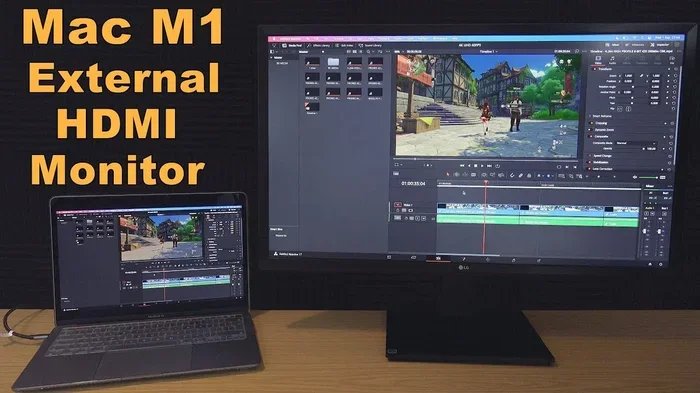
HDMI output means your Mac sends a video signal to an external display. Almost every Mac with a display port or HDMI port can do this. You plug in an external monitor, and your Mac pushes its screen to that monitor. This is the most common use case for HDMI on Mac computers.
What Is HDMI Input?
HDMI input means your Mac receives a video signal from another device. For example, you plug a PlayStation or a camera into your Mac, and the Mac displays that device’s video feed. This requires your Mac to have an HDMI port that supports input functionality, which is much less common.
Why the Difference Matters
Most Mac HDMI ports are designed for output only. Apple does not build its Macs to function as HDMI monitors in the traditional sense. However, there are workarounds, and we will explore them in detail below. Understanding this distinction helps you set the right expectations before buying any equipment.
It is also worth noting that Mac network and connectivity settings, such as Mac address filtering and other security features, do not directly affect HDMI input capability, but they can impact how your Mac communicates with external devices on a network. Keep this in mind if you are troubleshooting connectivity issues.
Which Mac Models Support HDMI Input?
Not all Macs are created equal when it comes to HDMI input. Some models have ports that can accept input signals, while others are strictly output-only. Let us look at the most common Mac models and their HDMI capabilities.
Mac Models with Limited HDMI Input Support
The Mac mini (2018 and later models with HDMI ports) can technically accept HDMI input, but only under specific conditions. Apple designed these HDMI ports primarily for output, yet some users have found ways to use them for input with the right capture card setup.
- Mac mini (2018+): Has an HDMI port that supports output. Input is possible with a capture card.
- iMac (2019 and earlier): Some models have HDMI ports, but they are output-only for display purposes.
- Mac Pro (2019): Includes HDMI ports, but they function as output ports for external displays.
Mac Models Without HDMI Ports
Most modern MacBooks, MacBook Airs, and MacBook Pros do not have HDMI ports at all. They rely entirely on Thunderbolt or USB-C ports. This means you need a USB-C to HDMI adapter or a capture card to achieve any HDMI input functionality.
- MacBook Air (M1 and later): No HDMI port. Requires a USB-C adapter.
- MacBook Pro (2016 and later): Thunderbolt / USB-C only. Needs an adapter for HDMI.
- MacBook (2015 and earlier): Had a Mini DisplayPort, not HDMI. Required a full adapter setup.
Quick Comparison Table
| Mac Model | Has HDMI Port? | Supports HDMI Input? | Solution Needed |
|---|---|---|---|
| Mac mini (2018+) | Yes | Partial (with capture card) | HDMI capture card |
| iMac (2019 and earlier) | Yes | No (output only) | USB-C capture card |
| Mac Pro (2019) | Yes | No (output only) | USB-C capture card |
| MacBook Air (M1+) | No | No (native) | USB-C to HDMI capture card |
| MacBook Pro (2016+) | No | No (native) | USB-C to HDMI capture card |
How to Use HDMI as Input on Your Mac
If your Mac does not natively support HDMI input, do not worry. There are reliable methods to make it work. Here are the most effective approaches.
Method 1: Use an HDMI Capture Card
An HDMI capture card is the most popular and reliable way to get HDMI input on a Mac. This small device plugs into your Mac via USB-C or Thunderbolt and accepts an HDMI input from another device. Your Mac then recognizes the capture card as a video source.
Popular options include the Elgato Cam Link, AVerMedia Live Gamer Mini, and generic USB HDMI capture adapters. These devices work with most Mac models and are relatively affordable.
- Plug the HDMI cable from your source device (console, camera, etc.) into the capture card.
- Connect the capture card to your Mac using a USB-C cable.
- Open your Mac’s camera or video app to see the HDMI input feed.
- Adjust settings in your video software for the best quality.
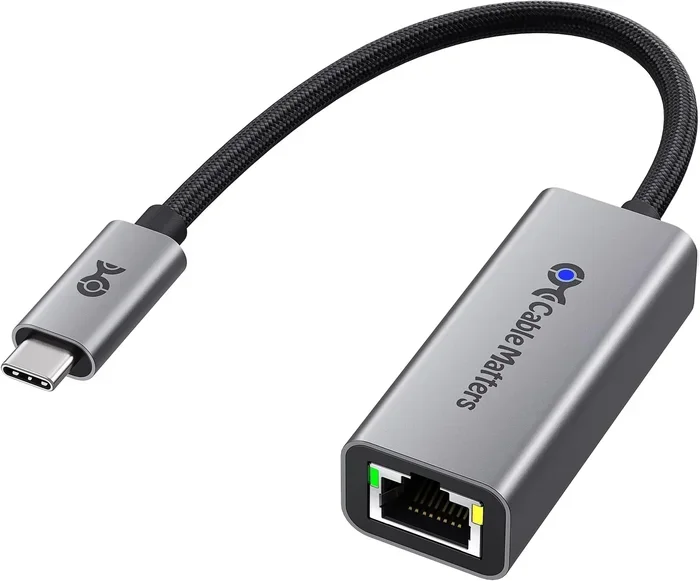
Method 2: Use a USB-C to HDMI Adapter with Input Support
Some USB-C to HDMI adapters support bidirectional connectivity. This means they can both send and receive HDMI signals. However, these adapters are rare and often expensive. Make sure to check the product specifications carefully before purchasing.
Look for adapters explicitly labeled as “bidirectional” or “input and output.” Standard adapters almost always only support output from Mac to a display.
Method 3: Use a Thunderbolt Dock with HDMI Input
Thunderbolt docking stations sometimes include HDMI input ports. These docks connect to your Mac and provide additional connectivity options, including the ability to receive HDMI input from external devices.
Brands like CalDigit and OWC offer Thunderbolt docks with versatile port configurations. These are ideal for users who need multiple connection types in one device.
Quick Tips for HDMI Input Setup
- Always use high-quality HDMI cables to avoid signal loss.
- Check your Mac’s macOS version for compatibility with capture cards.
- Restart your Mac after connecting new hardware to ensure proper recognition.
- Update your Mac’s drivers and software regularly for the best performance.
Common Mistakes When Trying to Use HDMI Input on Mac
Many users run into frustration when setting up HDMI input on their Mac. Most of these problems come from simple, avoidable mistakes. Here are the most common ones.
Mistake 1: Buying the Wrong Adapter
The most frequent mistake is purchasing a standard HDMI output adapter instead of a bidirectional or capture card solution. A regular USB-C to HDMI adapter will not receive input signals. Always verify the adapter supports input before buying.
Mistake 2: Assuming All HDMI Ports Are the Same
Not every HDMI port on a Mac supports input. Even if your Mac has an HDMI port, it may only be designed for output. Do not assume that just because a port exists, it can receive signals.
Mistake 3: Ignoring macOS Compatibility
Some capture cards work perfectly on older versions of macOS but fail on newer ones. Always check the capture card manufacturer’s website for macOS compatibility before making a purchase.
Mistake 4: Using Low-Quality Cables
Cheap HDMI cables can cause signal interference, flickering, or no signal at all. Invest in a certified, high-speed HDMI cable for the best results.
Expert Insight
According to hardware experts, the best approach for most Mac users is a USB-C HDMI capture card. It is affordable, widely compatible, and easy to set up. Avoid overcomplicating the process with expensive docking stations unless you need multiple ports.
Best HDMI Capture Cards for Mac
Not all capture cards are created equal. Here are some of the best options for using HDMI input with your Mac.
Elgato Cam Link 4K
The Elgato Cam Link 4K is one of the most popular capture cards for Mac users. It supports 4K resolution at 30fps and 1080p at 60fps. It works seamlessly with macOS and is plug-and-play.
AVerMedia Live Gamer Mini
This compact capture card offers 1080p resolution at 60fps. It is affordable and works well with most Mac models. The setup is straightforward, and the software is user-friendly.
Generic USB HDMI Capture Adapters
If you are on a budget, generic USB HDMI capture adapters work surprisingly well for basic tasks. They typically support 1080p at 30fps and cost under $20. Just make sure to check macOS compatibility before buying.
Comparison Table: Top Capture Cards for Mac
| Capture Card | Max Resolution | Price Range | Mac Compatible | Best For |
|---|---|---|---|---|
| Elgato Cam Link 4K | 4K @ 30fps | $100-$130 | Yes | Professional video input |
| AVerMedia Live Gamer Mini | 1080p @ 60fps | $50-$70 | Yes | Budget-friendly streaming |
| Generic USB Capture Card | 1080p @ 30fps | $10-$25 | Mostly | Basic video capture |
Using Your Mac as an External Monitor
Some users want to use their Mac as a monitor for another device, like a PlayStation or a PC. This is a common use case for HDMI input, but it comes with limitations.
Target Display Mode (Older Macs)
Older iMacs (2009-2014) supported Target Display Mode, which allowed them to function as external monitors using Mini DisplayPort or Thunderbolt cables. However, this feature does not support HDMI input directly. You would still need a capture card for HDMI sources.
macOS Screen Sharing and Remote Desktop
While macOS does not have a built-in feature to use the Mac screen as a direct HDMI monitor, you can use screen sharing or remote desktop tools to display another computer’s screen on your Mac. This is not true HDMI input, but it achieves a similar result for some use cases.
The Bottom Line
If you need your Mac to function as an HDMI monitor for gaming or video equipment, a capture card remains the most reliable solution. It adds a small amount of latency, but for most use cases, the experience is smooth and practical.
Frequently Asked Questions
Can I plug an HDMI cable directly into my Mac to use it as a monitor?
In most cases, no. Mac HDMI ports are designed for output, not input. To use your Mac as an HDMI monitor, you will need an HDMI capture card or a bidirectional adapter that supports input functionality.
Which Mac models have HDMI ports?
The Mac mini (2018 and later), select iMac models, and the Mac Pro (2019) include HDMI ports. However, these ports primarily support HDMI output for connecting external displays, not input from other devices.
Do I need a special adapter to get HDMI input on a MacBook?
Yes. Since modern MacBooks only have USB-C or Thunderbolt ports, you need a USB-C HDMI capture card or a bidirectional USB-C to HDMI adapter. A standard HDMI adapter will only work for output, not input.
Is there any lag when using an HDMI capture card with a Mac?
There can be a slight delay depending on the capture card quality and your Mac’s processing power. Higher-end capture cards like the Elgato Cam Link 4K offer minimal lag, making them suitable for real-time video and gaming applications.
Can I use HDMI input on a Mac for streaming?
Absolutely. Many content creators use HDMI capture cards to feed camera feeds, console gameplay, or other video sources into their Mac for streaming on platforms like Twitch or YouTube.
Why does my Mac not recognize the HDMI input device?
This is usually caused by using the wrong adapter, an incompatible macOS version, or a faulty cable. Make sure your capture card is macOS-compatible, your cable is high-quality, and your Mac software is up to date.
Conclusion
Can Mac use HDMI as input? The short answer is yes, but not natively in most cases. You will need the right tools — typically an HDMI capture card or a bidirectional adapter — to make it work. Understanding your Mac model’s capabilities and limitations is the first step toward a successful setup.
Whether you are a gamer, a content creator, or someone who simply wants to connect an external video source to your Mac, the solutions outlined in this guide will help you get the job done. Avoid common mistakes, invest in quality equipment, and always check compatibility before purchasing.
The world of Mac connectivity is constantly evolving, and new solutions emerge regularly. Stay curious, keep learning, and do not let technical limitations hold you back. With the right setup, your Mac can do more than you ever imagined.
Frequently Asked Questions
What is Can Mac Use Hdmi As Input?
Can Mac Use Hdmi As Input is an important topic with many practical applications.