Can USB 3 2 Work With USB 2 0 Ports And What Happens
Can USB 3 2 work with USB 2 0 ports? Yes, your devices will connect, but they will not run at their full speed. When you plug a USB 3.2 device into an older USB 2.0 port, the connection automatically downgrades to USB 2.0 standards. This means you will experience much slower data transfer rates and lose the benefits of the newer technology.
Have you ever plugged a shiny new USB 3.2 flash drive into an older computer and wondered if it would even work? Maybe you just bought a fast external hard drive, and your laptop only has those old, rectangular USB 2.0 ports. It is a very common situation. People ask this question all the time because they do not want to waste money on new gear that might not work with their old setup. You go to the store, buy the fastest drive you can find, and then get home only to find out your computer might not be able to handle it properly. That feeling of confusion is completely normal.
The short answer is yes, can USB 3 2 work with USB 2 0 ports. The devices will physically connect and function. However, the experience will not be the same as using a modern port. You will lose the blazing fast speeds that make USB 3.2 so appealing in the first place. Think of it like putting a high-performance sports car engine into a regular family sedan. The engine is there, but the car cannot go as fast as it was designed to. In this guide, we will break down exactly what happens when you mix these two technologies. We will look at the speeds, the cables, and how you can avoid frustrating performance bottlenecks. By the end, you will know exactly what to expect when you plug in your next USB 3.2 device.
Key Takeaways
- USB 3.2 is backward compatible: It physically and logically works with USB 2.0 ports without causing damage.
- Speed drops significantly: You lose the high-speed SuperSpeed capabilities and are limited to USB 2.0 transfer rates.
- You need the right cables: Even with a compatible port, a cheap cable can limit your performance to USB 2.0.
- Charging remains slow: Power delivery also defaults to USB 2.0 levels, which can affect device charging.
- Adapters and hubs help: Using a proper USB 3.2 hub can bridge the gap between old and new connections.
📑 Table of Contents
What Happens When You Plug USB 3.2 Into a USB 2.0 Port
When you take a newer device and plug it into an older port, the system is smart enough to make it work. This is called backward compatibility. The USB 3.2 standard was designed from the ground up to work with previous USB 2.0 hardware. So, you will not break anything or fry your computer. Your computer will recognize the drive, and you can access your files without any issues at all. The connection is safe and stable. The plug will fit into the port, and the computer will power the device. This is one of the best things about the USB standard. It has always focused on keeping things working together, even when the technology changes.
But here is the catch. The connection will automatically downgrade to the slowest common standard. This means your USB 3.2 device will behave exactly like a USB 2.0 device. You lose the SuperSpeed advantage that you were expecting. The data transfer speed drops dramatically to match the older port. If you are trying to move a large video file or back up your entire photo library, you will be waiting a lot longer than you should. The device is capable of so much more, but the port holds it back. It is like having a firehose but only turning on a trickle of water. You have the power, but you cannot use it.
The Concept of Backward Compatibility
Port compatibility is one of the best things about USB technology. The designers of USB 3.2 made sure that people with older computers could still use new drives and accessories. They wanted to make the transition smooth for everyone. The physical shape of the connectors helps with this a lot. A USB Type-A plug from a USB 3.2 drive fits perfectly into a USB 2.0 port on your computer. It clicks right in and makes a solid connection. You do not need any special adapter just to make the physical connection work. The plug and play nature of USB means your operating system, whether it is Windows or Mac, will detect the device immediately. It just treats it as a standard USB 2.0 device instead of a fast USB 3.2 one. You do not have to do anything special. The computer figures it out on its own and adjusts the connection speed accordingly.
Even older devices that use a USB-B square port can benefit from this backward design. If you have a printer or scanner with a USB-B connection, the same rules apply. The system will negotiate the slowest common speed. This ensures that all your different gadgets can talk to each other without causing errors or system crashes. It is a very clever engineering solution that has kept the USB ecosystem growing for decades.
Why the Speed Drops
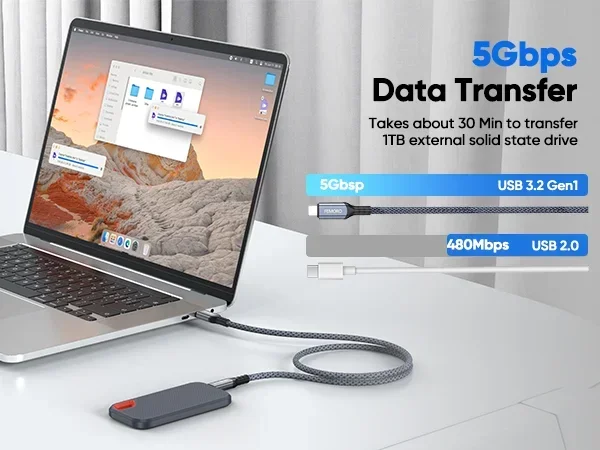
Understanding why the speed drops helps you manage your expectations going forward. USB 2.0 has a bandwidth limit. It can only move so much data at one time. It was built for a different era when files were smaller and internet connections were slower. USB 3.2 has a much wider highway for data to travel on. It can handle massive amounts of information all at once. When you force a USB 3.2 car onto a USB 2.0 road, it has to stay in the slow lane. The transfer rate is capped by the legacy port on your computer. Your device might be capable of ten gigabits per second, but the older port will only let it go forty megabits per second. That is a huge difference. You will notice it right away when you are copying files from your drive to your computer. The progress bar will crawl across the screen.
Understanding USB 3.2 and USB 2.0 Speeds
To really understand what happens when you mix these two standards, you need to know the actual numbers behind them. The difference between them is massive. It is the difference between a bicycle and a bullet train. Let us look at what each standard can do and what it means for your daily tasks.
USB 2.0 Data Transfer Rates
USB 2.0 is a very old standard now. It has been around for more than twenty years. When it was new, it was fast enough for the needs of that time. But today, it feels very slow by modern standards. The maximum data transfer speed for USB 2.0 is about forty megabits per second. In real life, you rarely hit that theoretical maximum number. You might see speeds around twenty-eight to thirty-five megabits per second in practice. That is fast enough for a small document or a few low-resolution pictures. But if you try to move a ten-gigabyte movie file or a huge folder of high-resolution photos, it will take a very long time. You might be staring at your screen for several minutes while the files copy over. For a quick look at a document, it is fine. But for real work, it holds you back.
USB 3.2 SuperSpeed Capabilities
USB 3.2 is a completely different beast compared to the old USB 2.0. The term SuperSpeed is not just marketing fluff. It is the actual name for the fast transfer mode in USB 3.2. Depending on the specific version of USB 3.2 you have, it can transfer data at ten or even twenty gigabits per second. That is two hundred and fifty times faster than USB 2.0. With USB 3.2, you can move a ten-gigabyte movie in just a few seconds. This makes external hard drive backups, large video editing projects, and quick file sharing incredibly convenient. You do not have to sit around twiddling your thumbs waiting for your files to copy. You can plug in the drive, grab what you need, and move on with your day. It is a completely different experience compared to the old standard.
The Real-World Impact of Slower Speeds
So, what does this mean for you in real life? If you plug a USB 3.2 external hard drive into a USB 2.0 port, you will not get the fast speeds you paid for. You will experience a performance bottleneck. The drive itself is fast, but the port is the weak link in the chain. You will be stuck at the USB 2.0 speed limit. This can be very annoying if you work with large files every single day. It is like having a super-fast home internet connection but a very slow router. Your internet plan is great, but the router ruins the whole experience. You pay for speed but do not get it. You end up wasting time waiting for files to transfer that should only take a few seconds.
Physical Connectors and Cable Types
Not all USB cables and ports look the same. The physical shape of the connector plays a big role in how things work. Sometimes, the connector type itself limits what port compatibility you have. Understanding the different shapes and types will help you avoid confusion when you are shopping for gear.
USB Type-A vs. USB Type-C
The classic rectangular port on your desktop computer is a USB Type-A port. Both USB 2.0 and USB 3.2 can use this same shape. But USB 3.2 also often uses the smaller, oval USB-C connector. USB-C is reversible, which means you can plug it in either way. It is much more modern and user-friendly. If you have a USB 3.2 device with a USB-C plug, and your computer only has USB Type-A ports, you will need a cable that switches between the two. This is different from the port standard itself, but it affects how you connect things. You have to make sure you buy the right cable for the job. The wrong cable will not give you the speeds you want.
Identifying Your Cables Correctly
Using the right cable is absolutely crucial for getting good performance. A cheap or old cable might only support USB 2.0 speeds, even if your device is USB 3.2. Look closely at the cable markings. Good quality cables will say SuperSpeed or show the SS logo on the connector. If your cable does not say that, it probably limits you to USB 2.0 speeds. This is a very common mistake that many people make. They buy a fancy USB 3.2 drive, but the free cable they got with it is only a USB 2.0 cable. They plug it in, wonder why it is so slow, and think the drive is broken. Always check your cables first before you blame the device. It could save you a lot of headache and unnecessary returns.
Common Devices and Use Cases
Let us look at how this speed difference affects real devices you might own. Different devices have different needs. Some need fast speeds to be useful, while others are perfectly fine with slow connections. Knowing which is which will help you decide if using an older port is a problem for you.
Using External Hard Drives on Older Ports
If you have an external hard drive that uses USB 3.2, plugging it into a USB 2.0 port will make backups take forever. Backing up your entire computer might take hours instead of minutes. You might even forget to do backups because it is such a tedious process. For a flash drive with just a few text documents, you might not even notice the difference. The speed drop does not matter much for tiny files. But for a drive full of family photos, work projects, or large video files, the slow speed will frustrate you quickly. You will be tapping your foot waiting for the progress bar to move across the screen. It kills your productivity and your patience.
Flash Drives and Charging Scenarios
What about a simple flash drive? A flash drive full of text documents does not need a lot of speed to work well. Even USB 2.0 is fine for moving a few Word documents or spreadsheets around. You might not notice a big difference in speed for that kind of task. On the other hand, charging speed is a completely different story. USB 2.0 ports provide very little electrical power. If you plug a USB 3.2 device into a USB 2.0 port, it might charge very slowly. Or, if the device needs a lot of power to run, it might not charge at all while you are using it. The charging speed is strictly limited by the older port. This is important to remember if you are using a portable hard drive that needs power from the port itself.
How to Get the Best Performance
You do not have to suffer with slow speeds if you have an older computer. There are smart ways to get around this problem and still use your fast USB 3.2 devices effectively. A little bit of knowledge can go a long way toward fixing your connection issues.
Upgrading Your Ports with Hubs
The best solution for slow speeds is to buy a USB hub. A hub is a small box that plugs into your computer and gives you more ports to use. Many hubs today have USB 3.2 or even USB 3.1 ports built into them. You plug the hub into your computer, and then you plug your fast device into the hub. But wait, there is a catch. If the hub plugs into a USB 2.0 port, the hub itself will be limited to USB 2.0 speeds. It will not magically make the connection faster. You need a hub that takes a USB 3.0 or USB 3.2 port on your computer to get the full benefit. If your computer only has USB 2.0 ports, a hub will not solve the problem. You need to upgrade the actual port on the computer itself to see a real speed improvement.
Checking Your Device Settings
Sometimes the problem is not the port or the cable, but your computer settings. Operating systems have power management features that can turn off fast ports to save energy. Your computer might be dropping the connection to USB 2.0 speeds to conserve battery life. Go into your device manager and check your USB root hub settings. Make sure the system is not allowed to turn off the USB controller to save power. This simple check can sometimes restore full USB 3.2 speeds if your port actually supports it but is being throttled by the operating system. It is a quick fix that many people overlook when they are troubleshooting slow transfer speeds.
Conclusion
So, can USB 3 2 work with USB 2 0 ports? Yes, absolutely. Your devices will connect and work without any physical problems. But you have to accept that the speeds will drop to USB 2.0 levels. You will lose the SuperSpeed advantage that makes USB 3.2 so great in the first place. For small tasks like moving a text file, this might not matter at all. But for big file transfers, massive backups, or professional video editing, it makes a huge difference in your workflow. If you want the full speed of USB 3.2, you need a USB 3.2 port on your computer. Always check your ports before buying new gear. It will save you time, money, and a lot of frustration in the long run. Enjoy your tech, and make sure you are getting the speeds you are paying for!
Frequently Asked Questions
Can I use a USB 3.2 flash drive in a USB 2.0 port?
Yes, you can. The drive will work perfectly fine. However, it will not run at its fastest speed. It will automatically slow down to match the older USB 2.0 standard. You can still store and access your files without any problems.
Why is my USB 3.2 drive so slow on a USB 2.0 port?
Your drive is slow because the port limits the speed. The USB 2.0 port acts as a bottleneck. It can only handle a certain amount of data at a time. Even though your drive is much faster, it has to wait its turn in the slow lane.
Do I need a special adapter to make USB 3.2 work with USB 2.0?
No, you do not need a special adapter for the connection itself. The shapes of the ports are designed to be compatible. You just plug it in. However, if you have a USB-C drive and a USB-A port, you will need a simple cable adapter to bridge the physical shapes.
Does plugging USB 3.2 into USB 2.0 damage the port?
No, it does not cause any damage. USB is designed to be safe. The computer and the device will negotiate the connection safely. You can plug and unplug your drive without worrying about breaking your computer or the device.
Will I still get power to charge my device on a USB 2.0 port?
Yes, you will still get power. But the charging speed will be much slower. USB 2.0 ports provide less electrical power than USB 3.2 ports. Your device might take a long time to charge if it relies on the port for power.
How can I tell if my port is USB 2.0 or USB 3.2?
You can usually tell by the color of the port inside. USB 2.0 ports are often black or white. USB 3.0, 3.1, and 3.2 ports are often blue or red. You can also check your computer specifications in the system settings to see what type of ports you have.