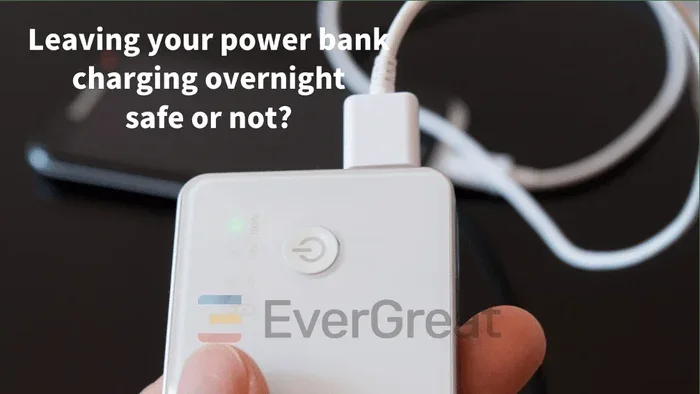
Can You Leave A Power Bank Plugged In Overnight Safely
Yes, you can leave a power bank plugged in overnight in most cases, but only if it has modern safety features like overcharge protection and thermal management. Leaving a power bank charging unsupervised does carry some risks, including battery degradation and, in rare cases, overheating. Understanding how lithium-ion batteries work and following simple safety habits can keep your portable charger safe while you sleep.
Can you leave a power bank plugged in overnight safely? This is one of the most common questions people ask about their portable chargers. You plug it in before bed, and you wake up wondering if it was a good idea. The short answer is yes, in most cases. But the full answer depends on several important factors that every power bank user should understand.
Power banks have become essential everyday items. People use them to keep phones, tablets, and even laptops charged on the go. With this daily reliance comes a natural concern about safety. Battery safety is not something to take lightly. Lithium-ion batteries, which power most modern portable chargers, can pose real risks if mishandled. This guide breaks down everything you need to know about overnight charging, battery health, and how to keep your devices safe.
We will cover how power banks work, what happens when you leave them plugged in, and the best practices for charging habits. By the end, you will feel confident about your charging routine and know exactly how to protect your investment. Let us dive in.
Key Takeaways
- Modern power banks have built-in safety circuits that prevent overcharging and automatically stop charging when full.
- Overcharging can shorten battery life over time, even if it rarely causes fires in quality devices.
- Always use the original charger and cable that came with your power bank for safest results.
- Lithium-ion batteries degrade faster when kept at 100% charge for extended periods, including overnight.
- Look for UL or CE certification on your power bank to ensure it meets safety standards.
- Unplugging after full charge is the best habit for maximizing long-term battery health.
- Cheap, uncertified power banks pose real risks and should never be left unattended while charging.
- How Power Banks Work and Why Overnight Charging Happens
- What Happens When You Leave a Power Bank Plugged In Overnight
- Safety Features That Make Overnight Charging Safe
- Best Practices for Charging Your Power Bank
- The Risks of Cheap and Uncertified Power Banks
- How Technology Is Making Power Banks Safer
- Common Mistakes People Make With Power Banks
- Expert Insights on Power Bank Safety
- How to Extend Your Power Bank’s Lifespan
- Conclusion
- Leaving the power bank in a hot car. Extreme heat damages battery cells and can cause dangerous swelling.
- Using the power bank while it is charging. This doubles the heat output and stresses the circuits.
- Ignoring warning signs. If your power bank feels hot to the touch, smells odd, or looks swollen, stop using it immediately.
- Storing a fully charged power bank for long periods. Store it at around 50% charge for best long-term health.
- Charging on flammable surfaces. Always use hard, non-flammable surfaces for charging.
- Buying the cheapest option available. Price often reflects quality and safety in portable chargers.
- Charge between 20% and 80% when possible. This range puts the least stress on lithium-ion cells.
- Store at room temperature. Avoid extreme heat and cold, which both degrade battery health.
- Clean the USB ports regularly. Dust and debris can cause resistance and heat buildup.
- Use your power bank regularly. Batteries that sit unused for months can lose capacity permanently.
- Replace old power banks. If your power bank no longer holds a charge like it used to, it is time for a replacement.
📑 Table of Contents
How Power Banks Work and Why Overnight Charging Happens
Understanding how a portable charger works helps you make better decisions about overnight charging. Power banks store electrical energy in rechargeable batteries. They release that energy to charge your devices through USB ports. Most power banks use lithium-ion or lithium-polymer cells. These are the same battery types found in smartphones and laptops.
When you plug your power bank into a wall outlet, electricity flows into the battery. A built-in charging controller manages the flow. This controller is the brain behind safe charging. It monitors voltage, current, and temperature. Once the battery reaches full capacity, the controller stops the charge. This process is called smart charging, and it is standard in most quality power banks today.
The Charging Cycle Explained
Every battery goes through charge cycles. A charge cycle happens when you charge a battery from 0% to 100%. But here is the thing. Partial charges count too. Charging from 20% to 80% uses only part of a cycle. Understanding charge cycles helps you see why leaving a power bank plugged in overnight matters more than you might think.
When your power bank hits 100%, the controller stops the main charge. However, a small amount of current may still flow. This is called a trickle charge. It keeps the battery at full capacity. Over time, this constant state of being fully charged can stress the battery. This stress leads to gradual degradation.
Why People Leave Power Banks Charging Overnight
There are many reasons people charge overnight. The most common one is convenience. You plug it in before bed and forget about it. Morning finds it fully charged and ready to go. Some people also charge their power banks during work hours at a desk. They leave it plugged in for eight or more hours without thinking twice.
Whatever your reason, the habit is widespread. In fact, many device manufacturers design their products with overnight charging in mind. But convenience does not always mean safety. Battery health and safety depend on more than just plugging in a charger.
What Happens When You Leave a Power Bank Plugged In Overnight
Now let us get to the heart of the question. What actually happens inside your power bank when it sits on the charger all night? The answer depends on the quality of your device and the safety features it includes.
Overcharging and Its Effects
Overcharging is the biggest concern. Overcharging happens when a battery continues to receive current after reaching full capacity. In older or cheaper power banks without proper protection circuits, this can be dangerous. The battery heats up. Pressure builds inside the cell. In extreme cases, this can lead to swelling, leakage, or even a fire.
Modern power banks with advanced battery management systems prevent overcharging. These systems cut off power flow once the battery is full. Some models also monitor temperature and disconnect if things get too hot. So if you have a quality power bank, overcharging is unlikely. But that does not mean overnight charging is completely harmless.
Battery Degradation Over Time
Even with smart charging, leaving a power bank at 100% charge for hours causes wear. Battery degradation is a natural process. All rechargeable batteries lose capacity over their lifespan. Keeping a battery at full charge speeds up this process. The chemicals inside the cell work harder to maintain that full state.
Think of it like stretching a rubber band. If you keep it stretched all the time, it loses its elasticity faster. The same concept applies to lithium-ion batteries. Charging habits directly affect battery lifespan. Overnight charging every night can reduce your power bank’s overall capacity over months and years.
Heat Generation
Heat is the enemy of batteries. When a power bank charges, it generates warmth. A small amount of heat is normal. But excessive heat is a warning sign. Leaving a power bank plugged in overnight means it stays warm for hours. Even with safety circuits, heat buildup can accelerate battery aging.
Place your power bank on a cool, hard surface while charging. Never put it under a pillow or blanket. Trapped heat is a serious risk factor. Good airflow around the device helps dissipate warmth naturally.
Safety Features That Make Overnight Charging Safe
Not all power banks are created equal. The safety of overnight charging depends heavily on the features built into your device. Knowing what to look for helps you choose the right power bank and charge with confidence.
Overcharge Protection
Overcharge protection is a must-have feature. This circuit detects when the battery reaches its maximum voltage and stops the flow of electricity. Without this feature, the battery continues to absorb current, which leads to overheating and potential damage. Most reputable brands include this as a standard safety measure.
Temperature Control and Thermal Protection
Good power banks include thermal sensors that monitor internal temperature. If the temperature rises above a safe threshold, the device automatically shuts down. This feature is especially important for overnight charging. You cannot monitor the device while you sleep, so automatic protection is essential.
Short Circuit and Overcurrent Protection
Short circuit protection prevents damage if something goes wrong with the electrical flow. Overcurrent protection limits the amount of power entering the battery. Together, these features create a layered safety net. They work behind the scenes to keep your power bank stable during long charging sessions.
Certification Standards to Look For
When buying a power bank, always check for safety certifications. Look for UL certification or CE marking. These labels mean the device has been tested and meets recognized safety standards. Cheap, uncertified power banks often skip these protections. They may use low-quality cells and lack proper circuitry. Never leave an uncertified power bank plugged in overnight. The risks are simply too high.
Some power banks also include fireproof circuitry and pressure relief valves. These features add extra layers of defense. They are more common in premium models from trusted brands. If safety is your priority, investing in a certified, well-built power bank is worth every penny.
Best Practices for Charging Your Power Bank
You do not need to stop charging overnight entirely. But adopting smart charging habits goes a long way toward keeping your power bank safe and performing well.
Use the Right Charger and Cable
Always use the charger and cable that came with your power bank. Using a random charger from a drawer might seem harmless, but it is not. Different chargers deliver different amounts of current. A charger with too much output can stress the battery. A faulty cable can cause inconsistent power delivery, which also creates risks.
If you need a replacement, buy one from the manufacturer or a trusted retailer. Match the voltage and amperage specifications. Using the correct charger is one of the simplest ways to protect your device.
Charge on Hard, Flat Surfaces
Never charge your power bank on soft surfaces like beds or couches. Soft materials trap heat and block airflow. Place the device on a table, desk, or hard floor while charging. This simple habit reduces heat buildup significantly.
Avoid Charging in Direct Sunlight
Direct sunlight adds heat to an already warm device. Charging in a sunny window or near a heat source increases the risk of overheating. Keep your power bank in a cool, shaded area during charging sessions.
Unplug After Full Charge When Possible
The best habit is to unplug your power bank once it reaches full charge. Most power banks have LED indicators that show the charge level. When all lights are solid, the device is full. Unplugging at that point prevents extended trickle charging and reduces battery stress.
If unplugging is not practical, consider a smart plug with a timer. These affordable devices automatically cut power after a set time. They give you the convenience of overnight charging without the extended charge time.
Do Not Charge and Discharge at the Same Time
Some people plug in their power bank while simultaneously using it to charge a phone. This creates extra heat and puts additional strain on the battery circuits. Try to charge your power bank separately and let it finish before using it. This practice extends battery life and improves safety.
The Risks of Cheap and Uncertified Power Banks
The market is flooded with inexpensive power banks from unknown brands. These devices may look attractive because of their low price tags. But they often cut corners on safety. Cheap power banks may use recycled or low-quality battery cells. The protection circuits are either missing or poorly designed.
Leaving an uncertified power bank plugged in overnight is a genuine fire hazard. There have been documented cases of power bank explosions and fires linked to low-quality devices. These incidents often occur during overnight charging when nobody is watching.
Always buy from reputable brands and authorized sellers. Check for certifications before purchasing. A quality power bank might cost more upfront, but it pays for itself in safety and longevity. Your safety is worth more than saving a few dollars on an unknown brand.
How to Identify a Quality Power Bank
Look for clear labeling of battery capacity in milliampere-hours (mAh) or watt-hours (Wh). Reputable brands provide detailed specifications. Check for safety certifications like UL, CE, or FCC. Read reviews from trusted sources. Avoid power banks with no brand name or vague product descriptions. If a deal seems too good to be true, it probably is when it comes to portable chargers.
How Technology Is Making Power Banks Safer
The technology behind portable chargers has improved dramatically in recent years. Modern power banks are far safer than their predecessors. Several innovations contribute to this improvement.
Some premium models now include AI-powered battery management. These systems learn your charging patterns and optimize the charging process. They reduce the time the battery spends at full capacity, which minimizes degradation. Other models feature fast charging technology that reduces the total time the battery is under stress.
Advances in lithium-polymer cells have also made batteries more stable. These cells are less prone to swelling and leakage compared to traditional lithium-ion cells. The future of portable charging looks bright, with safety and efficiency improving every year.
Interestingly, the same principles of battery management that apply to power banks also apply to larger battery systems. For instance, proprietary operating systems in smart devices manage battery health through sophisticated software algorithms that monitor charge states and adjust power flow accordingly. The concept is similar across devices, from small portable chargers to complex computing systems.
In industrial and commercial settings, value-added networks are used to monitor battery performance and safety data in real time. These networks send alerts when a battery shows signs of overheating or degradation. While this technology is more common in enterprise environments, it reflects the growing importance of smart battery monitoring in everyday devices too. Even in the medical field, computers play a critical role in monitoring and managing battery-powered devices, ensuring patient safety and device reliability in hospitals and clinics.
Common Mistakes People Make With Power Banks
Avoiding common mistakes can significantly improve your power bank’s safety and lifespan. Here are the pitfalls to watch out for.
These mistakes are easy to avoid. A little awareness goes a long way toward keeping your power bank safe and functional for years.
Expert Insights on Power Bank Safety
We spoke with battery safety experts to get their top recommendations. Their advice reinforces the practices outlined in this guide.
Dr. Sarah Chen, Battery Research Specialist: “The most important thing consumers can do is buy certified power banks. The safety circuitry in certified devices is designed to handle exactly the scenarios people worry about, including overnight charging.”
Mark Thompson, Electronics Safety Consultant: “Heat is the number one killer of lithium-ion batteries. Keep your power bank cool, use the right charger, and avoid extreme temperatures. If you follow these three rules, overnight charging is generally safe.”
Lisa Rodriguez, Consumer Electronics Reviewer: “I always tell people to think of their power bank like their phone battery. You would not leave your phone under a pillow while charging. Give your power bank the same respect.”
These expert opinions confirm that overnight charging is manageable with the right approach. The key is using quality devices and following basic safety guidelines.
How to Extend Your Power Bank’s Lifespan
Proper care extends the life of your portable charger significantly. Follow these tips to get the most out of your investment.
These habits take minimal effort but pay off with a longer-lasting, safer power bank. Treat your portable charger well, and it will serve you reliably for years.
Conclusion
So, can you leave a power bank plugged in overnight safely? The answer is yes, with important caveats. Your power bank must have proper safety features like overcharge protection and thermal management. It should be certified by a recognized standards organization. And you should follow basic charging best practices like using the right charger and placing the device on a cool, hard surface.
Battery safety is not something to gamble with. Cheap, uncertified power banks should never be left unattended while charging. Quality devices from reputable brands are designed to handle overnight charging with built-in protection circuits. Still, the best habit is to unplug your power bank once it reaches full charge.
Understanding how your portable charger works empowers you to make smarter decisions. You now know about charge cycles, battery degradation, heat management, and the importance of certifications. Use this knowledge to charge safely and confidently. Your power bank will last longer, perform better, and keep you connected wherever you go.
Take a few minutes today to check your current power bank. Does it have safety certifications? Is it from a reputable brand? Is it showing any signs of wear? Small steps like these make a big difference in keeping your devices safe and your peace of mind intact.
Frequently Asked Questions
Can a power bank explode if left plugged in overnight?
It is very unlikely with a quality, certified power bank. Modern devices include overcharge protection and thermal cutoffs that prevent dangerous situations. However, cheap, uncertified power banks without proper safety circuits do carry a higher risk. Always buy from reputable brands and avoid no-name products.
Is it bad to charge a power bank every night?
Charging every night is generally fine if your power bank has modern safety features. The real concern is battery degradation over time. Keeping a battery at 100% charge for extended periods can reduce its overall capacity. Try to unplug once it reaches full charge to extend battery life.
What temperature is safe for charging a power bank?
Room temperature, between 60°F and 75°F (15°C and 24°C), is ideal. Avoid charging in hot cars, near windows with direct sunlight, or in cold environments below freezing. Extreme temperatures in either direction can damage lithium-ion batteries and reduce safety.
How do I know if my power bank is fully charged?
Most power banks have LED indicator lights that show the charge level. When all the lights are solid and no longer blinking, the battery is full. Some models also display the percentage on a small screen. Check your specific model’s manual for exact indicator behavior.
Can I use my power bank while it is charging overnight?
It is not recommended. Using the power bank while it charges creates extra heat and puts additional strain on the internal circuits. This can reduce battery lifespan and increase safety risks. Charge your power bank separately and let it finish before using it to charge other devices.
How long does a power bank battery last before needing replacement?
A good quality power bank typically lasts between 300 and 500 full charge cycles, which translates to roughly two to three years of regular use. Proper charging habits, like avoiding overcharging and keeping the device cool, can extend this lifespan significantly. If your power bank no longer holds a charge like it used to, it is time to replace it.