Are Hidden Cameras Legal In US and What You Need to Know
Hidden cameras exist in a legal gray area across the United States. The legality of hidden cameras depends on federal law, state law, and whether you have consent. While some states allow recording in public spaces, others require two-party consent for any surveillance. Understanding your privacy rights can save you from serious legal trouble.
Key Takeaways
- Federal law does not ban hidden cameras outright: The Fourth Amendment protects against unreasonable searches, but it does not set specific rules for hidden cameras.
- State laws vary widely: Some states require one-party consent, while others demand two-party consent for any video or audio recording.
- Consent is the key factor: In most cases, recording someone without their knowledge in private spaces is illegal, regardless of the state.
- Public vs. private spaces matter: Hidden cameras in public areas face fewer restrictions than those placed in bathrooms, bedrooms, or changing rooms.
- Workplace surveillance has its own rules: Employers must balance security needs with employee privacy rights under labor laws.
- Audio recording adds another layer: Many states treat audio recording more strictly than video recording when it comes to surveillance cameras.
- Penalties can be severe: Illegal use of hidden cameras can result in fines, criminal charges, and civil lawsuits for privacy violations.
📑 Table of Contents
- Are Hidden Cameras Legal In US? The Complete Guide
- Federal Law and Hidden Cameras
- State Laws: Where Things Get Complicated
- Where Hidden Cameras Are Legal
- Where Hidden Cameras Are Illegal
- Audio Recording: The Hidden Legal Trap
- Common Uses of Hidden Cameras and Their Legal Status
- Penalties for Illegal Hidden Camera Use
- Quick Tips to Stay on the Right Side of the Law
- Common Mistakes People Make with Hidden Cameras
- Expert Insights on Hidden Camera Legality
- Conclusion
Are Hidden Cameras Legal In US? The Complete Guide
Hidden cameras are everywhere. They sit in hotel rooms, office buildings, stores, and even homes. People use them for security, monitoring, and sometimes for reasons that are not so noble. If you have ever wondered whether hidden cameras are legal in the US, you are not alone. The answer is not a simple yes or no. It depends on where you are, who you are recording, and what state you live in.
The legal landscape around hidden cameras is complex. Federal law sets a baseline, but each state has its own rules. These rules cover video recording, audio recording, and privacy rights. This guide breaks it all down in plain language. By the end, you will know exactly where the legal lines are drawn.
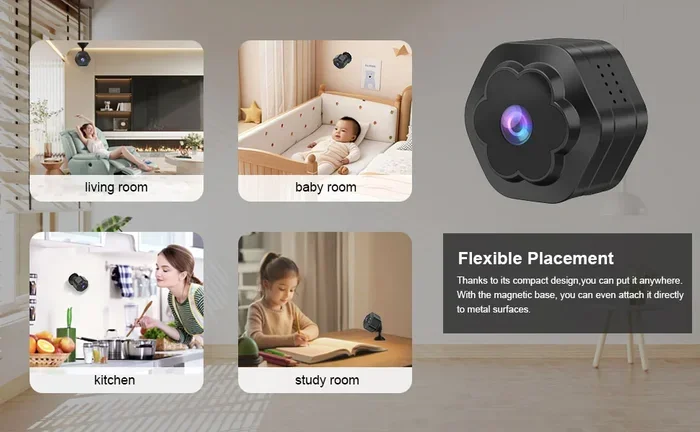
Let us start with the basics. A hidden camera is any device that records video or audio without the subject knowing. This includes spy cameras, nanny cams, body-worn cameras, and even cameras hidden in everyday objects like clocks or smoke detectors. The legal question is not whether you can buy one. It is whether you can use it without breaking the law.
Why This Matters More Than Ever
Technology has made hidden cameras cheaper and easier to use. A tiny camera can now fit inside a button or a charging cable. This means more people have access to surveillance tools than ever before. With that access comes a greater risk of misuse. People secretly record partners, coworkers, and even strangers. This is where the law steps in to protect privacy rights.
Hospitals and healthcare facilities also use surveillance technology extensively. Computers play a big role in modern healthcare settings, from patient monitoring systems to security networks. Understanding how technology integrates into sensitive environments like hospitals helps frame the broader conversation about surveillance and privacy. For a deeper look at how technology supports these environments, check out 10 Ways Computers Are Used In Medicine.
Federal Law and Hidden Cameras
There is no single federal law that says hidden cameras are legal or illegal in the US. Instead, the Constitution provides the strongest protection. The Fourth Amendment guards against unreasonable searches and seizures. Courts have interpreted this to mean that people have a reasonable expectation of privacy in certain places.
So what does this mean for hidden cameras? It means the government cannot place a hidden camera in your home without a warrant. But private individuals and companies operate under different rules. The Fourth Amendment limits government action, not personal or business surveillance.
The Role of Federal Statutes
While there is no blanket federal law on hidden cameras, some federal statutes apply. The Wiretap Act (also known as the Electronic Communications Privacy Act) makes it illegal to intercept oral communications without consent. This applies to audio recording. If you record someone’s private conversation without their knowledge, you may be breaking federal law.
The Video Voyeurism Prevention Act is another federal law worth knowing. It specifically targets hidden cameras used to record people in private areas like bathrooms and dressing rooms. This law applies across all states and carries serious penalties.
State Laws: Where Things Get Complicated
State law is where the real differences show up. Each state sets its own rules for video surveillance and audio recording. Some states are very permissive. Others are strict. Understanding your state’s law is essential before you place any hidden camera.
One-Party Consent States
Most states in the US follow a one-party consent model for audio recording. This means that only one person in the conversation needs to know about the recording. If you are part of the conversation, you can legally record it in many states. However, this does not mean you can record anyone, anywhere. Privacy expectations still apply.
Examples of one-party consent states include:
- New York
- Texas
- Florida
- Ohio
- Illinois (for video, but note audio rules may differ)
Two-Party Consent States
Some states require two-party consent for audio recording. This means everyone being recorded must know about it and agree. In these states, recording a private conversation without everyone’s consent is a crime. The penalties can include fines and even jail time.
Examples of two-party consent states include:
- California
- Washington
- Connecticut
- Maryland
- Pennsylvania
- Massachusetts
It is important to note that two-party consent laws apply mainly to audio. Video recording rules can still differ from audio rules in the same state. Always check both sets of laws before using any surveillance camera.
Where Hidden Cameras Are Legal
In general, hidden cameras are more likely to be legal in places where people do not have a strong expectation of privacy. Public spaces are the most common example. If you are in a store, a park, or a street, you generally do not have a right to privacy from being recorded.
Public Spaces
Businesses can often use hidden cameras in public areas of their property. This includes store floors, parking lots, and lobbies. The reasoning is simple. People in public spaces do not expect complete privacy. However, even in public spaces, there are limits. You cannot place a hidden camera in a restroom or a private dressing area, even if it is inside a public building.
Private Homes
Using hidden cameras in your own home is generally legal, with some exceptions. A nanny cam is a common example. Parents often place cameras to monitor babysitters or caregivers. In most states, this is legal as long as the camera is not in a bathroom or bedroom where the nanny has a reasonable expectation of privacy. Some states also require that the nanny be informed about the camera, even in your own home.
Workplaces
Employers can use hidden cameras for security purposes in many cases. Common locations include hallways, break rooms, and entrances. However, employers cannot place cameras in areas where employees have a reasonable expectation of privacy. This includes restrooms, locker rooms, and private offices. Labor laws in some states also require employers to notify employees about surveillance.
Where Hidden Cameras Are Illegal
Certain places are off-limits for hidden cameras in every state. These areas are protected by strong privacy rights. Placing a camera in these locations is almost always illegal.
Bathrooms and Changing Rooms
This is the clearest rule in hidden camera law. No hidden camera is allowed in a bathroom, toilet, locker room, or changing room. The Video Voyeurism Prevention Act makes this a federal crime. State laws reinforce this with additional penalties. Violators can face felony charges, prison time, and heavy fines.
Private Bedrooms and Living Quarters
Recording someone in their bedroom without consent is illegal in most situations. This applies to hotels, rentals, and private homes. A hotel room is considered a private space. Placing a hidden camera there without the guest’s knowledge is a crime in many states.
Areas Where People Change Clothes
Retail stores, gyms, and salons must be especially careful. Hidden cameras in fitting rooms or near clothing areas are almost always illegal. Even if the camera only records video, the expectation of privacy in these areas is very high.
Audio Recording: The Hidden Legal Trap
Many people forget that hidden cameras often record audio too. This creates a separate legal issue. Audio recording laws are stricter than video recording laws in most states. A camera that is legal for video may still be illegal if it captures audio without proper consent.
Here is a quick comparison:
| Aspect | Video Recording | Audio Recording |
|---|---|---|
| General Legality | Legal in public spaces | Requires consent in most states |
| Expectation of Privacy | Applies in private spaces | Applies in most private conversations |
| Federal Protection | Limited | Wiretap Act applies |
| Penalties | Varies by state | Often stricter than video |
If you plan to use a surveillance camera that captures audio, you need to understand the consent laws in your state. In two-party consent states, recording audio without everyone’s agreement is a crime. Even in one-party consent states, recording audio in a private setting can lead to privacy violations.
Common Uses of Hidden Cameras and Their Legal Status
People use hidden cameras for many reasons. Some are perfectly legal. Others are not. Let us look at common uses and where they stand legally.
Nanny Cams
Nanny cams are among the most common hidden cameras. Parents use them to check on babysitters and caregivers. In most states, this is legal as long as the camera is not in a private area like a bathroom. Some states require you to tell the caregiver about the camera. Check your state’s surveillance laws before using one.
Home Security Cameras
Security cameras that are visible are generally legal. But hidden security cameras inside your home are a gray area. If you live alone, you can usually place cameras anywhere except bathrooms and bedrooms used by guests. If you share your home with others, they may have a right to know about the cameras.
Business Security Cameras
Businesses often use hidden cameras to prevent theft and monitor employee behavior. This is generally legal in public areas of the business. However, placing cameras in employee restrooms or changing areas is illegal. Many states also require businesses to post signs about surveillance.
Neighbor Surveillance
Pointing a hidden camera at your neighbor’s property is risky. You may be recording areas where they have a reasonable expectation of privacy, like their backyard or inside their home. This can lead to privacy violation lawsuits and even criminal charges.
Penalties for Illegal Hidden Camera Use
The penalties for using hidden cameras illegally can be severe. They vary by state and by the nature of the offense. Here are the common consequences:
- Criminal charges: Misdemeanor or felony charges depending on the state and the severity of the violation.
- Fines: Ranging from a few hundred dollars to tens of thousands of dollars.
- Jail time: Some states impose prison sentences for illegal surveillance, especially in cases involving audio recording or voyeurism.
- Civil lawsuits: Victims can sue for damages related to privacy violations. These lawsuits can result in large financial settlements.
- Evidence suppression: Any footage obtained illegally may be thrown out of court and cannot be used as evidence.
Quick Tips to Stay on the Right Side of the Law
Follow these simple tips to use hidden cameras legally and responsibly:
- Know your state law: Research both video and audio recording laws in your state before setting up any camera.
- Get consent when required: In two-party consent states, always get permission from everyone being recorded.
- Avoid private spaces: Never place a hidden camera in bathrooms, bedrooms, or changing rooms.
- Use visible cameras when possible: Visible cameras are less likely to raise legal concerns.
- Disable audio recording: If you are unsure about audio laws, turn off the microphone on your camera.
- Post signs in businesses: Many states require businesses to inform people that surveillance is in use.
- Consult a lawyer: When in doubt, seek legal advice. A local attorney can help you understand your specific situation.
Common Mistakes People Make with Hidden Cameras
Even well-meaning people can run into legal trouble with hidden cameras. Here are the most common mistakes:
- Assuming public spaces are fair game: Just because you are in a public place does not mean you can record anyone without limits. Some states have specific rules about recording in public.
- Ignoring audio recording laws: Many people focus only on video and forget about audio. This is a costly mistake. Audio laws are often stricter.
- Placing cameras in rental properties without permission: Tenants have privacy rights even in rental homes. Landlords must follow specific rules about surveillance.
- Sharing recorded footage publicly: Even if you legally recorded the footage, sharing it without consent can create legal problems.
- Using hidden cameras to spy on a partner: This is one of the most common misuse cases. It is almost always illegal and can result in criminal charges and divorce proceedings.
Expert Insights on Hidden Camera Legality
Privacy law experts agree that the rules around hidden cameras are evolving. As technology changes, so do the laws. Many legal professionals recommend erring on the side of caution. If you are unsure whether a hidden camera is legal, assume it is not until you confirm otherwise.
Key advice from legal experts: Always prioritize consent over convenience. A simple conversation about cameras can prevent serious legal consequences. When it comes to surveillance cameras, transparency is your best friend.
Conclusion
The question of whether hidden cameras are legal in the US does not have a one-size-fits-all answer. Federal law provides a baseline, but state laws control the details. Consent, privacy expectations, and the location of the camera all play a role. Whether you are considering a nanny cam, a home security setup, or business surveillance, understanding the law is your first step.
Remember that privacy rights are taken seriously in the US. Violating those rights can lead to criminal charges, civil lawsuits, and lasting damage to your reputation. When in doubt, choose transparency. The few extra steps you take to stay legal will save you from serious trouble down the road.
Stay informed, stay respectful, and use surveillance technology responsibly. The law is clear on one thing: people deserve to feel safe and private in their own spaces. Honor that, and you will stay on the right side of the law.
Frequently Asked Questions
Can I put a hidden camera in my own home?
In most cases, yes. You can place hidden cameras in areas of your home where guests do not have a strong expectation of privacy. This includes living rooms and hallways. However, you cannot place cameras in bathrooms, bedrooms, or changing areas where people have a reasonable expectation of privacy. Some states also require that you inform guests about any recording devices in the home.
Is it illegal to record audio with a hidden camera?
It depends on your state. In one-party consent states, you can record audio if you are part of the conversation. In two-party consent states, everyone being recorded must give permission. Federal law also restricts audio recording under the Wiretap Act. Always check both state and federal rules before recording audio.
Can my employer use hidden cameras at work?
Employers can generally use hidden cameras in common areas like hallways and lobbies. They cannot place cameras in restrooms, locker rooms, or private offices. Many states also require employers to inform employees about surveillance through posted signs or written policies.
What happens if someone records me without my consent?
If someone records you without consent in a private space, they may be violating state privacy laws. You can file a civil lawsuit for damages and report the incident to law enforcement. Penalties vary by state but can include fines, criminal charges, and court-ordered removal of the recordings.
Are nanny cams legal in the US?
Nanny cams are legal in most states as long as they are not placed in private areas like bathrooms or bedrooms. Some states require that caregivers be informed about the camera. Always check your state’s specific rules before using a nanny cam to ensure you stay within the law.
Can I use a hidden camera to monitor my neighbor?
Generally, no. Pointing a hidden camera at your neighbor’s property can violate their privacy rights. If the camera captures areas where they have a reasonable expectation of privacy, you could face legal action. Surveillance should be limited to your own property and public spaces visible from it.