Can I Sublimate On Black Shirts Everything You Need To Know
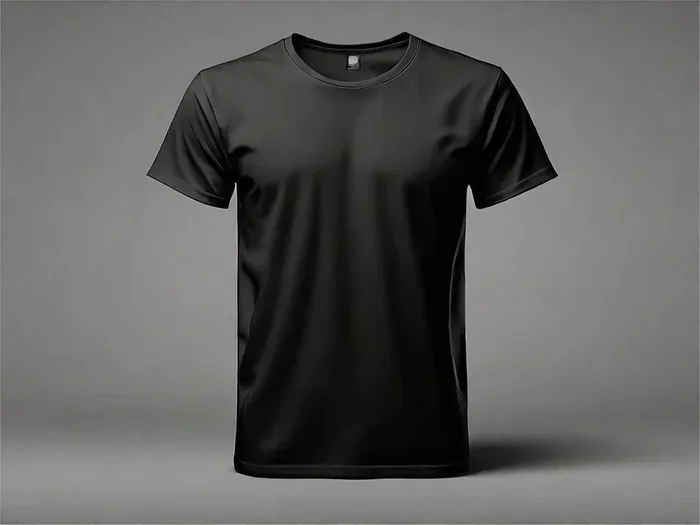
Can I sublimate on black shirts? Yes, you absolutely can, but it requires the right approach, equipment, and technique. Dye sublimation on dark garments works differently than printing on light fabric, and understanding these differences is the key to stunning, long-lasting results. This guide covers everything from the science behind the process to practical tips that will help you achieve professional-quality prints on black shirts.
Can I sublimate on black shirts? The answer is yes, but it requires the right approach, equipment, and technique. Sublimation printing on dark garments has become increasingly popular among custom apparel creators and small business owners. Unlike traditional heat transfer methods, dye sublimation infuses ink directly into the fabric fibers, creating vibrant and long-lasting designs. However, printing on black shirts presents unique challenges that every beginner should understand before starting. In this comprehensive guide, we will walk you through everything you need to know about achieving stunning results with sublimation on black shirts.
Whether you are a hobbyist looking to create personalized gifts or a business owner expanding your custom apparel line, understanding how sublimation on dark fabric works is essential. The process is different from printing on white or light-colored garments, and getting it right the first time saves you time, money, and frustration. Let us dive into the details and explore every aspect of this exciting printing technique.
Key Takeaways
- Sublimation on black shirts is possible: With the right pre-treatment and equipment, you can achieve vibrant prints on dark garments.
- Pre-treatment is essential: Applying a sublimation pre-treatment solution dramatically improves color vibrancy and ink adhesion on black fabric.
- Choose the right fabric: Only polyester or polyester-blend shirts work well for sublimation. Avoid 100% cotton for best results.
- Color selection matters: Light and bright colors produce the best designs on black shirts. Dark colors in your print will blend into the fabric.
- Quality equipment makes a difference: Investing in a dedicated sublimation printer, quality heat press, and proper sublimation blanks improves your output significantly.
- Test prints save time and money: Always do test runs before committing to a full production run on black shirts.
- Wash care extends print life: Washing inside out in cold water and avoiding bleach keeps your sublimated designs looking fresh for longer.
📑 Table of Contents
- Can You Sublimate On Black Shirts? The Truth Revealed
- How Sublimation Printing Works on Dark Fabric
- Essential Equipment for Sublimating Black Shirts
- Step-by-Step Guide to Sublimating Black Shirts
- Common Mistakes to Avoid When Sublimating Black Shirts
- Expert Tips for Stunning Black Shirt Results
- Conclusion
Can You Sublimate On Black Shirts? The Truth Revealed
The short answer is yes, you can sublimate on black shirts. But the results will not look the same as printing on white fabric. When you apply sublimation ink to a black shirt, the dark base color affects how the design appears. This is because sublimation works by turning solid ink into gas, which then bonds with the polyester fibers. On a black shirt, the gas has less contrast to work with, so light colors may appear muted or dull compared to prints on white fabric.
However, this does not mean you cannot create beautiful designs on black shirts. Many professional printers achieve fantastic results every day. The key is understanding the science behind the process and adjusting your workflow accordingly. Dark garment sublimation requires specific techniques that differ from standard printing on light fabrics.
The good news is that modern sublimation technology has improved significantly. Specialized sublimation coatings and pre-treatment solutions now make it possible to get brighter and more vivid prints on black shirts. You just need to know what you are working with and how to handle it properly. Let us break down exactly why black shirts behave differently and what you can do about it.
Why Black Shirts Are Different from Light Shirts
Black fabric absorbs more light than lighter colors. This means that any print applied to it will naturally look darker and less vibrant. With regular heat transfer vinyl, you can still see the design because the vinyl sits on top of the fabric. But sublimation works differently. The ink becomes part of the fabric itself, which means the black color underneath plays a big role in the final appearance.
Think of it like painting on a black canvas. If you use bright colors, they still show up, but they look different than they would on a white canvas. The same principle applies to sublimation on black shirts. You need to choose your print design colors carefully and understand how they will interact with the dark base fabric. Light colors like white, yellow, and pastels will appear more muted, while neon and bright shades tend to hold up better.
Another important factor is the type of polyester used in the shirt. Thicker polyester fabrics tend to show better color reproduction than thin, lightweight ones. The weave of the fabric also matters. A tighter weave holds the sublimation ink more evenly, which leads to sharper and more detailed prints. When shopping for black shirts for sublimation, always check the fabric weight and composition to ensure the best results.
How Sublimation Printing Works on Dark Fabric
Understanding how sublimation printing works helps you make better decisions when printing on black shirts. The process involves three main steps: printing the design, transferring the ink, and bonding it with the fabric. Each step requires specific equipment and settings. Let us walk through the science and the practical process so you understand exactly what is happening at every stage.
The Science Behind Dye Sublimation
Dye sublimation uses special ink that turns directly from a solid into a gas when heated. This process is called sublimation, which is where the name comes from. The gas penetrates the polyester fibers and solidifies inside them, creating a permanent bond. Because the ink becomes part of the fabric, the print feels smooth to the touch and does not crack or peel over time. This is one of the biggest advantages of sublimation over other garment printing methods.
On black shirts, this process still works the same way. The ink still turns to gas and bonds with the fibers. The difference is in visibility. Light colors like white, yellow, and pastels will appear more muted on a black base. Dark colors like navy, dark red, and black will blend with the shirt and may be nearly invisible. This is why color selection is so important when designing for black garments.
To work around this limitation, many printers use sublimation blanks that come with a special white coating. This coating sits between the black fabric and the ink, creating a lighter base that allows colors to pop. Without this coating, you are essentially printing on a black surface, which limits your color range significantly. The white coating acts like a primer, giving your ink something to show up against. This is one of the most important tools in your sublimation on dark fabric toolkit.
How the Sublimation Workflow Differs for Black Shirts
The standard sublimation workflow involves designing your graphic, printing it on sublimation paper, and pressing it onto the fabric with a heat press. For black shirts, you need to add extra steps. Pre-treatment or using coated blanks changes the game entirely. Let us compare the two workflows side by side so you can see exactly what changes.
Standard Workflow for Light Shirts:
- Design your graphic on your computer
- Print it using sublimation ink on sublimation paper
- Place the paper face-down on the shirt
- Press with a heat press at the recommended temperature
- Remove the paper and let the shirt cool
Black Shirt Workflow with Pre-Treatment:
- Design your graphic with lighter and brighter colors in mind
- Apply sublimation pre-treatment to the black shirt
- Allow the pre-treatment to dry completely
- Print your design on sublimation paper
- Place the paper on the treated area of the shirt
- Press with a heat press at the correct temperature and time
- Remove the paper and allow the shirt to cool completely
The extra step of applying pre-treatment makes a huge difference. It creates a barrier that helps the sublimation ink sit closer to the surface, improving color vibrancy and helping the ink adhere properly to the dark fabric. Without pre-treatment, much of the ink gets absorbed deep into the black fibers where it cannot be seen well. With pre-treatment, the ink stays closer to the surface where it can interact with light and display its true colors.
Essential Equipment for Sublimating Black Shirts
Having the right equipment is critical when you want to sublimate on black shirts successfully. You cannot use just any printer or press and expect great results. Each piece of equipment plays a specific role in the quality of your final print. Let us go through the essential gear you need and what to look for when making your purchases.
Sublimation Printers
A dedicated sublimation printer is your most important investment. These printers use special inkjet technology designed to handle sublimation ink. Unlike regular printers, they have specific print heads and ink systems that produce the high-quality output needed for fabric printing. You cannot use a standard inkjet printer with regular ink and expect good results on black shirts.
Inside every sublimation printer, there is a motherboard that manages all the electronic functions, from ink delivery to print head movement. If you want to understand more about what makes these internal components work, you can explore 5 Components That Are Found On The Motherboard to learn the basics of how these electronic parts keep your printer running smoothly.
Popular sublimation printers include models from Epson and Sawgrass. When choosing a printer, consider factors like print size, ink system, and overall build quality. A good printer will serve you well for years and produce consistent results on both light and dark garments. Look for printers with individual ink tank systems, as they give you more control over color output and are more cost-effective in the long run.
Heat Press Machines
A heat press machine applies the heat and pressure needed to transfer the sublimation ink from the paper to the fabric. For black shirts, you need a press that offers precise temperature control and even pressure distribution. Inconsistent pressure leads to uneven prints, and incorrect temperature can cause colors to shift or fade.
The control system of a modern heat press relies on a small internal board to regulate the heating elements and timing. Just like any electronic device with a control panel, understanding what goes on inside can help you troubleshoot issues. You might find it helpful to read about 5 Components That Are Found On The Motherboard to learn more about the electronic parts that power your equipment and keep your prints consistent.
When shopping for a heat press, look for features like adjustable temperature, timer control, and even pressure plates. A clamshell style press works well for shirts, while a swing-away press gives you more flexibility with placement and alignment. For black shirt sublimation, a press with a digital display and preset temperature profiles can save you a lot of trial and error.
Sublimation Ink, Paper, and Blanks
Not all sublimation inks and papers are created equal. You need products specifically designed for dye sublimation to get the best results on black shirts. Cheap or incompatible supplies will lead to poor print quality and wasted materials. Always purchase from reputable brands that specialize in sublimation products.
Look for inks that are formulated for vibrant color output, especially on dark fabrics. The paper you choose also matters. Sublimation paper with a special coating helps the ink release cleanly during the pressing process. For black shirts, consider papers that are designed for dark garment printing, as they often produce better results with pre-treated fabrics. When it comes to blanks, invest in quality black sublimation shirts that come with a built-in coating for optimal ink absorption and color vibrancy.
Step-by-Step Guide to Sublimating Black Shirts
Now that you understand the equipment and the science, let us walk through the actual process. Following these steps will help you achieve the best possible results when printing on black shirts. Each step is important, so do not skip or rush through any of them.
Step 1: Prepare Your Design
Start by creating your graphic in design software like Adobe Illustrator, Photoshop, or Canva. When working with black shirts, choose colors that will stand out against the dark base. White, light yellow, pastels, and neon shades tend to work best. Avoid dark colors in your design, as they will blend into the black fabric and become nearly invisible.
Also, consider the size and placement of your design. A larger design often looks better on black shirts because it creates more visual impact. Place your design in a focal area like the chest or back for the best effect. Always preview your design on a black background before printing to see how it will actually appear on the shirt.
Step 2: Pre-Treat the Shirt
Pre-treatment is the secret weapon for successful sublimation on black shirts. Apply a thin, even layer of sublimation pre-treatment solution to the area where you will print. Use a spray bottle or a foam roller for even coverage. Make sure there are no drips or puddles, as uneven application leads to inconsistent print quality.
Let the pre-treatment dry completely before moving to the next step. This usually takes about 10 to 15 minutes, depending on the product and humidity levels. Do not skip this step, as it dramatically improves color vibrancy and helps the ink adhere properly to the dark fabric. Some printers also use a heat gun to speed up the drying process, which can save time in a production setting.
Step 3: Print Your Design
Load your sublimation paper into the printer and print your design using the recommended settings. Make sure you are printing in mirror mode so the design transfers correctly onto the shirt. Use the highest quality print settings for the best color output. Check your print on a white surface first to make sure the colors look right before pressing it onto the black shirt.
Allow the printed paper to dry for a few minutes before pressing. This prevents smudging and ensures a clean transfer. Handling the printed paper carefully at this stage makes a big difference in your final result. If you notice any smudges or uneven ink distribution, reprint the design rather than trying to press a flawed print.
Step 4: Press the Design
Place the printed paper face-down on the pre-treated area of the black shirt. Make sure the design is positioned correctly, as the print will transfer exactly where you place it. Use heat-resistant tape to hold the paper in place if needed.
Set your heat press to the recommended temperature, which is typically between 380 and 400 degrees Fahrenheit. Press for about 45 to 60 seconds with firm, even pressure. The exact settings may vary depending on your specific equipment and the brand of pre-treatment you use. Always refer to the manufacturer’s guidelines for both your paper and pre-treatment product.
Once the pressing time is complete, remove the paper while it is still warm. Let the shirt cool completely before handling it. This cooling period is important because it allows the ink to fully set into the fabric fibers. Rushing this step can cause the design to smear or fade prematurely.
Step 5: Inspect and Finish
After the shirt has cooled, carefully peel off the sublimation paper. Inspect the print for any areas that may be uneven or faded. If needed, you can do a second press for better color saturation, but be careful not to overdo it. Over-pressing can scorch the fabric and cause colors to shift or become dull.
Wash the shirt inside out in cold water for the first few washes. This helps set the ink further and improves the long-term wash durability of the print. Avoid using bleach or harsh detergents, as they can damage the sublimated design over time. Hang dry or use a low-heat setting in the dryer to preserve the quality of your print for as long as possible.
Common Mistakes to Avoid When Sublimating Black Shirts
Even experienced printers make mistakes when working with black shirts. Knowing what to avoid saves you time, money, and frustration. Here are the most common errors beginners make and how to prevent them.
Skipping Pre-Treatment
This is the number one mistake people make. Without pre-treatment, the sublimation ink does not bond well with the black fabric. The result is a faded, washed-out design that looks nothing like what you saw on your screen. Always apply pre-treatment and let it dry completely before pressing. It is a simple step that makes a world of difference.
Using the Wrong Fabric
Sublimation only works well on polyester or polyester-blend fabrics. If you try to sublimate on a 100% cotton black shirt, the ink will not bond properly and will wash out quickly. Always check the fabric content before you start. Look for shirts that are at least 50% polyester for the best results on dark garments. Some shirts are specifically marketed as sublimation-friendly, and these are always the safest choice.
Choosing the Wrong Colors
As mentioned earlier, dark colors in your design will blend into the black shirt and disappear. Many beginners make the mistake of designing in dark tones without realizing how they will look on a black base. Always preview your design on a black background before printing to see how it will actually appear. Bright and light colors are your best friends when sublimating on dark fabric.
Incorrect Heat Press Settings
Too much heat or too little time can ruin your print. Under-pressing leaves the ink partially transferred, while over-pressing can scorch the fabric and cause colors to shift. Always follow the recommended settings for your specific equipment and adjust based on test runs. Keep a log of your settings for different shirt brands so you can replicate your best results consistently.
Not Doing Test Prints
Never skip test prints, especially when working with a new setup or a new brand of shirt. A small test print on a scrap piece of fabric helps you fine-tune your settings and color accuracy before committing to a full shirt. This simple step can save you from wasting expensive materials and disappointing customers or friends.
Expert Tips for Stunning Black Shirt Results
Taking your sublimation game to the next level on black shirts requires some insider knowledge. These expert tips will help you achieve professional-quality results every time and set your work apart from the competition.
Invest in Quality Sublimation Blanks
Not all black shirts are created equal. Premium sublimation blanks come with a special coating that enhances ink absorption and color vibrancy. Brands like Royal Apparel and Next Level offer shirts specifically designed for sublimation printing. While they cost a bit more, the quality difference is worth every penny. When you invest in quality blanks, you also reduce the frustration of inconsistent results.
Your prints will look sharper, colors will be more vivid, and the durability will be significantly better. Think of it as investing in the foundation of your custom apparel business. Taking care of your equipment also matters. Regular maintenance of your printer and heat press ensures consistent performance over time. Just as you would check the components inside your devices to keep them running smoothly, regular inspection of your sublimation equipment helps prevent unexpected issues during a print run.
Use a Heat Press Pillow or Teflon Sheet
When pressing black shirts, placing a heat press pillow or teflon sheet behind the fabric helps create even pressure and prevents ink from transferring to the back of the shirt. This simple trick keeps your prints clean and prevents ghosting or bleed-through. It is a small addition that makes a surprisingly big difference in the quality of your finished product.
Adjust Your Color Profile
Every printer and monitor combination is different. Spend time creating a custom color profile for your specific setup. This ensures that the colors you see on your screen match the colors you get on the black shirt. Calibration may take some trial and error, but the results are well worth the effort. A well-calibrated system saves you from wasted prints and disappointed customers.
Keep Your Workspace Clean
Dust and debris can affect print quality, especially on dark fabrics where imperfections are more visible. Keep your workspace clean and your equipment free from ink residue. Wipe down your press plates regularly and store your sublimation paper in a dry, dust-free environment. A clean workspace leads to cleaner prints and fewer problems overall.
Experiment with Different Pre-Treatments
Not all pre-treatment products work the same way. Some are better for vivid colors, while others excel at producing sharp lines and fine details. Try different brands and formulas to find the one that works best for your specific setup and style. Keeping a log of your experiments helps you replicate your best results consistently and find your perfect workflow.
Conclusion
Can I sublimate on black shirts? Absolutely. With the right equipment, techniques, and a bit of practice, you can create beautiful, vibrant designs on dark garments. The key is understanding that black shirts require extra preparation, including pre-treatment and careful color selection. Do not be discouraged if your first few attempts are not perfect. Like any skill, sublimation on black fabric improves with practice and experimentation.
Remember to invest in quality sublimation blanks, use the correct heat press settings, and always do test prints before committing to a full production run. Avoid common mistakes like skipping pre-treatment or using the wrong fabric, and you will be well on your way to producing stunning sublimation on black shirts that your customers or friends will love. The world of dark fabric sublimation opens up exciting possibilities for custom apparel businesses and creative hobbyists alike. Once you master the techniques outlined in this guide, you will have the confidence and skills to tackle any black shirt project with ease. Start experimenting today, and watch your sublimation game reach the next level.
Frequently Asked Questions
Can you sublimate on 100% cotton black shirts?
No, sublimation does not work well on 100% cotton fabric. The ink needs polyester fibers to bond properly. For black shirts, look for a polyester blend of at least 50% polyester to get the best results. Cotton shirts will result in faded designs that wash out quickly.
What colors show up best on black shirts for sublimation?
Light and bright colors work best on black shirts. White, yellow, pastels, and neon shades produce the most vibrant and visible designs. Dark colors like navy, black, and dark red tend to blend into the black fabric and become nearly invisible. Always design with light colors in mind when sublimating on dark garments.
Do I need special sublimation paper for black shirts?
Yes, using high-quality sublimation paper designed for dark garments makes a significant difference. These papers have special coatings that help the ink release cleanly and produce better color vibrancy on pre-treated black fabrics. Standard sublimation paper can still work, but specialty papers give you noticeably better results.
How long does a sublimated print on a black shirt last?
With proper care, a sublimated print on a black shirt can last for many years without fading or peeling. Wash the shirt inside out in cold water, avoid bleach and harsh detergents, and use low heat when drying. The ink becomes part of the fabric fibers, which makes it far more durable than surface-level prints like heat transfer vinyl.
Can you sublimate on black hoodies?
Yes, you can sublimate on black hoodies as long as they are made of polyester or a polyester blend. Hoodies with a thicker fleece interior may require slightly different pressing techniques. Always check the fabric content and apply pre-treatment for the best results on dark hoodies.
Is sublimation on black shirts more expensive than on white shirts?
The cost is generally similar, but you may spend a bit more on pre-treatment solutions and quality sublimation blanks designed for dark fabrics. The equipment and ink costs remain the same. The extra step of pre-treatment adds a small amount of time and material cost, but the results are well worth the investment.