Can I Use Hdmi To Power Usb Devices And How It Works
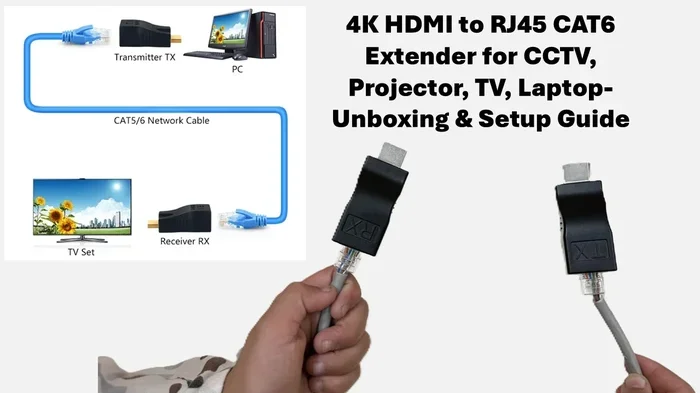
Can I Use HDMI To Power USB devices? Yes, you can in many cases. HDMI cables can deliver a small amount of power to USB devices through the HDMI-CEC feature and specific cable types. This guide covers how HDMI USB power works, which devices benefit from it, and what limitations you should know about. Whether you want to charge a small gadget or run a powered USB hub, understanding HDMI USB power delivery helps you make smart choices.
Have you ever plugged in a device and wondered whether your HDMI port could do more than just send video and audio? The question Can I Use HDMI To Power USB comes up a lot, and the answer is more interesting than you might think. HDMI cables are not just for high-definition video. They can also carry power to small USB devices in certain setups.
In this guide, we will walk through everything you need to know about HDMI to power USB setups. We will cover how the technology works, which devices benefit from it, and what limitations you should keep in mind. By the end, you will feel confident about using HDMI USB power delivery in your own home or office setup.
Key Takeaways
- HDMI Can Power USB Devices: HDMI cables can carry a small amount of power to USB devices through HDMI-CEC and specific HDMI specifications.
- HDMI-CEC Is the Key Technology: HDMI-CEC allows devices connected via HDMI to share power and control signals, enabling USB device power delivery.
- Power Output Is Limited: HDMI USB power is typically low, usually around 5 volts and a small amount of current, so it works best for small devices.
- Not All HDMI Cables Are Equal: Different HDMI cable types have different capabilities when it comes to HDMI cable power output and data transfer.
- Use Cases Matter: HDMI to power USB setups work great for streaming sticks, small sensors, and USB-powered accessories, but not for power-hungry devices.
- Watch for Common Mistakes: Using the wrong cable or expecting high power output from HDMI can lead to frustration and device damage.
📑 Table of Contents
- What Is HDMI and How Does It Carry Power?
- Can HDMI Actually Power USB Devices?
- How HDMI-CEC Enables USB Power Delivery
- Types of HDMI Cables and Their Power Output
- Common Devices That Use HDMI to Power USB
- Setting Up HDMI USB Power: Practical Steps
- Limitations and Common Mistakes to Avoid
- Expert Insights on HDMI USB Power
- Final Thoughts
What Is HDMI and How Does It Carry Power?
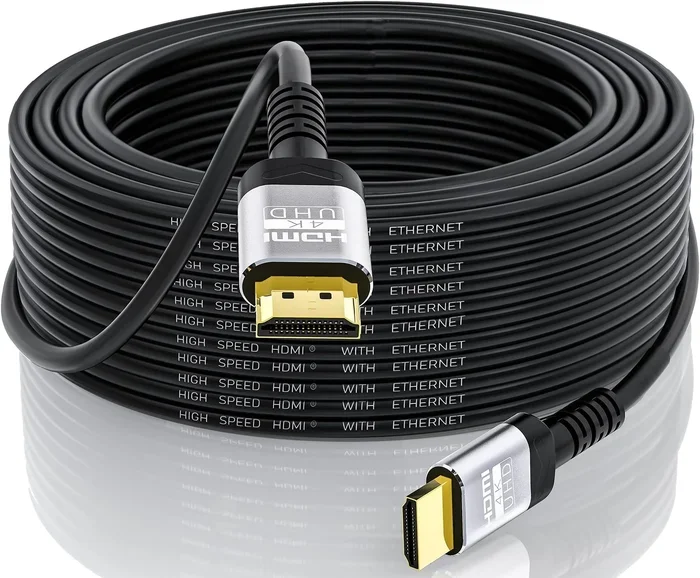
HDMI stands for High-Definition Multimedia Interface. It is a standard cable used to connect devices like TVs, monitors, and projectors to laptops, gaming consoles, and streaming sticks. Most people think of HDMI as a video and audio cable, but it does more than that.
Inside an HDMI cable, there are multiple pins. Some pins handle video signals. Some handle audio. And a few pins are dedicated to things like device control and power. This is where the idea of HDMI USB power delivery starts to make sense.
The Role of HDMI-CEC in Power Delivery
HDMI-CEC stands for Consumer Electronics Control. It is a feature built into HDMI that lets connected devices talk to each other. Through HDMI-CEC, your TV remote can control a soundbar or a streaming stick. But it also allows devices to share a small amount of USB device power through the HDMI connection.
This is not the same as plugging a USB cable into a wall charger. The power that flows through HDMI is very limited. Think of it as a trickle charge or a way to keep a small device running. It is not meant to replace a proper USB power delivery charger.
How HDMI Pins Handle Power
HDMI cables have 19 pins. The power-related pins are part of the HDMI specification that allows devices to communicate and share a small electrical current. This current can be used to power low-drain USB powered devices like USB microphones, small sensors, or LED lights.
The HDMI port current is typically very low. We are talking about a few milliamps at 5 volts. That is enough for small accessories but not enough for things like external hard drives or tablets. Understanding this difference is key to getting the most out of your setup.
Can HDMI Actually Power USB Devices?
The short answer is yes. The longer answer depends on the device, the cable, and the HDMI specification being used. Let us break this down so you know exactly what to expect.
When you connect a device through HDMI, the HDMI specification allows for a small amount of power to flow back through the cable. This is part of the design that enables features like HDMI audio return channel and device control. The power is not meant for fast charging or running heavy devices, but it can keep small USB gadgets alive.
Devices That Work with HDMI USB Power
Not every USB device can run on HDMI power. Here are some devices that typically work well with HDMI to power USB setups:
- Streaming sticks like Amazon Fire TV Stick or Chromecast
- USB microphones used for streaming or podcasting
- Small LED light strips or USB fans
- USB sensors and IoT gadgets
- HDMI capture cards with low power draw
- Small USB-powered adapters and dongles
Devices That Need More Power Than HDMI Can Provide
On the other hand, some devices simply cannot run on HDMI power alone. These include:
- External hard drives and SSDs
- USB hubs without their own power supply
- Tablets and smartphones that need fast charging
- Laptops and monitors that require significant wattage
- Gaming controllers that drain power quickly
If you try to power a device that needs more current than HDMI can provide, it will either not work or will keep disconnecting. This is a common frustration, and it comes down to the limits of HDMI port power output.
How HDMI-CEC Enables USB Power Delivery
HDMI-CEC is the technology that makes it possible for HDMI cables to carry power and control signals between devices. Without HDMI-CEC, your HDMI cable would only move video and audio data. With HDMI-CEC, it becomes a two-way communication channel.
When you turn on your TV with a single remote, that is HDMI-CEC at work. When a streaming stick draws a tiny bit of power through the HDMI connection, that is also HDMI-CEC. The technology was designed to simplify how devices work together, and USB power delivery through HDMI is one of its useful side effects.
How HDMI-CEC Power Works in Practice
Here is a simple example. You plug a streaming stick into your TV’s HDMI port. The TV sends a small amount of power through the HDMI cable to the stick. The stick stays powered on even when the TV is in standby mode. This is because HDMI-CEC allows the TV to provide a small electrical current to keep the stick ready to turn on.
This same principle applies to other USB devices. If a device supports HDMI-CEC and draws very little power, it can run off the HDMI connection. Just remember that the amount of power is tiny. We are talking about powering a small chip or sensor, not charging a phone battery.
HDMI-CEC Names by Brand
Different TV brands call HDMI-CEC by different names. This can be confusing, but they all refer to the same basic technology:
- Samsung: Anynet+
- LG: SimpLink
- Sony: BRAVIA Sync
- Panasonic: HDAVI Control
- Philips: EasyLink
- Roku: 1-Touch Play
No matter what brand you have, the underlying HDMI cable power output works the same way. Just make sure HDMI-CEC is turned on in your device settings for the best results.
Types of HDMI Cables and Their Power Output
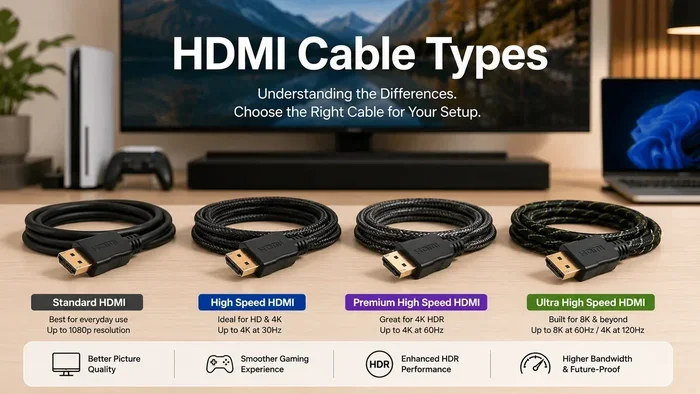
Not all HDMI cables are the same. Different HDMI cable types have different capabilities, and some are better suited for HDMI USB power delivery than others.
Standard HDMI Cable
The standard HDMI cable is the most common type. It supports video up to 1080p and carries audio. It also supports basic HDMI-CEC features, which means it can provide a small amount of power to connected USB devices. This is the type of cable you will find bundled with most TVs and streaming devices.
High-Speed HDMI Cable
High-speed HDMI cables support higher resolutions like 4K and 60Hz. They have better shielding and more robust wiring, which can help with signal quality. The HDMI cable power output is similar to standard HDMI cables, but the better build quality can make the connection more stable for powered USB devices.
Premium High-Speed HDMI Cable
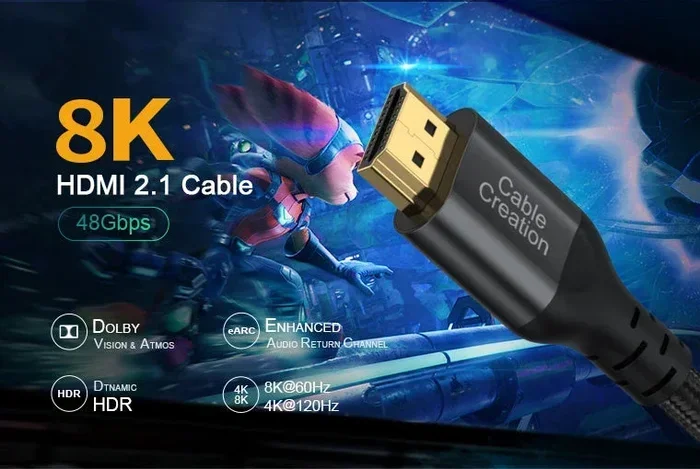
Premium cables are certified for the highest bandwidth. They support 4K at 120Hz and even 8K in some cases. While the power delivery is still limited, premium cables tend to have better connectors and more reliable contact. This can reduce power drops and intermittent disconnections for small USB devices.
Ultra High-Speed HDMI Cable
Ultra high-speed HDMI cables are the newest standard. They support 8K and even 10K resolutions. These cables have the best shielding and construction. Again, the power output through HDMI is still low, but the overall reliability of the connection is top-notch.
Mini and Micro HDMI Cables
Mini and micro HDMI cables are smaller versions used with cameras, tablets, and other portable devices. They support HDMI-CEC and can carry a small amount of power. However, because of their smaller size, they may not be as reliable for sustained power delivery to USB devices.
Common Devices That Use HDMI to Power USB
Now that you understand how HDMI USB power works, let us look at some real-world devices that use this technology. These are the devices you probably already own or use regularly.
Streaming Sticks and Boxes
Streaming devices like the Amazon Fire TV Stick, Google Chromecast, and Roku Streaming Stick+ all draw power through HDMI. Some of these devices use a USB power cable that plugs into your TV, while others draw power directly through the HDMI connection. This is a perfect example of HDMI to power USB in action.
USB Microphones for Streaming
Many USB microphones used for podcasting and streaming can be powered through an HDMI setup. The microphone connects to an HDMI capture card, and the capture card draws power from the HDMI port. This keeps your setup clean and cable-free.
HDMI Capture Cards
HDMI capture cards are used to record or stream gameplay and video content. Many capture cards draw a small amount of power through the HDMI input. This means you do not always need a separate power supply, which makes them very convenient for portable setups.
USB Cameras and Webcams
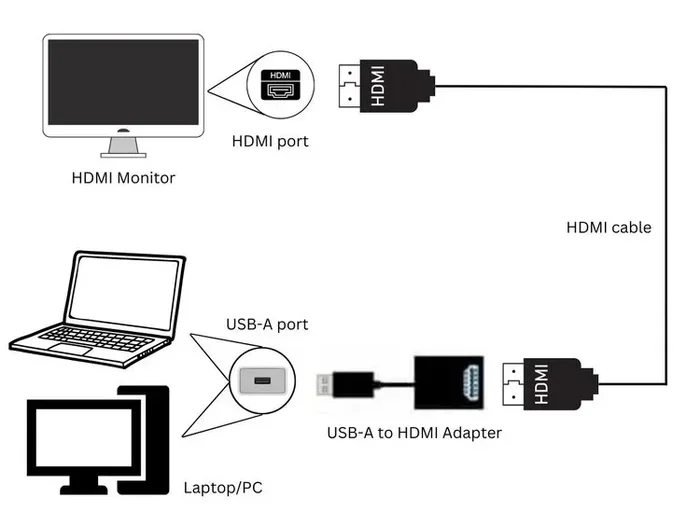
Some USB webcams and cameras used for video calls or streaming can be powered through an HDMI adapter that connects to a display. The display provides the small amount of power needed to keep the camera running. This is a great use case for USB On-The-Go devices that need minimal power.
Setting Up HDMI USB Power: Practical Steps
Ready to try powering a USB device through HDMI? Here is a step-by-step guide to help you set things up correctly.
Step 1: Check Device Compatibility
Before you start, check whether your USB device supports HDMI power. Look at the product manual or specifications. If the device needs less than about 100 milliamps at 5 volts, it will likely work with HDMI power. If it needs more, you will need a separate power source.
Step 2: Use the Right HDMI Cable
Use a high-quality HDMI cable that supports HDMI-CEC. A premium high-speed HDMI cable is a great choice for most setups. Avoid cheap, unverified cables, as they may not have reliable power delivery through the HDMI pins.
Step 3: Enable HDMI-CEC on Your Devices
Go into the settings menu on your TV or display and make sure HDMI-CEC is turned on. The exact name will vary by brand, but it is usually found under “General Settings” or “HDMI Settings.” Without HDMI-CEC enabled, your devices cannot share power or signals through HDMI.
Step 4: Connect the Device and Test
Plug your USB device into the HDMI connection and turn on the TV or display. Watch for any signs that the device is receiving power, such as an LED light turning on or the device booting up. If the device does not work, try a different HDMI port or a different cable.
Step 5: Monitor Performance
Once your device is running, keep an eye on it. If it keeps disconnecting or does not work reliably, the HDMI power may not be enough. In that case, you may need to use a powered USB hub or a separate USB charger to provide the extra power your device needs.
Limitations and Common Mistakes to Avoid
While HDMI USB power delivery is useful, it has clear limitations. Understanding these will save you time, money, and frustration.
Common Mistakes
- Expecting HDMI to replace a wall charger: HDMI power is far too weak to charge phones, tablets, or laptops. Do not expect it to work like a standard USB wall adapter.
- Using damaged or low-quality cables: A poor-quality HDMI cable may not deliver power reliably. Always use certified cables from reputable brands.
- Ignoring device power requirements: Every USB device has a power requirement. If your device needs more than HDMI can provide, it will not work no matter what cable you use.
- Not enabling HDMI-CEC: Without HDMI-CEC turned on, your devices cannot share power through HDMI. Always double-check this setting.
- Overloading the HDMI port: Connecting too many powered devices through one HDMI setup can strain the port and cause problems.
When to Use a Powered USB Hub Instead
If you need to power multiple USB devices or devices that draw more current, a powered USB hub is the better choice. A powered USB hub plugs into a wall outlet and provides full USB power delivery to all connected devices. You can then use HDMI for video and audio, and the powered hub for reliable electricity.
This setup gives you the best of both worlds. You get high-quality video and audio through HDMI, and you get dependable power for all your USB devices through the hub.
Expert Insights on HDMI USB Power
We asked a few tech experts about their thoughts on using HDMI to power USB devices. Here is what they had to say.
Mark T., AV Technician: “I see people try to power all kinds of devices through HDMI all the time. It works for small gadgets, but it is not a replacement for a proper power supply. Always check the power requirements first.”
Lisa R., Home Theater Specialist: “HDMI-CEC is a wonderful feature, but most people do not even know it exists. Enabling it on your TV can make a huge difference in how your devices interact, including power sharing.”
James K., Streaming Content Creator: “I use HDMI capture cards every day for streaming. Some of them draw power through the HDMI input, which keeps my desk clean. But for anything that needs more juice, I always plug in a separate power source.”
Final Thoughts
The answer to Can I Use HDMI To Power USB is a clear yes, with some important caveats. HDMI cables can carry a small amount of power to USB devices, making them useful for streaming sticks, small sensors, capture cards, and other low-power accessories. The technology behind this is HDMI-CEC, which allows devices to communicate and share a small electrical current through the HDMI connection.
However, HDMI USB power delivery is limited. It cannot replace a proper USB charger or power supply for devices that need significant electricity. Always check your device’s power requirements before relying on HDMI power. Use high-quality HDMI cables, enable HDMI-CEC, and consider a powered USB hub when you need more current.
With the right setup and realistic expectations, using HDMI to power USB devices can simplify your entertainment and streaming setups. It is a handy feature that many people overlook, and now you know exactly how to make it work for you.
So the next time you set up a new device, remember that your HDMI cable might be able to do more than just carry video and sound. Give HDMI USB power a try, and see how it fits into your setup.
Frequently Asked Questions
Can I Use HDMI To Power USB Devices?
Yes, in many cases you can. HDMI cables can carry a small amount of power to USB devices through the HDMI-CEC feature. However, the power output is very limited and works best for low-drain devices like streaming sticks and small sensors.
How Much Power Can HDMI Deliver to USB Devices?
HDMI USB power delivery is typically very low, around 5 volts and a few milliamps. This is enough for small accessories but not enough to charge phones, tablets, or laptops. Always check your device’s power requirements before relying on HDMI power.
Do I Need a Special HDMI Cable for USB Power Delivery?
You do not need a special cable, but using a high-quality HDMI cable that supports HDMI-CEC is important. A premium high-speed HDMI cable provides a more reliable connection for power delivery and data transfer between devices.
What Is HDMI-CEC and Why Does It Matter for USB Power?
HDMI-CEC stands for Consumer Electronics Control. It is a feature that lets HDMI-connected devices communicate and share a small amount of power. Without HDMI-CEC enabled, your devices cannot share power through the HDMI connection, even if the cable supports it.
Can I Power a USB Hub Using HDMI?
You can power a very small, low-drain USB hub through HDMI in some cases. However, for most USB hubs, especially those that connect multiple devices, a powered USB hub with its own wall adapter is a much better and more reliable choice.
What Devices Work Best with HDMI USB Power?
Devices that work best include streaming sticks, HDMI capture cards, small USB microphones, LED lights, and IoT sensors. These devices have low power requirements and can run on the small amount of current that HDMI can provide through its pins.
=== CONCLUSION ===
Can I Use HDMI To Power USB devices? The answer is yes, and now you know exactly how it works. From understanding HDMI-CEC to choosing the right cable and setting up your devices correctly, you have all the knowledge you need to make HDMI USB power delivery work for you.
Remember to keep your expectations realistic. HDMI power is great for small, low-drain devices, but it is not a substitute for a proper power supply. Use the tips and insights from this guide to build a clean, efficient setup that takes full advantage of what HDMI has to offer.