Can I Use Usb Logo Discover Everything You Need To Know
The USB logo is a recognized trademark owned by the USB Implementers Forum, and using it without permission can lead to legal issues. Whether you want to use the USB logo for a project, a product, or branding, there are clear rules you need to follow. This guide covers everything from copyright restrictions to proper usage guidelines so you can stay on the right side of the law.
Have you ever wanted to slap the USB logo on your custom product, website, or design project and thought, “Can I use USB logo?” It is a simple question, but the answer is not as straightforward as you might hope. The little trident symbol we all recognize is more than just a catchy design. It is a protected trademark with rules, regulations, and legal consequences attached.
In this article, we will walk you through everything you need to know about using the USB logo. We will cover what the logo actually means, who owns it, and how you can use it legally. Whether you are a designer, a small business owner, or just someone who loves tech, this guide has you covered.
The USB logo is everywhere. It is on cables, chargers, flash drives, and devices. But behind that familiar symbol lies a world of trademark law and brand protection that many people overlook. Let us break it all down so you can move forward with confidence.
Key Takeaways
- USB Logo Ownership: The USB logo is a registered trademark of the USB Implementers Forum (USB-IF) and is not free to use without approval.
- Permission Matters: You need explicit permission from USB-IF to use the USB logo in commercial projects or on products.
- Different Logo Versions: There are multiple USB logos for different speeds and connector types, each with specific usage rules.
- Personal vs. Commercial Use: Personal and educational use may be more lenient, but commercial use always requires a license.
- Common Mistakes: Altering the logo, using unapproved versions, or claiming ownership are frequent errors that can result in legal trouble.
- Official Resources: The USB-IF website offers official logo files, brand guidelines, and licensing information for those who qualify.
📑 Table of Contents
- What Is the USB Logo and Why Does It Matter?
- Can You Use the USB Logo? Understanding the Rules
- Different Versions of the USB Logo
- How to Properly Use the USB Logo
- Common Mistakes People Make with USB Logo Usage
- Where to Find Official USB Logo Resources
- Key Takeaways for Using the USB Logo
- Conclusion
What Is the USB Logo and Why Does It Matter?
The USB logo, often called the USB trident logo, is the official symbol of Universal Serial Bus technology. It was designed to represent the universal connectivity standard that revolutionized how devices communicate. The three prongs of the logo symbolize the USB standard itself, the host controller, and the available peripherals.
But why does this matter to you? Well, the logo is not just a random graphic. It is a registered trademark owned by the USB Implementers Forum, commonly known as USB-IF. This organization is a non-profit group that promotes and supports USB technology. They set the standards and protect the brand.
When you see the USB logo on a product, it means that device has been certified to meet specific USB standards. This certification gives consumers confidence that the product works as expected. Using the logo without proper authorization undermines that trust and can get you into legal trouble.
The History of the USB Logo
The original USB logo was created in the late 1990s by Ajay Bhatt, one of the engineers who helped develop USB technology. The design was meant to be simple and recognizable. Over the years, the logo has evolved slightly to reflect new USB versions, but the core trident design has remained the same.
Today, the USB-IF manages all aspects of the logo, including its design, colors, and usage rules. They have strict brand guidelines that anyone wishing to use the logo must follow. Understanding this history helps you appreciate why the rules are in place and why they are so important.
Can You Use the USB Logo? Understanding the Rules
The short answer is: it depends. The long answer is a bit more nuanced. Using the USB logo is not like using a generic icon or clipart. It is a protected trademark, and the rules around it are clear.
USB-IF has specific guidelines that dictate who can use the logo and how. If you want to use the USB logo, you need to understand these rules before you start. Let us look at the different scenarios and what they mean for you.
Personal and Educational Use
For personal projects, school assignments, or non-commercial educational materials, using the USB logo may be more flexible. If you are creating a presentation about USB technology or a personal blog post explaining how USB works, you are generally in the clear. The key here is that you are not trying to sell anything or imply official endorsement.
However, even in personal use, you should not alter the logo or use it in a misleading way. The logo should always be displayed accurately and respectfully. Think of it like using a university logo on a personal project versus putting it on a product you are selling.
Commercial Use and Licensing
If you plan to use the USB logo on a product, in marketing materials, or as part of a commercial venture, you need a license. USB-IF offers licensing programs for companies that want to use the USB logo officially. This is especially important if you are manufacturing hardware or selling accessories that feature the USB standard.
The licensing process involves meeting certain technical standards and paying fees. USB-IF wants to ensure that every product using their logo has been tested and certified. This protects both the brand and the consumers who trust the USB name.
What Happens If You Use It Without Permission?
Using the USB logo without authorization is a trademark violation. USB-IF actively monitors for unauthorized use of their logo. If they find you using it without permission, they can take legal action. This could result in cease-and-desist orders, fines, or even lawsuits.
It is not worth the risk. The legal fees and potential damages far outweigh any benefit you might gain from using the logo without permission. Always err on the side of caution and seek proper authorization if you are unsure.
Different Versions of the USB Logo
Not all USB logos are the same. Over the years, USB-IF has created different versions of the logo to represent various USB speeds and connector types. Understanding these variations is important if you want to use the correct one for your project.
USB 2.0 Logo
The USB 2.0 logo features the trident symbol with the number “2.0” next to it. This logo represents the USB 2.0 standard, which offers data transfer speeds of up to 480 Mbps. If you are working on a project related to USB 2.0 technology, this is the logo you would use.
USB 3.0 and USB 3.1 Logos
The USB 3.0 logo has a blue trident and the “SS” (SuperSpeed) symbol. USB 3.1 introduced a revised logo with the “10” designation to indicate speeds of 10 Gbps. Each version has its own specific design and color coding to help users identify the speed tier at a glance.
USB Type-C Logo
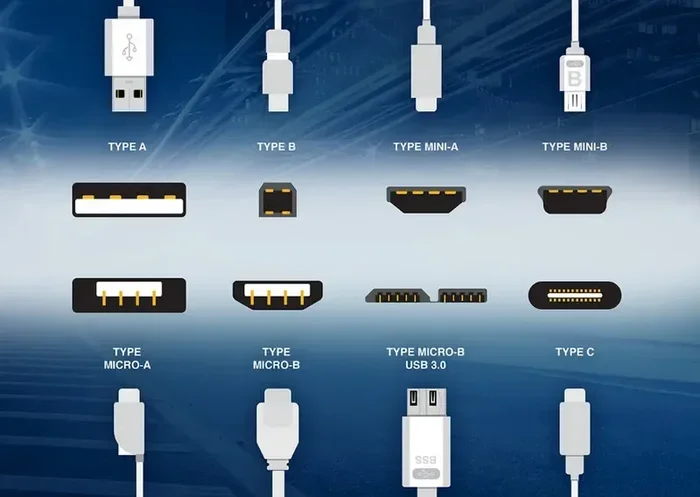
The USB Type-C logo is a smaller, compact design that represents the reversible connector type. It is distinct from the speed-based logos and is used specifically for devices and cables that use the USB-C connector. This logo has become incredibly popular with modern smartphones, laptops, and tablets.
USB Certified Logo
The USB Certified logo is the official mark that a product has passed USB-IF testing and meets the required standards. This logo carries the most weight and is the one you see on certified products in stores. Only products that have gone through the certification process can display this logo.
How to Properly Use the USB Logo
If you have obtained permission or are using the logo in an acceptable context, there are still rules about how to display it properly. USB-IF has detailed brand guidelines that cover everything from sizing to color to placement.
Do Not Alter the Logo
One of the most important rules is that you must not alter the USB logo in any way. This means no changing the colors, no stretching or distorting the shape, and no adding effects like shadows or gradients. The logo must be displayed exactly as provided by USB-IF.
Altering the logo is a quick way to run into trademark issues. Even small changes can be considered a violation if they modify the distinctive look of the mark. Always use the official logo files as they are provided.
Proper Sizing and Spacing
USB-IF provides guidelines for the minimum size of the logo and the clear space around it. You should never shrink the logo to a point where it becomes illegible or crowd it with other design elements. The logo needs breathing room to be recognized properly.
A good rule of thumb is to always use the logo at a size where all three prongs of the trident are clearly visible. If someone cannot distinguish the logo from a generic USB icon at a glance, you have made it too small.
Color Requirements
The USB logo has specific color requirements that must be followed. The standard logo is typically rendered in black or white, depending on the background. Using incorrect colors or placing the logo on a busy background that reduces its visibility is not acceptable.
If you are working on a dark background, use the white version of the logo. For light backgrounds, use the black version. Always maintain sufficient contrast so the logo is easily recognizable.
Common Mistakes People Make with USB Logo Usage
Even well-meaning designers and businesses make mistakes when it comes to using the USB logo. Being aware of these common errors can save you a lot of headaches down the road.
Using Unofficial or Modified Versions
One of the biggest mistakes is using a modified or unofficial version of the USB logo. Some people download a logo from a random website and tweak it to fit their design. This is a violation of trademark law, even if the changes seem minor.
Always use the official logo files from USB-IF or from authorized sources. If you are unsure whether a logo file is official, it is best to reach out to USB-IF directly for clarification.
Implying Official Endorsement
Another common mistake is using the USB logo in a way that implies official endorsement or certification when the product has not been certified. This is misleading to consumers and is a clear violation of USB-IF guidelines.
For example, placing the USB logo on a product that has not been through the USB-IF certification process is not allowed. The logo should only be used on products that have earned the right to display it.
Ignoring the Trademark Notice
Some people forget to include the required trademark notice when using the USB logo. USB-IF requires that the trademark symbol (™ or ®) be displayed alongside the logo in most cases. Omitting this notice can be seen as a disregard for the brand’s intellectual property.
Where to Find Official USB Logo Resources
If you need to use the USB logo legitimately, there are official resources available. The USB Implementers Forum website is the primary source for all logo files, brand guidelines, and licensing information.
USB-IF Brand Resources
The USB-IF website offers a dedicated section for brand resources. Here you can find official logo files in various formats, including vector files and PNG versions. These files are designed to be used exactly as provided, ensuring compliance with brand guidelines.
You can also find detailed usage guidelines that explain how to properly display the logo in different contexts. Whether you are printing the logo on a product or displaying it on a website, the guidelines cover it all.
Licensing and Certification Programs
If you are a company looking to use the USB logo on products, you should look into USB-IF’s licensing and certification programs. These programs are designed to ensure that products meet the technical standards required to carry the USB name.
The certification process involves testing your product to verify that it complies with USB specifications. Once certified, you can display the USB Certified logo on your product with confidence. This not only keeps you legally compliant but also builds consumer trust.
Key Takeaways for Using the USB Logo
Let us quickly recap the most important points to remember about using the USB logo:
- The USB logo is a registered trademark owned by USB-IF and cannot be used without permission.
- Personal and educational use is generally more lenient, but commercial use always requires a license.
- There are multiple versions of the USB logo for different speeds and connector types.
- You must never alter, distort, or modify the official logo in any way.
- Always follow the brand guidelines for sizing, spacing, color, and placement.
- Common mistakes include using unofficial versions, implying false endorsement, and ignoring trademark notices.
- The official USB-IF website is the best resource for logo files, guidelines, and licensing information.
Conclusion
The question “Can I use USB logo?” has a clear answer, but the path to doing it correctly requires some effort. The USB logo is a powerful symbol that represents quality, compatibility, and trust. It is protected for good reason, and respecting those protections is essential.
Whether you are a designer working on a personal project or a business looking to brand your products, understanding the rules around the USB logo is crucial. Always seek proper authorization, use official logo files, and follow the brand guidelines to the letter. When in doubt, reach out to USB-IF for guidance.
By following these guidelines, you can confidently incorporate the USB logo into your work while staying on the right side of trademark law. The USB standard has done so much for the tech world, and respecting its brand is a small but important way to honor that legacy.
So the next time you want to use the USB logo, you will know exactly what to do. Do your research, get the right permissions, and use the logo responsibly. Your project, your reputation, and your peace of mind will all be better for it.
Frequently Asked Questions
Can I use the USB logo on my personal website or blog?
Yes, for personal and educational purposes, you can generally use the USB logo on your website or blog. As long as you are not implying official endorsement or selling a product, using the logo to discuss USB technology is typically acceptable. Always display the logo accurately without any modifications.
Do I need a license to use the USB logo on my product?
Yes, if you plan to use the USB logo on a product that you sell or manufacture, you need a license from USB-IF. The product must also pass USB-IF certification to ensure it meets the required technical standards. Using the logo without a license on a commercial product is a trademark violation.
Where can I download the official USB logo files?
The official USB logo files are available on the USB Implementers Forum website. Look for the brand resources or logo download section. Always use these official files rather than searching for the logo on third-party websites, as unofficial versions may be altered or incorrect.
Can I change the color of the USB logo to match my brand?
No, you should not change the color of the USB logo. USB-IF has specific color requirements that must be followed. The logo should be displayed in its standard black or white versions depending on the background. Altering the colors is a violation of the brand guidelines.
What is the difference between the USB logo and the USB Certified logo?
The USB logo represents the Universal Serial Bus standard and technology in general. The USB Certified logo specifically indicates that a product has passed USB-IF testing and meets the required standards. Only certified products can display the USB Certified logo.
What happens if I use the USB logo without permission?
Using the USB logo without permission is a trademark violation. USB-IF can take legal action, which may include cease-and-desist orders, fines, or lawsuits. The consequences can be costly, both financially and legally. Always seek proper authorization before using the logo.