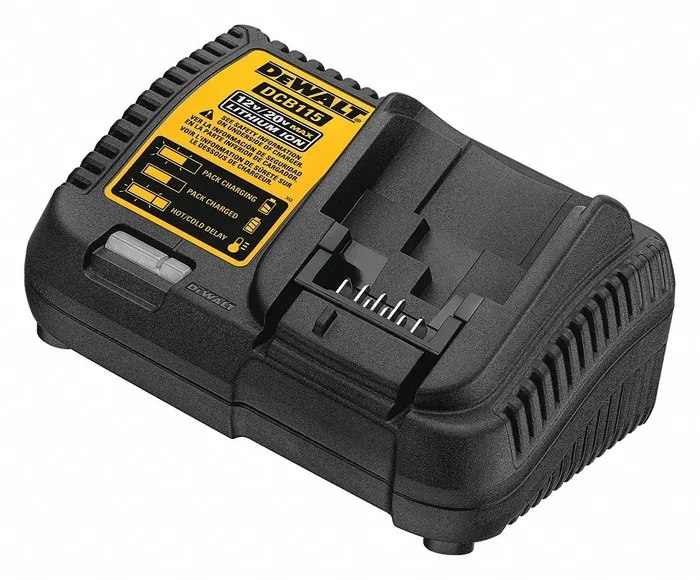
Can You Charge A 12v Dewalt Battery On A 20v Charger
Charging a 12v Dewalt battery on a 20v charger is not recommended and can damage your battery. The voltage mismatch creates serious risks like overheating, reduced battery life, and even safety hazards. Always use the charger designed for your specific Dewalt battery model to keep your tools running safely and your warranty intact.
Key Takeaways
- Voltage Mismatch Matters: A 20v charger delivers more power than a 12v battery can handle, which can cause overheating and permanent damage.
- Dewalt Batteries Are Smart: Modern Dewalt batteries have built-in battery management systems that may refuse to charge if the voltage is wrong.
- Warranty Can Be Voided: Using the wrong charger may void your Dewalt warranty, leaving you paying for repairs out of pocket.
- No Safe Adapter Shortcut: There is no reliable way to safely adapt a 20v charger for a 12v battery without risking damage.
- Match Charger to Battery: Always use the charger that matches your Dewalt battery voltage for the best results and longest battery life.
- Know Your Battery Model: Different Dewalt battery models have different charging requirements. Check your model number before charging.
📑 Table of Contents
- Can You Charge A 12v Dewalt Battery On A 20v Charger?
- Understanding Dewalt Battery Chemistry And Voltage
- The Risks Of Using The Wrong Charger
- How Dewalt Battery Management Systems Work
- Can You Use Adapters Or Converters Safely?
- Best Practices For Charging Dewalt Batteries
- Comparison: 12v Vs 20v Dewalt Charging
- What To Do If You Already Charged A 12v Battery On A 20v Charger
- Final Thoughts
Can You Charge A 12v Dewalt Battery On A 20v Charger?
The short answer is no. You should never plug a 12v Dewalt battery into a 20v charger. The voltage difference is too big. It can hurt your battery. It can also create safety problems. Let us break down exactly why this happens and what you should do instead.
If you have been wondering about can you charge a 12v Dewalt battery on a 20v charger, you are not alone. Many people own multiple Dewalt tools and batteries. It is easy to grab the wrong charger by accident. But doing this can lead to big problems. Understanding battery compatibility is the first step to keeping your tools working safely.
Dewalt makes great power tools. Their batteries are built with advanced lithium-ion battery technology. These batteries are smart. They have built-in protection circuits. But that does not mean they can handle the wrong voltage. A voltage mismatch between your battery and charger is a real risk. Let us look at exactly what happens when you try this.
What Happens When You Plug In The Wrong Charger?
When you connect a 12v battery to a 20v charger, the charger pushes more power into the battery than it was designed to accept. Think of it like trying to fill a small bucket with a fire hose. The battery cells inside the pack cannot handle the extra voltage. Here is what can go wrong:
- Overheating: The excess voltage causes the battery to heat up fast. This can damage the internal battery cell structure.
- Swelling: Lithium-ion batteries can swell when overcharged. A swollen battery is dangerous and should be replaced immediately.
- Reduced Battery Life: Even if the battery does not fail right away, repeated exposure to too much voltage shortens its overall lifespan.
- Fire Risk: In worst case scenarios, overcharging a lithium-ion battery can lead to leaking or even a fire.
- Charger Damage: The charger may also get damaged if the battery rejects the power or pulls too much current.
The battery protection circuit inside modern Dewalt batteries is designed to prevent some of these issues. It acts like a safety guard. But it is not foolproof. You should never rely on the protection circuit to save you from using the wrong charger. Always match your charger to your battery.
Understanding Dewalt Battery Chemistry And Voltage
To understand why voltage matters so much, you need to know a little bit about how Dewalt batteries work. Dewalt uses lithium-ion battery technology in most of their cordless tools. These batteries are made up of multiple battery cells wired together inside a pack.
A 12v Dewalt battery typically uses three lithium-ion cells connected in series. Each cell has a nominal voltage of about 4 volts. Three cells times four volts equals twelve volts. A 20v battery uses five cells at four volts each. That gives you twenty volts.
Now here is the key point. A charger is designed to push a specific voltage into the battery. A 20v charger is built to deliver close to 20 volts. When you connect a 12v battery to it, the charger does not know to lower its output. It just keeps pushing power at 20 volts. The battery simply cannot absorb all of that energy safely.
Dewalt has different battery platform names too. The Dewalt PowerStack batteries are their newer high-performance line. The Dewalt FlexVolt batteries can switch between 12v and 20v modes. But even FlexVolt batteries have specific charging requirements. They need the right charger for the mode they are in. Using a random charger will not work properly.
Dewalt Battery Models And Their Charging Requirements
Not all Dewalt batteries are the same. Different models need different chargers. Here are some common ones and their charging needs:
- DCB125: This is a 12v charger designed for 12v Dewalt batteries. It delivers the right voltage and amperage for these packs.
- DCB127: This is a 20v charger for 20v batteries. It should never be used with a 12v battery.
- DCB184: This is a 60v charger for the FlexVolt platform in 60v mode.
Using the wrong charger model is one of the most common mistakes people make. Always check the label on your battery and your charger before you plug anything in. The charger amperage also matters. A charger with too high an amperage can stress the battery even if the voltage is correct.
The Risks Of Using The Wrong Charger
Let us talk about the real-world risks of charging a 12v battery with a 20v charger. This is not just theory. People have experienced real problems from doing this.
Overcharging And Heat Damage
The biggest risk is overcharging. A 20v charger pushes more electrical energy into the battery than it can store. The excess energy turns into heat. Lithium-ion batteries do not like excessive heat. It degrades the chemical makeup inside the cells. Over time, this means your battery life gets shorter and shorter.
Heat damage is one of the leading causes of battery failure. If your battery feels hot to the touch while charging on the wrong charger, stop immediately. Unplug it and let it cool down. Continuing to charge it could cause permanent damage.
Voiding Your Warranty
Here is something many people do not think about. Using the wrong charger can void your warranty. Dewalt warranties cover defects in materials and workmanship. They do not cover damage caused by misuse. If you charge your 12v battery on a 20v charger and it fails, Dewalt may refuse to replace it.
That means you would have to buy a new battery out of your own pocket. A new Dewalt battery can cost anywhere from 50 to 200 dollars or more. It is just not worth the risk. Always use the charger that matches your battery.
Safety Hazards
Beyond warranty issues, there are real safety concerns. Overcharged lithium-ion batteries can become hazardous. They can swell, leak, or in rare cases catch fire. This is why battery charger safety should always be your top priority. Never leave a battery charging unattended if you are unsure about the charger compatibility.
Expert Insight
Battery safety experts always recommend using the charger that comes with your tool or the exact replacement recommended by the manufacturer. The small convenience of grabbing any charger is not worth the risk.
How Dewalt Battery Management Systems Work
Dewalt batteries are not just simple power containers. They are smart devices. Inside every Dewalt battery pack is a battery management system (BMS). This system controls how power flows in and out of the battery.
The BMS monitors several things at once. It tracks voltage levels. It watches the temperature of each battery cell. It manages the rate of charge and discharge. It also communicates with the charger to make sure everything is working correctly.
Dewalt uses a proprietary operating system inside their batteries to manage all of these functions. This system is designed to work with specific Dewalt chargers. It uses a digital communication protocol between the battery and the charger. If the charger does not speak the right protocol, the battery may refuse to charge at all.
Some people wonder if they can bypass this protection. The answer is no. You should never try to modify or bypass the BMS. Doing so removes your safety protections and can be extremely dangerous.
For a deeper look at how proprietary systems work and their tradeoffs, you can read our article on advantages and disadvantages of a proprietary operating system.
The Communication Protocol Between Battery And Charger
Modern Dewalt batteries and chargers talk to each other through a digital communication protocol. This works similarly to how a value-added network for electronic commerce communication enables devices to exchange data securely and efficiently. The battery tells the charger what voltage it needs. The charger responds with the correct power output.
This is why using a non-Dewalt charger or the wrong Dewalt charger can cause problems. The communication fails. The charger does not know what the battery needs. The result is unpredictable charging behavior at best and dangerous overheating at worst.
Can You Use Adapters Or Converters Safely?
Some people wonder if they can use an adapter or voltage converter to make a 20v charger work with a 12v battery. This is a reasonable question. But the answer is still no. Here is why.
A simple voltage adapter does not solve the communication problem. The battery and charger still need to talk to each other properly. An adapter cannot translate the digital protocol between them. Even if you lower the voltage somehow, the charger may still push too much current.
Voltage converters add another layer of complexity. They can be bulky and inefficient. They generate heat of their own. Adding a converter into the charging process introduces more points of failure. It is an unnecessary risk for something that should be simple.
Quick Tips
- Always use the charger that matches your battery voltage.
- Check the battery label for the correct voltage and model number.
- Never use a charger with a higher voltage than your battery requires.
- Store your batteries and chargers in a cool, dry place.
- If a battery gets hot during charging, unplug it immediately.
Best Practices For Charging Dewalt Batteries
Now that you know what not to do, let us talk about what you should do. Following best practices will keep your batteries healthy and your tools running strong for years.
Match Your Charger To Your Battery
This is the golden rule of battery charging. Every Dewalt battery has a matching charger. The 12v batteries need a 12v charger. The 20v batteries need a 20v charger. The FlexVolt batteries need the right charger for the mode they are in. Check the labels on both the battery and the charger before you plug anything in.
Keep your chargers organized. It is easy to mix them up if you have multiple tools. Consider labeling your chargers or keeping them in a dedicated toolbox section.
Charge In The Right Environment
Where you charge your battery matters too. Charge your Dewalt batteries in a cool, dry place. Avoid charging in direct sunlight or near heat sources. The ideal charging temperature is between 50 and 86 degrees Fahrenheit.
Do not charge your battery immediately after heavy use. Let it cool down for at least 15 to 20 minutes first. Charging a hot battery can cause stress on the cells and reduce battery life over time.
Follow The Charging Time Guidelines
Every Dewalt charger has a recommended charging time. For example, the DCB125 typically charges a 12v battery in about 30 to 60 minutes depending on the battery capacity. The DCB127 charges 20v batteries in a similar range.
Do not leave batteries on the charger longer than needed. Once the charger indicates the battery is full, remove it. Leaving a battery on a charger after it is fully charged can cause trickle charging stress on the cells.
Inspect Your Batteries And Chargers Regularly
Get into the habit of checking your batteries and chargers regularly. Look for cracks, dents, or swelling on the battery pack. Check the charger cables for fraying or damage. If anything looks off, stop using it and replace it.
Clean the battery contacts with a dry cloth if you notice any dirt or corrosion. Good contact between the battery and charger ensures efficient and safe charging.
Common Mistakes To Avoid
- Using a charger from a different brand: Third-party chargers may not communicate properly with Dewalt batteries.
- Ignoring warning lights: If your charger flashes red or shows an error, do not keep charging.
- Charging in cold environments: Charging below freezing can damage lithium-ion cells permanently.
- Mixing old and new batteries: Do not charge a new battery alongside an old, degraded one on the same charger.
- Using damaged equipment: A cracked battery case or frayed charger cord is a fire hazard.
Comparison: 12v Vs 20v Dewalt Charging
Here is a quick comparison to help you understand the differences between charging 12v and 20v Dewalt batteries correctly:
| Feature | 12v Dewalt Battery | 20v Dewalt Battery |
|---|---|---|
| Nominal Voltage | 12 volts | 20 volts |
| Number of Cells | 3 cells in series | 5 cells in series |
| Correct Charger Model | DCB125 or similar 12v charger | DCB127 or similar 20v charger |
| Charging Time (Typical) | 30 to 60 minutes | 30 to 60 minutes |
| Common Use | Compact tools, smaller jobs | Heavy-duty tools, demanding jobs |
| Can Use 20v Charger? | No, unsafe | Yes, correct match |
| Can Use 12v Charger? | Yes, correct match | No, will not charge properly |
As you can see from the table, the answer to can you charge a 12v Dewalt battery on a 20v charger is a clear no. The voltage, cell count, and charger model all need to match for safe and effective charging.
The internal components of these battery packs are carefully designed with specific electronic parts. Just like the five key components found on a motherboard keep a computer running safely, the circuit board inside your Dewalt battery keeps the power flowing correctly and protects you from electrical hazards.
What To Do If You Already Charged A 12v Battery On A 20v Charger
If you have already made this mistake, do not panic. But do take it seriously. Here is what you should do right away.
- Unplug the charger immediately. Do not wait. The sooner you stop the charging process, the better.
- Inspect the battery carefully. Look for any signs of swelling, leaking, or physical damage. If you see any of these, do not use the battery again.
- Let the battery cool down. Place it in a safe, cool area away from flammable materials. Give it at least 30 minutes to reach room temperature.
- Check if the battery still works. Try using it in your tool. If it powers on and holds a charge normally, it may have survived the incident. But monitor it closely for the next few uses.
- Contact Dewalt support if you are unsure. If the battery feels warm, looks swollen, or does not hold a charge like it used to, reach out to Dewalt customer service. They can help you determine if the battery is still safe to use.
Moving forward, always double-check your charger and battery before plugging them in. Making this a habit will prevent the mistake from happening again.
Final Thoughts
The answer to can you charge a 12v Dewalt battery on a 20v charger is a firm and clear no. The risks far outweigh any convenience. Using the wrong charger can damage your battery, create safety hazards, and void your warranty.
Dewalt designs their batteries and chargers as matched pairs for a reason. The battery management system, the communication protocol, and the voltage specifications all work together to keep you safe and your tools powered up. When you use the right charger, everything works the way it should.
Take a few minutes to learn your battery models and their matching chargers. Keep your chargers labeled and organized. Follow the charging best practices we covered in this article. Your batteries will last longer, your tools will perform better, and you will stay safe while working.
Investing a little time in understanding your equipment pays off big time. You will avoid costly replacements, prevent safety issues, and get the most out of every Dewalt battery you own. Treat your batteries right, and they will keep your tools running for years to come.
Frequently Asked Questions
Can I Use A 20v Charger On A 12v Dewalt Battery In An Emergency?
No, you should never use a 20v charger on a 12v Dewalt battery, even in an emergency. The voltage mismatch can cause overheating, damage the battery cells, and create a safety hazard. It is always better to wait and use the correct charger.
Will Dewalt Honor The Warranty If I Charged A 12v Battery On A 20v Charger?
Dewalt warranties typically do not cover damage caused by using the wrong charger. If you charge a 12v battery on a 20v charger and it fails, Dewalt may deny your warranty claim. Always use the charger designed for your specific battery model.
How Can I Tell If My Dewalt Battery Is 12v Or 20v?
Check the label on the battery pack. It will clearly list the voltage. You can also check the model number. Common 12v models include the DCB120 and DCB125 series. Common 20v models include the DCB200 and DCB205 series. When in doubt, visit the Dewalt website and look up your model number.
Can I Use A Third-Party Charger With My Dewalt Battery?
It is not recommended. Third-party chargers may not communicate properly with Dewalt batteries. They may not provide the correct voltage or amperage. This can lead to poor charging performance, reduced battery life, and safety risks. Stick with genuine Dewalt chargers for the best results.
What Is The Correct Charging Time For A 12v Dewalt Battery?
Most 12v Dewalt batteries take between 30 and 60 minutes to fully charge using the correct charger like the DCB125. Charging time can vary based on the battery capacity and how depleted the battery was before charging. Never leave a battery on the charger longer than the manufacturer recommends.
Are Dewalt FlexVolt Batteries Compatible With Both 12v And 20v Chargers?
Dewalt FlexVolt batteries can work with both 12v and 20v tools, but they still need the correct charger. The charger must match the voltage mode the battery is set to. Using the wrong charger can prevent proper charging or damage the battery.