Did Lenovo Buy Fujitsu The Real Story Behind the Rumors
Did Lenovo buy Fujitsu? The short answer is no — but Lenovo did acquire Fujitsu’s PC division in a major 2014 deal that reshaped the laptop industry. This article reveals the full story behind the rumors, what the acquisition really involved, and why people still confuse the two companies today.
Have you been hearing whispers about Lenovo and Fujitsu merging? Maybe you saw a headline that made your eyes wide open. Or perhaps you’re shopping for a laptop and noticed some confusing branding. You are not alone. The question “Did Lenovo buy Fujitsu” has been circulating online for years. And the answer is more interesting than a simple yes or no.
The truth is that Lenovo did not buy Fujitsu as a whole company. But Lenovo did make a massive move to acquire Fujitsu’s personal computer division. That deal changed the laptop and notebook market forever. It also created a lot of confusion among tech shoppers and industry watchers alike. In this article, we will walk through every detail. You will learn exactly what happened, why it matters, and why the rumors keep spreading.
Whether you are a tech enthusiast, a business buyer, or just someone curious about the computer industry, this guide has you covered. We will break down the deal in plain language. No jargon. No fluff. Just clear facts and practical insights that will help you understand one of the biggest tech acquisitions in recent history.
Key Takeaways
- Lenovo did not buy Fujitsu: The full company remains independent and focused on enterprise IT, servers, and consulting services.
- Lenovo acquired Fujitsu’s PC division: In 2014, Lenovo bought an 80.1% stake in Fujitsu’s laptop and notebook business.
- The deal boosted Lenovo’s global PC market share significantly: It made Lenovo the world’s largest PC vendor by volume.
- Fujitsu laptops became part of Lenovo’s product lineup: Some Fujitsu PC technology and brands were integrated into Lenovo’s offerings.
- The rumors persist because of brand confusion: Both companies operate in similar spaces, leading many to assume a full merger occurred.
- Fujitsu still operates independently: The company focuses on servers, enterprise solutions, and specialized computing hardware.
- Understanding the deal matters for buyers: Knowing the history helps consumers make informed decisions about laptops and enterprise tech.
📑 Table of Contents
- So Did Lenovo Buy Fujitsu? The Short Answer
- The History Behind the Lenovo-Fujitsu Deal
- What Happened to Fujitsu After the Deal
- How the Deal Changed the PC Market
- The Rumors and Misconceptions Explained
- What This Means for You as a Buyer
- Expert Insights on the Lenovo-Fujitsu Acquisition
- Key Takeaways
- Conclusion
So Did Lenovo Buy Fujitsu? The Short Answer
Let us get the big question out of the way first. Did Lenovo buy Fujitsu? No, not entirely. Fujitsu remains an independent company today. It operates on its own and focuses on enterprise IT solutions, servers, and specialized computing services. Lenovo owns Fujitsu’s PC business — meaning the laptops, notebooks, and desktop computers that Fujitsu once sold under its own brand.
This distinction is crucial. Many people read a headline and assume the full companies merged. That is not what happened. The deal was specifically about personal computers. It did not include Fujitsu’s server business, its enterprise consulting arm, or its other technology divisions. Understanding this difference helps clear up a lot of the confusion around the topic.
Why the Confusion Exists
Here is why so many people ask this question. Lenovo and Fujitsu both make laptops. Both brands appear in the same retail stores. Both compete in the same global PC market. When Lenovo started selling laptops that were once Fujitsu products, the lines blurred. Shoppers saw “Fujitsu” on some devices and “Lenovo” on others and wondered what was going on.
Add to that the fact that tech acquisitions can be complex. Media outlets sometimes oversimplify the story. A headline might say “Lenovo Buys Fujitsu PC Unit” and then readers remember it as “Lenovo Buys Fujitsu.” Over time, the details get lost. That is how rumors start and spread.
The History Behind the Lenovo-Fujitsu Deal
The story of this acquisition did not happen overnight. It was the result of years of shifting market dynamics, competitive pressures, and strategic business decisions. To truly understand what happened, we need to look at the timeline and the reasons behind the deal.
How the Deal Came Together
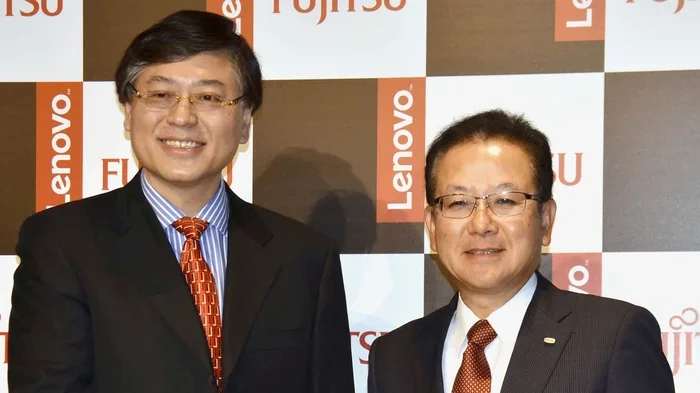
Back in 2014, Lenovo made a bold move. The company agreed to purchase an 80.1% controlling stake in Fujitsu’s personal computer division. The deal was valued at around $1.75 billion. This was one of the largest technology acquisitions of that year. Lenovo wanted to grow its share of the global PC market. And Fujitsu’s PC division brought strong brand recognition, especially in Japan and parts of Asia.
Before the deal, Lenovo was already a major player in the computer hardware space. The company had built its reputation on affordable, reliable laptops and desktops. But it wanted to compete more aggressively with HP, Dell, and Apple. Acquiring Fujitsu’s PC unit gave Lenovo access to new markets, technology, and a broader product portfolio.
Fujitsu, on the other hand, was looking to streamline its business. The company decided that its PC division was not its core strength. By selling the majority stake to Lenovo, Fujitsu could focus on its more profitable enterprise and server businesses. It was a strategic move that benefited both sides.
What Lenovo Gained from the Acquisition
Lenovo walked away with several valuable assets from this deal. The company gained access to Fujitsu’s laptop technology and design expertise. It also acquired the Fujitsu brand name for personal computers in certain regions. This meant Lenovo could sell laptops under the Fujitsu name in markets where the brand had strong recognition.
Here is what Lenovo gained specifically:
- Fujitsu’s PC product lineup: Including laptops, notebooks, and all-in-one desktops.
- Brand rights in key markets: Especially in Japan, where Fujitsu had a loyal customer base.
- Research and development assets: Fujitsu had invested heavily in laptop innovation and design.
- Expanded global reach: The deal opened doors to new geographic markets for Lenovo.
- Enterprise PC solutions: Fujitsu had strong relationships with business clients and governments.
These gains helped Lenovo become the largest PC vendor in the world by unit sales. Today, Lenovo regularly competes at the top of global PC market share rankings. The Fujitsu acquisition played a major role in that achievement.
What Happened to Fujitsu After the Deal
Fujitsu did not disappear after selling its PC division. The company continues to operate as a full-fledged technology firm. But its focus shifted significantly. Today, Fujitsu concentrates on enterprise solutions, cloud computing, and server technology. It also provides IT consulting and digital transformation services to businesses around the world.
Fujitsu’s Current Business Focus
So what does Fujitsu do now if it no longer sells consumer laptops through its own brand in most markets? The company has carved out a strong niche in several key areas:
- Enterprise servers: Fujitsu remains a major player in the server hardware market. Its PRIMEQUEST and SPARC servers are used by large organizations globally.
- IT services and consulting: The company helps businesses modernize their technology infrastructure.
- Cloud and AI solutions: Fujitsu invests heavily in artificial intelligence and cloud computing research.
- Specialized computing: The company still builds high-performance workstations and rugged laptops for specific industries.
- Retail and point-of-sale systems: Fujitsu is a leading provider of POS terminals and retail technology.
The company still sells some consumer products in Japan and select markets. But its global consumer PC presence has been significantly reduced. The brand now appears mostly in enterprise and professional computing environments.
Do Fujitsu Laptops Still Exist
This is a common question, and the answer is yes — but with a caveat. After the acquisition, Lenovo continued to sell laptops under the Fujitsu brand in certain regions. You can still find Fujitsu-branded laptops in Japan and parts of Asia. However, in most Western markets, these devices are now sold under the Lenovo brand.
Some Fujitsu laptop models were rebranded as Lenovo products. Others retained the Fujitsu name but were distributed through Lenovo’s channels. The technology inside these laptops often includes Fujitsu’s engineering and design, even if the logo on the outside has changed.
How the Deal Changed the PC Market
The Lenovo-Fujitsu PC acquisition had a real impact on the global computer market. It reshaped competition, influenced pricing, and changed what consumers could expect from their laptops. Let us look at how this deal affected the industry.
The Rise of Lenovo as a PC Giant
Before the Fujitsu deal, Lenovo was already growing fast. But the acquisition pushed the company to the top of the PC market. Lenovo surpassed HP and Dell in global unit sales and held that position for several years running. The company’s PC revenue grew substantially thanks to the expanded product lineup and broader market access.
Today, Lenovo is a household name in computing. From the budget-friendly IdeaPad series to the premium ThinkPad line, the company offers laptops for every type of user. And some of those products carry the Fujitsu legacy in their design and engineering DNA.
Impact on Consumers
What does this mean for you as a buyer? The deal created more choices and more competition in the laptop market. When big companies merge or acquire each other, it often leads to better products at lower prices. Lenovo was able to offer a wider range of laptops at different price points. Consumers benefited from this increased competition.
At the same time, the deal meant that some loyal Fujitsu customers had to adjust. If you were used to buying a Fujitsu laptop, you might now find that your next purchase carries a Lenovo logo. But the quality and engineering often remain the same. Lenovo has maintained much of Fujitsu’s build quality and attention to detail in its PC products.
Impact on the Enterprise Sector
Businesses also felt the effects of this acquisition. Lenovo now offers a broader range of enterprise-grade laptops and workstations. Companies that relied on Fujitsu for their business computing needs found that Lenovo could meet those same needs — often with more resources and better global support.
The deal also meant that Lenovo could offer more comprehensive IT solutions to large organizations. With both consumer and enterprise PC lines under one roof, Lenovo became a one-stop shop for many businesses looking to upgrade their technology infrastructure.
The Rumors and Misconceptions Explained
Rumors about Lenovo and Fujitsu have persisted for years. Even though the deal happened over a decade ago, people still ask “Did Lenovo buy Fujitsu” as if it were a recent event. Let us address some of the most common misconceptions head-on.
Misconception 1: Lenovo Owns Fujitsu Completely
This is the biggest misconception. Lenovo owns Fujitsu’s PC division — not the entire company. Fujitsu still operates independently in enterprise IT, servers, and consulting. The two companies are separate entities that happen to share a history in the PC market.
Misconception 2: Fujitsu Laptops Are the Same as Lenovo Laptops
While some Fujitsu laptops were rebranded as Lenovo products, they are not identical. Fujitsu laptops often had their own unique design language, keyboard quality, and build characteristics. Lenovo has preserved some of these traits in its premium lines, especially the ThinkPad series. But they are not the same product.
Misconception 3: The Deal Was a Full Merger
This was not a merger where two companies combined into one. It was an acquisition — Lenovo bought a division of Fujitsu. Fujitsu continues to exist and thrive as an independent company. The two firms now operate in different primary segments of the technology industry.
What This Means for You as a Buyer
If you are in the market for a new laptop or desktop computer, understanding the Lenovo-Fujitsu history can help you make better decisions. Here are some practical tips to keep in mind.
Know What You Are Buying
When you see a Fujitsu laptop, understand that it is now part of Lenovo’s ecosystem. The support, warranty, and updates are handled through Lenovo’s channels. This can actually be a good thing — Lenovo has a massive global support network that Fujitsu alone could not match.
Compare Models Carefully
If you are choosing between a Lenovo and a Fujitsu-branded laptop, compare them side by side. Look at the specifications, build quality, and price. Sometimes a Fujitsu-branded model is essentially a Lenovo model with different branding. Other times, there are genuine differences worth considering.
Consider Your Needs
Think about what you need from your computer. If you want a business laptop with a great keyboard and enterprise support, Lenovo’s ThinkPad line is an excellent choice — and it carries some of that Fujitsu engineering DNA. If you need a consumer laptop for everyday tasks, Lenovo’s IdeaPad series offers great value.
Check the Warranty and Support
Before purchasing, check the warranty terms. Lenovo provides support for both Lenovo-branded and former-Fujitsu-branded PCs. Make sure you understand the coverage and how to access support services in your region.
Expert Insights on the Lenovo-Fujitsu Acquisition
Industry analysts have studied the Lenovo-Fujitsu deal closely over the years. Here is what experts have to say about its significance and long-term impact.
Many tech analysts view the acquisition as a smart strategic move by Lenovo. The company identified an opportunity to grow its PC business without starting from scratch. By acquiring an established brand with loyal customers, Lenovo saved years of brand-building effort. The deal also demonstrated how consolidation in the tech industry can create stronger, more competitive companies.
At the same time, some experts note that the acquisition came with challenges. Integrating two different company cultures, product lines, and support systems is never easy. Lenovo had to work hard to maintain the quality and identity of Fujitsu-branded products while bringing them into its own ecosystem.
Overall, most industry professionals agree that the deal was a success for both companies. Lenovo gained market share and global reach. Fujitsu was able to focus on its core strengths in enterprise technology. And consumers ultimately benefited from a more competitive PC market.
Key Takeaways
- Lenovo did not buy Fujitsu: The full company remains independent and focused on enterprise IT, servers, and consulting services.
- Lenovo acquired Fujitsu’s PC division: In 2014, Lenovo bought an 80.1% stake in Fujitsu’s laptop and notebook business.
- The deal boosted Lenovo’s global PC market share significantly: It made Lenovo the world’s largest PC vendor by volume.
- Fujitsu laptops became part of Lenovo’s product lineup: Some Fujitsu PC technology and brands were integrated into Lenovo’s offerings.
- The rumors persist because of brand confusion: Both companies operate in similar spaces, leading many to assume a full merger occurred.
- Fujitsu still operates independently: The company focuses on servers, enterprise solutions, and specialized computing hardware.
- Understanding the deal matters for buyers: Knowing the history helps consumers make informed decisions about laptops and enterprise tech.
Conclusion
So did Lenovo buy Fujitsu? The answer is nuanced but clear. Lenovo did not buy the entire Fujitsu company. What Lenovo did buy was Fujitsu’s personal computer division — and that deal was a game-changer for the global PC market. Today, Lenovo is the world’s largest PC vendor, and some of that success traces directly back to the Fujitsu acquisition.
Fujitsu continues to thrive as an independent company. It focuses on enterprise servers, IT services, and specialized technology solutions. The two companies now operate in different lanes of the tech industry, even though they share a historical connection through the PC business.
If you are shopping for a computer, this history matters. It helps you understand the brands you are considering and the quality you can expect. Whether you choose a Lenovo or a Fujitsu-branded device, you are tapping into decades of engineering and innovation from both companies.
The next time you hear the rumors, you will know the real story. Lenovo and Fujitsu are not the same company. But they are connected through one of the most significant acquisitions in modern computing history. And that connection continues to shape the laptops and computers we use every day.
Frequently Asked Questions
Is Fujitsu owned by Lenovo now?
No, Fujitsu is not owned by Lenovo. Lenovo owns Fujitsu’s PC division, which includes the laptop and notebook business. Fujitsu itself remains an independent company focused on enterprise IT, servers, and consulting services.
Can I still buy a Fujitsu laptop today?
Yes, you can still buy Fujitsu-branded laptops, but mostly in Japan and select Asian markets. In Western markets, many former Fujitsu laptops are now sold under the Lenovo brand. The technology and quality remain consistent with what Fujitsu originally offered.
When did Lenovo acquire Fujitsu’s PC division?
Lenovo completed the acquisition of Fujitsu’s PC division in 2014. The deal was finalized after Lenovo purchased an 80.1% controlling stake for approximately $1.75 billion. This made Lenovo the largest PC vendor in the world by unit sales.
Are Lenovo ThinkPads related to Fujitsu laptops?
Lenovo ThinkPads and Fujitsu laptops share some engineering DNA, but they are not the same product line. ThinkPads are Lenovo’s premium business laptop brand. Fujitsu laptops had their own distinct design and quality characteristics. Some Fujitsu technology and expertise were integrated into Lenovo’s broader PC portfolio after the acquisition.
Why do people think Lenovo bought Fujitsu completely?
People confuse the two companies because both sell laptops and operate in the same market. The acquisition of Fujitsu’s PC division was widely reported, and many headlines simplified the story. Over time, the details became blurred, leading to the widespread misconception that Lenovo purchased the entire Fujitsu company.
What is Fujitsu known for today if not laptops?
Today, Fujitsu is known for enterprise servers, cloud computing solutions, IT consulting, and digital transformation services. The company also provides specialized computing hardware for industries like healthcare, finance, and government. Fujitsu remains a major player in the global enterprise technology sector.