Difference Between Monaural and Binaural Headsets Guide
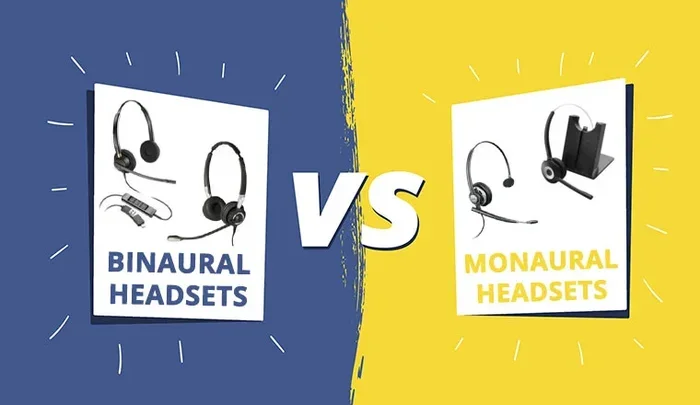
The difference between monaural and binaural headsets is one of the most overlooked decisions when buying audio gear. A monaural headset delivers sound to just one ear, keeping you aware of your surroundings, while a binaural headset covers both ears for full immersion. Whether you need a call center headset for work or a gaming headset for entertainment, choosing the right type affects your comfort, productivity, and audio quality. This guide walks you through every key distinction so you can pick the perfect mono headset or stereo headset with confidence.
When you are shopping for a new headset, the sheer number of options can feel overwhelming. One of the first choices you will face is whether to go with a monaural headset or a binaural headset. These two types of ear-worn audio devices serve very different purposes, and picking the wrong one can lead to frustration. Maybe you need something for a busy office where you must hear your coworkers. Or perhaps you want full immersion while playing your favorite video game. Whatever your reason, understanding the difference between monaural and binaural headsets is the first step toward a smart purchase.
This guide breaks down everything you need to know. We will look at how each type works, where each one shines, and what to watch out for. By the end, you will feel confident choosing the right single ear headset or dual ear headset for your lifestyle. Let us dive in.
Key Takeaways
- Monaural headsets cover one ear: They are ideal for office work, call centers, and environments where you need to stay aware of your surroundings.
- Binaural headsets cover both ears: They deliver full stereo sound and are best for gaming, media consumption, and immersive audio experiences.
- Your use case determines the choice: Consider where and how you will use the headset most often before making a decision.
- Comfort and ear fatigue matter: Wearing a headset for hours can cause discomfort, so fit and weight are important factors.
- Microphone quality varies: Both types offer different microphone setups, and your communication needs should guide your pick.
- Wireless and wired options exist for both: You are not limited by connectivity type when choosing between these two styles.
- Sound localization is better with binaural: If you need to pinpoint where sounds come from, a dual ear headset has a clear advantage.
📑 Table of Contents
What Is a Monaural Headset?
A monaural headset is an audio device that covers only one ear. The word “monaural” comes from the Greek word “monos,” which means single or alone. So when you wear a one ear headset, sound flows into just one ear canal. The other ear stays open and free to hear the world around you. This design has been popular for decades, especially in workplaces where staying aware of your environment matters.
How Monaural Headsets Work
A monaural headset uses a single audio channel to deliver sound. Unlike a stereo headset that sends different audio to each ear, a mono headset plays the same sound in both channels, but only one ear receives it. You will typically find a wired headset or a wireless headset in this category. Many models also include a boom microphone attached to the earpiece for clear voice pickup.
The ear cushion or earbud sits on one side, and a thin band or adjustable arm holds it in place. Some designs clip to your ear, while others rest over your ear with a padded cushion. The build is usually lightweight because there is only one side to manage. This makes monaural ear comfort a strong point for long shifts.
Common Uses for Monaural Headsets
Call center headsets are the most famous example of monaural gear. Customer service agents wear them all day because they need to hear callers clearly while also staying tuned in to their surroundings. Office workers who take frequent calls also love this style. It lets them hear a colleague walking up without taking the headset off.
Here are some common uses for a monaural headset:
- Call center and customer support roles where constant awareness is key
- Office environments where you need to hear ambient sounds and alerts
- Warehouse and logistics work where safety depends on hearing your environment
- Broadcasting and recording where engineers monitor audio while staying aware of the studio
- Healthcare settings where staff need to communicate while remaining alert to patients
Quick Tip: If you work in an open office or a busy environment, a monaural headset keeps you connected without isolating you from your team. This is one of the biggest advantages of the single ear headset design.
What Is a Binaural Headset?
A binaural headset covers both ears. The word “binaural” comes from the Latin “bina,” meaning two. This type of dual ear headset delivers sound to both ear canals, creating a full audio experience. Think of it like wearing headphones, but with a microphone attached. The difference between monaural and binaural headsets comes down to this simple fact: one ear versus both ears.
How Binaural Headsets Work
A binaural headset uses two audio channels to send sound to each ear independently. This is what gives you stereo sound and surround sound experiences. When you listen to music or game audio, the left and right channels create depth and directionality. Your brain uses these differences to localize sound, meaning you can tell where a sound is coming from.
Most binaural headsets feature larger ear cups that fully surround or press against each ear. They can be wired or wireless, and many models include active noise cancellation technology. The microphone may be built into the ear cup, attached on a boom arm, or hidden in the headband. The overall build tends to be heavier than a monaural model because there are two ear pieces.
Common Uses for Binaural Headsets
Gaming headsets are the most popular use case for binaural designs. Gamers need to hear footsteps, explosions, and voice chat with precision. A binaural headset gives them the spatial awareness that a single ear simply cannot provide. Music lovers also prefer this type because it delivers a richer, more balanced listening experience.
Here are some common uses for a binaural headset:
- Gaming where sound direction and immersion are critical
- Music listening where full stereo separation enhances the experience
- Video conferencing where clear audio on both sides improves communication
- Media consumption like watching movies or streaming content
- Audio editing and production where accurate sound reproduction matters
Common Mistake: Many people buy a binaural headset for office work without realizing it isolates them from their environment. If you need to hear your coworkers or office alerts, a both ears headset might not be the best choice for your daily routine.
Monaural vs Binaural Headset: Core Differences
The difference between monaural and binaural headsets goes beyond just the number of ears covered. Several key factors set these two types apart. Let us break down the most important ones so you can see the full picture at a glance.
Sound Delivery and Audio Quality
A monaural headset delivers mono audio to one ear. This means you get a single channel of sound. It works well for voice calls and basic audio alerts. However, it lacks the depth and richness of stereo sound. A binaural headset delivers full stereo audio to both ears. You get separate left and right channels, which creates a much more immersive experience. For music, movies, and gaming, the binaural headset wins clearly.
Environmental Awareness
This is where the monaural headset really stands out. Because one ear stays open, you can hear what is happening around you. In a busy office, a classroom, or a warehouse, this awareness is essential for safety and communication. A binaural headset blocks out the outside world, which is great for focus but can be a drawback in environments where you need to stay alert.
Comfort and Ear Fatigue
Wearing a headset for hours can cause hearing fatigue. A monaural headset puts pressure on only one ear, which many users find more comfortable for extended wear. A binaural headset covers both ears, which can lead to heat buildup and pressure over time. However, high-end binaural models with padded ear cups and lightweight designs can reduce this issue significantly.
Microphone and Communication Quality
Both types of headsets include microphones, but the setup differs. A monaural headset often uses a boom microphone that sits close to your mouth for clear pickup. This is why call center headsets favor this design. A binaural headset may have a boom mic or a built-in mic in the ear cup. The mic quality depends more on the specific model than on whether the headset is monaural or binaural.
Portability and Weight
A monaural headset is generally lighter and more compact. It folds up easily and fits in a bag without taking up much space. A binaural headset is bulkier because of the two ear cups. If you travel often or need a headset you can carry around easily, the lighter single ear headset has an edge.
| Feature | Monaural Headset | Binaural Headset |
|---|---|---|
| Ear Coverage | One ear | Both ears |
| Audio Type | Mono audio | Stereo sound |
| Environmental Awareness | High | Low (especially with noise cancellation) |
| Best For | Calls, offices, warehouses | Gaming, music, media |
| Weight | Lighter | Heavier |
| Ear Fatigue | Lower (one ear) | Higher (both ears) |
| Sound Localization | Poor | Excellent |
| Noise Cancellation | Less common | Often included |
| Microphone Setup | Boom mic common | Boom or built-in mic |
| Portability | More compact | Bulkier |
Expert Insight: According to audio engineers, the difference between monaural and binaural headsets is not just about comfort or convenience. It is about how your brain processes sound. Binaural listening engages both ears, which improves your ability to detect subtle audio details and judge distance. Monaural listening keeps you connected to your physical space, which is why it remains the go-to choice for professional communication environments.
When to Choose a Monaural Headset
Choosing a monaural headset makes sense in several situations. The key is understanding when the benefits of a single ear headset outweigh the immersive experience of a dual ear design.
Best Monaural Headsets for Office Work
If you spend most of your day on calls, a monaural headset is a practical choice. You can answer calls quickly, hear notifications, and stay aware of your coworkers. Look for models with a noise-canceling microphone and a comfortable ear cushion. Popular choices include lightweight office headsets from brands like Jabra, Plantronics, and Sennheiser. Many of these offer both wired and wireless options.
Here is what to look for in a monaural headset for office use:
- A lightweight design that does not cause ear discomfort after hours of wear
- A noise-canceling microphone that filters out background noise
- Adjustable headband or clip-on fit for a secure hold
- Quick mute and volume controls on the earpiece
- Compatible with your phone system or softphone software
When Environmental Awareness Matters Most
If your job requires you to be aware of your surroundings, a monaural headset is the clear winner. Warehouse workers, receptionists, and healthcare professionals all benefit from keeping one ear open. You can hear alarms, announcements, and coworkers without removing the headset. This safety advantage is one of the biggest reasons monaural headsets remain popular in professional settings.
Quick Tip: If you are choosing between a monaural headset and a binaural headset for work, ask yourself one question: Do I need to hear what is happening around me while I am on a call? If yes, go monaural. If no, a binaural model might work just as well.
When to Choose a Binaural Headset
A binaural headset is the better choice when you want full audio immersion. If you are gaming, listening to music, or watching movies, covering both ears makes a noticeable difference in your experience.
Best Binaural Headsets for Gaming and Media
Gamers know that sound is just as important as visuals. A binaural headset lets you hear enemy footsteps behind you, gunfire from the left, and voice chat clearly. The stereo sound and surround sound capabilities of a good binaural headset give you a competitive edge. Look for models with a wide frequency response, comfortable padding, and a reliable microphone for team communication.
Here is what to look for in a binaural headset for gaming:
- Surround sound support for spatial audio and directional sound
- Comfortable ear cushions that do not cause hearing fatigue during long sessions
- A responsive microphone with good microphone quality for clear voice chat
- Noise cancellation features that block out distractions
- A sturdy build with a durable headband and replaceable ear pads
- Wireless connectivity for freedom of movement, or wired for zero-latency audio
When Sound Localization Is Important
Sound localization is your brain’s ability to figure out where a sound comes from. This skill relies on both ears receiving slightly different audio signals. A binaural headset preserves this ability, which is why it is superior for gaming and audio production. A monaural headset limits your ability to judge direction because only one ear receives the audio. If you need precise audio channel separation, a dual ear design is the way to go.
Common Mistake: Do not assume that a more expensive headset is always better for your needs. A premium binaural headset might be overkill if you only need it for occasional calls. Match the features to your actual use case instead of chasing the highest price tag.
How to Choose the Right Headset for You
Choosing between a monaural headset and a binaural headset comes down to your specific needs. There is no universal “best” option. The right choice depends on where you will use it, how long you will wear it, and what you plan to do with it. Let us walk through a simple decision-making process.
Quick Tips for Making Your Decision
Follow these steps to narrow down your options:
- Identify your primary use case. Is it work calls, gaming, music, or a mix? Write it down.
- Consider your environment. Do you need to stay aware of your surroundings, or can you isolate yourself with audio?
- Think about wear time. If you wear a headset for 6+ hours a day, comfort becomes a top priority. A lighter monaural headset may cause less ear fatigue over time.
- Set a budget. Both types are available at various price points. You do not need to spend a fortune to get a quality mono headset or stereo headset.
- Try before you buy. If possible, wear the headset for 15-20 minutes in the store. Comfort is very personal, and what works for someone else may not work for you.
Another important factor is connectivity. Wireless headsets offer freedom of movement and eliminate cable clutter. However, they require charging and may have slight audio lag. Wired headsets provide instant, reliable connectivity with no battery concerns. Both monaural and binaural options are available in wired and wireless versions, so this is not a deciding factor between the two types.
Also think about build quality and durability. A headset is an investment, especially if you use it daily. Look for models with replaceable ear pads, a sturdy headband, and a reliable cable or Bluetooth connection. Reading reviews from real users gives you honest insight into long-term performance.
Expert Insight: When testing headsets, pay close attention to the microphone quality if you plan to use it for calls. A great audio experience means little if the other person cannot hear you clearly. Many binaural headsets have decent microphones, but dedicated call center headsets in the monaural category often have superior voice pickup due to their boom mic design.
Finally, consider future needs. If your use case might change over time, choose a versatile headset. Some models offer detachable microphones and interchangeable ear cushions, giving you flexibility to switch between monaural and binaural use or adapt to different scenarios.
Final Thoughts
The difference between monaural and binaural headsets is clear once you understand what each type offers. A monaural headset keeps one ear open, making it perfect for office work, calls, and environments where awareness matters. A binaural headset covers both ears, delivering full stereo sound and immersion for gaming, music, and media. Neither option is better overall. The best choice is the one that fits your daily routine, your comfort preferences, and your audio needs.
Take the time to evaluate how, where, and why you will use your headset. Consider factors like ear comfort, hearing fatigue, microphone quality, and environmental awareness. When you make an informed choice, you get a headset that feels like it was made just for you. Use the tips and comparisons in this guide to find the perfect match, and enjoy your audio experience every single day.
Frequently Asked Questions
What is the main difference between monaural and binaural headsets?
The main difference is ear coverage. A monaural headset covers one ear and delivers mono audio, while a binaural headset covers both ears and delivers full stereo sound. This affects your environmental awareness, comfort, and overall audio experience.
Can I use a monaural headset for gaming?
You can, but it is not ideal. Gaming benefits greatly from stereo sound and sound localization, which require both ears. A binaural headset gives you a much better gaming experience by letting you hear directions and audio cues accurately.
Are monaural headsets more comfortable for long wear?
Many users find them more comfortable because only one ear bears the pressure. This reduces hearing fatigue and makes monaural ear comfort a strong advantage for people who wear headsets for 8+ hours a day, such as call center agents.
Do binaural headsets have better microphone quality?
Not necessarily. Microphone quality depends on the specific model and design, not whether the headset is monaural or binaural. However, many call center headsets use a boom mic design found in the monaural category, which often provides superior voice pickup.
Is a wireless headset always better than a wired one?
Not always. Wireless headsets offer freedom and convenience, but they need charging and can have slight audio lag. Wired headsets provide reliable, instant connectivity with no battery concerns. Choose based on your needs and work environment.
Can I switch between monaural and binaural use with the same headset?
Some headsets are designed to be versatile and can be worn on one ear or both. However, most headsets are built specifically for one style. Check the product specifications and design before assuming a headset can serve both purposes.