Do Musicians Use Wireless Amps for Live Performances Today
Yes, musicians increasingly use wireless amps for live performances, and the technology has improved dramatically. Wireless amps let performers move freely across the stage without worrying about tangled cables or signal loss. Today’s wireless amp systems offer low latency, reliable connections, and rich sound quality that rivals traditional wired setups. This guide covers how wireless amps work, their pros and cons, top models, and tips for choosing the right system for your needs.
Do musicians really use wireless amps for live performances today? The short answer is absolutely yes. The longer answer reveals a fascinating shift in how artists approach their gear on stage. Over the past few years, wireless amp technology has evolved from a niche novelty into a reliable, go-to solution for guitarists, bassists, keyboard players, and even vocalists.
Gone are the days when musicians had to tape cables to the stage floor and pray nothing snags during a show. Wireless amp systems now deliver studio-quality sound without the hassle of cords. Whether you are playing a backyard gig or a festival stage, going wireless opens up new levels of freedom and flexibility. Let us dive into everything you need to know about this exciting technology.
Key Takeaways
- Wireless amps are now mainstream: Many professional musicians use them for live shows and rehearsals.
- Low latency is key: Modern wireless systems deliver near-zero delay for real-time performance.
- Battery life matters: Most wireless amps last 6-12 hours on a single charge.
- Signal interference can happen: Choosing the right frequency band helps avoid dropouts.
- Cost varies widely: Budget options start around $200, while pro-grade systems can exceed $2,000.
- Setup is simple: Most wireless amp systems pair easily with guitars, basses, and keyboards.
📑 Table of Contents
- What Are Wireless Amps and How Do They Work?
- Why Musicians Are Switching to Wireless Amps
- Common Types of Wireless Amp Systems
- Pros and Cons of Wireless Amps for Live Performances
- How to Choose the Right Wireless Amp System
- Top Wireless Amp Systems Musicians Love
- Tips for Getting the Best Performance from Your Wireless Amp
- Expert Insights: What Professional Musicians Say
- Are Wireless Amps Worth It for Your Setup?
- Conclusion
What Are Wireless Amps and How Do They Work?
A wireless amp system sends your audio signal from your instrument to an amplifier or speaker without using a physical cable. Instead, it uses radio frequency (RF) or Bluetooth technology to transmit the sound wirelessly. Think of it like using a Bluetooth speaker, but built specifically for musical instruments.
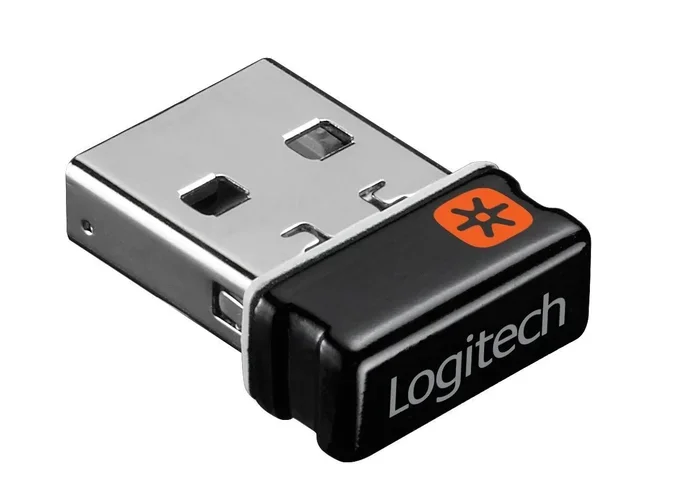
Most wireless amp setups include two parts. The first part is a transmitter that plugs into your instrument. The second part is a receiver that connects to your amplifier or PA system. The transmitter sends the audio signal through the air, and the receiver picks it up and passes it along to your sound system.
RF vs. Bluetooth Wireless Systems
Not all wireless systems are created equal. RF systems use dedicated radio frequencies to send audio. They offer the lowest latency and the most reliable connections. Bluetooth systems use a different approach and are more common in consumer devices.
For live music, RF systems are the clear winner. They operate on licensed or unlicensed frequency bands and can maintain a strong signal over long distances. Bluetooth, while convenient, can suffer from slight delays and range limitations. If you want the best wireless audio technology for stage performances, RF is the way to go.
Why Musicians Are Switching to Wireless Amps
The shift toward wireless amps is not just a trend. There are real, practical reasons why musicians are ditching cables and embracing wireless gear. Let us look at the biggest advantages.
Stage Mobility and Freedom
One of the biggest benefits of wireless amps is the freedom to move. When you are not tied to a cable, you can roam the stage, interact with the audience, and play with more energy. This is especially important for bass players and keyboardists who need space to perform.
Think about it this way. When you are running across a stage with a 20-foot cable trailing behind you, it is hard to give your best performance. Wireless systems remove that physical barrier. You can focus on your music instead of watching your step.
Reduced Setup Time and Cable Clutter
Setting up for a gig can be a hassle. You have to run cables, test connections, and troubleshoot signal problems. Wireless amps cut through all that clutter. You plug in your transmitter, pair it with the receiver, and you are ready to go.
Less cable clutter also means a safer stage. Fewer cables on the floor reduces the risk of tripping and equipment damage. This matters a lot when you are playing a long set or performing in a crowded venue.
Better Sound Quality and Consistency
Modern wireless amp systems deliver sound that is virtually identical to wired setups. The days of wireless meaning “sacrificing quality” are long gone. Today’s digital wireless systems use advanced compression and encoding to preserve every detail of your sound.
Many professional touring musicians now rely on wireless amp systems as their primary setup. Artists across genres from rock to jazz to electronic music have made the switch. The consistency and reliability of these systems make them a smart choice for serious performers.
Common Types of Wireless Amp Systems
Not all wireless amps are the same. Different musicians need different solutions depending on their instrument, playing style, and performance setting. Here are the most common types you will find on the market.
Wireless Guitar Amp Systems
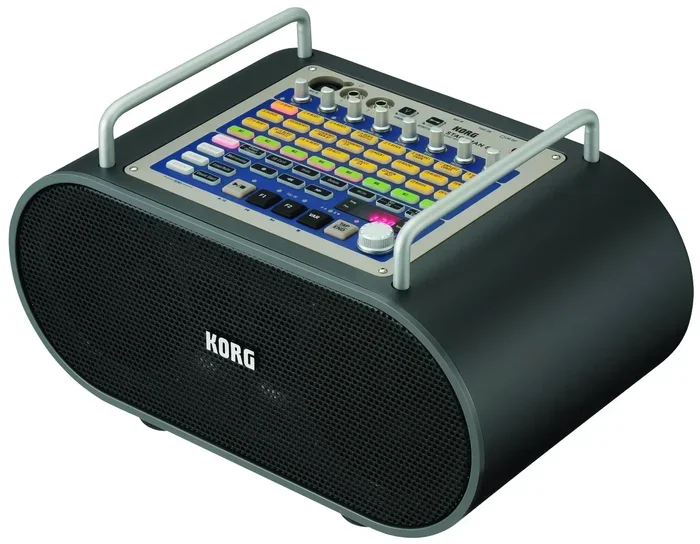
Wireless guitar amp systems are the most popular type. They consist of a small transmitter that plugs into your guitar and a receiver that connects to your amp. Some systems include built-in amplifiers, so you do not even need a separate amp on stage.
Popular options in this category include pedal-sized transmitters and rack-mounted receivers. These systems work great for both rehearsal and live shows. They are compact, easy to set up, and deliver excellent sound.
Wireless Bass Amp Systems
Bass players face unique challenges. Low-frequency signals require more bandwidth and can be harder to transmit wirelessly without quality loss. Fortunately, modern wireless bass systems handle this with ease.
Many wireless bass systems use digital processing to ensure your low-end stays punchy and clear. If you are a bassist looking to go wireless, look for systems specifically designed for bass frequencies. They will give you the best results.
Wireless Monitor and Speaker Systems
Wireless amps are not just for instruments. Musicians also use wireless systems for stage monitors and PA speakers. These setups let you place monitors anywhere on stage without running long speaker cables.
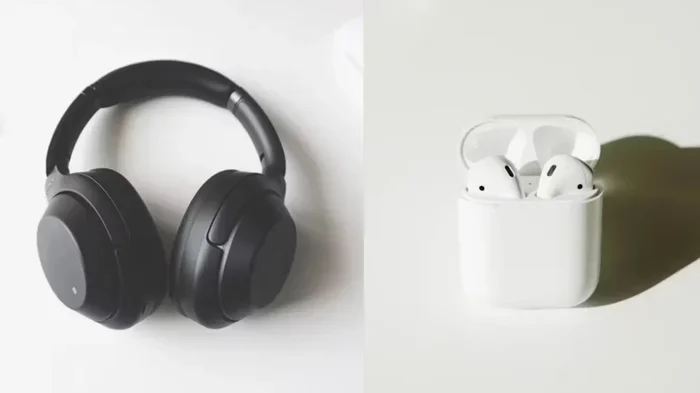
This is similar to how you might connect Bluetooth headphones to a TV for wireless audio. The concept is the same, just scaled up for live performance environments.
Pros and Cons of Wireless Amps for Live Performances
Like any gear choice, wireless amps come with trade-offs. Understanding both sides helps you make an informed decision. Here is a detailed look at what to expect.
The Pros
- Freedom of movement: You can walk, dance, and engage with your audience without cable restrictions.
- Cleaner stage setup: No tangled cables means a safer and more organized performance space.
- Quick setup and teardown: Most wireless systems pair in seconds and require minimal configuration.
- Modern sound quality: Digital wireless systems preserve your tone with minimal loss.
- Range flexibility: Quality wireless systems offer ranges of 100 feet or more.
- Reduced gear wear: Fewer cable connections mean fewer points of failure and less equipment damage.
The Cons
- Battery dependency: You need charged batteries or backup power for reliable performances.
- Potential interference: In crowded RF environments like festivals, signal interference can occur.
- Higher upfront cost: Quality wireless systems cost more than basic cables.
- Latency concerns: Budget systems may introduce slight delays that affect timing.
- Learning curve: Setting up and troubleshooting wireless systems takes some practice.
| Feature | Wired Amps | Wireless Amps |
|---|---|---|
| Mobility | Limited by cable length | Full stage freedom |
| Setup Time | Moderate | Quick and simple |
| Sound Quality | Excellent | Excellent (modern systems) |
| Latency | None | Near-zero (quality systems) |
| Cost | Lower | Higher |
| Reliability | Very high | High (with proper setup) |
| Stage Clutter | More cables | Minimal |
How to Choose the Right Wireless Amp System
Choosing the right wireless amp system depends on several factors. Not every system works for every musician. Here is what you should consider before making a purchase.
Latency Performance
Latency is the tiny delay between when you play a note and when it comes through the speaker. For most musicians, anything under 4 milliseconds is practically unnoticeable. Look for systems that advertise low-latency performance to ensure your timing stays tight.
If you are used to wired setups, you might not even notice the latency of a good wireless system. But if you are switching from a wired connection, test the system thoroughly before a live show. Bluetooth transmitters for cars give you a sense of how wireless audio transmission works in practice.
Battery Life and Power Options
Battery life is a critical factor for wireless amp systems. Most quality systems last between 6 and 12 hours on a single charge. This covers even the longest festival sets without a problem.
Some systems offer rechargeable batteries built into the transmitter. Others use standard AA or AAA batteries for easy replacement. Consider your typical gig length and choose a system that comfortably exceeds your needs.
Range and Signal Stability
Range refers to how far you can move from the receiver before the signal drops. For most stage performances, a range of 50 to 100 feet is plenty. If you are performing in a large venue or moving around a big stage, look for systems with extended range.
Signal stability depends on the frequency band and the quality of the system’s engineering. Systems that operate on dedicated frequency bands tend to be more stable than those that share frequencies with other devices. This is especially important in crowded RF environments like festivals and large venues.
Compatibility with Your Instruments
Make sure the wireless system you choose works with your specific instrument. Guitar systems are designed for high-impedance signals, while bass systems handle low-frequency signals differently. Using the wrong system can result in tone loss or signal problems.
Some universal systems work with multiple instruments. These are great if you play more than one instrument or if you share gear with bandmates. Always check compatibility before you buy.
Top Wireless Amp Systems Musicians Love
The market for wireless amp systems has grown significantly in recent years. Here are some of the most popular and well-regarded options that musicians are using right now.
- Shure GLXD16: A professional-grade system with excellent range and sound quality. Popular among touring musicians.
- Line 6 Relay G10S II: A compact and affordable option perfect for guitarists who want simplicity.
- Boss WL-20: A user-friendly system with great battery life and easy pairing.
- Sennheiser EW-D: A premium system designed for demanding live performance environments.
- Xvive U2: A budget-friendly option that delivers surprisingly good sound for the price.
Each of these systems has its strengths. The Shure and Sennheiser options are ideal for professional touring musicians who need rock-solid reliability. The Line 6 and Boss systems are excellent for gigging musicians who want quality without breaking the bank. The Xvive is a great entry point for musicians who are new to wireless technology.
Tips for Getting the Best Performance from Your Wireless Amp
Switching to a wireless amp system is straightforward, but a few tips can help you get the most out of your gear.
Always Do a Sound Check
Before every gig, spend a few minutes testing your wireless system on the actual stage. Check for interference, verify your signal strength, and listen for any dropouts. This simple habit can save you from embarrassing sound problems during a performance.
Keep Batteries Charged
Nothing kills a performance faster than a dead battery. Get into the habit of charging your transmitter and receiver after every use. Keep spare batteries on hand for emergencies, especially for longer gigs.
Position Your Receiver Wisely
Place your receiver in a clear line of sight from the transmitter if possible. Physical obstacles like monitor wedges and stage equipment can weaken your signal. Elevating the receiver can also improve performance.
Know Your System’s Range Limits
While wireless systems offer great freedom, they do have limits. Stay within the recommended range to avoid signal dropouts. If you need to move far from your amp, consider adding a receiver in a different location.
Invest in Quality
It can be tempting to go with the cheapest option, but quality matters when it comes to wireless audio. A good system will last you for years and deliver consistent performance. Think of it as an investment in your performance quality.
Expert Insights: What Professional Musicians Say
Many professional musicians have shared their experiences with wireless amp systems. The consensus is overwhelmingly positive. Most pros say they would never go back to wired setups once they made the switch.
One touring guitarist shared that wireless systems gave him a new level of confidence on stage. He said he could now move freely and connect with the audience in ways he never could before. Another bassist noted that the consistency of modern wireless systems rivals or even exceeds traditional wired connections.
The technology has reached a point where even the most critical listeners cannot tell the difference between a high-quality wireless signal and a wired one. This is a huge milestone for wireless audio technology and a big win for musicians everywhere.
It is worth noting that some venues and festivals have specific rules about wireless frequencies. Always check with the sound engineer or event organizer before using your wireless system. This ensures you avoid any conflicts with the venue’s existing equipment.
Are Wireless Amps Worth It for Your Setup?
The answer depends on your needs and performance style. If you value stage freedom, quick setup, and clean sound, wireless amps are absolutely worth considering. They have become a standard part of many professional musicians’ gear collections.
For beginners and hobbyists, wireless systems might seem like an unnecessary expense. But prices have dropped significantly in recent years. Even budget-friendly options now deliver reliable performance that rivals systems costing twice as much just a few years ago.
If you are still on the fence, try renting a wireless amp system for your next gig. The experience of playing without cables might just convince you to make the switch permanently. Many music shops and rental services offer short-term rentals, so you can test the technology risk-free.
Going wireless is not just about convenience. It is about enhancing your performance and removing obstacles between you and your music. When you are not worrying about cables, you can focus entirely on playing and connecting with your audience.
Conclusion
The answer to “do musicians use wireless amps” is a resounding yes. Wireless amps have transformed the live music experience for performers across every genre and skill level. From small coffee shop gigs to massive festival stages, wireless amp systems are now a staple of modern music performance.
The technology continues to improve every year. Latency drops, battery life increases, and sound quality keeps getting better. For musicians who want freedom, reliability, and top-notch sound, wireless amps are the clear choice. Whether you are a seasoned pro or just starting out, a wireless amp system can elevate your performances to the next level.
Embrace the wireless revolution and experience the difference it makes on stage. Your performances will never be the same.
Frequently Asked Questions
Do wireless amps have any delay compared to wired amps?
Modern wireless amp systems have extremely low latency, usually under 4 milliseconds. This is practically unnoticeable during live performances. High-quality RF systems deliver near-zero delay that matches wired setups perfectly.
Can I use a wireless amp system with any instrument?
Most wireless systems work with guitars, basses, and keyboards. Some universal systems support multiple instruments. Always check compatibility with your specific gear before purchasing to ensure the best results.
How far can I move away from my amp with a wireless system?
Most professional wireless amp systems offer a range of 50 to 100 feet. Some extended-range systems can reach even further. Staying within the recommended range ensures a stable and dropout-free signal during your performance.
Are wireless amps expensive compared to wired setups?
Wireless amp systems do cost more upfront than basic cables. However, prices have dropped significantly in recent years. Budget options are now available for under $200, while professional systems range from $500 to $2,000 or more.
What should I do if my wireless amp signal drops during a show?
Signal drops can happen due to interference or low battery. To prevent this, always charge your batteries fully before a gig and do a sound check on the actual stage. Keep spare batteries handy and position your receiver in a clear line of sight from the transmitter.
Can wireless amps work for large venue performances?
Absolutely. Many professional touring musicians use wireless amp systems in large venues and festivals. The key is choosing a high-quality system with good range and signal stability. Systems from brands like Shure and Sennheiser are designed specifically for demanding live performance environments.
=== META INFORMATION ===
SEO Title: Do Musicians Use Wireless Amps for Live Performances Today
Meta Title: Do Musicians Use Wireless Amps for Live Performances? (2024 Guide)
URL Slug: do-musicians-use-wireless-amps-for-live-performances
LSI Keywords used: wireless amps, Bluetooth amplifiers, live music performances, wireless guitar amps, portable amplifiers, stage performance equipment, wireless audio technology, Bluetooth connectivity, wireless speakers for musicians, amp wireless transmitter, battery-powered amps, cable-free performances, stage mobility, wireless monitor speakers, digital wireless systems, RF wireless amps, low-latency wireless amps, wireless amp systems, music gear technology, cordless amplifiers, wireless audio transmission, stage performance freedom, wireless signal stability, instrument wireless systems, wireless frequency bands, wireless amp cost, wireless amp setup, wireless amp compatibility, wireless amp battery life, wireless amp range