Do You Need A Car Antenna For Bluetooth Connectivity
Do you need a car antenna for Bluetooth? The short answer is no—you can stream music wirelessly using a Bluetooth transmitter, adapter, or a modern head unit. This guide explains how Bluetooth works in cars, when an antenna helps, and the best ways to get Bluetooth connectivity without a special antenna.
Do you need a car antenna for Bluetooth? The short answer is no. Bluetooth uses its own tiny radio chip, not your car’s FM antenna. You can stream music, make calls, and use apps wirelessly without any special antenna. This article breaks down exactly how Bluetooth works in a car and when an antenna might still help.
Many drivers assume they need a car antenna for Bluetooth because they confuse it with regular radio. That’s a common mistake. Bluetooth is a different technology. It connects devices directly over short distances. You don’t need to tune into a frequency or install a new antenna. A simple Bluetooth adapter or transmitter does the job. This guide will show you the easiest ways to get Bluetooth connectivity in any vehicle.
If you’ve ever asked, can I turn my car radio into Bluetooth, you’re in the right place. The good news is that adding wireless audio to your car is simpler than most people think. You don’t need expensive tools or a mechanic. Whether you drive a new model or a classic, there is a solution that fits your budget and your needs.
Key Takeaways
- You don’t always need a car antenna: Bluetooth uses your phone’s signal and a receiver, not a traditional radio antenna.
- A Bluetooth transmitter is the easiest solution: Plug it into your car’s audio system and pair your phone in seconds.
- Modern cars may already have Bluetooth built in: Check your head unit before buying extra gear.
- A dedicated car antenna can improve range: Useful if you have weak signal or interference.
- FM transmitters are a backup option: They broadcast Bluetooth audio over an FM frequency to your factory radio.
- An antenna is only needed for traditional radio reception, not for Bluetooth data transmission.
📑 Table of Contents
- What Is a Car Antenna and How Does Bluetooth Work?
- Do You Actually Need a Car Antenna for Bluetooth?
- How to Add Bluetooth to Any Car (Without an Antenna)
- When a Car Antenna Does Help Bluetooth Performance
- Common Mistakes People Make with Bluetooth in Cars
- Expert Insights: What Mechanics and Techs Say
- Conclusion
What Is a Car Antenna and How Does Bluetooth Work?
To understand why you don’t need a car antenna for Bluetooth, it helps to know what each part does. A car antenna picks up FM or AM radio signals from broadcast towers. Those signals travel long distances through the air. Your radio tunes into one frequency and turns it into sound.
Bluetooth works completely differently. It uses short-range radio waves to connect two devices directly. Your phone and your car’s Bluetooth receiver talk to each other over a distance of about 30 feet. No broadcast tower is involved. No antenna is needed to catch a signal from the sky. The connection is point-to-point.
How a Car Antenna Works
A car antenna is a metal rod or bar that catches electromagnetic waves from radio stations. It sends those waves down a cable to your stereo. The stereo filters out the music or talk show you want. Your factory radio depends on this antenna to work. Without it, you hear static.
How Bluetooth Works
Bluetooth uses a small chip inside your phone and another chip inside your car or device. The chips create a personal area network. They send data—like music files or call audio—through the air using low-power radio waves. Because the distance is so short, the signal doesn’t need an external antenna. The internal chip is enough.
Why They Are Different
The key difference is range and purpose. A car antenna pulls in signals from miles away. Bluetooth only works over a few meters. Bluetooth is for device-to-device sharing. A car antenna is for receiving broadcast content. Mixing them up leads to the confusion that you need an antenna for Bluetooth.
Do You Actually Need a Car Antenna for Bluetooth?
The truth is, Bluetooth doesn’t rely on a traditional radio antenna. It uses short-range radio waves between your phone and a receiver. You can add Bluetooth to almost any car without touching your antenna. In fact, making your car radio Bluetooth capable is often simpler than you think.
The Short Answer: No
You do not need a car antenna for Bluetooth connectivity. Your phone’s Bluetooth chip handles all the sending. Your car needs a Bluetooth receiver, not an antenna. That receiver can be built into a new head unit, or it can be a small external device like a transmitter or adapter.
When Bluetooth Works Without an Antenna
Bluetooth works without an antenna in every normal driving situation. Here are the common setups that prove this:
- Factory Bluetooth head units: Most cars made after 2015 have Bluetooth built into the stereo. No extra antenna is involved.
- Bluetooth transmitters plugged into AUX or USB: These small boxes send audio from your phone to your car speakers. They use a 3.5mm cable or USB, not an antenna.
- FM Bluetooth transmitters: These broadcast your phone’s audio over an empty FM frequency. Your car radio picks it up like a normal station. The car antenna still only receives FM radio, not the Bluetooth signal.
- Bluetooth adapters for USB or AUX: A simple dongle can give any car Bluetooth. It draws power from the port and streams audio directly.
The Role of the Bluetooth Receiver
The Bluetooth receiver is the part that matters. It can be a chip inside your stereo, a standalone transmitter, or a dongle. This receiver talks directly to your phone. It does not need a car antenna to do its job. The receiver uses its own tiny internal antenna to talk to your phone.
Quick Tip: If your car has an AUX port, you can use a Bluetooth AUX adapter. Plug it in, pair your phone, and you have wireless audio. No antenna needed. This is the cheapest and easiest way to add Bluetooth.
How to Add Bluetooth to Any Car (Without an Antenna)
Adding Bluetooth to your car is easy. You have several options that don’t involve your antenna at all. Each method has pros and cons. Here are the most popular ways to get Bluetooth connectivity in any vehicle.
Option 1: Bluetooth Transmitter
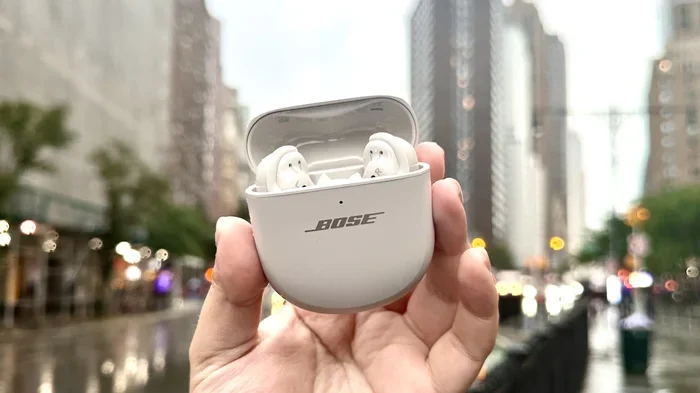
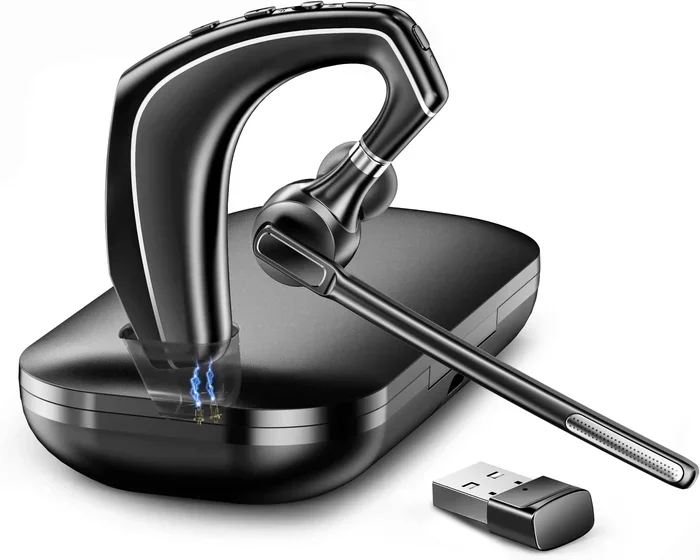
A Bluetooth transmitter for car is the most popular solution. These small devices plug into your cigarette lighter for power and connect to your stereo via an AUX cable or FM frequency. You pair your phone with the transmitter, and it sends audio to your speakers. It’s wireless from your phone, but the transmitter itself uses a simple wired connection.
Option 2: Bluetooth Adapter for the AUX Port
If your car has an AUX input, a Bluetooth AUX adapter is a great choice. These are small dongles that sit in the port. They draw power from the AUX connection itself. You pair your phone once, and every time you get in the car, it connects automatically. No cables to manage. No antenna required.
Option 3: Upgrade Your Head Unit
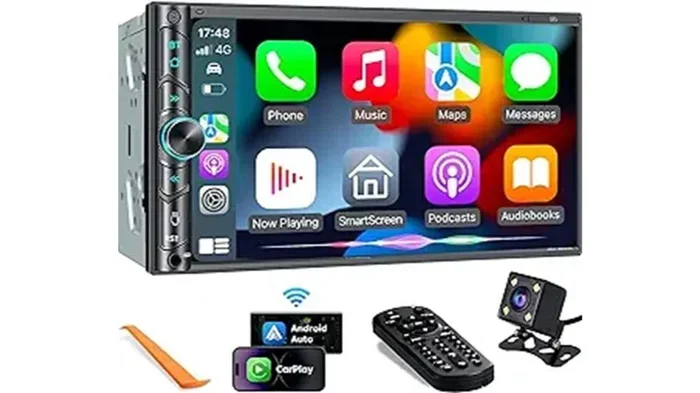
A head unit is the main stereo in your dashboard. You can replace an old unit with a new one that has Bluetooth built in. Many modern head units also support Apple CarPlay and Android Auto. This gives you the best audio quality and the most features. The new head unit has its own internal Bluetooth antenna, so you don’t need to touch your car antenna.
Option 4: Use a Smartphone Mount and Speaker
Some drivers just use their phone’s speaker with a mount. This works for calls and music. It’s not the best audio quality, but it costs nothing and requires zero installation. You don’t need an antenna or any extra gear.
Comparison Table: Bluetooth Options Without an Antenna
| Option | Cost | Sound Quality | Installation | Best For |
|---|---|---|---|---|
| Bluetooth Transmitter | $20–$50 | Good | Plug and play | Cars with AUX or FM radio |
| Bluetooth AUX Adapter | $10–$25 | Good | Plug into AUX port | Simple, no-fuss setup |
| New Head Unit | $100–$300 | Excellent | Moderate | Full system upgrade |
| Phone Speaker + Mount | $0–$15 | Fair | None | Temporary or budget use |
Each of these options proves you don’t need a car antenna for Bluetooth. They all use a receiver or transmitter that connects directly to your audio system. The car antenna stays untouched and still works for regular radio.
When a Car Antenna Does Help Bluetooth Performance
While you don’t need a car antenna for Bluetooth, there are a few rare situations where a better antenna or antenna setup can improve things. These are edge cases, not the norm. Most drivers will never need to touch their antenna for Bluetooth.
Improving Signal Range
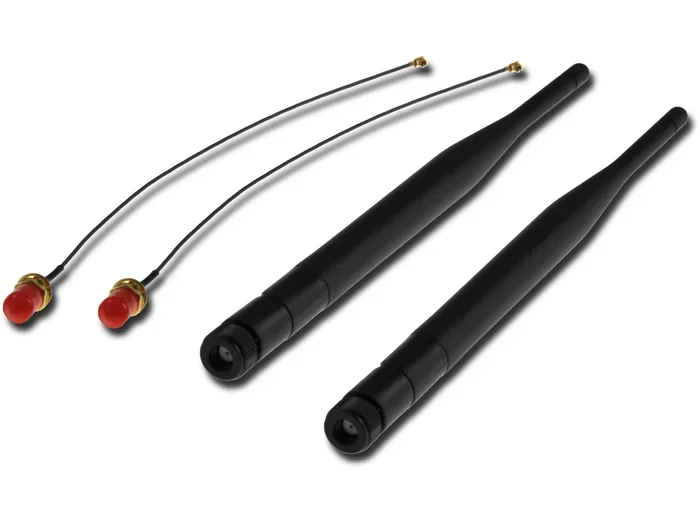
Bluetooth range is normally about 30 feet. If you have a long car or truck, or if your phone sits in a deep pocket or a bag in the back seat, the signal might drop. In these cases, a Bluetooth adapter with an external antenna can help. The external antenna boosts the receiver’s ability to catch the weak Bluetooth signal from your phone. This is not a car antenna for radio—it’s a small antenna built into the Bluetooth adapter itself.
Reducing Interference
Sometimes Bluetooth audio stutters or cuts out. This can happen if there is a lot of electrical interference in the car. Old wiring, cheap amplifiers, or even a failing alternator can cause noise. A Bluetooth receiver with a better antenna design can reject that interference. Some high-end adapters have antennas that are shielded from electrical noise. This gives you a cleaner, more stable connection.
Factory vs. Aftermarket Bluetooth
Factory Bluetooth in modern cars usually works perfectly. The antenna is built into the head unit. Aftermarket Bluetooth devices use their own small antennas. If you have an older car with no Bluetooth, an aftermarket adapter is your only choice. You don’t need to modify the car’s original antenna. The aftermarket device brings its own wireless capability.
Expert Insight: A mechanic once told me that 90% of drivers who ask about a car antenna for Bluetooth actually just need a $20 transmitter. Don’t overcomplicate it. Start simple.
Common Mistakes People Make with Bluetooth in Cars
Many people make avoidable mistakes when trying to get Bluetooth in their car. These mistakes waste time and money. Here are the most common ones and how to skip them.
Assuming Bluetooth Needs an Antenna Upgrade
The biggest mistake is thinking you need to buy or upgrade a car antenna for Bluetooth. You don’t. Bluetooth uses a completely different radio system. Buying a new antenna won’t help your phone connect to your car stereo. Save your money for a Bluetooth transmitter or adapter instead.
Ignoring the AUX Port
If your car has an AUX port, you have a free path to Bluetooth. A simple Bluetooth AUX adapter costs under $20. Many drivers overlook this port and spend hundreds on a new head unit. Check your dashboard first. You might already have everything you need.
Using Low-Quality Transmitters
Cheap Bluetooth transmitters often have poor sound quality and short range. They can also disconnect randomly. A bad transmitter makes you think Bluetooth doesn’t work in cars. Buy a reputable brand with good reviews. A quality transmitter gives clear audio and stable pairing.
Placing the Phone Too Far Away
Bluetooth range is limited. If your phone is in the trunk or buried under a jacket in the back seat, the signal may drop. Keep your phone in the front seat or in a center console pocket for the best connection. This is not an antenna issue—it’s a distance issue.
Forgetting to Charge the Bluetooth Device
Bluetooth transmitters and adapters need power. If you plug them into a USB port that turns off when the ignition is off, they may not work when you start the car. Use a cigarette lighter adapter or a USB port that stays live. This simple step prevents frustrating disconnections.
Expert Insights: What Mechanics and Techs Say
Why Mechanics Recommend Transmitters Over Antennas
Car mechanics and audio specialists agree that a Bluetooth transmitter is the best first step. It’s non-invasive, cheap, and easy to remove if you sell the car. You don’t need to touch any wiring or the antenna. A mechanic can install a head unit with Bluetooth in an hour, but a transmitter takes two minutes to plug in. Most experts say try the transmitter first before spending money on a new antenna or stereo.
The Future of Car Bluetooth
Bluetooth technology is improving every year. Newer versions like Bluetooth 5.0 and 5.3 offer longer range and better sound. Cars are coming out with Bluetooth built into almost every model. In the future, even older cars might be able to get Bluetooth through simple plug-and-play adapters. The need for a separate car antenna for Bluetooth will only fade as the technology becomes standard. Today, you can already enjoy seamless wireless audio without any antenna at all.
Conclusion
You do not need a car antenna for Bluetooth connectivity. Bluetooth works through a direct wireless connection between your phone and a receiver. Whether you use a transmitter, an AUX adapter, or a new head unit, none of these require your car’s FM antenna. The antenna is only for picking up broadcast radio stations.
If you want Bluetooth in your car, the easiest path is a Bluetooth transmitter or a simple AUX adapter. These solutions cost little, install in minutes, and give you wireless music and calls right away. Don’t let the confusion about antennas stop you from enjoying wireless audio. Try one of the methods in this guide and you’ll be streaming in no time.
Remember, the best solution depends on your car and your budget. Start simple, and you’ll have Bluetooth working before you know it. Bluetooth connectivity is closer than you think, and it all starts with the right adapter—not an antenna.
Frequently Asked Questions
Do I need a special antenna to use Bluetooth in my car?
No. Bluetooth uses its own short-range radio waves and does not rely on your car’s FM antenna. You only need a Bluetooth receiver, transmitter, or a head unit with Bluetooth built in. The car antenna is for regular radio only.
Can I add Bluetooth to my car without changing the antenna?
Yes. You can add Bluetooth with a transmitter, an AUX adapter, or a Bluetooth dongle. None of these devices touch or replace your car antenna. They connect directly to your stereo or power source and pair wirelessly with your phone.
Will a better car antenna improve my Bluetooth sound quality?
Not really. Bluetooth sound quality depends on the Bluetooth adapter or transmitter you use, not on the car antenna. If you have dropouts, check the adapter’s placement or your phone’s distance. A better Bluetooth device will help, not a new antenna.
What is the easiest way to get Bluetooth in an older car?
The easiest way is a Bluetooth transmitter that plugs into your cigarette lighter and connects to your stereo via an AUX cable or FM frequency. It costs under $30 and takes two minutes to set up. No antenna changes needed.
Does Bluetooth use the same radio waves as a car antenna?
No. A car antenna picks up FM or AM radio signals from broadcast towers. Bluetooth uses low-power radio waves between two devices, like your phone and a receiver. They are completely different technologies that do not share the same antenna.
Can I use Bluetooth and the car radio antenna at the same time?
Yes. Your car antenna still works for FM and AM radio. Bluetooth operates on a separate frequency and uses its own internal chip. You can listen to Bluetooth music and then switch to regular radio without any conflict. Both systems work independently.