Does Amazon Have Their Own Internet Connection Today
Does Amazon Have Their Own Internet connection? The short answer is no — not yet for consumers. Amazon does not currently offer a traditional home internet service like Comcast or AT&T. However, Amazon is building satellite internet through Project Kuiper, runs the massive AWS cloud network, and supports wireless connectivity through devices like Echo and Ring. Here is everything you need to know about Amazon’s internet ambitions and what they mean for you.
Have you ever wondered if Does Amazon Have Their Own Internet? It is a fair question. Amazon sells everything from books to smart speakers. They deliver packages to your door. They even run one of the biggest cloud computing platforms on the planet. So it makes sense to ask — does Amazon offer internet service too?
The answer is more complicated than a simple yes or no. Amazon does not currently provide a traditional home internet plan the way companies like Xfinity or Verizon do. But they are working on big internet projects behind the scenes. And they already power much of the internet you use every day through their cloud services. Let us break it all down.
Whether you are curious about satellite internet, smart home connectivity, or just want to know if Amazon will become your next internet provider, this guide covers it all. We will look at what Amazon offers now, what they are building for the future, and how it all connects to your home network.
Key Takeaways
- Amazon does not currently sell a consumer home internet plan like a traditional ISP, but that could change soon.
- Project Kuiper is Amazon’s satellite internet project designed to deliver broadband to rural and underserved areas worldwide.
- Amazon Sidewalk is a low-power wireless network that extends connectivity for smart home devices using a small portion of your bandwidth.
- AWS (Amazon Web Services) powers a huge portion of the internet behind the scenes, even though it is not a consumer internet provider.
- Amazon sells internet-enabled devices like Echo, Fire TV, and Kindle that rely on existing internet connections.
- If you want standalone internet without a landline provider, you can explore options like buying your own modem or portable WiFi devices to create your own connection.
📑 Table of Contents
- So, Does Amazon Have Their Own Internet Connection Today?
- What Is Project Kuiper? Amazon’s Satellite Internet Plan
- Amazon and the Internet of Things (IoT)
- How Amazon’s Internet Plans Compare to Traditional ISPs
- Will Amazon Become a Major Internet Provider?
- What You Can Do Right Now
- Common Mistakes People Make About Amazon and Internet
- Expert Insights: What Industry Analysts Are Saying
- Final Thoughts
So, Does Amazon Have Their Own Internet Connection Today?
Right now, Amazon does not sell a consumer internet service plan. You cannot sign up for Amazon Internet the way you sign up for AT&T Fiber or Spectrum. There is no Amazon modem, no Amazon router, and no Amazon monthly bill for home broadband — at least not yet.
But that does not mean Amazon is not involved in internet connectivity. They are deeply embedded in how the internet works. They just do it mostly behind the scenes. Here is what Amazon actually offers when it comes to internet-related services.
Amazon Sidewalk: A Low-Power Wireless Network
One of Amazon’s closest moves toward owning internet infrastructure is Amazon Sidewalk. Sidewalk is a low-bandwidth wireless network that uses a small portion of your home WiFi to help connect nearby smart devices. It is designed to help devices like Ring cameras and Echo speakers stay connected even when they are far from your router.
Sidewalk works using a protocol called LoRa (Long Range). This allows signals to travel much farther than regular WiFi. Think of it as a neighborhood mesh network. If your neighbor has an Amazon device, your Sidewalk signal can reach their device and vice versa.
However, Sidewalk is not a replacement for broadband internet. It does not give you high-speed internet access. It is meant for small data tasks like finding a lost Tile tracker or keeping a smart pet door connected. If you are looking for a way to get internet without a traditional landline provider, you might want to check out options for having a home phone without a landline as a related alternative.
Amazon Echo and Smart Devices
Amazon sells millions of smart devices every year. The Echo speaker, Ring doorbell, Fire TV stick, and Kindle e-reader all need internet to work. But here is the key point — Amazon does not provide that internet. You need an existing broadband connection for these devices to function.
Amazon does make it easy to connect these devices to your network. The setup process is simple and user-friendly. But the internet itself comes from your ISP (Internet Service Provider). Amazon just builds the hardware that uses it.
AWS: Amazon’s Hidden Internet Powerhouse
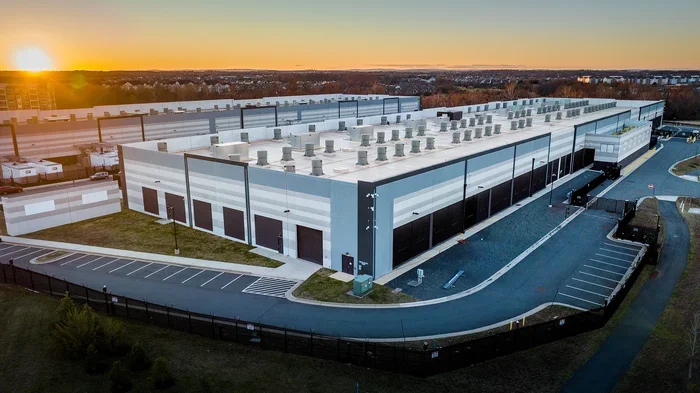
Amazon Web Services (AWS) is the biggest money-maker for Amazon. While it is not a consumer internet service, AWS runs a massive portion of the internet. Websites, apps, streaming services, and even government agencies rely on AWS servers to stay online.
When you stream a movie, shop online, or use a mobile app, there is a good chance AWS is involved somewhere in the background. AWS data centers are spread across the globe. They handle enormous amounts of data traffic every single second.
So while Amazon does not sell internet to your home, they absolutely own and operate some of the most critical internet infrastructure in the world. AWS is the reason many companies can offer internet-based services at scale.
What Is Project Kuiper? Amazon’s Satellite Internet Plan
Project Kuiper is Amazon’s biggest bet on becoming an internet provider. It is a satellite internet constellation project. The goal is to launch thousands of satellites into low Earth orbit (LEO) to deliver broadband internet to customers around the world.
This is similar to what SpaceX is doing with Starlink. Both companies want to beam high-speed internet from space to homes, businesses, and even remote rural areas. Project Kuiper was announced in 2019, and Amazon has already invested billions of dollars into it.
How Project Kuiper Works
Project Kuiper plans to deploy over 3,000 satellites. These satellites will orbit the Earth at a relatively low altitude. This helps reduce latency, which is the delay you feel when data travels from your device to a server and back.
Customers would receive a satellite dish or antenna for their home. This dish connects to the satellites overhead and beams internet down to your location. No phone line, no cable wire, no fiber needed. Just clear sky and a receiver unit.
The project is still in development. Amazon has not launched consumer service yet. They are currently testing prototypes and building ground infrastructure. But the timeline suggests that consumer availability could start within the next few years.
Why Amazon Wants Satellite Internet
There are several reasons Amazon is investing heavily in satellite internet:
- More customers online means more Amazon shoppers. Rural areas with poor internet often have lower e-commerce adoption. Project Kuiper could bring millions of new customers to Amazon.
- AWS needs more edge computing locations. Satellite internet creates new data pathways that can feed into AWS infrastructure.
- Competition with Starlink. SpaceX already has a head start with Starlink. Amazon wants a piece of the growing satellite internet market.
- Smart device ecosystem expansion. More connected homes mean more Amazon Echo, Ring, and Fire TV devices in use.
If you are exploring alternatives to traditional internet providers, you may also want to look into buying your own portable WiFi as a flexible option while satellite services like Project Kuiper are still rolling out.
Amazon and the Internet of Things (IoT)
Amazon is a major player in the Internet of Things (IoT) space. IoT refers to the network of physical devices that connect to the internet and share data. Smart thermostats, security cameras, voice assistants, and even smart refrigerators are all part of IoT.
Amazon’s Sidewalk network is specifically designed to support IoT devices. It provides a low-power, long-range connection that keeps smart devices online without draining batteries or using much data. This is a smart move because it builds Amazon deeper into the connected home ecosystem.
But IoT connectivity is not the same as internet service. Your IoT devices still need a broadband connection to access the wider internet. Sidewalk just helps them stay connected to each other and to your local network.
How Amazon’s Internet Plans Compare to Traditional ISPs
To understand where Amazon stands, it helps to compare them to traditional internet service providers. Here is a quick comparison table that breaks down the key differences.
| Feature | Traditional ISP (Comcast, AT&T, etc.) | Amazon (Current) | Amazon (Future — Project Kuiper) |
|---|---|---|---|
| Consumer Home Internet | Yes | No | Planned |
| Satellite Internet | No | No | Yes (in development) |
| Cloud Infrastructure | Limited | Yes (AWS) | Yes (AWS) |
| Smart Home Devices | No | Yes (Echo, Ring, etc.) | Yes (Echo, Ring, etc.) |
| Low-Power Mesh Network | No | Yes (Sidewalk) | Yes (Sidewalk) |
| Monthly Internet Bill | Yes | No | Expected |
| Available to Consumers | Yes | No | Not yet |
As you can see, Amazon is not a traditional ISP today. But they are building the infrastructure to become one. The gap between Amazon and traditional providers is narrowing as Project Kuiper moves closer to launch.
What This Means for Your WiFi Setup
If you are currently using a standard router from your ISP, you might be wondering how Amazon fits into your setup. The truth is, Amazon devices work with almost any home network. Whether you have fiber, cable, or satellite internet, your Echo and Ring devices will connect without issues.
Some users choose to upgrade their home setup by purchasing their own modem and having internet independently. This gives you more control over your network and can save money in the long run. Amazon Echo and Ring devices work great with these setups too.
For those who want better coverage throughout their home, a mesh WiFi system is a great option. These systems use multiple nodes to spread WiFi evenly across your house. Amazon’s Echo devices can even double as smart home hubs within a mesh network, helping you manage connected devices more easily.
Will Amazon Become a Major Internet Provider?
The short answer is probably yes, eventually. Amazon has the money, the technology, and the ambition to enter the consumer internet market. Project Kuiper alone represents a multi-billion dollar investment. And Amazon has a track record of entering new markets and dominating them quickly.
However, there are challenges. Satellite internet is expensive to build and maintain. Launching thousands of satellites requires approval from regulatory bodies like the FCC. Weather conditions can affect satellite signals. And competing against established providers like Starlink will not be easy.
That said, Amazon has advantages that others do not. They already have a massive customer base. Millions of people shop on Amazon, use Alexa, and own Amazon devices every day. If Amazon offers internet service, they could bundle it with Prime membership and other services. That kind of integration would be very hard for competitors to match.
Timeline for Amazon Consumer Internet
Here is a realistic look at when Amazon might offer consumer internet service:
- 2024–2025: Continued testing and satellite launches for Project Kuiper. Early partnerships with ISPs and enterprises.
- 2025–2026: Limited consumer beta in select regions. Likely targeting rural and underserved areas first.
- 2026–2028: Broader rollout if testing goes well. Possible bundling with Amazon Prime and AWS services.
- 2028+: Full-scale consumer internet service available in most regions, pending regulatory approvals and infrastructure completion.
Keep in mind that these timelines are estimates. Delays are common with satellite projects. But the direction is clear — Amazon wants to be an internet provider.
What You Can Do Right Now
While Amazon is not ready to be your ISP yet, there are things you can do today to stay connected and prepare for the future.
1. Optimize Your Current Internet Setup
Make sure your modem and router are up to date. Older equipment can slow down your connection. If your ISP-provided router is outdated, consider upgrading to a better mesh system. This will improve your WiFi coverage and speed throughout your home.
2. Use Amazon Devices to Their Full Potential
Even without Amazon internet, you can get a lot of value from Amazon devices. Set up an Echo speaker as a smart home hub. Use Ring cameras for security. Stream content on Fire TV. These devices work best with a stable broadband connection.
3. Keep an Eye on Project Kuiper Updates
Follow Amazon’s announcements about Project Kuiper. When consumer service becomes available, you want to be among the first to know. Sign up for updates on Amazon’s official website to stay informed.
4. Consider Portable Options in the Meantime
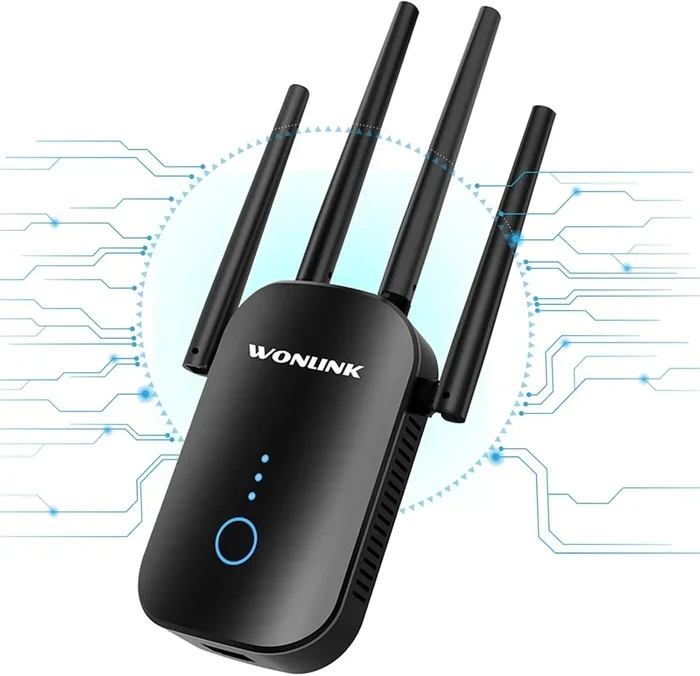
If you need internet on the go or in a location without traditional service, portable WiFi hotspots can be a great temporary solution. These devices use cellular networks to provide WiFi access wherever you are. They are especially useful for travel, remote work, or emergency backup connectivity.
Common Mistakes People Make About Amazon and Internet
There are a few misconceptions that keep floating around about Amazon and internet service. Let us clear some of them up.
- Mistake 1: Thinking Amazon Sidewalk is internet service. Sidewalk is a side network for smart devices. It does not replace your broadband connection.
- Mistake 2: Believing AWS is consumer internet. AWS is a cloud computing platform for businesses. You cannot buy AWS internet for your home.
- Mistake 3: Assuming Amazon already offers satellite internet to consumers. Project Kuiper is still in development. No one can sign up for it yet.
- Mistake 4: Confusing Amazon devices with internet providers. Buying an Echo or Fire TV does not give you internet. You still need an ISP.
Expert Insights: What Industry Analysts Are Saying
Industry analysts generally agree that Amazon has the potential to become a major internet provider. The company’s resources, customer base, and technological capabilities make it a strong contender in the satellite internet space.
However, most analysts also point out that the timeline for consumer availability remains uncertain. Regulatory hurdles, technical challenges, and competition from Starlink could slow Amazon’s progress. Still, the investment is too large to ignore, and most expect Amazon to eventually offer some form of consumer internet service.
Some experts also suggest that Amazon might take a partnership approach rather than going it alone. By partnering with existing ISPs or telecom companies, Amazon could offer internet service without building out all the infrastructure themselves. This would speed up the rollout and reduce costs.
One thing is certain — Amazon is not just a retailer anymore. They are a technology company with deep roots in internet infrastructure. Whether through AWS, Sidewalk, or Project Kuiper, Amazon is shaping the future of connectivity in meaningful ways.
Final Thoughts
Does Amazon Have Their Own Internet connection? Not for consumers yet. But the pieces are falling into place. Amazon Sidewalk gives them a low-power wireless network. AWS gives them massive cloud infrastructure. And Project Kuiper could give them a satellite internet service that competes directly with Starlink.
The internet landscape is changing fast. Companies that once focused on one thing are now expanding into connectivity. Amazon is no exception. They started as an online bookstore and now they are building satellites. That is quite a journey.
If you are waiting for Amazon to offer home internet, keep an eye on Project Kuiper updates. The service could be available sooner than you think. In the meantime, make sure your current setup is optimized for the best performance. And remember, Amazon devices work with any broadband connection, so you are already part of the Amazon ecosystem whether you realize it or not.
The future of internet connectivity is exciting. And Amazon is clearly determined to be a major player in that future. Whether they succeed in becoming a household internet provider remains to be seen. But one thing is for sure — Amazon is not just selling products anymore. They are building the internet of tomorrow.
Frequently Asked Questions
Can I get internet service directly from Amazon today?
No, Amazon does not currently offer a consumer home internet service. You still need a traditional ISP like Comcast, AT&T, or Verizon for broadband at home. Amazon focuses on devices, cloud services, and smart home tech instead.
What is Amazon Sidewalk and is it internet?
Amazon Sidewalk is a low-power wireless network that extends connectivity for smart home devices. It is not a replacement for broadband internet. Sidewalk helps devices like Ring cameras and Echo speakers stay connected over longer distances using a small slice of your WiFi bandwidth.
When will Project Kuiper launch for consumers?
Project Kuiper is still in development. Amazon has not announced a specific launch date for consumer service. Early testing and limited beta programs may start in the next couple of years, with broader availability expected sometime between 2026 and 2028.
How is Amazon’s internet different from Starlink?
Amazon’s satellite internet project, Project Kuiper, is similar to Starlink in concept. Both use low Earth orbit satellites to deliver broadband. However, Starlink is already available to consumers while Project Kuiper is still being built and tested.
Do I need an Amazon device to use Amazon Sidewalk?
Not necessarily. Sidewalk works with certain Amazon devices like Echo and Ring products. However, the network itself is open to third-party partners as well. You do not need to own an Amazon device to benefit from Sidewalk coverage in your area.
Can I use Amazon Echo without a traditional internet provider?
Yes and no. An Echo device can work with a mobile hotspot or portable WiFi connection. But for full functionality with all features, a stable broadband connection is recommended. Without any internet, Echo devices will have very limited capabilities.
=== CONCLUSION ===
Does Amazon Have Their Own Internet connection for consumers? Not right now, but they are getting closer every day. Amazon Sidewalk, AWS, and Project Kuiper all show that Amazon is serious about internet connectivity. While you cannot buy Amazon internet for your home today, the future looks promising.
In the meantime, you can make the most of your current setup by using Amazon devices with any broadband provider. Keep your network optimized, stay informed about Project Kuiper updates, and explore portable options if you need connectivity on the go. Amazon’s journey into internet service is just getting started, and it will be exciting to see where they go next.