Does Sony Vaio Still Exist and What You Need to Know
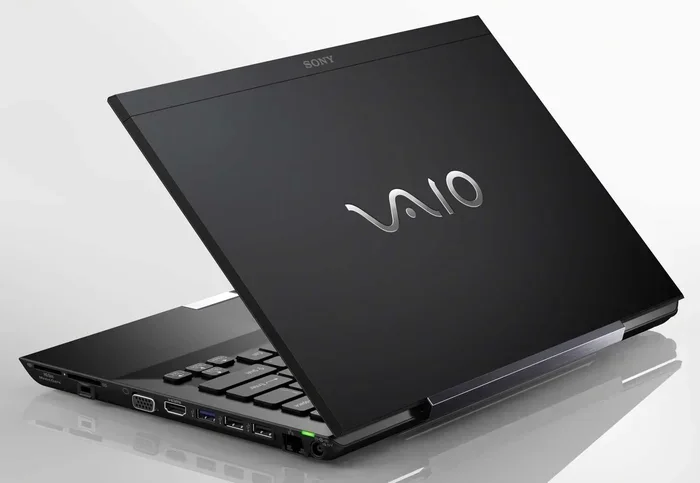
So, does Sony Vaio still exist? The short answer is yes — but not in the way most people remember. Sony sold the VAIO brand in 2014, and today VAIO operates as an independent company. The laptops are still being made, but they are smaller, pricier, and very different from the classic Sony VAIO machines fans grew up with.
This is a comprehensive guide about Does Sony Vaio Still Exist.
Key Takeaways
- Sony VAIO was spun off in 2014: Sony sold the VAIO brand and it now operates as a separate company called VAIO Corporation.
- VAIO laptops are still in production: The brand still makes laptops, but they are niche, premium devices aimed at a smaller market.
- You can still buy VAIO laptops: They are available online and in select markets, but they come with a higher price tag.
- VAIO has a loyal fanbase: Many people still love the VAIO brand for its build quality, design, and keyboard experience.
- The brand has shifted focus: VAIO now targets the premium and business market rather than the mass consumer market it once dominated.
- Sony no longer makes VAIO laptops: If you see a “Sony VAIO,” it is a legacy product from before 2014.
- VAIO has expanded into new products: The brand now offers smartphones and accessories in addition to laptops.
[FEATURED_IMAGE_PLACEHOLDER]
Does Sony Vaio Still Exist? The Full Story
If you grew up in the 2000s, you probably remember the Sony VAIO laptop. Those sleek machines with the distinctive orange and silver logos were everywhere. They sat on desks in dorm rooms, boardrooms, and coffee shops. For many people, a VAIO was their first laptop. So when the brand started to fade from store shelves, a lot of folks asked the same question: does Sony Vaio still exist?
The answer is more complicated than a simple yes or no. Sony Vaio technically still exists, but its story has taken a wild turn over the past decade. The brand left Sony, became its own company, and has been trying to find its place in a very different tech landscape. Let us walk through the full history and what the VAIO brand looks like today.
Understanding the rise and evolution of the VAIO brand helps explain why it feels like a ghost of its former self. The VAIO name originally stood for Video Audio Integrated Operation. That gave you a sense of what Sony envisioned — a machine that blended video and audio into one sleek package. For years, that vision made VAIO laptops some of the most desirable computers on the market.
Today, the brand still carries a sense of prestige. But the market has changed dramatically. Apple dominates the premium laptop space. Windows laptops from Dell, HP, and Lenovo flood every price point. And Chromebooks have carved out a huge niche in education and budget computing. So where does VAIO fit in now? Let us dig deeper.
The Early Days of Sony Vaio
VAIO launched in 1996 as a line of desktop computers. Sony wanted to break into the PC market with something that felt different. The early VAIO machines were colorful, design-forward, and packed with features that competitors did not offer. They came with built-in speakers, TV tuners, and innovative form factors that turned heads.
By the early 2000s, VAIO had become a household name. The VAIO laptop became a status symbol. People chose VAIO over other brands because of its premium build quality and attention to design. The machines were thin, lightweight, and packed with high-resolution screens — all things that mattered a lot in an era when most laptops were bulky and heavy.
Sony invested heavily in the VAIO line. They released everything from ultraportables to gaming machines. The VAIO FE series, the VAIO TX series, and the VAIO Z series all earned loyal followings. Each new model pushed the boundaries of what a laptop could be.
But the good times did not last forever. The PC market started to shrink. Consumers began demanding lower prices, and Sony’s premium positioning made it hard to compete on volume. The company also faced growing competition from Apple, which was making huge strides with the MacBook line.
Why Sony Sold the Vaio Brand
By 2014, Sony was losing money on the VAIO division. The global PC market was in steep decline, and Sony could not turn things around. After much speculation, the company made a landmark decision. Sony would sell the VAIO brand and spin it off as an independent company.
The sale was finalized in February 2014. A group of investors, led by Japanese tech company Japan Industrial Partners, purchased VAIO from Sony. The new company was called VAIO Corporation, and it took over the brand, the designs, and the customer relationships.
This was a huge moment for the brand. For the first time, VAIO was no longer part of Sony. It had to figure out how to survive on its own in an increasingly crowded and competitive laptop market. The transition was not easy, and it raised a lot of questions among loyal VAIO fans.
What Happened to Sony Vaio After the Sale?
After the split, Sony kept making its own laptops under different lines. The Sony Walkman brand continued, and Sony focused on its core electronics business. But the VAIO name belonged to the new VAIO Corporation going forward.
For a few years after the sale, things were uncertain. VAIO Corporation had to rebuild its supply chain, its marketing, and its customer base. The company released a handful of new laptops, but they did not generate the same buzz as the old Sony VAIO machines. The brand was fighting for relevance in a world that had moved on.
Some fans felt betrayed. They had grown up with Sony VAIO laptops and did not know what to make of the new standalone company. Others remained hopeful. They believed the VAIO brand still had something special to offer.
What VAIO Laptops Look Like Today
So, does Sony Vaio still exist in any meaningful way? Yes — but the modern VAIO laptops are very different from what came before. VAIO Corporation still designs and sells laptops, but they operate on a much smaller scale than the old Sony VAIO division ever did.
Today’s VAIO laptops are positioned as premium, niche devices. They are not trying to compete with budget laptops or mass-market machines. Instead, they target users who value design, build quality, and attention to detail. The price points reflect this positioning.
VAIO currently offers a few laptop lines. The VAIO SX14 and VAIO SX16 are their flagship ultrabooks. These machines feature stunning displays, aluminum construction, and powerful internals. They are designed for professionals who want a laptop that looks and feels exceptional.
The VAIO Z series also continues, though in a more limited form than the original. The Z is a premium convertible that blends performance with portability. It is aimed at creative professionals and business users who need a machine that can do it all.
VAIO’s Design Philosophy
One thing that has not changed is VAIO’s commitment to design. The modern VAIO laptops still look and feel premium. The keyboards are excellent, the trackpads are smooth, and the builds are solid. If you loved the feel of an old Sony VAIO, you will likely appreciate the craftsmanship of a current VAIO machine.
VAIO also pays close attention to the details. The laptops come in elegant color options. The hinges are smooth. The screens have thin bezels. These might seem like small things, but they add up to a laptop that feels special every time you open it.
The VAIO keyboard is one of the brand’s strongest selling points. It is responsive, comfortable, and well-spaced. For anyone who spends a lot of time typing, this is a big deal. Many reviewers have praised the typing experience on VAIO machines.
Can You Still Buy Sony Vaio Laptops?
If you are hoping to buy a brand-new Sony VAIO laptop, you are out of luck. Sony stopped producing VAIO laptops after the 2014 sale. However, you can still find used Sony VAIO laptops on secondary markets. These older machines can still work well, but they will not receive updates or support from Sony.
For those who want a new VAIO laptop, you will need to look at what VAIO Corporation currently offers. Their laptops are available through their official website and select retailers. Prices range from around $1,000 to over $2,000, depending on the model and configuration.
The availability of VAIO laptops is limited compared to mainstream brands. You will not find them on every store shelf. Most purchases happen online, which can be a barrier for some buyers. But for those who seek them out, VAIO laptops offer a unique alternative to the mainstream options.
If you are curious about what the market looks like for premium laptops, you might also want to check how other brands handle their product ecosystems. For example, does LG use Microsoft for their operating systems and software integration, which is an interesting comparison to how VAIO approaches its Windows-based laptops.
VAIO’s Operating System and Software
VAIO laptops run Windows, just like most other PC manufacturers. They do not have their own operating system. The machines typically come with Windows 11 pre-installed, and VAIO adds its own software suite for things like system management and audio enhancement.
The software experience on VAIO laptops is clean and streamlined. There is minimal bloatware, which is a refreshing change from many Windows laptops that come loaded with unnecessary programs. VAIO keeps things simple and focused.
Some users wonder whether VAIO laptops work well with other devices and ecosystems. If you are in the Apple world, you might ask whether VAIO plays nicely with iPhones and other Apple products. Similarly, if you are curious about how tech brands handle cross-device features, you might wonder does Bluetooth work on Apple Watch without iPhone, which touches on the broader topic of device compatibility.
The VAIO Brand in the Global Market
VAIO Corporation operates primarily in the Japanese market, but the brand has expanded to other regions over the years. The company has a strong presence in Asia, and it has been making efforts to grow in North America and Europe as well.
The VAIO brand value is still significant in Japan. Many Japanese consumers associate VAIO with quality and reliability. The brand has a loyal following that has stuck with it through the years, even after the split from Sony.
Internationally, VAIO faces tough competition. Brands like Dell, HP, Lenovo, and Apple dominate the laptop market. VAIO has to work hard to stand out. Its strategy is to focus on quality over quantity, targeting a small but dedicated customer base.
The company has also diversified beyond laptops. VAIO has released smartphones in the past, though the smartphone business has been challenging. The brand continues to explore new product categories and expand its offerings.
VAIO’s Customer Base and Community
VAIO has cultivated a passionate community of users and fans. These are people who appreciate the brand’s commitment to design and quality. They are willing to pay a premium for a laptop that feels different from the mass-market options.
The VAIO community is active online. Fans share their experiences, recommend models, and discuss new releases. This grassroots support has helped keep the brand alive even during its most challenging periods.
Customer reviews of VAIO laptops are generally positive. Users praise the build quality, display, and keyboard. Some common complaints include limited availability, higher prices, and occasional software issues. Overall, though, VAIO owners tend to be satisfied with their purchases.
If you are curious about how other tech brands maintain their ecosystems, you might also explore whether Google owns Coral, which is another interesting case of a tech brand navigating its identity and market position.
Is a VAIO Laptop Worth Buying in 2024?
This is the question on many people’s minds. If you are considering a VAIO laptop, you want to know if it is worth the money. The answer depends on what you are looking for.
If you value design, build quality, and a premium user experience, a VAIO laptop could be a great choice. The machines are beautifully crafted and offer a level of refinement that is hard to find at their price point. The keyboards are excellent, and the displays are vibrant and sharp.
However, if you need the latest and most powerful hardware, you might find VAIO’s offerings lacking. The company does not compete with gaming laptops or high-performance workstations. Its focus is on ultrabooks and premium devices for everyday use.
Value is always a consideration. VAIO laptops are more expensive than many competing models from mainstream brands. You are paying for the design, the build quality, and the brand cachet. Whether that is worth it is a personal decision.
If you are shopping for a new laptop, it is always smart to compare options. Look at what other brands offer at similar price points. Consider factors like performance, display quality, battery life, and warranty. And remember that the best laptop is the one that meets your specific needs.
For those interested in how tech companies manage their product lines and brand strategies, you might also find it interesting to learn about does Homewerks have an app, which explores how brands build digital ecosystems around their products.
Common Mistakes People Make About VAIO
There are several misconceptions about the VAIO brand that can lead to confusion. Let us clear up some of the most common ones.
Mistake 1: Thinking Sony still makes VAIO laptops. Sony sold the VAIO brand in 2014. Any new VAIO laptop you buy today is made by VAIO Corporation, not Sony.
Mistake 2: Assuming VAIO laptops are budget-friendly. VAIO machines are premium devices with premium price tags. They are not designed for budget-conscious buyers.
Mistake 3: Expecting the same product lineup as the Sony era. The modern VAIO lineup is much smaller and more focused than the old Sony VAIO range. There are fewer models and less variety.
Mistake 4: Overlooking the used market. If you want a classic Sony VAIO laptop, the used market is your best bet. Many older models still work well for basic tasks.
Mistake 5: Ignoring the software experience. VAIO’s software suite is an important part of the package. It is worth exploring what comes pre-installed and what you might need to add.
Quick Tips for VAIO Buyers
Thinking about buying a VAIO laptop? Here are some quick tips to help you make the best decision.
- Check the warranty: Make sure the laptop comes with a solid warranty that covers repairs and replacements.
- Compare configurations: VAIO offers different specs at different price points. Choose the one that fits your needs and budget.
- Read reviews: Look for detailed reviews from trusted sources before making a purchase.
- Consider the used market: If you want a classic Sony VAIO, the used market can be a goldmine.
- Visit the official VAIO website: This is the best place to see the full lineup and current models.
- Think about your use case: Are you a student, a professional, or a creative? Choose a model that fits your workflow.
The Future of VAIO
What does the future hold for the VAIO brand? It is hard to say for sure, but there are reasons to be cautiously optimistic. The company has survived the tough transition from Sony, and it continues to release new products.
VAIO Corporation is exploring new markets and product categories. The brand is looking beyond laptops and into areas like smartphones and accessories. This diversification could help the company grow and reach new customers.
The premium laptop market is still strong. As long as there are consumers who value design and quality over raw specs, there is a place for VAIO. The brand’s commitment to craftsmanship sets it apart from competitors.
Of course, the tech landscape is always changing. VAIO will need to adapt and innovate to stay relevant. The company’s ability to do so will determine whether it thrives or fades into obscurity.
For now, the VAIO brand lives on. It is smaller and more focused than it once was, but it still represents something meaningful: a commitment to quality and design in a world of mass production. And that is something worth appreciating.
When exploring how different tech brands maintain their identity, you might also want to look into does Apple have a password manager, which highlights how even the biggest tech companies continuously evolve their product offerings to stay relevant.
Final Thoughts
So, does Sony Vaio still exist? The answer is yes, but with important caveats. The VAIO brand survived the split from Sony and continues to produce laptops today. However, the modern VAIO is a very different entity from the Sony VAIO of the past.
If you are a fan of the brand, you will be happy to know that VAIO is still alive and well. The laptops are still beautifully designed and well-built. They just occupy a smaller, more niche space in the market than they once did.
Whether you are looking to buy a new VAIO laptop, hunting for a classic Sony VAIO on the used market, or simply curious about the brand’s history, there is a lot to appreciate here. The VAIO story is a reminder that brands can evolve, adapt, and find new life even after major changes.
The next time someone asks you does Sony Vaio still exist, you will have a clear and complete answer. The brand is still here, and it is still making laptops that are worth knowing about.
Frequently Asked Questions
Is Sony Vaio still a Sony product?
No, Sony sold the VAIO brand in 2014. Today, VAIO laptops are made by VAIO Corporation, an independent company. Sony no longer has any involvement with the VAIO brand or its products.
Can I still buy a new VAIO laptop?
Yes, you can buy new VAIO laptops directly from the VAIO Corporation website or select retailers. The current lineup includes premium ultrabooks like the VAIO SX14 and VAIO SX16, as well as the VAIO Z series convertible.
Are old Sony VAIO laptops still usable?
Many older Sony VAIO laptops can still function for basic tasks like web browsing, document editing, and media playback. However, they may not receive software updates or security patches, so they are best used for light tasks only.
Why did Sony sell the VAIO brand?
Sony sold the VAIO brand because the PC division was consistently losing money. The global PC market was shrinking, and Sony could not make the VAIO business profitable. The sale allowed Sony to focus on its core electronics business while giving VAIO a chance to operate independently.
Are VAIO laptops worth the high price?
This depends on what you value. VAIO laptops offer excellent build quality, design, and keyboard experience. If these factors matter to you, the price may be justified. However, if you prioritize raw performance or budget-friendly options, other brands may be a better fit.
What countries can you buy VAIO laptops in?
VAIO laptops are primarily available in Japan, but they can be purchased internationally through the official VAIO website and select online retailers. Availability may be limited in some regions, and shipping costs should be factored into the purchase decision.
=== CONCLUSION ===
The story of does Sony Vaio still exist is one of resilience and reinvention. The VAIO brand has survived a major corporate split, a declining PC market, and intense competition. Today, it stands as a smaller but still meaningful player in the premium laptop space.
Whether you are a longtime VAIO fan or a curious newcomer, there has never been a better time to explore what the brand has to offer. The modern VAIO laptops are well-crafted, thoughtfully designed, and worth considering if you value quality over quantity.
The VAIO brand may not dominate the market the way it once did, but it has carved out a loyal following and a respected place in the tech world. And that is something worth celebrating.