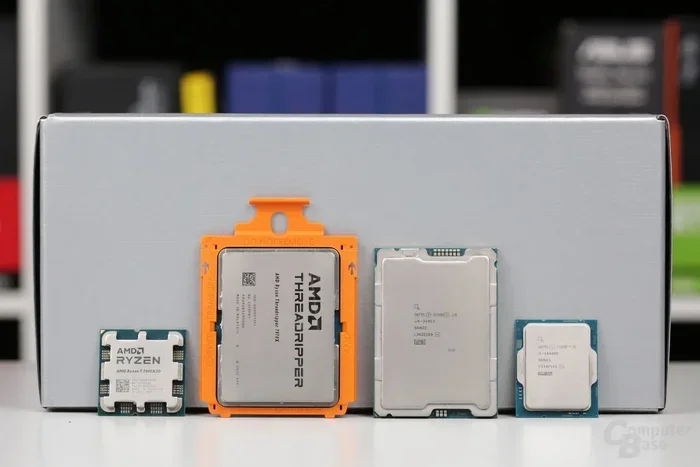
Difference Between An Intel Core i7 and AMD Vision Chips
Difference Between An Intel Core I7 Amd Vision is an essential topic that provides valuable insights.
Key Takeaways
- Understanding Difference Between An Intel Core I7 Amd Vision: Provides essential knowledge
📑 Table of Contents
What Is an Intel Core i7 Processor?
The Intel Core i7 is a high-performance line of processors made by Intel. These chips have been around for many generations and are built for demanding tasks. Whether you are editing video, playing games, or running heavy software, the Intel Core i7 is designed to handle it.
Intel Core i7 processors usually have more cache memory and higher clock speeds than lower-tier chips like the i3 or i5. They also support hyper-threading, which lets each core handle two tasks at once. This makes them excellent for multi-threaded workloads and heavy productivity tasks.
Key Features of Intel Core i7
- High clock speeds ranging from 3.0 GHz to over 5.0 GHz on newer models
- Hyper-threading support for better multi-tasking
- Large cache memory for faster data access
- Integrated graphics on some models
- Overclocking support on select K-series chips
Who Should Buy an Intel Core i7?
Intel Core i7 chips are great for people who need serious processing power. Video editors, 3D modelers, and serious gamers will get a lot of value from these processors. They are also a solid choice for anyone who runs multiple heavy applications at the same time.
What Is an AMD Vision Chip?
AMD Vision is a brand that AMD uses for its accelerated processing units, or APUs. These chips combine the CPU and GPU on a single piece of silicon. This means you get both the processing power and graphics power in one package. AMD Vision chips are often found in laptops and budget desktops.
The AMD Vision line is not meant to compete head-to-head with high-end Intel chips. Instead, it targets users who want decent performance without spending a lot of money. These chips are perfect for everyday computing, light gaming, and office work.
Key Features of AMD Vision Chips
- Integrated Radeon graphics built right into the chip
- Energy-efficient design that uses less power
- Affordable pricing compared to high-end Intel chips
- Solid multi-core performance for the price
- Good for casual gaming and media consumption
Who Should Buy an AMD Vision Chip?
AMD Vision chips are ideal for budget-conscious buyers. Students, casual users, and anyone who builds a basic home PC will find these chips very appealing. They also work well in laptops where battery life and thermals matter more than raw power.
Intel Core i7 vs AMD Vision: Head-to-Head Comparison
Let us put these two side by side. This table breaks down the most important factors you need to consider.
| Feature | Intel Core i7 | AMD Vision |
|---|---|---|
| Target Audience | Power users, gamers, creators | Budget users, casual gamers |
| Clock Speed | 3.0 GHz to 5.5+ GHz | 2.0 GHz to 3.5 GHz |
| Cores / Threads | 6 to 16 cores | 2 to 4 cores |
| Integrated Graphics | Basic on most models | Radeon graphics (stronger) |
| Power Consumption | 65W to 125W | 15W to 65W |
| Price Range | $$$ to $$$$ | $ to $$ |
| Overclocking | Supported on K-series | Limited or none |
| Best For | Heavy workloads, gaming | Everyday tasks, budget builds |
As you can see from the Intel Core i7 vs AMD Vision comparison, these chips serve very different purposes. The Intel Core i7 is a powerhouse, while AMD Vision is a practical and affordable choice. Your decision should depend on what you plan to do with your computer.
Performance and Speed Comparison
When it comes to raw performance, the Intel Core i7 leaves AMD Vision chips behind in most benchmarks. The Intel Core i7 chips have higher single-core speeds, which matters a lot for gaming and many popular applications. Most games and everyday apps still rely heavily on single-core performance.
AMD Vision chips are no slouches in multi-core tasks, though. They can handle basic multitasking with ease. But if you are running heavy software like Adobe Premiere Pro or Blender, the Intel Core i7 will deliver much faster results.
Benchmark Numbers at a Glance
Here are some general benchmark trends based on recent testing:
- Intel Core i7 scores around 18,000 to 22,000 in multi-core Geekbench tests
- AMD Vision chips score around 3,000 to 6,000 in the same tests
- Gaming frame rates are significantly higher with Intel Core i7 setups
- Video rendering times are much faster on Intel Core i7 processors
These numbers show why the Intel Core i7 is the preferred choice for performance-focused users. The AMD Vision chip is still a capable processor, but it is not in the same league when it comes to speed.
Quick Tip: How to Read Benchmark Scores
Do not get too hung up on benchmark numbers alone. Your real-world experience depends on your specific use case. A chip that scores lower in benchmarks might feel faster for your daily tasks if it has better software optimization.
Power Consumption and Heat
One area where AMD Vision chips shine is power efficiency. These chips are designed to use very little electricity. That makes them perfect for laptops and small form factor PCs where heat and battery life are critical.
Intel Core i7 processors, especially the high-performance models, can draw a lot of power. They generate more heat and need better cooling solutions. A good CPU cooler and proper case airflow are almost always necessary when using an Intel Core i7 chip.
Thermal Design Comparison
- Intel Core i7 thermal design power (TDP) ranges from 65W to 125W
- AMD Vision chips typically have a TDP of 15W to 65W
- Higher TDP means more heat and more noise from fans
- Lower TDP means cooler operation and better battery life
If you are building a quiet office PC or a portable laptop, the AMD Vision chip has a clear advantage. If you want maximum performance and do not mind a bit of extra heat, the Intel Core i7 is the way to go.
Expert Insight: The Efficiency vs. Performance Trade-Off
According to CPU analysts, the trade-off between Intel Core i7 and AMD Vision chips comes down to a simple equation. You either choose raw performance or you choose efficiency. Very few chips in this price range can do both well. Think about what matters most to you before making a decision.
Common Mistakes When Choosing Between These Chips
Many buyers make the same mistakes when comparing the Intel Core i7 and AMD Vision chips. Here are a few to avoid.
Mistake 1: Choosing Based on Brand Alone
Some people pick Intel Core i7 simply because the brand is more famous. That does not always make sense. AMD Vision chips might be the better choice if you are on a tight budget or need a low-power chip for a laptop.
Mistake 2: Ignoring Integrated Graphics
Do not overlook the graphics capabilities of AMD Vision chips. The integrated Radeon graphics on AMD Vision chips are surprisingly capable for casual gaming and video playback. Intel Core i7 chips, by contrast, have much weaker integrated graphics on most models.
Mistake 3: Not Checking Socket Compatibility
Before you buy any processor, make sure your motherboard supports it. Intel Core i7 chips use specific sockets like LGA 1200 or LGA 1700. AMD Vision chips use different socket types. Always double-check compatibility before purchasing.
Mistake 4: Overlooking Future Upgrade Paths
Think about whether you might upgrade your CPU in the future. Intel Core i7 platforms tend to have longer upgrade paths within the same socket family. AMD Vision chips are usually soldered onto laptop motherboards, so they are not upgradeable at all.
Which Chip Should You Choose?
The right choice depends entirely on your needs and budget. Let us break it down into three common scenarios.
Best for Gaming
If gaming is your top priority, go with the Intel Core i7. The higher clock speeds and stronger single-core performance give you a clear edge in most games. Pair it with a dedicated graphics card for the best experience.
Best for Productivity and Content Creation
Video editors, graphic designers, and 3D artists should also lean toward the Intel Core i7. The extra cores and higher speeds make a real difference when rendering and exporting large files. The time savings are well worth the extra cost.
Best for Budget and Everyday Use
If you are browsing the web, watching videos, and doing office work, the AMD Vision chip is a smart pick. It will handle these tasks smoothly while keeping your power bill low and your system quiet.
Quick Tips for Making Your Final Decision
- Write down what tasks you do most often on your computer
- Set a budget for your entire build, not just the processor
- Check if your motherboard is compatible with your chosen chip
- Read reviews from trusted tech sites for real-world performance data
- Consider whether you need a desktop or a laptop processor
Key Takeaways
- Intel Core i7 is a high-performance processor: It delivers top-tier speed and multi-tasking ability for demanding users.
- AMD Vision is a budget-friendly APU: It combines CPU and GPU on one chip for affordable, efficient computing.
- Intel Core i7 wins in raw benchmarks: Higher clock speeds and more cores make it faster for heavy workloads.
- AMD Vision wins in power efficiency: Lower TDP means less heat, quieter operation, and better battery life.
- Integrated graphics are stronger on AMD Vision: Radeon graphics handle casual gaming better than Intel’s built-in solutions.
- Price is a major differentiator: Intel Core i7 costs significantly more than AMD Vision chips.
- Your use case decides the winner: Choose Intel Core i7 for performance, and AMD Vision for value and efficiency.
Conclusion
The difference between an Intel Core i7 and AMD Vision chips comes down to who you are and what you need. The Intel Core i7 is a premium processor built for power users, gamers, and content creators who demand the best performance. It is fast, capable, and built to handle the most demanding tasks with ease.
AMD Vision chips, on the other hand, are practical and affordable. They are designed for everyday users who want a reliable computer without spending a fortune. The integrated graphics and low power consumption make them a great fit for budget builds and portable laptops.
Neither chip is objectively better than the other. They simply serve different markets and different needs. Now that you have read through this guide, you should feel confident making the right choice. Take a look at your budget, think about your daily tasks, and pick the chip that makes the most sense for you. Your next computer build will thank you for it.
Frequently Asked Questions
Is Intel Core i7 better than AMD Vision for gaming?
Yes, the Intel Core i7 is significantly better for gaming. It has higher clock speeds and stronger single-core performance, which most games rely on heavily. Pair an Intel Core i7 with a dedicated graphics card for the best gaming experience possible.
Can AMD Vision chips handle video editing?
AMD Vision chips can handle basic video editing, but they are not ideal for heavy workloads. If you edit short clips or do simple projects, they will work fine. For professional-level video editing, an Intel Core i7 or a dedicated workstation chip is a much better choice.
Are AMD Vision chips good for laptops?
Absolutely. AMD Vision chips are designed with energy efficiency in mind. They use less power, generate less heat, and help extend battery life. This makes them a popular choice for budget-friendly and ultraportable laptops.
How much more does an Intel Core i7 cost than an AMD Vision chip?
Intel Core i7 processors typically cost two to four times more than AMD Vision chips. Prices vary depending on the specific model and generation. Always compare prices from multiple retailers to find the best deal.
Can I upgrade from AMD Vision to Intel Core i7?
It depends on your motherboard and socket type. AMD Vision chips are often soldered onto laptop boards, so they cannot be upgraded. In desktop builds, you may be able to switch if your motherboard supports the Intel Core i7 socket. Always check compatibility first.
Which chip has better integrated graphics?
AMD Vision chips have better integrated graphics thanks to their Radeon technology. Intel Core i7 chips rely on basic integrated graphics that are suitable for display output but not for serious gaming. If you do not have a dedicated graphics card, AMD Vision gives you a noticeable advantage.
=== CONCLUSION ===
The difference between an Intel Core i7 and AMD Vision chips is clear once you understand what each processor offers. Intel Core i7 chips bring high-end performance and speed for demanding users. AMD Vision chips deliver solid value and efficiency for everyday tasks. Consider your budget, your use case, and your future needs. With the right information, you can make a confident choice that will serve you well for years to come.