How Do Helmet Speakers Work And Why You Will Love Them
Helmet speakers use Bluetooth and vibration technology to deliver clear audio right inside your helmet. They work wirelessly with your phone, GPS, or music player, giving you hands-free entertainment and communication on the go. Whether you ride motorcycles, bikes, or snowmobiles, helmet speakers keep you connected without blocking your hearing.
This is a comprehensive guide about How Do Helmet Speakers Work.
Key Takeaways
- Wireless Connectivity: Helmet speakers use Bluetooth to pair with your phone, GPS, and music devices seamlessly.
- Open-Ear Design: Most helmet speakers sit near your ears without blocking them, keeping you aware of your surroundings.
- Easy Installation: You can install most helmet speakers in minutes without special tools or expertise.
- Hands-Free Safety: Helmet speakers let you take calls and listen to navigation while keeping your hands on the handlebars.
- Weather Resistance: Many models are waterproof and built to handle rain, snow, and dust on the road.
- Long Battery Life: Modern helmet speakers offer 10 to 20 hours of playtime on a single charge.
- Better Than Earbuds: Helmet speakers are safer and more comfortable than traditional earbuds for riding.
[FEATURED_IMAGE_PLACEHOLDER]
How Do Helmet Speakers Work And Why You Will Love Them
Helmet speakers have changed the way riders experience their journeys. Whether you cruise on a motorcycle, pedal a bike, or hit the ski slopes, these tiny devices pack a punch. They send clear sound directly into your helmet without blocking your ears. This means you get music, calls, and GPS directions while staying fully aware of what’s around you.
Helmet speakers work through a mix of Bluetooth technology, small drivers, and smart design. They connect wirelessly to your phone or device and play audio through thin speakers placed inside the helmet lining. The sound reaches your ears through vibration and air conduction, giving you a personal audio experience without the hassle of wires or earbuds.
In this guide, we’ll break down exactly how helmet speakers work, what makes them different from regular earbuds, and why they are worth every penny. We’ll cover the tech, the benefits, and tips for choosing the right pair. By the end, you’ll know everything you need to make a smart choice.
The Technology Behind Helmet Speakers
Understanding how helmet speakers work starts with the tech inside them. These devices use several key components to deliver sound while riding. Let’s break it down piece by piece.
Bluetooth Connectivity
At the heart of most helmet speakers is Bluetooth technology. This wireless protocol lets your speaker connect to your phone, GPS, or music player without any cables. When you pair your device, the audio signal travels through the air as a radio wave. The speaker receives this signal and turns it into sound.
Modern helmet speakers use Bluetooth 5.0 or newer. This means a stronger connection, longer range, and less audio lag. You can move around freely without losing your music. The range typically extends up to 30 feet, which is more than enough for most riding situations.
One great thing about Bluetooth is that it uses very little power. This helps your helmet speakers last longer on a single charge. You can ride for hours without worrying about your audio cutting out.
Small Drivers and Speakers
Helmet speakers use tiny drivers, also called transducers. These are the parts that actually create sound. They work by moving a thin membrane back and forth very fast. This movement pushes air molecules, which creates the sound waves you hear.
Most helmet speakers use drivers between 20mm and 40mm in size. Despite their small size, they can produce surprisingly loud and clear audio. The speakers are often placed near the temples or along the helmet padding. This positioning helps direct sound straight into your ears.
Some higher-end models use neodymium magnets in their drivers. These magnets are super strong for their size, which means better sound quality from a smaller speaker. This is the same tech used in high-end headphones and professional audio gear.
Bone Conduction vs. Air Conduction
Not all helmet speakers work the same way. There are two main types of audio delivery: bone conduction and air conduction.
Air conduction is what most people think of when they hear “speaker.” The speaker pushes sound through the air and into your ear canal. Helmet speakers with air conduction sit near your ears and pump sound through the helmet padding. This is the most common type and offers the best sound quality for music.
Bone conduction works differently. It sends vibrations through your cheekbones directly to your inner ear. This bypasses your eardrum entirely. Bone conduction helmet speakers are great for safety because they leave your ears completely open. You can hear traffic, wind, and other riders while still enjoying your audio.
Both methods have their strengths. Air conduction gives richer sound, while bone conduction offers better awareness of your environment. Your choice depends on what matters most to you.
Why Helmet Speakers Are Better Than Earbuds for Riding
You might wonder why you need helmet speakers when earbuds work fine. There are some big reasons why riders prefer helmet speakers over traditional earbuds.
Safety First
Earbuds block your ear canals, which means you can’t hear traffic, horns, or other warnings. This is dangerous when you’re riding. Helmet speakers keep your ears open so you can stay aware of your surroundings at all times. You get your music without sacrificing your safety.
This is especially important for motorcycle riders and cyclists. You need to hear cars, pedestrians, and other riders. Helmet speakers let you enjoy your playlist while staying fully alert.
Comfort During Long Rides
Earbuds can hurt after a while, especially if you’re wearing a helmet. The pressure inside your ear canal builds up, causing discomfort. Helmet speakers sit outside your ears and against the helmet padding. This spreads the pressure and feels much more comfortable over long distances.
Many riders say they forget they have helmet speakers after the first few miles. That’s how comfortable and lightweight most models are. You get hours of audio without any ear fatigue.
Weather Resistance
Riding means dealing with wind, rain, and dust. Earbuds can fall out or get damaged in these conditions. Helmet speakers are built into the helmet or mounted securely inside. They stay put no matter what the weather throws at you.
Most quality helmet speakers are rated IPX4 or higher for water resistance. This means they can handle sweat, rain, and splashes without any problems. You don’t have to worry about your audio cutting out because of a little moisture.
No Wires to Deal With
Wires from earbuds can get tangled in your helmet, jacket zippers, and gear. They’re annoying and can be a safety hazard. Helmet speakers are completely wireless. You just pair them once and enjoy untethered audio every time you ride.
Some models even let you connect two helmets together. This means you and your riding buddy can share the same audio source. It’s a great feature for touring couples or group rides.
How to Choose the Right Helmet Speakers
Not all helmet speakers are created equal. There are several factors to consider before you buy. Here’s what to look for to make sure you get the best pair for your needs.
Sound Quality
Sound quality matters a lot when choosing helmet speakers. You want clear highs, solid mids, and decent bass. Look for speakers with a wide frequency response range, ideally covering 20Hz to 20kHz. This range covers most music genres and delivers a rich listening experience.
Pay attention to wattage too. Most helmet speakers range from 3W to 10W per speaker. Higher wattage means louder volume, but it also uses more battery. For most riders, 5W to 8W per speaker hits the sweet spot between volume and efficiency.
One thing to keep in mind is that helmet speakers won’t sound exactly like studio headphones. The helmet padding and wind noise can affect the audio. But modern models do a great job of delivering clear, enjoyable sound even in noisy environments.
Battery Life
Battery life is crucial for long rides. Most helmet speakers offer between 10 and 20 hours of playtime on a full charge. Some premium models go even higher. Look for a speaker that matches your typical ride length.
Charging time matters too. Most helmet speakers fully charge in 2 to 3 hours using a USB cable. This means you can top up overnight and never worry about running out of power during your morning ride.
Installation and Compatibility
Helmet speakers come in different designs for different helmet types. Some slip inside the helmet lining, while others mount on the outside. Make sure the speakers you choose fit your helmet style.
Full-face helmets, open-face helmets, and half helmets all have different internal spaces. Measure your helmet’s interior before buying. Most brands list compatible helmet types on their product pages. You also want to make sure the speakers don’t interfere with your helmet’s safety certifications.
Water and Dust Resistance
Riding exposes your gear to all kinds of elements. Look for helmet speakers with an IP rating. IPX4 means they can handle splashes from any direction. IPX5 means they can handle water jets. IPX7 means they can even survive brief submersion.
For riders in wet climates or those who ride in the rain, aim for at least IPX5. This gives you peace of mind that your speakers will keep working no matter the weather.
Connectivity Range
Bluetooth range tells you how far you can move from your connected device. Most helmet speakers offer a range of 30 to 50 feet. This is plenty for riding. But if you use GPS mounted on your handlebars, make sure the range covers the distance between your phone and your helmet.
Some speakers also support multipoint pairing. This means you can connect to two devices at once. You could pair with your phone for calls and your GPS for directions simultaneously. It’s a small feature that makes a big difference.
Installing Helmet Speakers Made Easy
Installing helmet speakers is simpler than most people think. You don’t need special tools or technical skills. Here’s a general overview of the process.
First, choose your speaker placement. Most riders place the speakers near the temple area inside the helmet. This position delivers the best sound and feels the most comfortable. Make sure the speakers don’t press against any pressure points.
Next, run the wires if your model has them. Many modern helmet speakers are completely wireless, which makes this step easy. If your model has a wire, tuck it along the helmet padding and secure it with the included clips or adhesive strips.
Then, pair your device. Turn on the speakers, put them in pairing mode, and connect from your phone’s Bluetooth settings. Once paired, they’ll auto-connect every time you turn them on. This is a great feature because you don’t have to repeat the setup every ride.
Finally, test the sound. Put on your helmet, play some music, and check the volume and clarity. Adjust the speaker position if needed. A small shift can make a big difference in sound quality.
Some riders ask whether they can plug a microphone directly into speakers for intercom use. The answer depends on your specific setup. Many helmet speaker kits come with built-in microphones and intercom functionality. This lets you talk to your riding buddy without taking off your helmet.
If you’re already using other audio gear, you might wonder if your existing equipment works with helmet speakers. For example, if you have a microphone that plugs directly into speakers, check if your helmet speaker system supports line-in connections. Many models do, which gives you flexibility with your audio setup.
Common Mistakes to Avoid
Even though helmet speakers are easy to use, some common mistakes can hurt your experience. Here’s what to watch out for.
- Skipping the pairing process: Always fully pair your devices before your first ride. Testing the connection at home saves you frustration on the road.
- Placing speakers too tight: Speakers that press too hard against your head cause discomfort over time. Leave a small gap for airflow and comfort.
- Ignoring battery maintenance: Don’t let the battery drain completely before recharging. Lithium batteries last longer when you keep them between 20% and 80% charged.
- Riding at maximum volume: High volume can be dangerous because it blocks out important sounds. Keep the volume at a level where you can still hear traffic.
- Forgetting about weatherproofing: Even if your speakers are water-resistant, avoid soaking them. Water damage isn’t always covered by warranty.
Expert Tips for Getting the Most Out of Your Helmet Speakers
Once you have your helmet speakers set up, a few pro tips can take your experience to the next level.
First, clean your speakers regularly. Dust and sweat can build up on the speaker mesh and reduce sound quality. Use a soft, dry cloth to wipe them down after each ride. This small habit keeps your audio crisp for years.
Second, update the firmware if your speakers support it. Some Bluetooth helmet speakers receive updates that improve connectivity and fix bugs. Check the manufacturer’s app or website periodically.
Third, consider your helmet’s ventilation. Helmets with good airflow tend to keep speakers drier and cooler. This extends their lifespan and maintains sound quality. If you ride in hot climates, look for helmets with multiple vents.
Fourth, if you want to use your helmet speakers for calls, make sure your phone is within Bluetooth range. If you need to step away from your bike, keep your phone in a secure pocket close to your body. The signal strength between your phone and helmet speakers affects call quality.
Some riders also ask whether they can use their helmet speakers with other audio devices. For instance, if you’re wondering about Bluetooth compatibility with different devices, the good news is that Bluetooth is a universal standard. You can pair helmet speakers with phones, tablets, laptops, and even smartwatches. If you’re curious about how Bluetooth works across different devices, this is similar to how Bluetooth connects devices like the Apple Watch independently of other gear.
Also, if you already own Bluetooth speakers like a pair of older Bose speakers that you’ve converted to Bluetooth, you’ll find that helmet speakers use the same core Bluetooth technology. The difference is just the form factor and placement designed for inside a helmet.
The Bottom Line
Helmet speakers are a fantastic addition to any rider’s gear. They combine convenience, safety, and entertainment in one compact package. The technology behind them is straightforward but effective. Bluetooth connects your devices wirelessly, small drivers produce clear sound, and the open-ear design keeps you safe.
Whether you’re a casual rider or a weekend warrior, helmet speakers enhance every ride. You get to enjoy your favorite music, take hands-free calls, and follow GPS directions without ever removing your helmet or sacrificing awareness of your surroundings.
The market has never been richer with options. From budget-friendly models under $50 to premium setups with intercom features, there’s a pair of helmet speakers for every rider and every budget. Take your time, compare features, and choose the ones that fit your riding style best.
Once you try helmet speakers, you’ll wonder how you ever rode without them. They’re that good. So gear up, pair up, and hit the road with your favorite tunes playing through your helmet. Your rides will never be the same.
Frequently Asked Questions
How long do helmet speakers typically last?
Most quality helmet speakers last between 3 and 5 years with regular use. Battery cells may degrade after 500 to 1000 charge cycles, but the speakers themselves can keep working much longer. Taking care of them by keeping them clean and dry helps extend their lifespan significantly.
Can helmet speakers work with any helmet?
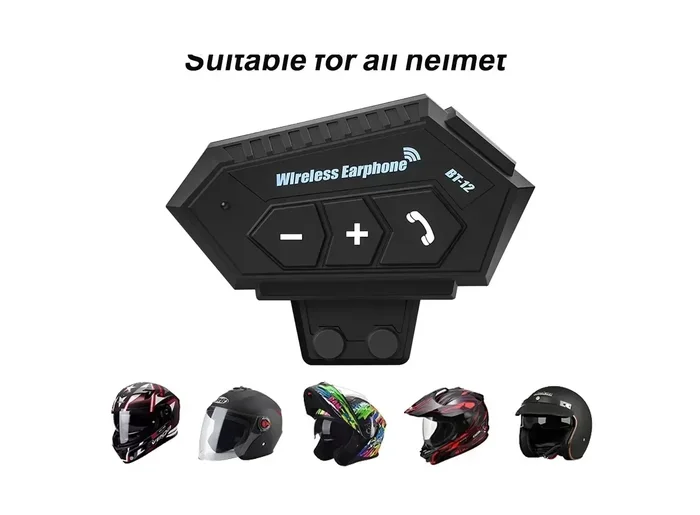
Most helmet speakers fit inside full-face, open-face, and modular helmets. Half helmets have less interior space, so you’ll need to check dimensions before buying. Some models come with adjustable mounting brackets that fit a wider range of helmet styles.
Are helmet speakers legal to use while riding?
Laws vary by location. In many places, helmet speakers are legal because they don’t block both ears. However, some states and countries restrict any audio device that covers both ears. Always check your local traffic laws before riding with speakers. When in doubt, keep the volume low enough to hear traffic.
Do helmet speakers drain my phone battery?
Helmet speakers use Bluetooth, which draws a small amount of power from your phone. On average, streaming music through a Bluetooth connection uses about 5% to 10% more battery than using speakers directly. The impact is minimal for most modern phones, but you can reduce it by keeping your volume moderate.
Can I use helmet speakers for phone calls?
Yes, most helmet speakers have built-in microphones that support phone calls. They use Bluetooth to connect to your phone, so you can answer calls hands-free. The microphone quality is usually good enough for clear conversations, even at moderate wind speeds.
What’s the difference between helmet speakers and motorcycle intercoms?
Helmet speakers play audio from your phone or music player. Motorcycle intercoms let you talk to other riders through radio or Bluetooth. Some premium helmet speakers include intercom features, combining both functions in one device. If you mainly want music and calls, standard helmet speakers are all you need.