Are Bluetooth Door Locks Secure Everything You Need to Know
Bluetooth door locks offer convenient keyless entry, but many homeowners wonder about their security. These smart locks use wireless technology to connect with your phone or remote, making home access easier than ever. However, like any connected device, they come with potential risks that every user should understand. This guide covers everything from encryption and pairing security to common vulnerabilities and expert tips to keep your home safe.
Key Takeaways
- Bluetooth door locks use encryption protocols that make them reasonably secure for everyday home use.
- Potential vulnerabilities exist, including Bluetooth sniffing, unauthorized pairing, and firmware exploits.
- Modern locks with AES-256 encryption offer significantly better protection than older models.
- Regular firmware updates and strong passwords are essential for maintaining lock security.
- Bluetooth door locks work best as part of a layered security approach that includes cameras and alarms.
- Physical key backups remain important in case of power failure or technology malfunction.
- Choosing a reputable brand with a strong security track record reduces risk significantly.
📑 Table of Contents
- Are Bluetooth Door Locks Secure? A Complete Guide
- How Bluetooth Door Locks Work
- Are Bluetooth Door Locks Secure? Understanding the Risks
- Bluetooth Security Features That Protect Your Door
- Common Mistakes That Compromise Bluetooth Lock Security
- How to Choose a Secure Bluetooth Door Lock
- Bluetooth Door Locks vs Traditional Locks
- Expert Tips to Maximize Bluetooth Lock Security
- The Future of Bluetooth Door Lock Security
- Final Thoughts
Are Bluetooth Door Locks Secure? A Complete Guide
Bluetooth door locks have changed the way we think about home security. Instead of fumbling with keys, you simply tap your phone or use a code to get inside. But convenience often comes with questions. Are these smart locks truly safe? Can someone hack them from across the street? These are fair concerns, and this guide has the answers you need.
The truth is that Bluetooth door locks are generally secure for most homes. They use encryption and authentication methods that keep unauthorized users out. But no system is completely foolproof. Understanding how they work, what risks exist, and how to minimize them is the best way to protect your home. Let us walk through everything you need to know.
Technology plays a growing role in all areas of security, from healthcare devices to home access systems. In fact, computers and connected devices have revolutionized fields like medicine, and similar principles apply to smart home locks. The same wireless protocols and encryption standards that protect patient data also help secure your front door. This connection between everyday tech and security is what makes understanding Bluetooth locks so important.
How Bluetooth Door Locks Work
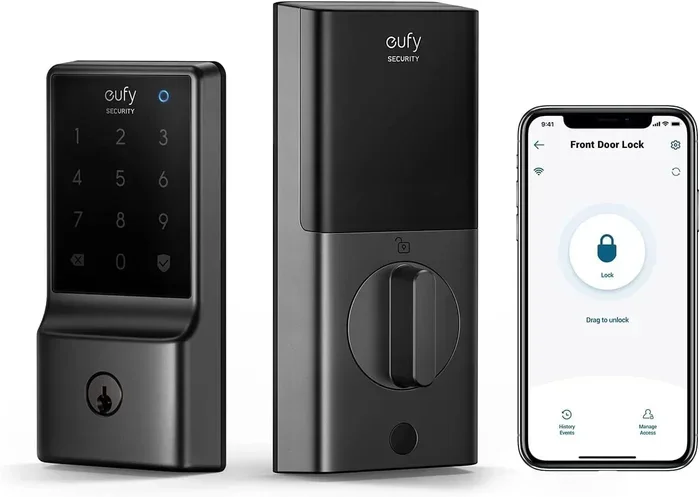
Before we dive into security, it helps to understand the basics. Bluetooth door locks use short-range wireless signals to communicate between your phone (or key fob) and the lock itself. Think of it like a private conversation between two devices that only they can understand.
Here is how the process typically works:
- Pairing: You connect your phone to the lock using a secure setup process. This creates a trusted relationship between the two devices.
- Authentication: When you approach your door, the lock verifies your identity. It checks that your phone is the one it was paired with.
- Unlocking: Once authenticated, the lock sends a signal to disengage the deadbolt. This all happens in seconds.
- Monitoring: Most smart locks log every access event. You can see who entered and when through an app on your phone.
The range of Bluetooth is usually about 30 feet. This short distance is actually a security advantage. Someone would need to be very close to your door to attempt a hack. That said, the signal can sometimes extend further with special equipment, which brings us to the next section.
Bluetooth Versions and Security
Not all Bluetooth is the same. Newer versions offer better security features. Bluetooth 5.0 and later versions include improved encryption and longer range. If you are shopping for a lock, look for ones that support the latest Bluetooth standard. Older versions may have known weaknesses that manufacturers have already patched in newer models.
Are Bluetooth Door Locks Secure? Understanding the Risks
Let us get to the big question. Are Bluetooth door locks secure enough for your home? The answer depends on several factors, including the lock model, your setup, and how you use it.
Every wireless technology has some level of risk. Bluetooth is no exception. However, reputable manufacturers invest heavily in security features to address these concerns. Here are the main risks to be aware of:
Bluetooth Sniffing
Bluetooth sniffing is when someone intercepts the wireless signal between your phone and the lock. This is like someone eavesdropping on a private conversation. In theory, a skilled hacker could capture the data packets and try to decode them. However, modern locks use strong encryption that makes this extremely difficult.
The risk of Bluetooth sniffing is low for average users. It typically requires specialized equipment and close physical proximity. Still, it is worth knowing about so you can take precautions.
Unauthorized Pairing
Some older Bluetooth locks had vulnerabilities that allowed unauthorized devices to pair with the lock. This means a stranger could potentially unlock your door without your knowledge. Most modern locks have fixed this issue through improved pairing protocols and authentication checks.
Firmware Exploits
Like any smart device, Bluetooth locks run on software called firmware. If a manufacturer discovers a weakness, they release a firmware update to fix it. The problem arises when users do not install these updates. Outdated firmware can leave your lock exposed to known exploits.
Relay Attacks
A relay attack is one of the more advanced threats. In this scenario, a hacker uses two devices to extend the Bluetooth signal from your phone to the lock. They do not need to be near your door. One device stays close to your phone, and another is placed near the lock. The signal jumps between the two devices, tricking the lock into thinking your phone is nearby.
This type of attack is rare and requires significant technical skill. But it is a real possibility, especially with locks that do not measure signal distance properly.
Bluetooth Security Features That Protect Your Door
The good news is that Bluetooth door locks come with several built-in security features. These are designed to keep your home safe from most common threats. Here is what to look for:
AES-256 Encryption
AES-256 is the same encryption standard used by banks and governments. When a Bluetooth lock uses AES-256, it means the data traveling between your phone and the lock is scrambled in a way that is virtually impossible to decode. This is the gold standard for wireless security.
Two-Factor Authentication
Some advanced locks require two forms of identification before unlocking. For example, you might need your phone and a fingerprint scan. This adds an extra layer of protection that makes unauthorized access much harder.
Auto-Lock Features
Auto-lock means the door locks itself after a set period of time. If you forget to lock up, the lock handles it automatically. This is a simple but effective feature that reduces the chance of an open door being exploited.
Activity Logs and Alerts
Smart locks keep detailed records of every lock and unlock event. You can receive instant alerts on your phone when someone enters your home. This real-time monitoring helps you catch suspicious activity early.
Anti-Tamper Alarms
Many Bluetooth locks include sensors that detect physical tampering. If someone tries to force the lock or remove it from the door, an alarm sounds. This works as both a deterrent and an alert system.
Common Mistakes That Compromise Bluetooth Lock Security
Even the most secure lock can be compromised by user error. Here are the most common mistakes homeowners make with Bluetooth door locks:
Skipping Firmware Updates
This is the number one mistake. Manufacturers regularly release updates that patch security holes. If you ignore these updates, your lock becomes vulnerable. Always check for updates at least once a month.
Using Weak PIN Codes
If your lock uses a keypad entry, the PIN code matters a lot. Avoid simple codes like “1234” or your birth date. Use a unique, complex code that is hard to guess.
Leaving Bluetooth Always On
Some people keep Bluetooth active on their phones at all times. While this is convenient, it increases the attack surface. Turn off Bluetooth when you do not need it, especially in crowded public places.
Not Using a Physical Key Backup
Technology can fail. Batteries die. Software glitches happen. Always keep a physical key as a backup. Store it in a secure location outside your home, like with a trusted neighbor.
Ignoring App Permissions
Check what permissions your lock app has on your phone. Some apps request access to contacts, location, or other data that they do not really need. Limit permissions to only what is essential for the lock to function.
How to Choose a Secure Bluetooth Door Lock
Shopping for a Bluetooth door lock can feel overwhelming. There are dozens of brands and models on the market. Here is what you should focus on to find a secure option:
- Encryption standards: Look for AES-256 or better. This is non-negotiable for a quality smart lock.
- Brand reputation: Choose manufacturers with a proven track record in security. Read reviews and check for any history of breaches.
- Regular update support: Make sure the manufacturer actively supports the lock with firmware updates over time.
- Multiple authentication methods: The more ways to verify identity, the better. Look for locks that offer phone, PIN, fingerprint, and key options.
- Battery life and alerts: A lock that warns you before the battery dies prevents lockouts and keeps your security intact.
- Z-Wave or Zigbee compatibility: Some locks use multiple wireless protocols. This adds redundancy and can improve overall security.
When comparing options, think about your specific needs. Do you have a large family with many users? Do you rent and plan to move soon? These factors influence which lock is the best fit for you.
Bluetooth Door Locks vs Traditional Locks
How do Bluetooth door locks compare to traditional locks? Let us break it down:
| Feature | Bluetooth Door Lock | Traditional Lock |
|---|---|---|
| Keyless Entry | Yes | No |
| Remote Access | Yes | No |
| Activity Monitoring | Yes | No |
| Physical Key Backup | Usually Yes | Yes |
| Vulnerability to Hacking | Low to Moderate | Very Low |
| Convenience | High | Moderate |
| Cost | Higher | Lower |
| Installation Complexity | Moderate | Simple |
Traditional locks have one major advantage: they are not connected to the internet or any wireless network. This means they cannot be hacked remotely. However, they can still be picked, bumped, or forced open. Bluetooth door locks offer a different set of risks, but they also provide features that traditional locks simply cannot match.
The best approach is to use a layered security strategy. Combine your Bluetooth lock with a quality deadbolt, a security camera, and a home alarm system. No single lock is perfect, but multiple layers of protection make your home much harder to break into.
Expert Tips to Maximize Bluetooth Lock Security
Want to get the most out of your Bluetooth door lock? Follow these expert tips:
- Change default settings immediately. Most locks come with default PINs and names. Change them right away to something unique.
- Use a strong phone password. Your lock is only as secure as the phone it connects to. Use a strong passcode or biometric lock on your device.
- Limit temporary access carefully. Many locks let you grant temporary access to guests. Set time limits and revoke access when it is no longer needed.
- Place your lock away from windows. Bluetooth signals can leak through glass. Install the lock on a solid door away from windows to reduce signal exposure.
- Monitor your activity logs regularly. Check the app weekly to see if there are any entries you do not recognize.
- Consider a lock with a dedicated security chip. Some premium locks include a separate security processor that handles encryption independently from the main lock circuitry.
These simple steps go a long way in keeping your Bluetooth door lock secure. You do not need to be a tech expert to follow them. Just a little awareness and regular maintenance will do the trick.
The Future of Bluetooth Door Lock Security
The world of smart home security is evolving fast. Manufacturers are constantly developing new ways to make Bluetooth door locks even more secure. Here are some trends to watch:
- Biometric integration: Fingerprint and facial recognition are becoming standard features in premium locks.
- AI-powered threat detection: Future locks may use artificial intelligence to detect unusual access patterns and alert you in real time.
- Blockchain-based authentication: Some companies are exploring blockchain technology to create tamper-proof access records.
- Mesh networking: Locks that communicate with other smart home devices can create a more comprehensive security network.
These innovations mean that Bluetooth door locks will only become more secure over time. If you are considering a smart lock now, the technology is already strong enough for most homes. And it will only get better from here.
Final Thoughts
So, are Bluetooth door locks secure? The short answer is yes, for most homeowners. They offer strong encryption, convenient access, and useful monitoring features. The risks are real but manageable with the right precautions.
Choose a reputable brand, keep your firmware updated, use strong authentication methods, and combine your lock with other security measures. By following these steps, you can enjoy the convenience of a smart lock without compromising your home safety.
Remember that security is not a one-time setup. It is an ongoing process. Stay informed, stay vigilant, and your Bluetooth door lock will serve you well for years to come.
Frequently Asked Questions
Can someone hack a Bluetooth door lock from far away?
Hacking a Bluetooth door lock from far away is very difficult. Bluetooth has a short range of about 30 feet, and modern encryption makes it hard to intercept signals. However, relay attacks can extend the effective range, though these require specialized equipment and significant technical knowledge.
Are Bluetooth door locks safe compared to regular locks?
Bluetooth door locks are generally safe and offer different advantages than traditional locks. While regular locks cannot be hacked remotely, they can be picked or forced. Bluetooth locks provide encryption and monitoring features that traditional locks lack. The best approach is to use both types of security together.
What happens if the battery dies on my Bluetooth door lock?
Most Bluetooth door locks have a physical key backup for emergencies. Many also support external battery packs or USB charging. Some locks will alert you weeks before the battery dies, giving you plenty of time to replace it. Always keep a backup key handy just in case.
How often should I update my Bluetooth door lock firmware?
Check for firmware updates at least once a month. Manufacturers release updates to patch security vulnerabilities and improve performance. Most locks will notify you when an update is available. Enabling automatic updates is the best way to stay protected.
Can I use a Bluetooth door lock with a smart home system?
Yes, most Bluetooth door locks integrate with popular smart home platforms like Alexa, Google Home, and Apple HomeKit. This allows you to control your lock with voice commands, create automation routines, and monitor access from anywhere. Just make sure your smart home network is also secure.
What is the most secure type of Bluetooth door lock?
The most secure Bluetooth door locks use AES-256 encryption, support two-factor authentication, and include features like auto-lock and anti-tamper alarms. Premium brands from reputable manufacturers tend to offer the strongest security. Look for locks that receive regular firmware updates and have a strong track record of protecting user data.