Are Bluetooth Headsets Legal On The Road While Driving
Are Bluetooth headsets legal on the road while driving? The answer depends on your location and local driving laws. Most states allow hands-free devices like Bluetooth headsets, but rules vary widely. Using wireless earbuds or both ears covered can still lead to fines in many places. Always check your local traffic regulations before hitting the road with any hands-free device.
Every day, millions of drivers plug in their Bluetooth headsets and hit the road. Whether you are commuting to work or taking a long road trip, staying connected feels essential. But here is the big question: are Bluetooth headsets legal on the road while driving? The short answer is: it depends. Laws differ from state to state, and some countries have their own rules too. In this guide, we will break down everything you need to know about Bluetooth headset laws, driving safety, and how to stay on the right side of the law.
Technology has changed how we communicate on the go. Bluetooth technology made it possible to talk, listen to music, and use voice commands without touching your phone. But just because a device is wireless does not mean it is always legal to use. Hands-free driving laws exist for a reason. They aim to reduce distracted driving and keep everyone safe. Let us dive deep into what the law says and how you can stay compliant.
Key Takeaways
- Bluetooth headsets are legal in most states: Hands-free calling is generally allowed, but rules differ by location.
- Some states ban both-ear coverage: Wearing earbuds in both ears while driving is illegal in several states.
- Distracted driving laws apply: Even legal Bluetooth use can result in a ticket if it impairs your driving.
- Commercial drivers face stricter rules: Federal regulations limit mobile device use for CDL holders.
- Voice commands are safer: Using voice commands with your Bluetooth headset reduces risk significantly.
- Penalties vary widely: Fines for improper headset use range from minor to hefty depending on the state.
- Safety first: Legal does not always mean safe. Prioritize driving safety over convenience.
📑 Table of Contents
- What Are the Bluetooth Headset Laws?
- Why Hands-Free Driving Matters
- Bluetooth Headsets vs. Wired Headsets While Driving
- State-by-State Breakdown of Bluetooth Driving Laws
- Common Mistakes Drivers Make with Bluetooth Devices
- Expert Tips for Using Bluetooth Headsets Safely on the Road
- Are Bluetooth Headsets Legal On The Road? The Bottom Line
What Are the Bluetooth Headset Laws?
Understanding Bluetooth headset laws starts with knowing that there is no single federal law in the United States that bans hands-free devices while driving. However, individual states have stepped in with their own rules. Some states allow hands-free calling freely. Others restrict certain types of devices or require specific setups. The key is to know your local driving regulations before you start using a Bluetooth headset behind the wheel.
Federal Guidelines vs. State Laws
At the federal level, there is no blanket ban on wireless headsets for regular drivers. The federal government focuses more on commercial drivers. For example, the Federal Motor Carrier Safety Administration (FMCSA) has strict rules for truck drivers and bus operators. These rules limit the use of mobile devices and electronic devices while driving. Regular passenger vehicle drivers are generally left to follow state laws.
State laws, on the other hand, vary a lot. Some states have clear rules about hands-free devices. Others are more vague. A few states have no specific laws about Bluetooth headsets at all. This patchwork of rules can be confusing. That is why it is so important to research the driving laws in your specific state.
Hands-Free Device Rules You Should Know
Most states that regulate hands-free driving focus on a few key areas. Here are the common rules you will encounter:
- One-ear rule: Many states allow only one ear to be covered. This keeps one ear open for traffic sounds and emergency sirens.
- Both-ear ban: Some states make it illegal to wear earbuds or headsets in both ears while driving.
- Age restrictions: Certain states impose stricter rules on younger drivers, especially those under 18 or 21.
- School zones and work zones: Even in states where headsets are generally allowed, using them in these zones may be prohibited.
- Emergency exceptions: Most laws allow hands-free calling when reporting emergencies or when you are a first responder.
These rules exist to promote driving safety. The goal is to keep your attention on the road and your ears open for surroundings. A Bluetooth speakerphone or a single-ear headset usually fits within these guidelines.
Why Hands-Free Driving Matters
You might wonder why hands-free driving is such a big deal. After all, talking through a headset seems harmless. The truth is that distracted driving comes in many forms. It is not just about holding a phone. Cognitive distraction, or taking your mind off the road, is a real danger. Even with a hands-free device, your brain can focus more on the conversation than on driving.
The Science Behind Distracted Driving
Studies show that distracted driving causes thousands of accidents every year. The National Highway Traffic Safety Administration (NHTSA) reports that distracted driving killed over 3,000 people in recent years. While Bluetooth technology reduces physical distraction, it does not eliminate mental distraction. When you are deep in a conversation, your reaction time slows. You may miss visual cues like brake lights or pedestrian crossings.
This is why many experts compare wireless communication while driving to drinking and driving. The impairment might be milder, but it is still present. The safest approach is to keep conversations short and pull over if a call needs your full attention. Remember, driving safety always comes first.
How Bluetooth Technology Helps and Hurts
Bluetooth technology has come a long way. Modern Bluetooth headsets offer crystal-clear sound, noise cancellation, and seamless voice commands. These features make hands-free calling easier than ever. You can answer calls, send texts, and navigate directions without lifting a finger.
However, the convenience can breed complacency. Drivers may feel so comfortable with their wireless headset that they forget they are still multitasking. The best Bluetooth headsets have features like automatic pause when you start speaking. Some even detect when you are driving and limit notifications. These smart features can help you stay focused.
Just as technology has transformed healthcare, with computers playing a huge role in modern medicine (check out how computers are used in medicine), Bluetooth has transformed how we stay connected on the road. But with that transformation comes responsibility.
Bluetooth Headsets vs. Wired Headsets While Driving
Not all headsets are created equal when it comes to driving laws. The type of headset you use can determine whether you are breaking the law. Let us compare Bluetooth headsets and wired headsets to see which is safer and more legal.
Bluetooth Headsets: The Wireless Option
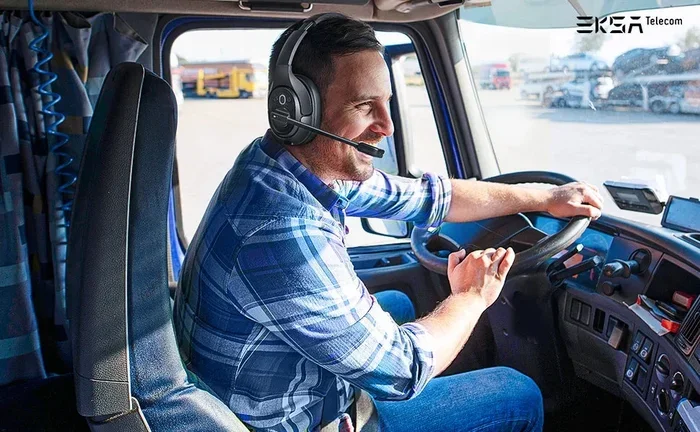
Bluetooth headsets are the most popular choice for drivers. They are convenient, wireless, and easy to use. Most Bluetooth headsets are designed for single-ear use, which aligns with many state driving laws. You can answer calls with a tap or a voice command, keeping your hands on the wheel.
The main advantage of a Bluetooth headset is freedom of movement. You are not tethered to your phone. You can turn your head, adjust your mirror, or reach for something in the back seat without unplugging anything. This freedom can actually improve safety in some situations. However, the downside is that people often forget they are wearing the headset and leave it on during the entire drive.
Wired Headsets and Earbuds
Wired headsets and earbuds are another option, but they come with more legal risks. Many states specifically ban earbuds or wired headsets in both ears. Even a single wired earbud can raise suspicion from law enforcement. Officers may not be able to tell immediately whether you are using a hands-free device or listening to music.
Wired headsets also have a physical cable that can get tangled or snag. In an emergency, this could become a hazard. For these reasons, most safety experts and legal professionals recommend Bluetooth headsets over wired options for driving.
Which Is Safer for Driving?
Overall, a single-ear Bluetooth headset is the safest and most legal option for most drivers. It keeps one ear open for ambient sounds. It allows hands-free calling without the hassle of wires. And it generally complies with state driving laws. If you must use a wired option, choose a single-ear design and make sure it is clearly a communication device, not a music earbud.
| Feature | Bluetooth Headset | Wired Headset |
|---|---|---|
| Legal in most states | Yes (single ear) | Sometimes (varies) |
| Hands-free convenience | Excellent | Good |
| Risk of tangling | None | High |
| Both-ear usage allowed | Rarely legal | Rarely legal |
| Voice command support | Yes | Limited |
| Driving safety rating | High | Medium |
State-by-State Breakdown of Bluetooth Driving Laws
Driving regulations by state can be complex. No single guide can cover every local ordinance. However, here is a general overview of how Bluetooth headset laws break down across the country.
States with Strict Bluetooth and Headset Laws
Some states take distracted driving very seriously. In these states, even legal hands-free devices come with restrictions. For example:
- California: Drivers cannot use earbuds in both ears. A single-ear Bluetooth headset is allowed, but the other ear must remain open.
- New York: Similar to California, New York bans both-ear headsets. Drivers under 18 cannot use any portable electronic devices at all.
- Washington: The state has strict distracted driving laws. Using any electronic device while stopped in traffic is also prohibited.
- Illinois: Handheld phone use is banned. Hands-free calling with a Bluetooth headset is allowed, but drivers under 19 cannot use any phone.
States with Lenient Bluetooth Driving Laws
Other states have fewer restrictions on wireless headset legality. These states generally allow hands-free devices with fewer rules:
- Texas: No statewide ban on hands-free devices. However, some cities like Austin have their own stricter rules.
- Florida: Drivers over 18 can use hands-free devices including Bluetooth headsets. Texting while driving is a secondary offense.
- Arizona: No statewide ban on wireless communication while driving. However, drivers are still expected to exercise caution.
Commercial Driver Restrictions
If you hold a commercial driver’s license (CDL), the rules are much stricter. Federal law prohibits CDL holders from using handheld mobile devices while driving. Even hands-free calling with a Bluetooth headset has limitations. The rule is that you can only press a single button to start or end a call. Reaching for your phone, dialing a number, or holding the device is a violation. These rules apply to commercial vehicles across all states, regardless of local driving laws.
Common Mistakes Drivers Make with Bluetooth Devices
Even when drivers mean well, mistakes happen. Here are the most common errors people make when using Bluetooth headsets on the road.
Wearing Both Ears Covered
This is the number one mistake. Many drivers wear their Bluetooth headset in both ears for better sound quality. While it might feel more immersive, it is illegal in many states. More importantly, it blocks your ability to hear emergency vehicles, honking horns, and other critical sounds on the road.
Assuming All Bluetooth Devices Are Legal
Not every hands-free device is treated the same way under the law. Some states distinguish between Bluetooth headsets and Bluetooth speakerphones. A speakerphone mounted on your dashboard is usually treated differently than an earbud in your ear. Know the difference in your state.
Ignoring Local Ordinances
State law is not the only law that matters. Cities and counties can have their own traffic regulations. For example, a state might allow Bluetooth headsets, but a specific city might ban them in school zones or downtown areas. Always check local rules when traveling through new areas.
Using Headsets for Entertainment
Many Bluetooth headsets double as music players. Using them to listen to podcasts or music while driving can blur the line between communication and entertainment. In some states, this distinction matters legally. If your headset is playing music, an officer might treat it differently than a hands-free calling device.
Expert Tips for Using Bluetooth Headsets Safely on the Road
Staying legal is important, but staying safe is even more critical. Here are expert-backed tips to help you use your Bluetooth headset responsibly while driving.
Keep Conversations Short and Simple
Long, emotional, or complex conversations can pull your attention away from the road. If a call becomes intense, suggest picking it up later. Short voice commands for navigation or brief check-ins are much safer than lengthy discussions.
Use Noise-Canceling Features Wisely
Noise cancellation is a great feature, but it can also block out important sounds like sirens or horns. If your Bluetooth headset has adjustable noise cancellation, keep it set to a level where you can still hear your surroundings. Some headsets have a “transparency mode” that lets in ambient sound. This is ideal for driving.
Mount Your Phone Properly
Even with a hands-free device, your phone should be mounted securely. A phone sliding around your dashboard is a distraction and, in some states, a violation. Use a vent mount or dashboard holder to keep your phone stable and accessible.
Pull Over for Complex Calls
If you need to have a detailed conversation, find a safe spot to pull over. No call is worth risking your driving safety or the safety of others. This simple habit can prevent accidents and keep you focused.
Keep Your Headset Charged and Ready
A dead headset at a critical moment can be frustrating. Make it a habit to charge your Bluetooth headset every night. A fully charged device ensures you are always ready for hands-free calling without fumbling with cables or low battery warnings.
Know Your Device’s Features
Take a few minutes to learn all the features of your Bluetooth headset. Understand how to activate voice commands, adjust volume, and answer calls without looking. The more familiar you are with your device, the less distraction it causes while driving.
Much like how hands-free technology helps doctors perform procedures more safely, Bluetooth headsets allow drivers to stay connected without compromising their hands on the wheel. To learn more about how technology serves different fields, explore how computers are used in medicine and see how the same principles of hands-free operation apply across industries.
Are Bluetooth Headsets Legal On The Road? The Bottom Line
The question are Bluetooth headsets legal on the road while driving does not have a one-size-fits-all answer. In most cases, using a single-ear Bluetooth headset for hands-free calling is legal and safe. However, the specifics depend on your state, your age, and the type of vehicle you drive. The best approach is to stay informed, follow the rules, and always prioritize safety over convenience.
Technology like Bluetooth technology has made our lives easier in countless ways. From wireless communication while driving to staying connected with loved ones, the benefits are real. But with those benefits comes responsibility. Know the Bluetooth headset laws in your area. Use your hands-free device wisely. And remember that no call or message is worth risking a life.
When in doubt, keep it simple. Use a single-ear headset, keep the volume low, and stay aware of your surroundings. If you are ever unsure about a specific rule, a quick search of your state’s driving laws can give you clarity. Safe driving starts with smart choices, and understanding the legal landscape is a big part of that.
Whether you are a daily commuter or an occasional road-tripper, knowing the rules around wireless headset legality puts you ahead. Stay informed, stay safe, and enjoy the convenience of hands-free driving the right way.
Frequently Asked Questions
Can I wear a Bluetooth headset in both ears while driving?
In most states, wearing a headset in both ears is illegal. The law generally requires at least one ear to remain open so you can hear traffic sounds, sirens, and other important audio cues. Check your specific state’s driving laws to be sure.
Are Bluetooth headsets safer than handheld phones while driving?
Yes, Bluetooth headsets are generally safer than handheld phones because they keep your hands on the wheel. However, they do not eliminate cognitive distraction. Your mind can still be pulled away from the road during a conversation. The safest option is to keep calls brief and focus on driving.
Can I get a ticket for using a Bluetooth headset while driving?
Yes, if your Bluetooth headset use violates local traffic regulations. For example, wearing both ears covered or using a headset in a restricted zone can result in a fine. Penalties vary by state but can range from a warning to a fine of over $100.
Do Bluetooth headset laws apply to all vehicle types?
Not always. While regular passenger vehicle drivers follow state laws, commercial drivers must follow federal hands-free device regulations. These federal rules are stricter and apply to anyone with a commercial driver’s license (CDL) operating commercial vehicles.
Is it legal to listen to music through a Bluetooth headset while driving?
It depends on your state. Some states treat music listening through a headset differently from hands-free calling. In many places, wearing a headset for music while driving is treated the same as wearing earbuds, which can be illegal. Always check your local Bluetooth headset laws.
What should I do if I am unsure about my state’s Bluetooth driving laws?
The best step is to check your state’s department of motor vehicles (DMV) website or contact local law enforcement. They can provide the most up-to-date information on driving regulations. You can also consult a local attorney if you need legal clarification on wireless headset legality while driving.
=== CONCLUSION ===
Are Bluetooth headsets legal on the road while driving? The answer is: in most places, yes, with some important caveats. Using a single-ear Bluetooth headset for hands-free calling is generally permitted across the United States. However, laws vary by state, city, and vehicle type. Understanding these differences is essential for every driver who wants to stay compliant and safe.
Beyond legality, the real goal is driving safety. Bluetooth technology offers incredible convenience, but it should never replace your full attention on the road. Keep your calls short, use voice commands, and always keep at least one ear open to your surroundings. By following these guidelines, you can enjoy the benefits of wireless communication while driving without putting yourself or others at risk.
Stay informed, stay safe, and make smart choices every time you get behind the wheel. The road belongs to everyone, and responsible hands-free driving helps keep it that way.