How Big Should an Outdoor Movie Screen Actually Be
Choosing the right outdoor movie screen size depends on your viewing distance, available space, and the number of guests. A screen that is too small strains the eyes, while one that is too large distorts the image. This guide walks you through everything you need to know to find the ideal dimensions for your setup.
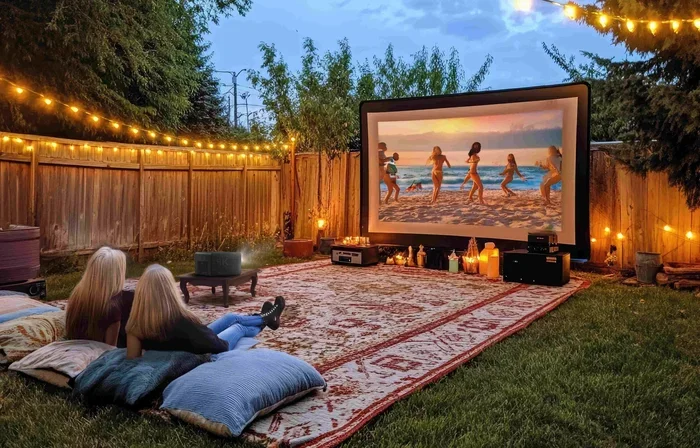
There is something magical about watching a movie under the stars. String lights, cozy blankets, and a big screen in the backyard create memories that last a lifetime. But here is the thing most people get wrong from the start. They buy a screen without thinking about outdoor movie screen size. The result? A blurry image, neck-craning viewers, or a setup that looks tiny and unimpressive no matter how much you spend on the projector.
So how do you get it right? The truth is, outdoor movie screen size is not a one-size-fits-all answer. It depends on how far people sit, how many people you have, what kind of projector you use, and even the ambient light in your yard. This guide breaks it all down in simple terms so you can set up the perfect backyard cinema every single time.
Whether you are planning a quiet date night or hosting a block party, getting the screen dimensions right makes all the difference. Let us dive in and figure out exactly what size screen you need.
Key Takeaways
- Viewing distance is the #1 factor: Multiply your seating distance by 0.84 to find the ideal screen width.
- Screen height matters just as much: Aim for the bottom of the screen to be at least 2 to 3 feet off the ground.
- There are three main screen types: inflatable, frame-based, and DIY painted walls each have pros and cons.
- Ambient light affects perceived size: A brighter projector lets you go bigger without losing image quality.
- Aspect ratio impacts your choice: 16:9 is standard for movies, but 4:3 works better for classic films.
- Room for seating changes everything: Always measure your space before buying a screen.
📑 Table of Contents
- Why Screen Size Matters for Outdoor Movies
- How to Measure the Right Screen Size
- Types of Outdoor Movie Screens and Their Ideal Sizes
- Factors That Affect Your Ideal Screen Size
- Quick Tips for Getting the Perfect Outdoor Movie Screen Size
- Common Mistakes People Make With Outdoor Screen Size
- Setting Up Your Outdoor Movie Night Like a Pro
- Frequently Asked Questions
- Conclusion
Why Screen Size Matters for Outdoor Movies
You might think bigger is always better when it comes to outdoor movie screens. But that is not quite true. The right size creates a comfortable, immersive experience. The wrong size ruins it. Here is why getting the outdoor movie screen size correct is so important.
The Viewing Experience Depends on Proportions
When a screen is too small for the room, everyone squints. When it is too large, the image loses sharpness, especially on the edges. The goal is to fill enough of your field of vision without stretching the projector beyond its limits. Think of it like sitting in a movie theater. The screen is big enough to feel immersive but not so big that you can see individual pixels.
A properly sized screen also keeps the aspect ratio intact. Most modern movies use a 16:9 or 21:9 ratio. If your screen does not match, you will get black bars on the sides or a distorted picture. This is one of the most common mistakes people make with their outdoor movie screen size choices.
Brightness and Image Quality Go Hand in Hand
A larger screen spreads the projector light over a bigger area. That means the image gets dimmer. If you pick a huge screen but your projector is not bright enough, the picture will look washed out. This is especially true if you are watching during dusk or in areas with some ambient light.
The relationship between projector brightness and outdoor movie screen size is critical. A projector with at least 3,000 lumens can handle a medium-sized screen comfortably. For larger setups, you may want 5,000 lumens or more. Always check your projector specs before deciding on dimensions.
How to Measure the Right Screen Size
Measuring for the right outdoor movie screen size is simpler than most people think. You need three things: your seating distance, your available space, and your projector capabilities. Let us walk through each one.
Step 1: Measure Your Seating Distance
Start by figuring out how far your viewers will sit from the screen. This is the most important measurement. The general rule of thumb is that the viewing distance should be about 1.5 to 2.5 times the screen width. For a more precise calculation, multiply your seating distance by 0.84 to get the ideal screen width.
For example, if your farthest seat is 15 feet from the screen, you would want a screen about 12 to 13 feet wide. This gives everyone a comfortable view without stretching their necks.
Step 2: Consider Your Available Space
Not everyone has a huge backyard. Measure the wall or area where you plan to set up the screen. Leave enough room behind the viewers for seating. You also need space for the projector itself, which should sit about 6 to 10 feet behind the viewers depending on the throw distance.
Keep in mind that outdoor movie screen size also needs clearance above the viewers. The bottom of the screen should be at least 2 to 3 feet off the ground so people sitting on chairs or blankets can see the full picture without obstruction.
Step 3: Match the Screen to Your Projector
Every projector has a recommended screen size range. Check your projector manual or look up the model online. Most home projectors work best with screens between 80 and 120 inches diagonally for outdoor use. Going beyond that range often means sacrificing image quality.
If you are unsure, start with a mid-range size and adjust from there. It is always easier to go slightly smaller than to commit to a massive screen that your projector cannot fill properly.
Types of Outdoor Movie Screens and Their Ideal Sizes
Not all screens are created equal. The type of screen you choose directly affects the outdoor movie screen size you can achieve. Let us look at the three most popular options.
Inflatable Screens
Inflatable screens are the go-to choice for casual outdoor movie nights. They are easy to set up, lightweight, and come in a range of sizes. Most inflatable screens range from 8 to 16 feet wide.
These screens work great for small to medium gatherings. However, they can be prone to wrinkling, which affects image quality. Wind is also a concern. If you live in a breezy area, you may want to anchor your outdoor movie screen size setup firmly or choose a smaller inflatable option.
Frame-Based Screens
Frame-based screens offer a flat, wrinkle-free surface that delivers the sharpest picture. They come in fixed sizes and are more durable than inflatables. You can find frame screens in sizes from 80 inches up to 200 inches diagonally.
The downside is that they are heavier and take more time to set up. If you plan to use your screen frequently, a frame-based option is worth the extra effort. They also hold up better in windy conditions, making them a solid choice for a permanent backyard setup.
DIY Painted Walls or Portable Panels
Some people prefer a DIY approach. Painting a wall or using portable white panels can create a custom outdoor movie screen size that fits your exact space. This option is budget-friendly and gives you complete control over the dimensions.
The catch is that the surface needs to be perfectly smooth and white or gray for the best results. Any wrinkles, bumps, or discoloration will show up on the projected image. If you go the DIY route, take the time to prep the surface properly.
Factors That Affect Your Ideal Screen Size
Beyond the basics of measurement and screen type, several other factors influence the outdoor movie screen size that works best for you. Let us explore these in detail.
Number of Viewers
Are you hosting a quiet evening for two or a movie night for 30 people? The number of viewers directly impacts the ideal screen size. For small groups of 5 to 10 people, a screen in the 80 to 100-inch range works perfectly. For larger gatherings of 20 or more, you will want to go bigger, ideally 120 inches or wider.
The key is making sure everyone has a clear sightline. If people in the back row cannot see the screen comfortably, the size is too small for the space. On the flip side, if the front row has to tilt their heads way back, the screen is too large.
Ambient Light Conditions
Watching a movie outdoors means dealing with natural light. Even after sunset, the sky can cast a glow that washes out your image. The more ambient light there is, the harder it is to see a large screen clearly.
In low-light conditions, you can get away with a larger outdoor movie screen size because the contrast stays strong. If you are watching earlier in the evening or in an area with a lot of streetlight or neighbor light, a slightly smaller screen with a high-gain material will give you better results.
Screen Material and Gain
Not all screen materials are the same. The “gain” of a screen refers to how well it reflects light. A higher gain screen bounces more light back to the viewers, which makes the image appear brighter. This can allow you to go with a slightly larger outdoor movie screen size without losing visibility.
White screens typically have a gain of 1.0 and work well in dark conditions. Gray screens have a gain of 1.1 to 1.3 and handle ambient light better. For most backyard setups, a white or light gray screen with a gain between 1.0 and 1.2 strikes the best balance.
Audio Setup and Screen Placement
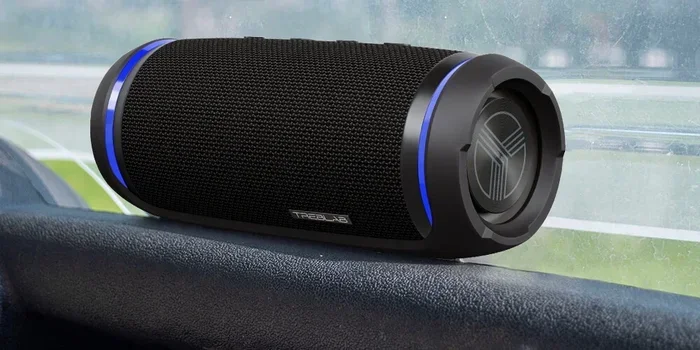
Here is something people often overlook. Your speakers need to be positioned correctly, and that affects where you place the screen. If you are using a Bluetooth speaker setup for audio, make sure the speakers are close enough to the seating area for clear sound without being in the line of sight of the projector.
Good audio adds a lot to the outdoor movie experience, so do not treat it as an afterthought. Place speakers at ear level when viewers are seated, and angle them slightly toward the audience for the best effect.
Quick Tips for Getting the Perfect Outdoor Movie Screen Size
Still not sure where to start? Here are some quick tips that will help you nail the right outdoor movie screen size every time.
- Start with the farthest seat. Measure from the screen to the last row of viewers. That distance determines your ideal width.
- Use a projector calculator. Many projector manufacturers offer free online tools that calculate the ideal screen size based on your projector model and throw distance.
- Test with a temporary setup first. Hang a white bedsheet or use a portable panel before committing to a permanent screen. This helps you see what size works best in your actual space.
- Account for the bottom clearance. Keep the bottom of the screen at least 2 to 3 feet off the ground for comfortable viewing from chairs and blankets.
- Think about storage. If you have limited storage space, a portable or inflatable screen that folds down is a practical choice.
Common Mistakes People Make With Outdoor Screen Size
Even with the best intentions, it is easy to make mistakes when setting up an outdoor movie night. Here are the most common ones and how to avoid them.
Buying a Screen That Is Too Large
The excitement of a big screen can lead to poor choices. A screen that is too large for the space forces viewers to move their heads constantly. It also demands a more powerful projector, which can be expensive. Always match the outdoor movie screen size to your actual viewing distance and projector capabilities.
Ignoring the Aspect Ratio
Buying a screen without checking the aspect ratio is a recipe for disappointment. If your screen is 4:3 but your movies are 16:9, you will see black bars on both sides. This makes the effective image much smaller than the screen itself. Always match the screen ratio to your content.
Forgetting About the Projector Placement
The projector needs to be positioned correctly to fill the screen without distortion. If the projector is too close or too far, the image will be blurry or incorrectly sized. Check the throw ratio of your projector and plan the placement before you set up the screen.
Overlooking Internet Connectivity for Streaming
If you plan to stream movies from services like Netflix or Disney Plus, you need a reliable internet connection outdoors. A weak Wi-Fi signal can cause buffering and ruin the experience. If your router is far from the setup area, you might need to troubleshoot or upgrade your connection. For tips on fixing connectivity issues, check out this guide on Can WiFi Router Be Repaired to make sure your equipment is running at its best.
Setting Up Your Outdoor Movie Night Like a Pro
Now that you know how to choose the right outdoor movie screen size, let us talk about putting it all together. A great setup is about more than just the screen. It is about creating an experience.
Plan Your Seating Arrangement
Lay out chairs, blankets, and cushions in rows. Make sure every seat has a clear view of the screen. For larger groups, consider tiered seating using hay bales or raised platforms. This keeps everyone comfortable and prevents people in the back from straining to see.
Leave enough space between the last row of seats and the screen for people to walk around. You do not want someone tripping over a speaker wire in the dark!
Set Up Your Projector Correctly
Place the projector on a stable surface or mount it on a tripod. Center it with the screen for the best image alignment. If your projector has keystone correction, use it to fix any trapezoid distortion from an angled position.
Run the power cable and HDMI cable safely along the ground using cable covers or tape. This prevents tripping hazards and keeps the setup looking clean.
Handle the Audio Like a Pro
Good sound makes or breaks an outdoor movie night. Portable Bluetooth speakers work well for small groups. For larger setups, consider a wireless speaker system that can distribute sound evenly across the seating area.
If you want to connect your phone or laptop to external speakers wirelessly, a Bluetooth adapter can help. Learn more about setting up wireless audio with your TV or devices in this helpful guide on Can I Make My TV Bluetooth With An Adapter.
Manage Your Internet Connection
Streaming outdoors requires a strong and stable connection. If your home Wi-Fi does not reach your backyard, consider using a mesh system or a dedicated outdoor access point. A reliable connection ensures smooth playback without annoying buffering interruptions.
For those using Xfinity internet with a Netgear Nighthawk router, you can extend your network coverage outdoors. Find out how to get the most out of your setup with tips from this resource on Can Netgear Nighthawk Be Used With Xfinity.
Add the Finishing Touches
String lights around the seating area set the mood. A popcorn machine or snack table makes the experience feel authentic. Bug spray and blankets are practical essentials. These small details turn a simple movie night into an event everyone remembers.
Frequently Asked Questions
What is the best outdoor movie screen size for a backyard?
For most backyards, a screen between 100 and 150 inches diagonal works well. This size fits comfortably in spaces where viewers sit 10 to 20 feet away. Always measure your available space and seating distance before purchasing a screen.
How do I calculate the right screen size for my projector?
Use the formula: screen width equals seating distance multiplied by 0.84. You can also use an online projector calculator. Enter your projector model and throw distance, and it will recommend the ideal screen size for your setup.
Can I use a white bedsheet as an outdoor movie screen?
Yes, a white bedsheet works in a pinch for casual movie nights. However, the image quality will not match a dedicated screen. Wrinkles and uneven fabric can distort the picture. For the best results, invest in a proper projector screen or a smooth white wall.
Does wind affect outdoor movie screens?
Wind can be a real problem, especially with inflatable screens. Lightweight screens can shift or collapse in moderate breezes. Frame-based screens handle wind much better. If you expect windy conditions, choose a sturdy frame screen and anchor it securely to the ground.
What is the ideal viewing distance for an outdoor movie screen?
The ideal viewing distance is about 1.5 to 2.5 times the screen width. For a 100-inch screen, viewers should sit between 12 and 20 feet away. Sitting too close causes eye strain, while sitting too far makes the image feel small and unimpressive.
Should I watch outdoor movies before or after full dark?
Waiting until it is fully dark gives you the best image quality and contrast. However, starting 15 to 20 minutes after sunset often works well. This gives people time to settle in while the sky is still slightly bright. If you start too early, a larger outdoor movie screen size will appear washed out and harder to see.
Conclusion
Getting the outdoor movie screen size right is the foundation of a great backyard cinema experience. It is not about going as big as possible. It is about finding the sweet spot where the image looks sharp, the viewers are comfortable, and the setup fits your space perfectly.
Measure your seating distance first. Choose a screen type that suits your needs and budget. Consider the ambient light, your projector capabilities, and the number of people you will host. And do not forget the audio and internet setup, because those elements round out the experience just as much as the screen itself.
With the right outdoor movie screen size, every movie night becomes an event. Your friends and family will talk about it long after the credits roll. So grab some popcorn, set up your screen, and enjoy the show under the stars.