Can You Buy An Extension For A Usb Cable Right Here
Yes, you can buy an extension for a USB cable, and it is one of the simplest ways to fix connectivity problems in your workspace. Whether you need a short USB extension cable or a longer USB 3.0 extension for your desktop setup, the right choice can improve signal quality and device performance. This guide walks you through every option so you can make a confident purchase without wasting money.
Have you ever had a USB device just out of reach? Maybe your external hard drive, printer, or flash drive sits too far from your computer. You want to connect it, but the cable simply is not long enough. The good news is that you can buy an extension for a USB cable without much hassle. USB extension cables are affordable, easy to find, and they solve this problem in seconds.
In this guide, we will walk you through everything you need to know. From the different types of extensions available to tips on picking the right one, we have you covered. By the end, you will feel confident about your choice and ready to make a purchase. Let us get into it.
Key Takeaways
- USB extensions are widely available: You can find them in many shapes, sizes, and lengths to fit almost any device or setup.
- USB 3.0 and USB-C extensions offer the best speeds: Choosing the right version ensures fast data transfer and reliable charging.
- Signal loss is a real concern over long distances: Using an active extension or a quality cable helps maintain strong performance.
- Couplers and hubs expand your options: These alternatives to simple extension cables give you more flexibility in tight spaces.
- Avoid common buying mistakes: Check compatibility, cable length, and build quality before you spend your money.
- Proper placement matters: Good cable management keeps your workspace clean and your connections stable.
📑 Table of Contents
- What Is a USB Cable Extension and Why Do You Need One
- Types of USB Cable Extensions You Can Buy
- How to Choose the Right USB Extension for Your Setup
- Benefits of Using a USB Cable Extension
- Common Mistakes People Make When Buying USB Extensions
- Expert Tips for Getting the Most Out of Your USB Extension
- Quick Tips for Buying the Perfect USB Extension
- Final Thoughts
What Is a USB Cable Extension and Why Do You Need One
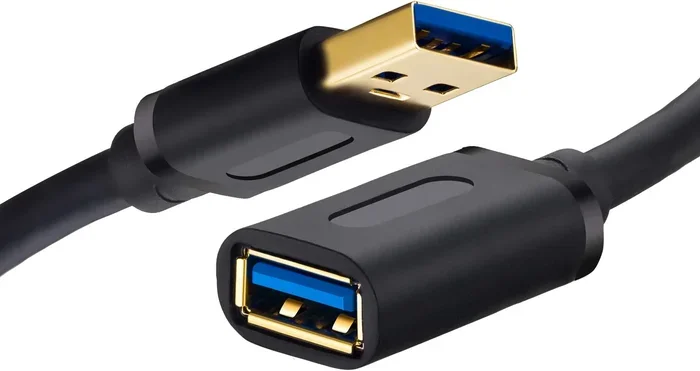
A USB extension cable is a simple device that lets you lengthen the reach of your existing USB connection. One end plugs into your computer or host device, and the other end gives you a new port where you can connect your peripheral. Think of it as a bridge that fills the gap between your device and the port you need to reach.
There are many reasons you might need one. Maybe your desk setup puts your computer far from your printer. Perhaps you use a standing desk and your USB ports face the wrong direction. Or you might just have too many devices crowded around one side of your workstation. No matter the reason, a USB cable lengthening solution makes your life easier. It keeps your devices connected without forcing you to rearrange your entire setup.
Another great benefit is that extensions can improve cable management. Instead of stretching a short cable across your desk, you can route a longer extension cable neatly. This reduces clutter and keeps your workspace looking clean. Better cable management also means less wear and tear on your original USB cable, which extends its lifespan.
Types of USB Cable Extensions You Can Buy
When you go shopping for a USB extension, you will find several options. Each type serves a different purpose and fits different needs. Let us break them down so you know exactly what to look for.
USB Extension Cables
The most common type is the simple USB extension cable. It has a male USB plug on one end and a female port on the other. You plug the male end into your computer, and then you plug your device into the female end. These cables come in lengths ranging from a few inches to 15 feet or more.
For most home and office setups, a basic USB extension cable works perfectly. They are available in USB 2.0, USB 3.0, and USB-C versions. USB 3.0 extensions offer faster data transfer speeds, which is important if you are moving large files or using external drives. If you have a newer laptop or device with only USB-C ports, a USB-C extension cable is the way to go.
USB Couplers and Adapters
If you already have two short USB cables and want to join them, a USB coupler is a handy option. A coupler is a small adapter that connects the female end of one cable to the male end of another. This creates a longer cable without buying a brand-new extension.
USB couplers are compact and inexpensive. They work well for quick fixes and temporary setups. However, keep in mind that every connection point can introduce a small amount of signal loss. For best results, use high-quality couplers and avoid chaining too many together. If you are building a setup for electronic commerce communication or any setup that requires stable data transfer, you may want to explore the advantages and disadvantages of using a value added network to ensure your connection stays reliable and secure.
USB Hubs with Extension Ports
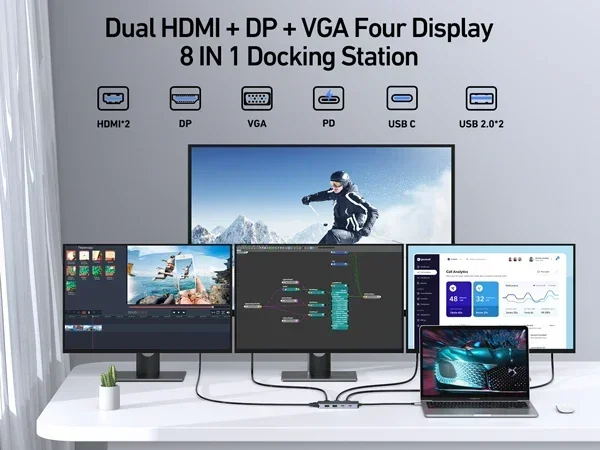
A USB hub with an extension cable gives you more than just extra length. It adds multiple ports so you can connect several devices at once. Many USB hubs also include power delivery, which means they can charge your devices while transferring data.
USB hubs are ideal for people who work with many peripherals. If you use an external keyboard, mouse, webcam, and flash drive all at the same time, a hub keeps everything connected without slowing things down. Some hubs even come with built-in cable management features, so you can route cables neatly behind your desk.
How to Choose the Right USB Extension for Your Setup
Buying a USB extension sounds simple, but a few key factors can make or break your experience. Here is what you should consider before you make a purchase.
Check the USB version. Make sure the extension matches the USB version of your devices. A USB 3.0 extension works with USB 2.0 devices, but you will not get the faster speeds. If your devices support USB 3.0 or USB 3.1, choose an extension that matches. This ensures you get the best USB data transfer speeds possible.
Think about length. Longer is not always better. USB signals can weaken over long distances, especially with passive cables. For runs under 10 feet, a standard passive extension works fine. For longer distances, consider an active USB extension, which has a chip that boosts the signal. This keeps your connection strong and stable.
Consider build quality. A well-built extension cable uses thick shielding and quality connectors. Cheap cables may save you a few dollars, but they often have poor shielding and loose connections. Look for cables with braided nylon jackets or metal housings. These last longer and provide better protection against interference.
Check compatibility with your operating system. Most USB extensions work with all major operating systems, but it is always good to double-check. If you use a proprietary operating system, you should verify that the extension cable is fully compatible. You can read more about the advantages and disadvantages of a proprietary operating system to understand how system-specific hardware choices might affect your connectivity setup.
Benefits of Using a USB Cable Extension
Using a USB extension cable brings several real-world benefits. Here are the main advantages you can expect:
- Flexibility: You can place your devices wherever you want, not just near your USB ports.
- Better organization: Extensions help you route cables neatly and reduce desk clutter.
- Device protection: Less stretching and pulling on your original cable means it lasts longer.
- Quick setup: No need to buy a whole new device or move your workspace around.
- Affordability: USB extensions cost very little compared to replacing cables or devices.
- Improved signal quality: A good quality extension maintains strong data and power delivery over longer runs.
These benefits apply whether you are working from home, setting up a gaming station, or building a professional office. The right extension cable gives you more freedom and better performance every single day.
Common Mistakes People Make When Buying USB Extensions
Even though USB extensions are simple devices, people still make avoidable mistakes. Here are the most common ones and how to steer clear of them.
Ignoring Signal Loss Over Long Distances
One of the biggest mistakes is buying a very long passive extension without thinking about signal loss. USB signals degrade over distance, especially with USB 2.0 cables. If you need a cable longer than 10 feet, go for an active extension or a high-quality cable designed for long runs. This prevents dropped connections and slow transfer speeds.
Choosing the Wrong USB Version
Another common error is mismatching the USB version. If you buy a USB 2.0 extension but your device supports USB 3.0, you will cap your speeds at the lower version. Always check what your devices support and buy an extension that matches or exceeds that version. A USB 3.0 extension is a safe choice for most modern setups because it is backward compatible and delivers faster speeds when possible.
Skipping the Brand Name
It is tempting to grab the cheapest cable you can find. But no-name brands often use thin wires and poor connectors. Stick with reputable brands that have good reviews. Your connection stability and data safety are worth the extra few dollars.
Forgetting About Power Delivery
If you are using your extension to charge a device, make sure it supports the power delivery you need. Some extensions only handle data, not high-wattage charging. Check the amperage rating before you buy, especially if you are connecting power-hungry devices like external hard drives or tablets.
Expert Tips for Getting the Most Out of Your USB Extension
Here are some practical tips from the experts that will help you get the best performance from your USB extension cable:
- Keep your extension as short as possible. The shorter the cable, the stronger the signal. Only buy the length you actually need.
- Use cable ties or clips. These keep your extension cable neatly routed and prevent it from tangling with other cords.
- Avoid bending the cable sharply. Sharp bends can damage the internal wires and weaken the connection over time.
- Label your cables. If you have multiple extensions, label each one so you know which device it connects to. This saves time and confusion.
- Test your setup before committing. Plug in your devices and run a quick transfer test. This confirms everything works before you finalize your setup.
- Upgrade to USB-C when possible. USB-C is the future of connectivity. If your devices support it, invest in a quality USB-C extension now.
Following these simple tips will keep your USB connections fast, stable, and reliable for years to come.
Quick Tips for Buying the Perfect USB Extension
- Match the USB version to your devices for the best speed.
- Choose active extensions for runs longer than 10 feet.
- Look for braided or metal-shielded cables for durability.
- Check that the extension supports your device’s power needs.
- Read customer reviews before making a purchase.
- Buy from reputable sellers to avoid counterfeit products.
Final Thoughts
The answer to whether you can buy an extension for a USB cable is a clear yes. USB extension cables are simple, affordable, and incredibly useful for almost any setup. Whether you need a short USB-C extension or a longer USB 3.0 cable for your home office, the right choice makes a real difference in your daily workflow.
Take your time to pick the right type, length, and quality level. Avoid the common mistakes we covered, and follow the expert tips for the best results. With the right USB extension in hand, your devices will connect reliably and your workspace will stay organized and clutter-free.
So go ahead and make that purchase. A small USB extension today can save you a lot of frustration tomorrow. Your devices will thank you.
Frequently Asked Questions
Can I use a USB extension cable for charging?
Yes, you can use a USB extension cable for charging. Just make sure the extension supports the power delivery your device needs. Check the amperage rating on the cable to confirm it can handle the charging speed you want.
Does a USB extension slow down data transfer?
A good quality USB extension will not slow down your data transfer. However, cheap or very long cables can reduce signal strength. Choose a cable that matches your device’s USB version and keep the length reasonable for the best speeds.
What is the difference between a passive and an active USB extension?
A passive USB extension is a simple cable with no built-in electronics. An active USB extension has a small chip that boosts the signal. Active extensions are better for long cable runs where signal loss could be a problem.
Can I connect multiple USB extensions together?
You can daisy-chain USB extensions, but it is not recommended. Each connection point adds potential signal loss and weak spots. Use a single high-quality extension or an active hub for the best results.
Are USB extension cables compatible with all devices?
Most USB extensions are compatible with a wide range of devices. Just check that the connector type matches your device, such as USB-A, USB-C, or Micro-USB. Also verify that the extension supports the USB version your device uses.
How long should my USB extension cable be?
The ideal length depends on your setup. For most desk setups, a 3 to 6 foot extension works great. If your devices are farther away, an active extension of 10 to 15 feet is a solid choice. Always buy the shortest length that meets your needs.
=== CONCLUSION ===
Buying an extension for your USB cable is easy, affordable, and one of the smartest upgrades you can make for your workspace. With the right USB extension cable, you get more flexibility, better cable management, and stronger connections. Whether you choose a simple USB extension, a USB hub, or a coupler adapter, the key is to match the product to your specific needs.
Remember to check the USB version, pick the right length, and invest in quality build. These small steps make a big difference in performance and durability. Now that you have all the information, you are ready to make the best choice for your setup. Happy connecting!