Can You Install Bluetooth Without Adapter on Any Device
Yes, you can install Bluetooth without an adapter on many devices. This guide shows you how to add wireless connectivity to PCs, laptops, and even older gadgets without buying extra hardware. You will learn simple methods like built-in motherboard support, USB alternatives, and software tricks to get Bluetooth working fast.
So you want to go wireless but your device does not have Bluetooth built in. Maybe you just bought a cool pair of Bluetooth headphones and your old laptop has no way to connect. Or perhaps you want to stream music to Bluetooth speakers but your desktop PC is missing the chip. Whatever the reason, the question remains the same. Can you install Bluetooth without an adapter?
The short answer is yes. The longer answer is a little more nuanced, but it is also very doable. You do not always need to buy a fancy Bluetooth adapter or spend big money on new hardware. There are several paths you can take, and this guide will walk you through every single one of them.
Whether you are trying to add wireless connectivity to a desktop computer, a laptop from a few years back, or even a smart TV, you are in the right place. We will cover everything from checking what your device already has to using clever workarounds that most people do not know about. By the end, you will know exactly how to get Bluetooth connectivity working on almost any device without spending a fortune.
Key Takeaways
- Built-in Bluetooth exists on many devices: Check your motherboard or laptop specs before buying anything extra.
- USB Bluetooth dongles are affordable alternatives: They cost less than a full adapter and plug in instantly.
- Bluetooth drivers are essential: Without the right driver, your device cannot find or connect to Bluetooth accessories.
- Bluetooth receivers work for audio-only needs: A small Bluetooth receiver can make non-Bluetooth speakers wireless.
- Device pairing is simple once Bluetooth is active: Just go into settings, turn it on, and pair your accessories.
- Older devices may need external help: Desktops and legacy laptops often lack Bluetooth chips and need a workaround.
- Wireless connectivity opens up new possibilities: From headphones to speakers, going wireless improves your entertainment setup.
📑 Table of Contents
- Understanding Bluetooth Technology and How It Works
- Can You Install Bluetooth Without an Adapter on Different Devices
- How to Add Bluetooth to a PC Without a Traditional Adapter
- Step-by-Step Guide to Installing Bluetooth Without an Adapter
- Benefits of Adding Bluetooth Without an Adapter
- Common Mistakes People Make When Installing Bluetooth Without an Adapter
- Expert Tips for the Best Bluetooth Experience
- Quick Tips Summary
- Frequently Asked Questions
- Final Thoughts
Understanding Bluetooth Technology and How It Works
Before we dive into the how-to, let us quickly cover what Bluetooth actually is. Understanding the basics makes everything else much easier to grasp.
What Is Bluetooth?
Bluetooth technology is a wireless communication standard that lets devices exchange data over short distances. It uses radio waves in the 2.4 GHz frequency band to connect devices like phones, speakers, keyboards, and headphones. The technology has been around since the late 1990s and has evolved a lot over the years.
Modern Bluetooth versions offer faster speeds, longer range, and lower power consumption. Bluetooth 5.0 and newer can reach distances of up to 240 meters in open space. Older versions like Bluetooth 2.0 and 3.0 have much shorter ranges, usually around 10 meters. This matters because your Bluetooth range affects how well your devices connect.
How Does Bluetooth Pairing Work?
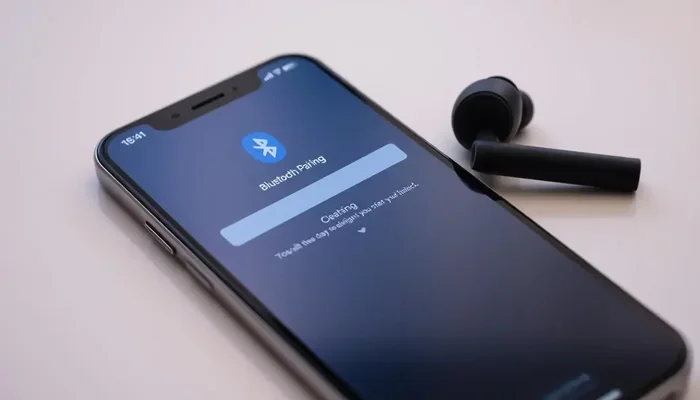
When you connect two Bluetooth devices, they go through a process called device pairing. One device becomes discoverable and the other searches for it. Once they find each other, they exchange pairing keys. After that, they remember each other and reconnect automatically in the future.
This is why your Bluetooth headphones connect to your phone so quickly after the first time. The devices store the pairing information and skip the discovery step next time. Understanding this helps when troubleshooting connection issues later on.
Can You Install Bluetooth Without an Adapter on Different Devices
The answer depends heavily on what device you are using. Some devices come with built-in Bluetooth but it is disabled or hidden. Others truly lack any Bluetooth capability at all. Let us break this down by device type.
Desktop Computers
Most desktop computers do not come with Bluetooth pre-installed. However, many modern motherboards actually have a Bluetooth module soldered onto the board. You just need to know how to activate it. Check your motherboard manual or look up the model online. If Bluetooth is there but disabled, you may only need to enable it in the BIOS or install the correct Bluetooth driver.
If your desktop truly has no Bluetooth hardware, you still have options. We will cover those in detail below. The key point is that you do not always need a full-blown Bluetooth adapter to get wireless working.
Laptops
Laptops are more likely to have Bluetooth than desktops. Most laptops made after 2012 include Bluetooth connectivity as a standard feature. But sometimes the Bluetooth function gets turned off by accident or disabled in the device manager. A quick check in your Bluetooth settings can save you from buying unnecessary hardware.
Older laptops from before 2010 might not have Bluetooth at all. In that case, you will need to add it through one of the methods we discuss later. But first, always check what you already have before spending money.
Smart TVs and Monitors
Many modern smart TVs and monitors now include Bluetooth for audio output and accessory support. If your TV has Bluetooth but you cannot find the setting, check the audio or network menu. Some brands hide Bluetooth settings in unusual places.
Older TVs and monitors usually do not have Bluetooth. But you can still add wireless audio using a Bluetooth receiver that plugs into the audio output. This is one of the cheapest and easiest ways to get wireless sound without a full adapter.
Gaming Consoles and Other Devices
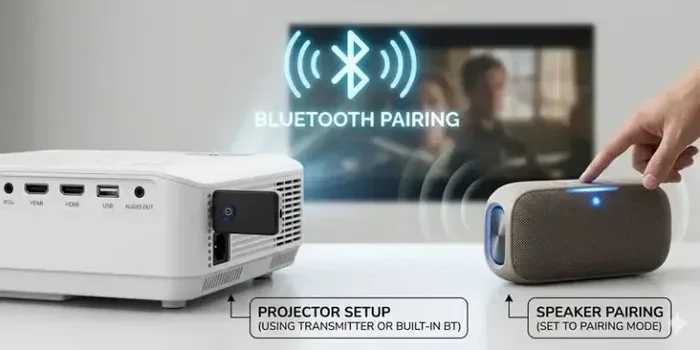
Some gaming consoles support Bluetooth for controllers and headsets. Others do not. If your console lacks Bluetooth, a Bluetooth receiver can fill the gap. The same applies to printers, projectors, and other peripherals that you want to connect wirelessly.
How to Add Bluetooth to a PC Without a Traditional Adapter
This is where things get really interesting. There are several ways to add Bluetooth connectivity to a PC without buying a conventional adapter. Let us go through each method step by step.
Method 1: Check for Built-In Bluetooth Hardware
Before you buy anything, check if your PC already has Bluetooth hardware. Here is how:
- Open Device Manager on Windows
- Look for a Bluetooth section
- Expand it and see what devices are listed
- If you see a Bluetooth adapter, you already have the hardware
If the hardware is there but not working, you probably just need to update or reinstall the Bluetooth driver. Right-click the device in Device Manager, select Update Driver, and follow the prompts. This simple step solves the problem for many people.
Method 2: Use a USB Bluetooth Dongle
A USB Bluetooth dongle is not technically an adapter in the traditional sense. It is a tiny plug-and-play device that costs between $5 and $20. You insert it into a USB port, install the driver, and you are done.
This is the most popular workaround for people asking can you install Bluetooth without adapter. The dongle is small, affordable, and works with almost any computer that has a USB port. Brands like TP-Link, ASUS, and Kingston make reliable options.
Method 3: Use a Bluetooth Receiver for Audio Only
If your only goal is wireless audio, a Bluetooth receiver is your best friend. These tiny plugs fit into your 3.5mm audio jack or USB port and let you stream audio from your phone or computer to speakers or headphones.
Bluetooth receivers are especially useful for:
- Making old speakers wireless
- Connecting Bluetooth headphones to a TV without Bluetooth
- Streaming audio to a car stereo
- Adding wireless streaming to any audio setup
The downside is that receivers only handle audio. They cannot connect Bluetooth keyboards, mice, or game controllers. For full Bluetooth connectivity, you need a dongle or a different method.
Method 4: Use a Bluetooth PCIe Card
For desktop users who want a permanent solution, a Bluetooth PCIe card is a great option. You install it directly into a PCIe slot on your motherboard. These cards come with Bluetooth and often Wi-Fi built in.
PCIe cards are more powerful than USB dongles. They offer better range, faster speeds, and more stable connections. They also free up your USB ports for other devices. However, they require opening your computer case and some basic installation knowledge.
Method 5: Use Wi-Fi Direct or Alternative Wireless Protocols
Some devices support Wi-Fi Direct, which lets two devices connect wirelessly without a router. This is not exactly Bluetooth, but it achieves a similar result for file transfers and screen mirroring.
Other alternatives include:
- Miracast for wireless screen sharing
- AirPlay for Apple device users
- Chromecast for streaming to TVs
- Wi-Fi Direct printing for wireless printers
These are not replacements for Bluetooth, but they can fill the gap when you need a wireless connection and Bluetooth is not available.
Step-by-Step Guide to Installing Bluetooth Without an Adapter
Now that you know the options, let us walk through the actual installation process. We will cover the most common scenario: adding Bluetooth to a Windows PC using a USB dongle.
Step 1: Get the Right Hardware
Buy a USB Bluetooth dongle. Make sure it supports the Bluetooth version you need. Bluetooth 5.0 is the current standard and offers the best range and speed. Most dongles on the market today support at least Bluetooth 4.0, which is still perfectly fine for most uses.
Step 2: Plug It In
Insert the dongle into a USB port. Windows 10 and 11 usually recognize the device automatically and start installing drivers. If nothing happens, you may need to download drivers from the manufacturer’s website.
Step 3: Install the Bluetooth Driver
Go to Device Manager and look for the new Bluetooth device. If there is a yellow warning icon, right-click it and select Update Driver. You can also download the latest driver from the dongle manufacturer’s support page.
Step 4: Turn On Bluetooth
Open your Bluetooth settings by clicking the Start menu, then Settings, then Devices, then Bluetooth. Toggle Bluetooth on. Your PC is now discoverable and ready to pair with accessories.
Step 5: Pair Your Device
Put your Bluetooth accessory into pairing mode. On headphones, this usually means holding down the power button for a few seconds. Go back to your PC’s Bluetooth settings, click Add Bluetooth or Other Device, and select your accessory from the list.
That is it. You now have wireless connectivity without a traditional adapter. The whole process takes about five minutes.
Benefits of Adding Bluetooth Without an Adapter
Adding Bluetooth to your devices brings many advantages. Here are the biggest ones:
- Wireless freedom: Move around without being tethered by cables
- Cleaner setup: Fewer cables means less clutter on your desk
- Compatibility: Connect modern accessories to older devices
- Cost savings: Avoid buying a whole new device just for Bluetooth
- Portability: Use wireless headphones and speakers anywhere
- Future-proofing: Make older devices work with modern wireless tech
The biggest benefit is flexibility. Once your device has Bluetooth connectivity, you can connect any Bluetooth accessory. Headphones, speakers, keyboards, mice, game controllers, and even fitness trackers all work seamlessly.
Common Mistakes People Make When Installing Bluetooth Without an Adapter
Even though the process is straightforward, people still run into problems. Here are the most common mistakes and how to avoid them.
Skipping Driver Updates
One of the biggest mistakes is not updating the Bluetooth driver after installation. Old drivers can cause connection drops, slow speeds, and pairing failures. Always check for driver updates on the manufacturer’s website after plugging in any Bluetooth device.
Ignoring Bluetooth Version Compatibility
Not all Bluetooth versions work equally well together. A Bluetooth 5.0 dongle can connect to a Bluetooth 4.2 headset, but you will only get the slower speeds of the older device. Try to match versions when possible for the best wireless streaming experience.
Placing the Dongle in a Bad USB Port
USB 2.0 ports can limit Bluetooth performance. Always plug your dongle into a USB 3.0 port when possible. USB 3.0 ports are usually blue inside, making them easy to identify. A good port makes a real difference in connection stability.
Not Putting the Accessory in Pairing Mode
This sounds obvious but it happens all the time. If your device is not in pairing mode, your PC cannot find it. Always check the accessory manual for pairing instructions. Most devices have a dedicated pairing button or require holding the power button for several seconds.
Overlooking Interference
Bluetooth operates on the same 2.4 GHz frequency as many Wi-Fi routers and microwaves. If you experience connection issues, try moving closer to the dongle or away from other wireless devices. Bluetooth range can be affected by walls, furniture, and other electronics.
Expert Tips for the Best Bluetooth Experience
Here are some pro tips that make a real difference in your wireless connectivity experience:
- Keep your Bluetooth drivers updated: Manufacturers release updates that improve stability and speed
- Restart Bluetooth when troubleshooting: Turn it off and back on before trying anything else
- Limit the number of connected devices: Too many paired devices can slow down performance
- Use a USB extension cable: This lets you place the dongle in a better position for signal strength
- Turn off unused Bluetooth devices: This reduces interference and saves battery
- Check for Windows updates: Microsoft regularly includes Bluetooth improvements in system updates
These simple habits keep your Bluetooth connectivity running smoothly. They take just a few minutes but save hours of frustration down the road.
Quick Tips Summary
- Always check for built-in Bluetooth before buying anything
- A USB Bluetooth dongle is the cheapest and easiest solution
- Bluetooth receivers work great for audio-only needs
- PCIe cards offer the best performance for desktop users
- Keep drivers updated for the smoothest experience
- Match Bluetooth versions for the best compatibility
- Use USB 3.0 ports for stronger and more stable connections
Frequently Asked Questions
Can you install Bluetooth on a PC without any Bluetooth hardware at all?
Yes, you can. You need to add Bluetooth hardware through a USB dongle, a PCIe card, or a Bluetooth receiver. These devices provide the Bluetooth chip your PC needs to connect wirelessly. Without any Bluetooth hardware, software alone cannot create a Bluetooth connection.
Is a USB Bluetooth dongle the same as a Bluetooth adapter?
They serve the same purpose but are slightly different. A dongle is a small plug-and-play USB device, while an adapter can refer to a larger internal card or external box. For most users, a USB dongle is the simplest and most affordable way to add Bluetooth without a traditional adapter.
Do Bluetooth dongles work on all operating systems?
Most Bluetooth dongles work on Windows, macOS, and Linux. However, you should always check compatibility before buying. Some dongles are optimized for Windows and may need extra steps on Mac or Linux systems. Look for dongles that list your operating system as supported.
Can you use Bluetooth without installing any drivers?
On modern operating systems like Windows 10 and 11, many Bluetooth dongles install drivers automatically. You plug them in and they work. However, older devices or less common dongles may require manual driver installation. Always check the manufacturer’s website if the dongle does not work right away.
What is the difference between a Bluetooth receiver and a Bluetooth dongle?
A Bluetooth receiver is designed for audio output only. It lets you stream sound to speakers or headphones. A Bluetooth dongle provides full Bluetooth connectivity, supporting keyboards, mice, game controllers, and file transfers in addition to audio. Choose a receiver for audio needs and a dongle for full wireless functionality.
How far can Bluetooth reach without an adapter?
Bluetooth range depends on the version and the environment. Bluetooth 5.0 can reach up to 240 meters in open space, while older versions max out around 10 to 30 meters. Walls, furniture, and other electronics can reduce the range significantly. Using a quality dongle or PCIe card helps maximize your Bluetooth range.
Final Thoughts
The answer to can you install Bluetooth without an adapter is a clear yes. You have multiple paths to choose from, whether you are using a USB dongle, a Bluetooth receiver, a PCIe card, or simply enabling the Bluetooth hardware that is already inside your device.
Bluetooth connectivity has become essential in today’s wireless world. From Bluetooth headphones to Bluetooth speakers and everything in between, wireless accessories make your life easier and your setup cleaner. You do not need to spend a lot of money or have advanced technical skills to add this capability to your devices.
Start by checking what your device already has. Then pick the method that fits your needs and budget. Follow the steps we outlined, keep your drivers updated, and enjoy the freedom of wireless streaming and wireless connectivity. The process is simpler than most people think, and the results are well worth the effort.
Now that you know how easy it is to add Bluetooth without a traditional adapter, there is no reason to stay tethered to cables. Go wireless today and experience the convenience that Bluetooth technology brings to your everyday entertainment setup.