Do You Need Electricity For Bluetooth To Work Properly
Bluetooth technology does need a small amount of electricity to work, but the power it uses is incredibly low. Most Bluetooth devices run on tiny batteries that last for days or even weeks. Understanding how Bluetooth draws power helps you get the most from your wireless headphones, speakers, and other gadgets.
Bluetooth is everywhere. It is in your phone, your wireless headphones, your car stereo, and even your printer. But here is a question many people never think to ask: Do You Need Electricity For Bluetooth to work properly? The short answer is yes, but the full story is much more interesting than you might expect.
Bluetooth technology has changed the way we connect our devices. It replaced tangled wires with clean, wireless signals. But every wireless signal needs energy of some kind. In this article, we will break down exactly how Bluetooth uses electricity, which devices need it, and what you can do to save power. Whether you use Bluetooth headphones, a Bluetooth speaker, or a Bluetooth adapter, this guide covers everything you need to know.
The truth is that Bluetooth power consumption is surprisingly low. A pair of wireless earbuds can run for hours on a single charge. A Bluetooth keyboard might last for months. Understanding how this technology works helps you use your devices smarter and get more life out of every battery. Let us dive into the world of wireless connectivity and find out what keeps it all running.
Key Takeaways
- Bluetooth uses very little electricity: The technology is designed to be energy efficient, so it barely drains your device battery.
- Your phone and headphones need power: Both the sending and receiving Bluetooth devices need electricity to maintain a connection.
- Bluetooth Low Energy (BLE) saves power: Modern Bluetooth versions use significantly less electricity than older ones.
- Range affects battery life: The farther your devices are apart, the more power they use to stay connected.
- You can extend battery life: Simple tips like turning off Bluetooth when not in use help save power.
- Bluetooth works without a wall outlet: Many Bluetooth devices are completely wireless and run on small built-in batteries.
- Bluetooth adapters need power too: Even add-on Bluetooth accessories require some form of electricity to function.
📑 Table of Contents
What Is Bluetooth And How Does It Work
Bluetooth is a wireless communication technology that lets devices talk to each other without cables. It uses radio waves to send data over short distances. You pair two devices together, and then they can share audio, files, or commands through the air.
The technology was invented in the 1990s and has grown a lot since then. Today, we use Bluetooth 5.0 and newer versions that offer faster speeds and longer range. But no matter how advanced it gets, the basic idea stays the same. Two devices exchange data using low-power radio signals.
How Bluetooth Devices Communicate
When you connect your wireless headphones to your phone, here is what happens. Your phone sends a tiny radio signal. Your headphones receive that signal. Both devices have small chips inside that handle the sending and receiving. These chips need electricity to operate.
The amount of power needed is very small. Your phone barely notices the extra drain. Your headphones use their own small battery to keep the Bluetooth chip running. This is why a pair of earbuds can last 5 to 10 hours on a single charge even while streaming music.
One important thing to know is that both devices in a Bluetooth connection need power. If your phone dies, your headphones cannot connect. If your headphones run out of battery, they cannot receive the signal. Electricity is needed on both ends of the connection.
Does Bluetooth Need Electricity To Function
Yes, Bluetooth absolutely needs electricity. But the type and amount of power depend on the device. Some devices use built-in rechargeable batteries. Others draw power from a larger source like your phone or laptop.
Here is the key idea. Bluetooth is not magic. It is a tiny radio transmitter and receiver. And any radio needs energy to send or receive signals. The good news is that modern Bluetooth chips are designed to use as little power as possible.
Where Does the Electricity Come From
Different devices get their power in different ways:
- Rechargeable batteries: Wireless earbuds, headphones, and speakers use built-in lithium-ion batteries. You charge them with a USB cable.
- Device battery: Your phone, tablet, or laptop powers its own Bluetooth chip from its main battery.
- USB power: Some Bluetooth adapters and dongles draw power directly from a USB port.
- Coin cell batteries: Some small Bluetooth devices like fitness trackers use tiny coin batteries that last for months.
No matter where the power comes from, the Bluetooth chip itself uses very little. This is one of the biggest advantages of Bluetooth technology compared to other wireless options.
How Bluetooth Devices Get Power
Understanding how your Bluetooth gadgets get electricity helps you use them better. Let us look at the most common types of Bluetooth devices and how they stay powered.
Wireless Headphones and Earbuds
Wireless headphones are probably the most popular Bluetooth devices people own. They need electricity to run the Bluetooth chip, the audio amplifier, and the speakers themselves. Most modern wireless earbuds give you 5 to 8 hours of playback on a single charge.
Some brands also include a charging case. The case holds extra battery power and charges the earbuds when you put them back in. This means you get many extra hours of use without needing a wall outlet. The Bluetooth connection stays active as long as the earbuds have power.
Bluetooth Speakers
Bluetooth speakers like portable portable Bluetooth speakers need more power than headphones. They have bigger drivers and amplifiers. This means they use more battery to play music wirelessly.
A good portable Bluetooth speaker can last 10 to 20 hours on a full charge. Larger speakers that plug into the wall do not need batteries at all. They get their electricity from the outlet and use it purely for the Bluetooth radio and audio processing.
Bluetooth Adapters and Dongles
A Bluetooth adapter or dongle plugs into a USB port on your TV or computer. It gives non-Bluetooth devices the ability to connect wirelessly. These adapters draw a small amount of power from the USB port. They do not need their own battery.
If you want to make your old TV Bluetooth capable, a USB Bluetooth dongle is a great option. It uses the TV’s USB port for both data and power. You do not need any extra electricity source. Just plug it in and pair your devices.
Similarly, you can use a USB Bluetooth dongle on your TV to connect wireless headphones or speakers. This is a simple way to add wireless audio to any TV with a USB port. The dongle handles all the Bluetooth work using just the USB power supply.
Bluetooth Power Consumption: What To Expect
One of the most common questions people ask is: how much battery does Bluetooth actually use? The answer depends on several factors. Let us break them down.
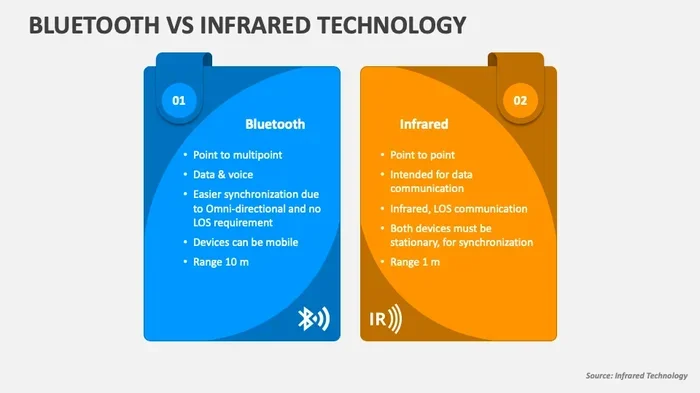
Bluetooth Classic vs Bluetooth Low Energy
There are two main types of Bluetooth technology:
- Bluetooth Classic: This is the older version. It uses more power but offers faster data transfer. It is great for streaming audio.
- Bluetooth Low Energy (BLE): This newer version uses much less power. It is perfect for devices that send small bursts of data, like fitness trackers and smartwatches.
Most modern devices support both types. Your phone will automatically switch between them depending on what you are doing. When you stream music, it uses Bluetooth Classic. When your fitness tracker sends a small data packet, it uses BLE.
Factors That Affect Bluetooth Battery Drain
Several things determine how much power your Bluetooth connection uses:
- Distance between devices: The farther apart your devices are, the more power they use to maintain the signal.
- Audio quality: Higher quality audio streams use more data and more power.
- Number of connected devices: If your phone is connected to multiple Bluetooth devices at once, it uses more power.
- Bluetooth version: Newer versions like Bluetooth 5.0 and 5.3 are more energy efficient than older ones.
- Signal interference: Walls, other wireless devices, and electronic interference can cause your devices to use more power to stay connected.
By keeping these factors in mind, you can reduce unnecessary battery drain and get more time from your devices.
Tips To Reduce Bluetooth Power Usage
Want to make your Bluetooth devices last longer? Here are some simple tips that really work. These are easy habits anyone can build.
Turn Off Bluetooth When Not In Use
This is the simplest and most effective tip. If you are not using a Bluetooth connection, turn it off. On your phone, you can go to settings and disable Bluetooth. On your headphones, most models have a power button that turns them off completely.
Some people leave Bluetooth on all the time. This is fine if you use it often. But if you only connect once a day, turning it off between uses can save noticeable battery life over time.
Keep Devices Close Together
Bluetooth works best at close range. When your devices are close, they use less power to stay connected. If you step too far away, both devices work harder to maintain the link. This drains battery faster.
Try to keep your phone and Bluetooth headphones within about 30 feet of each other. For best results, keep them in the same room.
Use the Right Bluetooth Profile
Different Bluetooth profiles use different amounts of power. For example, the A2DP profile handles high-quality audio streaming. It uses more power than the HFP profile used for phone calls. If you do not need high-quality audio, using a lower-power profile can save battery.
Update Your Devices
Software updates often include improvements to Bluetooth power management. Keeping your phone and Bluetooth devices updated ensures you are using the most efficient version of the Bluetooth protocol.
Common Bluetooth Power Myths
There are a lot of misconceptions about Bluetooth and electricity. Let us clear up some of the most common ones.
Myth: Bluetooth Drains Your Phone Battery Quickly
This is one of the biggest myths. Bluetooth uses very little power compared to your screen, camera, or cellular connection. Leaving Bluetooth on all day barely affects your phone battery. Modern smartphones are designed to handle Bluetooth efficiently in the background.
Myth: Bluetooth Uses No Electricity At All
Some people think Bluetooth is completely free in terms of power. This is not true. Every Bluetooth device needs some electricity. But the amount is so small that it barely matters for most devices.
Myth: More Expensive Bluetooth Devices Use More Power
Price does not always equal power consumption. A premium pair of wireless headphones might actually use less power than a cheap pair because it has better, more efficient Bluetooth chips. Quality and power efficiency are not always tied to price.
How To Make Your Devices More Bluetooth Efficient
Beyond the tips above, there are a few other things you can do to get the most out of your Bluetooth setup. These small changes add up over time.
Charge Devices Properly
How you charge your Bluetooth devices matters. Use the charger that came with the device or a high-quality USB charger. Cheap chargers can damage battery health over time, which means your device holds less charge and needs electricity more often.
Manage Multiple Connections
If your phone is connected to a Bluetooth speaker, a fitness tracker, and a smartwatch all at once, it works harder. Try to disconnect devices you are not actively using. This frees up resources and saves power on both your phone and the connected devices.
Use Bluetooth 5.0 or Newer When Possible
Newer Bluetooth versions are significantly more power efficient. If you are buying a new device, look for Bluetooth 5.0 or higher. These versions offer better range and lower power consumption, which means longer battery life for all your wireless gadgets.
Consider a Bluetooth Transmitter for Older Devices
If you have an older car stereo or TV without built-in Bluetooth, a Bluetooth transmitter can help. You plug it into the audio output, and it sends a wireless Bluetooth signal to your headphones or speaker. The transmitter needs a small amount of power, usually from a USB cable or its own battery.
Similarly, you can turn your car radio into a Bluetooth device with a simple adapter. This lets you stream music wirelessly from your phone. The adapter draws power from your car’s cigarette lighter or USB port. It is a great way to add wireless capability without buying a whole new stereo system.
You can also make your old Bose speakers Bluetooth capable with an add-on module. These modules plug into the speaker and handle the Bluetooth connection. They need a small amount of power from the speaker itself or a separate USB cable. This is a budget-friendly way to modernize older audio equipment.
Another option is using Alexa as a Bluetooth speaker. You can pair your phone with an Amazon Echo device wirelessly. The Echo provides the power and the Bluetooth receiver. Your phone does the sending. This setup works great for parties or casual listening around the house.
Final Thoughts
So, do you need electricity for Bluetooth? Yes, you absolutely do. Every Bluetooth device needs some form of power to send and receive wireless signals. But here is the good news: the amount of electricity needed is very small.
Bluetooth is one of the most energy-efficient wireless technologies available today. Your wireless headphones can run for hours. Your Bluetooth speaker can last all day. Your phone barely notices the extra load. Understanding how Bluetooth power consumption works helps you get the most from every device.
Follow the tips in this guide. Turn off Bluetooth when you do not need it. Keep your devices close together. Use the latest Bluetooth versions. And charge your gadgets properly. These simple steps will keep your wireless devices running longer and performing better.
The world of wireless audio and Bluetooth connectivity is here to stay. And the best part is that it works without needing a lot of electricity. So go ahead, enjoy your wireless headphones, connect your speaker, and stream your favorite music. Bluetooth makes it all possible with just a tiny bit of power.
Frequently Asked Questions
Can Bluetooth work without any electricity at all?
No, Bluetooth cannot work without electricity. Both the sending device and the receiving device need power to create and maintain a Bluetooth connection. Even the smallest Bluetooth chip requires a small amount of energy to transmit and receive wireless signals.
How much battery does Bluetooth use on my phone?
Bluetooth uses very little battery on your phone. Most users see less than 2% battery drain per day from having Bluetooth enabled. This is much less than your screen or cellular connection. Newer Bluetooth versions are even more efficient than older ones.
Do Bluetooth headphones need to be charged?
Yes, Bluetooth headphones need to be charged because they have a built-in battery that powers the Bluetooth chip and the audio drivers. Most wireless earbuds last between 5 and 10 hours on a single charge, and the charging case provides extra power on the go.
Can I use a Bluetooth adapter without plugging it in?
Some Bluetooth adapters have their own small battery, but most draw power directly from the USB port they are plugged into. You do not need a separate power source. Just plug the adapter into any available USB port and it will work.
Does Bluetooth use more power than Wi-Fi?
No, Bluetooth generally uses much less power than Wi-Fi. Bluetooth is designed for short-range, low-data connections, which makes it very energy efficient. Wi-Fi uses more power because it transmits data over longer distances and at higher speeds.
Will turning off Bluetooth save a lot of battery?
Turning off Bluetooth will save a small amount of battery. The savings are modest because Bluetooth uses very little power on its own. However, if you are trying to squeeze every bit of charge out of your phone, disabling Bluetooth can help a little.