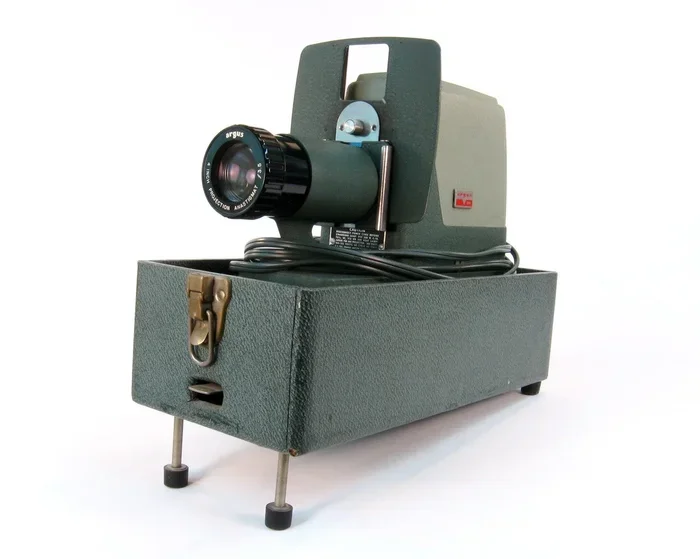
Does Anyone Still Use Slide Projectors in This Digital Age
Yes, people still use slide projectors — and the hobby is growing. Vintage slide projectors are making a comeback among collectors, hobbyists, and nostalgia lovers who crave analog entertainment. This guide covers why slide projectors matter today, how they work, and whether you should join the trend.
Key Takeaways
- Slide projectors are still used: A dedicated community keeps this vintage technology alive through hobbyist clubs and events.
- Nostalgia drives the revival: Many people return to analog entertainment for a simpler, more tactile experience.
- They work with modern setups: You can connect old projectors to new screens and even use them for creative projects.
- Maintenance matters: Knowing how to care for your slide projector keeps it running for decades.
- Collecting is a growing hobby: Vintage projector brands like Kodak and Carousel hold real value.
- They serve unique purposes: From Halloween displays to family photo nights, slide projectors offer something digital cannot.
📑 Table of Contents
- Does Anyone Still Use Slide Projectors in This Digital Age?
- The Rise of Nostalgia and Analog Entertainment
- How Slide Projectors Work
- Who Still Uses Slide Projectors Today?
- Can You Use a Slide Projector in Modern Settings?
- Benefits of Using a Slide Projector
- Common Mistakes People Make With Slide Projectors
- Quick Tips for Getting Started With Slide Projectors
- Conclusion
Does Anyone Still Use Slide Projectors in This Digital Age?
It is a fair question. We live in a world of streaming, high-definition screens, and instant digital sharing. So why would anyone dust off an old slide projector and load it with tiny transparent cards? The answer might surprise you. A growing number of people are rediscovering the joy of vintage technology, and slide projectors sit right at the heart of this movement.
Whether you grew up watching family memories flicker across a white wall or you stumbled upon a box of 35mm slides at a garage sale, there is something magical about this old-school device. Slide projectors are not just relics. They are experiencing a quiet but real comeback. In this article, we will explore why people still use them, how they work, and whether you should consider joining the trend.
The digital age has given us incredible convenience. But it has also stripped away some of the tangible, hands-on experiences that made technology feel personal. Slide projectors bring that warmth back. They demand your attention. They slow you down. And they create moments that a scrolling phone screen simply cannot replicate.
The Rise of Nostalgia and Analog Entertainment
There is a broader cultural shift happening right now. People are tiring of screen fatigue. They want to unplug and reconnect with analog entertainment. This trend is not limited to slide projectors. Vinyl records, film cameras, and retro gaming consoles are all enjoying a surge in popularity.
Why Nostalgia Matters
Nostalgia is more than just a warm feeling. Psychologists say it boosts mood and strengthens social bonds. When you gather friends or family around a slide projector, you create a shared experience. Everyone watches together. Everyone reacts at the same time. There is no skipping ahead or scrolling past.
This communal aspect is a big reason slide projectors are still relevant. They turn a simple photo viewing into an event. You dim the lights. The projector hums to life. And suddenly, you are transported back in time through your own family photos on projector screen.
The Retro Gadget Movement
The retro gadgets movement has gained serious momentum over the past decade. Younger generations who never grew up with slide projectors are now curious about them. They see these devices as a bridge to a slower, more intentional way of living. Online communities on Reddit, Facebook, and YouTube are full of people sharing their projector nostalgia stories.
Some of these enthusiasts even modify old projectors to work with modern LED bulbs. They build custom screens and organize viewing parties. The slide projector has evolved from a household staple into a creative tool and a hobby centerpiece.
How Slide Projectors Work
Understanding how a slide projector works helps you appreciate why people still love them. The technology is beautifully simple. No software updates. No Wi-Fi needed. Just light, glass, and gravity.
The Basic Mechanics
A slide projector works by shining a bright light through a transparent slide. The slide contains a photograph printed on transparent film. The light passes through the image and projects it onto a wall or screen. A lens system focuses the image to make it sharp and clear.
Most slide projectors use a carousel magazine. This is a circular tray that holds dozens of slides. You advance the slides one by one with the click of a button. Each slide stays in view for as long as you want. Then you advance to the next one.
Types of Slide Projectors
Not all slide projectors are the same. Here are the most common types you will encounter:
- Kodak Carousel: The most famous brand. Known for reliability and smooth slide advancement.
- GAF Viewmaster: A smaller, stereo viewer format. Popular for vacation memories.
- Minolta Slide Projectors: Professional-grade units used by photographers and educators.
- Generic Models: Affordable options from the 1970s and 1980s. Still functional with basic care.
Each type has its own charm. The Kodak Carousel is the gold standard for vintage projectors. Many collectors seek it out specifically because of its durability and widespread use.
Who Still Uses Slide Projectors Today?
The slide projector user base is smaller than it once was. But it is far from gone. Let us look at who is keeping this technology alive and why.
Collectors and Hobbyists
Collectors are at the core of the slide projector revival. They hunt for vintage models at estate sales, thrift stores, and online marketplaces. Some collect for the mechanical beauty of the machines. Others collect for the slides themselves. A box of 35mm slides from the 1960s or 1970s can be a treasure trove of family history.
Hobbyists go a step further. They restore broken projectors. They clean lenses. They replace worn bulbs. Some even build custom projector maintenance rigs to test old equipment. For these people, a working slide projector is a source of deep satisfaction.
Event Hosts and Party Planners
Have you ever been to a Halloween party with spooky projection effects? That is often a slide projector at work. Many event planners use vintage projectors to create atmospheric lighting and eerie visuals. Can I use any projector for Halloween is a common question, and the answer is yes — old slide projectors can create surprisingly effective effects.
Wedding planners and photo booth operators also use slide projectors for unique backdrops. Guests love the vintage aesthetic. It sets a warm, inviting tone that digital screens simply cannot match.
Educators and Museums
Schools and museums still use slide projectors for presentations. Some art museums display vintage photography using original equipment. History teachers use 35mm slides to show what life looked like in earlier decades. The authenticity of the medium adds credibility and visual impact that digital reproductions lack.
Can You Use a Slide Projector in Modern Settings?
This is one of the most common questions people ask. The short answer is yes. But the longer answer is more interesting. Slide projectors can integrate into modern setups in creative ways.
Projector Screens and Surfaces
You do not need a fancy screen to use a slide projector. A plain white wall works fine. But if you want better results, a dedicated projection screen makes a big difference. You can also use a white bedsheet in a pinch.
Some people get creative with surfaces. A black cloth for projector setup can enhance contrast and make colors pop. This is a trick borrowed from the movie projection world. If you have ever wondered can I use black cloth for projector setups, the answer is absolutely yes — and it works beautifully with slide projectors too.
Using Projectors for Home Entertainment
While a slide projector is not a replacement for your Netflix setup, it can serve as a unique home entertainment piece. Imagine hosting a movie night where you show old family slides between films. It adds a personal touch that guests will remember.
Some people even use slide projectors as secondary displays for creative projects. Artists project slides as part of installations. Musicians use them as visual backdrops during live performances. The possibilities are limited only by your imagination.
Connecting Vintage Projectors to Modern Tech
You can adapt a slide projector for modern use with a few simple tweaks. LED bulb replacements are popular because they run cooler and last longer than original incandescent bulbs. Some enthusiasts have even rigged small cameras to capture the projected image digitally.
This bridge between old and new technology is part of what makes slide projectors so appealing today. You get the charm of vintage projection with the convenience of modern enhancements.
Benefits of Using a Slide Projector
Why choose a slide projector over a digital display? There are more reasons than you might think.
- Tactile Experience: Handling physical slides feels personal and intentional. You choose each image carefully.
- No Distractions: There are no notifications popping up. No emails. No social media feeds. Just you and the images.
- Battery-Free Operation: Most slide projectors run on AC power. No batteries to recharge or replace.
- Durability: A well-maintained vintage projector can last for decades. These machines were built to last.
- Unique Atmosphere: The warm glow and soft focus of a projected slide create a mood that screens cannot replicate.
- Preservation of Memories: Slides do not degrade like digital files can. A properly stored 35mm slide lasts for generations.
Common Mistakes People Make With Slide Projectors
If you are new to slide projectors, watch out for these common pitfalls.
Skipping Maintenance
Dust is the biggest enemy of any slide projector. Lens dust reduces image clarity. Lamp housings accumulate grime and overheat. Regular cleaning and bulb replacement keep your machine running smoothly. If you have ever wondered about projector maintenance basics, start with a soft brush and a can of compressed air.
Using the Wrong Bulb
Not all bulbs fit all models. Using an incorrect bulb can damage the projector or create poor image quality. Always check your model number and match it with the correct replacement bulb. This is one of the most overlooked aspects of slide projector ownership.
Storing Slides Improperly
Slides are sensitive to heat, humidity, and direct light. Store them in cool, dry places in archival-quality sleeves. Poor storage leads to fading and discoloration. You would not want all those precious memories to degrade over time.
Ignoring the Carousel Mechanism
The carousel is the moving heart of your slide projector if you use a carousel model. If it sticks or skips, the whole experience falls apart. Regular lubrication and gentle handling go a long way. Many repair shops specialize in fixing these mechanisms, so do not throw out a stuck projector just yet.
Quick Tips for Getting Started With Slide Projectors
Ready to explore the world of slide projectors? Here are some quick tips to get you started on the right foot.
- Start with a Kodak Carousel model. These are the easiest to find parts for and the most reliable to use.
- Buy a few boxes of blank slides. You can load your own photos and experiment with the process.
- Test bulbs before buying. Vintage bulbs can be hard to find. Check online retailers that specialize in vintage projector parts.
- Join an online community. Forums and social media groups are full of experienced users who love to share tips.
- Attend a swap meet or estate sale. These are goldmines for affordable slide projectors and slide collections.
- Clean the lens regularly. A clean lens makes a dramatic difference in image sharpness and brightness.
- Use a white or light-colored wall. This gives you the best projection surface without extra equipment.
Following these tips will save you time, money, and frustration. The slide projector community is welcoming and helpful. Do not be afraid to ask questions or seek advice from experienced users.
Conclusion
So, does anyone still use slide projectors? Absolutely. While the world has moved firmly into the digital age, a passionate community keeps this vintage technology alive and thriving. Slide projectors offer something that modern devices simply cannot: a tangible, shared, and deeply personal experience.
Whether you are a collector restoring a rare Kodak Carousel, a party planner creating atmospheric Halloween displays, or someone who just found a box of 35mm slides in the attic, there is a place for slide projectors in your life. They remind us that not every good thing needs to be digital. Some things are better when they are slow, intentional, and real.
If you have never tried using a slide projector, now is a great time to start. You might just discover a new hobby that connects you to the past in the most wonderful way. And in a world that moves faster every day, that is no small thing.
Frequently Asked Questions
Why do people still use slide projectors today?
People use slide projectors today for nostalgia, hands-on experiences, and unique social gatherings. The tactile nature of handling physical slides creates a connection that digital viewing cannot replicate. Collectors and hobbyists also appreciate the craftsmanship of vintage projector brands.
Can you still buy slide projectors?
Yes, you can still find slide projectors for sale at thrift stores, estate sales, and online marketplaces. New old stock is sometimes available from specialty retailers. The Kodak Carousel model remains the most popular and widely available option for those looking to get started.
Are slide projectors difficult to maintain?
Basic projector maintenance is straightforward. You need to clean the lens regularly, replace bulbs when they dim, and keep the carousel mechanism lubricated. Most repairs are simple and do not require professional help. With proper care, a slide projector can last for decades.
Can a slide projector be used for events like Halloween parties?
Absolutely. Slide projectors create eerie, atmospheric effects that are perfect for Halloween and themed events. You can project spooky images or abstract patterns to set the mood. Many event planners prefer the authentic look of vintage projection over modern digital alternatives.
What kind of slides work with a standard slide projector?
Standard 35mm slides are the most common format. These are transparent photographs mounted in small cardboard or plastic frames. You can also find specialty formats like the GAF Viewmaster stereo slides. Always check your projector model to confirm compatibility before loading slides.
Is collecting vintage projectors a good hobby?
Collecting vintage projectors is a rewarding and growing hobby. Rare models from brands like Kodak, Minolta, and Canon can hold or increase in value. Beyond the financial aspect, collectors enjoy the mechanical beauty and the satisfaction of restoring these machines to working condition.