Can I Use a PD Charger With Any Phone Without Worries
Yes, you can use a PD charger with most phones, but compatibility depends on the device, cable, and charging protocol. A PD charger delivers fast, efficient power through USB-C, making it one of the most versatile charging solutions available today. This guide covers everything you need to know about PD charger compatibility, safety, and how to get the best results.
This is a comprehensive guide about Can I Use Pd Charger With Any Phone.
Key Takeaways
- PD chargers work with most modern phones: Any device with a USB-C port and Power Delivery support can benefit from a PD charger.
- Not all phones support PD natively: Older models or devices with proprietary charging may need extra steps or adapters.
- Wattage and voltage matter: A higher-wattage PD charger will not damage your phone, as the device controls how much power it draws.
- Use quality cables: The right USB-C cable is just as important as the charger itself for safe and fast charging.
- PD is a universal standard: It works across phones, tablets, laptops, and more, reducing cable clutter.
- Avoid common mistakes: Cheap knockoff chargers and damaged cables can harm your device or slow charging speeds.
[FEATURED_IMAGE_PLACEHOLDER]
What Is a PD Charger and How Does It Work
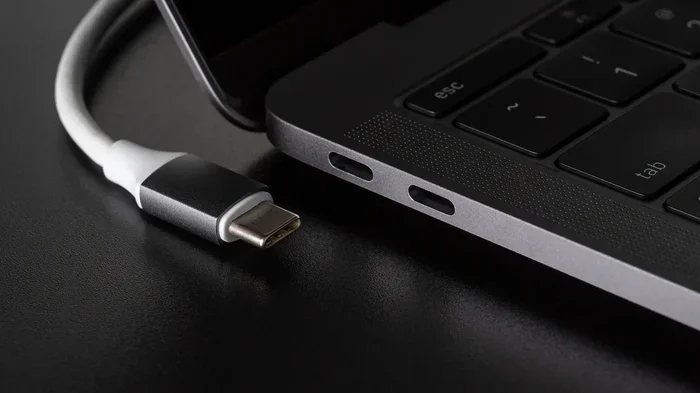
A PD charger stands for Power Delivery charger. It uses the USB Power Delivery protocol to send power through a USB-C cable. This standard was created by the USB Implementers Forum, the same group behind USB technology. It has become the go-to fast charging method for most modern electronics.
Unlike older chargers that push a fixed amount of power, a PD charger negotiates with your device. It asks your phone or tablet how much power it needs and then delivers exactly that amount. This dynamic power adjustment is what makes PD charging so safe and efficient.
The protocol supports a wide range of voltage and wattage levels. Most PD chargers can output 5V, 9V, 15V, or 20V depending on what the connected device requests. Typical phone chargers range from 18W to 30W, while laptop chargers can go up to 100W or more.
One of the biggest advantages of USB-C Power Delivery is its universality. You can use one charger for your phone, tablet, earbuds, and even a laptop. This makes it a smart investment for anyone who owns multiple devices.
Here is how the basic PD charging process works:
- The charger and device connect through a USB-C cable.
- The device and charger communicate and agree on a power profile.
- The charger delivers the requested voltage and current.
- The device receives power safely without overheating.
- If the battery is full, the charger reduces power to a trickle.
This entire process happens in seconds. It is seamless and mostly invisible to the user. That is why so many people love using a PD charger for daily charging.
Can You Use a PD Charger With Any Phone
The short answer is mostly yes. But the full picture is a bit more nuanced. Whether a PD charger works with your phone depends on three main factors. These are the charging port, the charging protocol, and the cable quality.
Almost all phones released after 2020 use a USB-C port. This is great news because USB-C is the standard connector for PD charging. If your phone has a USB-C port, there is a very good chance it can accept a PD charger. But having the right port is only the first piece of the puzzle.
Phones That Support PD Charging Natively
Many popular phone brands support USB Power Delivery right out of the box. Here are some examples:
- Apple iPhones: iPhone 8 and all newer models support PD charging. Apple even includes a basic PD charger in some iPhone box configurations.
- Samsung Galaxy: Most Galaxy S series and Galaxy Note models support PD alongside their proprietary Super Fast Charging.
- Google Pixel: Pixel phones use PD as their primary fast charging method.
- OnePlus: Newer OnePlus models have shifted toward PD charging for better cross-device compatibility.
- Xiaomi and other Android brands: Many flagships and mid-range phones now support PD natively.
Phones That May Need Extra Steps
Some phones do not support PD charging out of the box. Older models or budget phones with micro-USB ports will not work with a PD charger directly. You would need a USB-C to micro-USB adapter, and even then, the phone may not negotiate PD properly.
Some brands use proprietary charging tech, like Qualcomm Quick Charge or VOOC. These phones may still accept a PD charger, but they will not charge at the fastest possible speed. The charger will default to a standard 5V profile, which is slower but perfectly safe.
Quick Tip: If you are unsure whether your phone supports PD, check the manufacturer’s website or your phone’s charging specifications. Look for “USB Power Delivery” or “USB-C PD” in the list of supported standards.
What Happens When You Use a PD Charger With a Non-PD Phone
This is a common concern. People worry that using a PD charger with a phone that does not support PD could damage the device. The good news is that this is very unlikely.
PD chargers are designed to be backward compatible. If your phone does not support PD, the charger will simply deliver a standard 5V charge at a lower wattage. Your phone will charge at its normal speed. No damage will occur.
Think of it like plugging a regular appliance into a high-capacity outlet. The outlet can provide more power, but the appliance only draws what it needs. The same principle applies to phone charger compatibility.
How PD Charging Compares to Other Fast Charging Standards
The charging world can feel confusing. There are so many different standards and brands. Understanding how PD charging compares to others helps you make better choices.
PD vs. Qualcomm Quick Charge
Quick Charge is a proprietary standard developed by Qualcomm. Many Android phones support it. Quick Charge 3.0 and 4.0 can deliver fast speeds, but it is not universal. A Quick Charge charger will not work as fast on a phone that only supports PD.
On the other hand, a PD charger works across more devices because it is an open standard. If you want one charger for multiple devices, PD is the better choice.
PD vs. Proprietary Brand Chargers
Brands like OnePlus, Vivo, and Oppo have their own fast charging systems. These can be very fast, sometimes faster than PD. But they only work with their own brand devices.
A PD charger trades some raw speed for universal compatibility. For most users, this trade-off is worth it. You get reliable fast charging without carrying multiple chargers.
PD vs. Wireless Charging
Wireless charging uses a different technology altogether. Qi wireless charging is common in modern phones, but it is generally slower than wired PD charging. A PD charger with a wired connection will almost always charge your phone faster than a wireless pad.
That said, wireless charging is convenient for overnight charging or desk use. Many people use both methods depending on the situation.
Which Phones Support PD Charging
Let us look at some of the most popular phones and their PD charging support. This table gives you a quick overview.
| Phone | PD Supported | Max PD Wattage | Charging Port |
|---|---|---|---|
| iPhone 15 Pro | Yes | 27W | USB-C |
| iPhone 14 | Yes | 20W | Lightning (with PD) |
| Samsung Galaxy S24 | Yes | 25W | USB-C |
| Google Pixel 8 | Yes | 30W | USB-C |
| OnePlus 12 | Yes | 67W (with PD) | USB-C |
| Samsung Galaxy A54 | Yes | 25W | USB-C |
| Older iPhone (iPhone 7) | No | N/A | Lightning (no PD) |
| Budget phones (micro-USB) | No | N/A | Micro-USB |
As you can see, the vast majority of modern phones support PD charging. If you own a phone from the last few years, there is a strong chance your device works with a PD charger.
Common Mistakes When Using a PD Charger
Even though PD charging is safe and straightforward, some common mistakes can cause problems. Avoiding these will help you get the best experience.
Using Cheap or Knockoff Cables
The cable matters just as much as the charger. A cheap USB-C cable may not support the full power delivery protocol. This can result in slow charging, overheating, or even damage over time. Always use cables that are certified for USB-C Power Delivery.
Ignoring Wattage Ratings
You do not need the highest-wattage charger available. A 65W PD charger will not overcharge a phone that only accepts 20W. The phone controls the power draw. But buying a charger that is too low in wattage can mean slower charging speeds than your phone is capable of.
Quick Tip: Match the charger wattage to your phone’s maximum PD rating for the best results. Most phones charge fastest between 18W and 30W.
Charging Through Thick Cases
Using a very thick phone case while charging can trap heat. Heat is the enemy of battery health over time. If your phone feels warm during charging, remove the case to help it cool down.
Using Damaged Cables or Ports
A frayed or bent USB-C cable can cause inconsistent charging. It may also damage the charging port on your phone. Inspect your cables regularly and replace them when you see wear and tear.
Assuming All PD Chargers Are the Same
Not all PD chargers are created equal. Some are built with better components and offer more stable power output. Reputable brands like Anker, Belkin, Apple, and Google tend to produce reliable PD chargers. Stick with trusted brands for safety and performance.
How to Choose the Right PD Charger for Your Phone
Buying a PD charger is easy, but choosing the right one takes a little thought. Here are the key factors to consider.
Check Your Phone’s Charging Specs
Look up your phone model online. Find the maximum PD wattage it supports. This number tells you the fastest speed you can expect from a PD charger. Buying a charger that exceeds this number will not make your phone charge any faster.
Consider Portability
If you travel often, a compact PD charger is a great choice. Many models are small enough to fit in your pocket. Some even come with foldable prongs for easy packing.
Look for GaN Technology
Gallium Nitride, or GaN, is a newer material used in charger design. GaN PD chargers are smaller and more efficient than traditional silicon chargers. They also tend to run cooler. If you want a high-performance power adapter that is compact, look for GaN.
Multi-Port Chargers
If you charge multiple devices at once, consider a multi-port PD charger. These come with two or more USB-C ports. You can charge your phone and tablet simultaneously. Just make sure the total wattage is enough to share between devices.
Certification Matters
Look for USB-IF certification on your charger. This ensures the charger meets industry standards for safety and performance. Certified charging adapters are tested for reliability and reduce the risk of electrical issues.
Expert Tips for Safe and Efficient PD Charging
Getting the most out of your PD charger is about more than just plugging it in. A few smart habits can improve your charging experience and protect your phone’s battery health.
First, try to charge your phone between 20% and 80%. This range is ideal for lithium-ion batteries. Charging to 100% every time or letting the battery drop to 0% can reduce its lifespan over time.
Second, avoid using your phone heavily while it charges. Heavy use generates heat, which slows down the charging process and stresses the battery. If you need to use your phone while charging, try to use light apps and avoid gaming or video streaming.
Third, keep your charging port clean. Dust and lint can build up in the USB-C port over time. This can cause poor connection and intermittent charging. A gentle brush or compressed air can help keep the port clean.
Fourth, store your charger and cables properly. Avoid wrapping cables tightly or leaving them in hot cars. Proper storage extends the life of your charging equipment.
Expert Insight: Many battery experts recommend using the original or manufacturer-approved charger when possible. While third-party PD chargers are generally safe, the original charger ensures the best compatibility and long-term reliability.
Key Takeaway: A PD charger is one of the most versatile and safe charging options available today. It works with most modern phones, delivers fast and efficient power, and reduces the need for multiple chargers. By following a few simple best practices, you can enjoy fast charging for years to come.
Conclusion
So, can you use a PD charger with any phone? The answer is a clear yes for most modern devices. As long as your phone has a USB-C port and supports Power Delivery, a PD charger will work safely and efficiently. Even if your phone does not support PD, the charger will still work at standard speeds without any risk of damage.
Understanding USB-C Power Delivery helps you make smarter charging choices. You save money by using one charger for multiple devices. You save time with faster charging speeds. And you gain peace of mind knowing your equipment is safe.
The key is to choose a quality PD charger, use the right cable, and follow a few simple charging habits. With the right setup, you can keep your phone powered up and ready to go whenever you need it.
Whether you are buying your first PD charger or upgrading your current one, this guide gives you the knowledge to make the best decision. Fast charging is here to stay, and USB Power Delivery is leading the way.
Frequently Asked Questions
Can I use a PD charger with an iPhone?
Yes, iPhones from the iPhone 8 onward support PD charging. If you use a USB-C to Lightning cable with a PD charger, your iPhone will charge much faster than with a standard 5W charger. Apple even includes a basic PD charger in some iPhone box configurations.
Will a PD charger damage my phone if it does not support Power Delivery?
No, a PD charger will not damage a phone that does not support it. The charger automatically defaults to a standard 5V output when PD is not supported. Your phone will charge at its normal speed. It is completely safe and backward compatible.
What wattage PD charger should I use for my phone?
Most phones charge fastest with an 18W to 30W PD charger. Buying a higher-wattage charger will not harm your phone, but it also will not charge faster than your phone’s maximum supported wattage. Check your phone’s charging specs to find the ideal wattage.
Is a USB-C PD charger the same as a regular USB-C charger?
Not exactly. A regular USB-C charger provides a fixed 5V output, while a PD charger supports variable voltage and wattage. This means a PD charger can negotiate the right power level with your device for faster and safer charging.
Can I charge my laptop with a PD charger meant for my phone?
It depends on the wattage. Most phones support 18W to 30W PD, while laptops typically need 45W to 100W. A phone PD charger will charge a laptop, but it will be very slow. For laptops, use a charger rated for the laptop’s power requirements.
Do I need a special cable for PD charging?
Yes, you need a USB-C cable that supports Power Delivery. Not all USB-C cables are created equal. Some only support data transfer and basic charging at 5V. Look for cables rated for USB-C PD to ensure you get the full fast charging benefits.