How Can I Get Wi Fi Without Signing A Contract Now
You can get Wi Fi without signing a contract by using mobile hotspots, prepaid internet plans, public Wi Fi networks, and portable devices. Whether you need short-term connectivity or want to avoid long-term commitments, multiple no-contract options exist today. This guide walks you through every practical method so you can pick the best fit for your needs and budget.
Need internet right now but don’t want to sign a contract? You are not alone. Thousands of people search for ways to stay connected without locking themselves into a long-term agreement. The good news is that getting Wi Fi without a contract is easier than ever. You have more options today than at any point in the past.
Whether you are a student renting a short-term apartment, a traveler passing through a new city, or someone who simply hates contracts, this guide has you covered. We will walk through every practical method you can use to get Wi Fi without signing a contract. Each option comes with clear pros, cons, and real-world tips to help you decide fast.
Key Takeaways
- Mobile hotspots let you create your own Wi Fi network using cellular data without any contract.
- Prepaid and pay-as-you-go internet plans offer flexible short-term connectivity from major carriers.
- Public Wi Fi networks at libraries, cafes, and community centers provide free internet access.
- USB Wi Fi adapters and boosters can extend your range and improve signal strength without a contract.
- Portable Wi Fi devices like pocket hotspots are perfect for travel and temporary needs.
📑 Table of Contents
- Why People Want Wi Fi Without a Contract
- Option 1: Mobile Hotspots (No Contract Needed)
- Option 2: Prepaid and Pay-As-You-Go Internet Plans
- Option 3: Portable Wi Fi Devices and Pocket Hotspots
- Option 4: Public Wi Fi and Community Networks
- Option 5: Boost Your Signal With a Wi Fi Booster
- Option 6: USB Wi Fi Adapters for Computers
- Comparison: No-Contract Wi Fi Options at a Glance
- Common Mistakes to Avoid
- Expert Tips for Staying Connected Without a Contract
- Key Takeaways
- Conclusion
Why People Want Wi Fi Without a Contract
Contracts tie you down. They lock you into monthly payments for 12, 24, or even 36 months. If you move, your budget changes, or your needs shift, breaking a contract can cost you hundreds of dollars. That is why so many people are looking for no-commitment internet solutions.
Here are the most common reasons people avoid contracts:
- Short-term living situations like renting for a few months.
- Travel or temporary stays in a new city or country.
- Budget flexibility without worrying about early termination fees.
- Testing a provider before committing to a long plan.
- Rural or underserved areas where traditional providers have limited offerings.
No matter your reason, the options below will help you find the right fit. And if you are curious about whether you can get Wi Fi without a router at all, we have covered that too. Check out our guide on Can I Get Wi Fi Without A Router for more ideas.
Option 1: Mobile Hotspots (No Contract Needed)
A mobile hotspot is one of the simplest ways to get Wi Fi without signing a contract. It uses your phone’s cellular data to create a personal Wi Fi network. Other devices like laptops and tablets can then connect to it just like any regular network.
How Mobile Hotspots Work
Most modern smartphones have a built-in hotspot feature. You simply go to your settings, turn on the hotspot, and set a password. Your phone becomes a portable router. Any device within range can connect and use your cellular data plan.
But here is the key question: do you need a phone plan with a contract to use this? The answer is no. You can use prepaid phone plans that have no contract at all. These plans let you pay month by month or even day by day. You control exactly how much data you use and when you stop.
Best Practices for Using a Mobile Hotspot
- Turn off auto-updates on connected devices to save data.
- Set a strong password so strangers cannot use your data.
- Monitor your data usage daily to avoid running out early.
- Keep your phone charged since the hotspot drains battery fast.
- Use a data-saving mode on your phone to stretch your plan further.
If you want to explore hotspot options that do not require phone service, we have a dedicated guide for that. Visit Can I Get Hotspot Without Phone Service to learn more about standalone hotspot devices.
Option 2: Prepaid and Pay-As-You-Go Internet Plans
Many people do not realize that contract-free internet plans exist from major carriers and smaller providers alike. These plans work just like prepaid phone plans. You pay upfront, and you get a set amount of data for a set period.
How Prepaid Internet Plans Work
You buy a data plan for 30 days (or sometimes shorter). When the data runs out or the month ends, you simply do not renew. There are no cancellation fees, no credit checks, and no long-term commitment. You can pick up a new plan whenever you want.
Some providers even offer pay-as-you-go options where you buy data in small chunks. This is perfect for people who only need internet occasionally. You might use 1 GB one month and 15 GB the next. With prepaid plans, you only pay for what you use.
Providers That Offer No-Contract Internet
- T-Mobile Prepaid offers flexible data plans with no contract.
- Boost Mobile provides affordable monthly plans with no commitment.
- Mint Mobile lets you pick 3, 6, or 12-month plans (no forced 2-year lock).
- Visible by Verizon offers simple unlimited plans with no contract.
- US Mobile gives you full control over your data and billing.
Each of these providers lets you cancel or pause your service at any time. You never have to worry about early termination fees. This makes prepaid plans one of the best options for people who want no commitment wifi access.
Option 3: Portable Wi Fi Devices and Pocket Hotspots
Not everyone wants to share their phone’s data connection. That is where portable Wi Fi devices come in. These small gadgets create their own Wi Fi network using a SIM card and cellular data. They are compact, battery-powered, and perfect for travel.
What Is a Portable Wi Fi Device?
A portable Wi Fi device (also called a pocket hotspot) is a small box that connects to a cellular network and broadcasts Wi Fi. You slip a SIM card inside, turn it on, and it creates a network. Your laptop, tablet, and other devices can then connect just like at home.
The beauty of these devices is that they work independently of your phone. You do not need to tether or drain your phone battery. You just carry the pocket device, and you have Wi Fi wherever you go.
Where to Get Portable Wi Fi Without a Contract
- Buy a portable hotspot device and pair it with a prepaid SIM card.
- Rent a pocket Wi Fi device from travel companies for short trips.
- Use a prepaid data SIM in the device for no-commitment access.
Some travelers even look into pocket Wi Fi in specific countries for short visits. If you are heading to Japan, for example, you can check out our guide on Can I Get Pocket Wifi In Japan for country-specific options.
Option 4: Public Wi Fi and Community Networks
Not every connection needs to be private or portable. Public Wi Fi networks are free and available in many places. They are one of the easiest ways to get online without any contract or payment at all.
Where to Find Free Public Wi Fi
- Public libraries almost always offer free Wi Fi to visitors.
- Coffee shops and cafes like Starbucks and local spots provide free access.
- Shopping malls and retail centers often have guest networks.
- City parks and municipal buildings sometimes offer free internet.
- Community centers and non-profit organizations may provide access.
The downside of public Wi Fi is security. Open networks can expose your data to others on the same network. Always use a VPN when connecting to public Wi Fi, and avoid accessing sensitive accounts like banking on open networks.
Some cities are building community Wi Fi networks that cover entire neighborhoods. These networks are free or very low cost and require no contract. They are a growing trend in urban areas and are worth exploring in your city.
Option 5: Boost Your Signal With a Wi Fi Booster
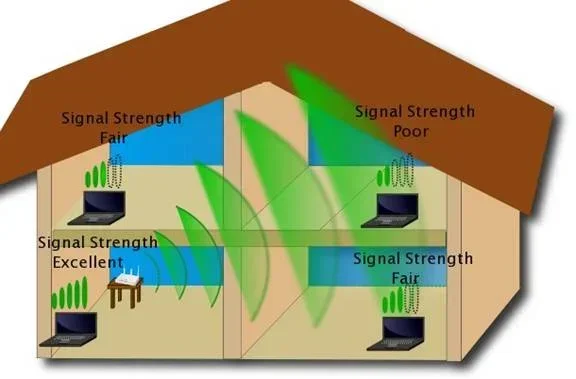
Once you have a Wi Fi connection, you might find that the signal is weak in certain parts of your home or office. A Wi Fi booster can help extend your range and improve your speed without any contract changes.
Can You Buy a Wi Fi Booster Without a Contract?
Absolutely. Wi Fi boosters are one-time purchases. You buy the device, plug it in, and it amplifies your existing signal. There is no monthly fee, no contract, and no commitment. You own the hardware outright.
If you want to learn more about boosting your Wi Fi signal without a contract, check out our guide on Can I Buy A Wi Fi Booster. It covers the best devices and how to set them up quickly.
Tips for Getting the Most From Your Booster
- Place the booster halfway between your router and the weak spot.
- Keep it away from walls and large metal objects.
- Update the firmware regularly for the best performance.
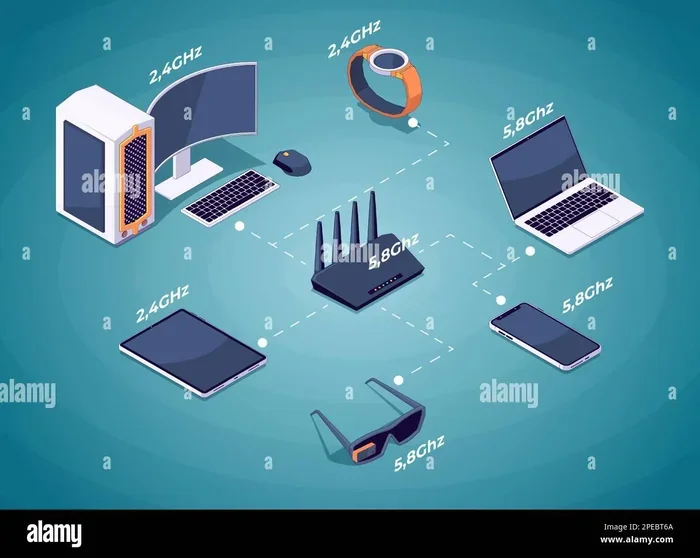
- Use a dual-band booster that supports both 2.4 GHz and 5 GHz.
- Restart the booster periodically to clear any glitches.
If you need to extend your Wi Fi over a longer distance, a booster might not be enough. In that case, you can explore options like extending your Wi Fi to 200 feet away. Our article on Can I Extend My Wi Fi To 200 Feet Away has detailed tips for long-range setups.
Option 6: USB Wi Fi Adapters for Computers
Some computers, especially older laptops and desktops, do not have built-in Wi Fi capability. A USB Wi Fi adapter solves this problem easily. You plug it into a USB port, install the driver, and your computer can connect to any available Wi Fi network.
These adapters are especially useful for people who want to connect to public Wi Fi or a neighbor’s network without setting up any service of their own. They are affordable, typically under $30, and require no contract whatsoever.
Just make sure you buy an adapter that supports the Wi Fi standard your network uses. Look for adapters that support at least Wi Fi 5 (802.11ac) or Wi Fi 6 for the best speeds and compatibility.
Comparison: No-Contract Wi Fi Options at a Glance
With so many options available, it can be hard to choose. Here is a quick comparison of the main methods we have covered:
- Mobile Hotspot: Uses your phone’s data. Best for occasional use and travel. Low cost but drains phone battery.
- Prepaid Internet Plans: Dedicated data plans with no contract. Best for regular home use. Reliable and flexible.
- Pocket Wi Fi Devices: Standalone portable hotspots. Best for travel and multi-device use. Requires a separate data plan.
- Public Wi Fi: Free networks in public places. Best for quick, short-term access. Limited availability and security concerns.
- Wi Fi Booster: Extends existing signal range. Best for improving coverage at home. One-time purchase, no recurring cost.
- USB Wi Fi Adapter: Adds Wi Fi capability to computers. Best for older devices. Affordable and easy to set up.
Each option has its place. The best choice depends on your usage patterns, budget, and how long you need internet. Many people combine two or more methods. For example, you might use a prepaid plan for your home and a mobile hotspot for travel.
Common Mistakes to Avoid
When you are trying to get Wi Fi without signing a contract, it is easy to make a few common mistakes. Here are the ones to watch out for:
- Assuming all prepaid plans are the same. Data speeds, coverage areas, and terms vary widely between providers. Always read the fine print.
- Ignoring data limits. Many no-contract plans have data caps. Going over can result in slow speeds or extra charges. Track your usage carefully.
- Using public Wi Fi without protection. Open networks are convenient but risky. Always use a VPN and avoid sensitive transactions.
- Buying cheap equipment. Low-cost Wi Fi boosters and adapters may not deliver the speeds you need. Invest in quality gear.
- Forgetting to check coverage. Before buying a prepaid plan or portable device, verify that the carrier has good coverage in your area.
Expert Tips for Staying Connected Without a Contract
We spoke with a few networking experts to get their top tips for maintaining reliable internet access without a contract. Here is what they had to say:
Start with a backup plan. Even if you have a primary connection, keep a prepaid hotspot or a phone with a no-contract plan as a backup. Internet outages happen, and having a fallback saves you from being disconnected.
Combine public Wi Fi with a VPN. Public networks are great for saving data, but they are not always secure. A good VPN encrypts your traffic and keeps your data private, even on open networks.
Monitor your data usage weekly. Whether you are on a prepaid plan or using a hotspot, data can disappear faster than you think. Set a reminder to check your usage every few days and adjust your habits accordingly.
Invest in a quality router even without a contract. If you get internet through a prepaid plan or a modem, a good router makes a huge difference. Check out our guide on Can I Buy A Modem And Have Internet for tips on setting up your own equipment without a provider contract.
Key Takeaways
- Mobile hotspots let you create your own Wi Fi network using cellular data without any contract.
- Prepaid and pay-as-you-go internet plans offer flexible short-term connectivity from major carriers.
- Public Wi Fi networks at libraries, cafes, and community centers provide free internet access.
- Portable Wi Fi devices like pocket hotspots are perfect for travel and temporary needs.
- Wi Fi boosters and USB adapters improve your connection without requiring any service contract.
- Combining multiple methods gives you the most reliable and flexible internet setup.
Conclusion
Getting Wi Fi without signing a contract is not only possible, it is practical and affordable. You have at least six solid options available today, from mobile hotspots and prepaid plans to public networks and portable devices. Each method gives you the freedom to stay connected on your own terms.
The key is to understand your needs. How much data do you use? Do you need internet at home, on the road, or both? What is your budget? Once you answer these questions, the right option will become clear.
Start with one method that fits your situation and test it out. If it does not work perfectly, try another. The beauty of no-contract options is that you are never locked in. You can always switch, adjust, or combine methods until you find the perfect setup.
Take control of your internet today. You do not need a contract to stay connected. Pick the option that works best for you and enjoy the freedom of flexible, commitment-free Wi Fi.
Frequently Asked Questions
Can I get Wi Fi without any provider at all?
Yes, you can use public Wi Fi networks at libraries, cafes, and community centers. You can also use a mobile hotspot with a prepaid SIM card. These options require no home internet provider or contract whatsoever.
How much does no-contract Wi Fi cost per month?
Prepaid plans typically range from $15 to $50 per month depending on data amounts. Mobile hotspot usage depends on your existing phone plan. Public Wi Fi is completely free. Portable hotspot devices may require a separate data SIM that costs around $10 to $30 monthly.
Is a mobile hotspot as fast as home Wi Fi?
It depends on your cellular signal and data plan. In areas with strong 4G or 5G coverage, a mobile hotspot can be nearly as fast as home internet. In rural or remote areas, speeds may be slower. Using a signal booster can help improve hotspot performance.
Can I use a prepaid Wi Fi plan for streaming and gaming?
Yes, but you need enough data. Streaming uses about 1 GB per hour for standard quality and 3 GB per hour for HD. Gaming uses relatively little data but requires a stable connection. Choose a plan with sufficient data to avoid slowdowns.
Do I need special equipment to get Wi Fi without a contract?
Not necessarily. A smartphone with a hotspot feature works for basic needs. For better performance, consider a portable hotspot device, a USB Wi Fi adapter, or a Wi Fi booster. All of these are one-time purchases with no ongoing contract requirements.
What is the best no-contract internet option for rural areas?
Mobile hotspots and prepaid plans from carriers with strong rural coverage are often the best choice. Some providers also offer satellite internet without contracts. Check coverage maps carefully before committing to a prepaid plan in a rural area.