10 Ways Computers Are Used In Medicine Saves Lives
Computers have completely changed how doctors diagnose, treat, and prevent diseases. The way 10 Ways Computers Are Used In Medicine Saves Lives is truly remarkable and worth understanding. From electronic health records to robotic surgery, these tools help healthcare workers deliver better care every single day. Patients benefit from faster diagnoses, fewer errors, and treatments tailored just for them. Keep reading to explore the most powerful ways computers are transforming medicine today.
Computers have completely changed how doctors diagnose, treat, and prevent diseases. The way 10 Ways Computers Are Used In Medicine Saves Lives is truly remarkable and worth understanding. From electronic health records to robotic surgery, these tools help healthcare workers deliver better care every single day. Patients benefit from faster diagnoses, fewer errors, and treatments tailored just for them. Keep reading to explore the most powerful ways computers are transforming medicine today.
Computers in healthcare are not a new idea. Hospitals have used them for decades. But the speed and power of modern machines have opened doors we never imagined. Today, a single computer system can review thousands of patient records in seconds. It can help a surgeon operate with millimeter precision. It can even predict which patients are at risk of developing certain conditions. This is the power of medical technology at work.
The healthcare industry is undergoing a massive digital transformation. Every year, new tools and software make care safer and more efficient. Doctors, nurses, and researchers all rely on computers to do their jobs better. In this article, we will walk through the top ways computers are saving lives in medicine. Each section covers a real-world application you can understand and appreciate.
Key Takeaways
- Electronic Health Records: Digital patient files make care faster, safer, and more coordinated across hospitals.
- Medical Imaging: Computers enhance X-rays, MRIs, and CT scans for earlier and more accurate diagnosis.
- Robotic Surgery: Precision tools controlled by computers help surgeons perform complex procedures with smaller incisions.
- Telemedicine: Remote consultations powered by computers expand access to care for patients in rural areas.
- AI and Drug Discovery: Artificial intelligence speeds up finding new treatments and predicting patient outcomes.
- Wearable Devices: Health-tracking wearables give doctors real-time data to monitor patients outside the hospital.
- Hospital Administration: Computers streamline billing, scheduling, and supply management to reduce costs and errors.
📑 Table of Contents
How Computers Are Changing Medicine Forever
Before we dive into specific examples, let us talk about why this matters. Healthcare is one of the most complex systems in the world. Doctors must process huge amounts of information quickly. They need to make decisions that affect life and death. Computers help them do this with greater speed and accuracy.
The use of healthcare computers has grown dramatically. What used to take hours of manual work can now be done in minutes. This is not just about convenience. It is about saving lives. When a doctor has the right tools at the right time, patients get better outcomes.
Think about it this way. A century ago, doctors had stethoscopes and basic tools. Today, they have powerful machines that can see inside the body, predict disease, and guide treatment. This shift has been driven almost entirely by advances in computing power. The digital health revolution is still in its early stages, and the best is yet to come.
Why Computers Matter in Patient Care
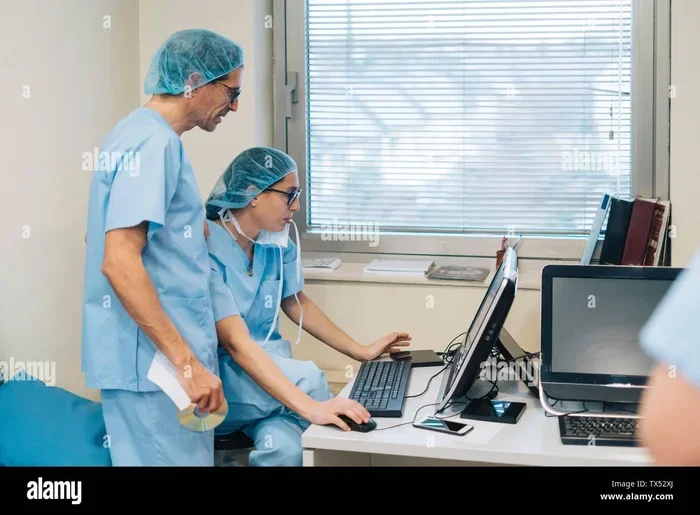
Patient care is at the heart of medicine. Every decision a doctor makes affects a real person. Computers help by reducing guesswork and providing data-driven insights. When a patient walks into a hospital, their information is often stored in a digital system. This allows doctors to access their history instantly.
Quick Tips for Understanding Healthcare IT:
- Healthcare IT refers to the systems and software used to manage patient data.
- These systems include electronic records, scheduling tools, and diagnostic software.
- Good healthcare IT reduces errors and improves communication between providers.
Common Mistakes to Avoid: Many people think computers replace doctors. They do not. Computers assist doctors. The human touch in medicine is irreplaceable. Technology enhances skills, but it does not substitute for empathy and judgment.
Electronic Health Records and Data Management
The first and most fundamental way computers are used in medicine is through electronic health records, or EHRs. These digital files replace old paper charts. They store everything from a patient’s medical history to current medications.
EHR systems allow doctors to access patient information quickly. This is especially important in emergencies. When every second counts, having instant access to a patient’s records can mean the difference between life and death. Electronic health records also reduce errors caused by handwritten notes or lost files.
How EHR Systems Work in Hospitals
Modern hospitals use complex health informatics systems to manage patient data. These systems connect different departments. A lab result can appear in a doctor’s system within minutes. A specialist across town can view the same records instantly.
Here is how EHR systems improve care:
- They provide a complete view of a patient’s medical history.
- They alert doctors to potential drug interactions.
- They reduce duplicate tests and procedures.
- They improve communication between healthcare teams.
- They make it easier to track patient outcomes over time.
Expert Insight: According to health data analytics experts, hospitals that use advanced EHR systems see fewer medical errors. The data shows that digital record-keeping is one of the simplest yet most impactful uses of computers in medicine.
One of the biggest benefits of EHRs is clinical decision support. These systems can analyze patient data and suggest possible diagnoses. They flag warning signs that a busy doctor might miss. This does not replace medical expertise. It supports it.
| Feature | Paper Records | Electronic Health Records |
|---|---|---|
| Access Speed | Slow | Instant |
| Error Rate | Higher | Lower |
| Data Sharing | Difficult | Seamless |
| Storage Space | Large | Minimal |
| Cost Over Time | High | Lower |
Medical Imaging and Computer-Aided Diagnosis
Medical imaging is another area where computers make a huge difference. Tools like X-rays, MRIs, and CT scans produce detailed images of the body. But the raw data alone is not enough. Computers help doctors interpret these images with incredible precision.
Computer-aided diagnosis uses software to analyze medical images. It can detect patterns that the human eye might miss. This is especially valuable in cancer screening. Early detection of tumors can save lives, and computers help make that happen faster.
The Role of AI in Medical Imaging
Artificial intelligence has taken medical imaging to the next level. AI algorithms can review thousands of scans and identify abnormalities in seconds. This is something that would take a human radiologist hours to accomplish.
Here are some real-world examples of how computers improve imaging:
- AI systems can detect breast cancer in mammograms with high accuracy.
- Computer algorithms help identify early signs of Alzheimer’s in brain scans.
- Software can spot tiny fractures in bones that might be overlooked.
- AI tools assist in analyzing retinal scans for diabetic eye disease.
Common Mistakes to Avoid: Some people fear that AI will replace radiologists. The truth is different. AI tools work alongside doctors. They handle the routine analysis so radiologists can focus on complex cases. This partnership leads to better outcomes for everyone.
Quick Tip: If you ever have a medical scan, know that a computer likely reviewed it before a doctor did. This does not mean the computer is making the final call. A trained specialist always confirms the results. The machine is a powerful assistant, not a replacement.
Robotic Surgery and Precision Procedures
Robotic surgery is one of the most exciting applications of computers in medicine. Surgeons use computer-controlled robotic arms to perform delicate operations. These systems offer precision that human hands alone cannot achieve.
The most well-known system is the da Vinci Surgical Robot. It allows surgeons to perform complex procedures through very small incisions. The computer translates the surgeon’s movements into precise actions inside the patient’s body. This approach reduces recovery time and lowers the risk of complications.
How Robotic Surgery Saves Lives
Robotic surgery is particularly valuable in areas where precision is critical. Brain surgery, heart surgery, and cancer operations all benefit from computer-guided tools. The robot can move in ways that are impossible for a human hand.
Here is what makes robotic surgery so powerful:
- Precision: The computer filters out hand tremors and guides movements with sub-millimeter accuracy.
- Minimally Invasive: Smaller incisions mean less pain and faster healing for patients.
- 3D Visualization: Computers provide surgeons with a magnified, three-dimensional view of the surgical site.
- Reduced Risk: Greater precision means less damage to surrounding healthy tissue.
- Better Outcomes: Studies show robotic-assisted surgeries often lead to fewer complications.
Expert Insight: Surgeons who use robotic systems report greater confidence in complex procedures. The technology does not replace surgical skill. It enhances it. Years of training are still required. The computer simply gives surgeons a powerful new set of tools.
Quick Tips for Patients Considering Robotic Surgery:
- Ask your doctor about the surgeon’s experience with the robotic system.
- Understand that robotic surgery is still surgery and carries risks.
- Discuss recovery expectations with your healthcare team.
Telemedicine and Remote Patient Care
Telemedicine is one of the fastest-growing uses of computers in healthcare. It allows doctors to consult with patients remotely using video calls, messaging, and digital monitoring tools. This has been a game-changer for people in rural or underserved areas.
Before computers made telemedicine practical, patients in remote areas often had to travel long distances for basic care. Now, a simple video call can connect a patient with a specialist hundreds of miles away. Remote patient monitoring takes this even further. Wearable devices send health data to doctors in real time.
The Impact of Telemedicine on Healthcare Access
Telemedicine has proven especially valuable during health crises. When in-person visits were risky, virtual consultations kept patients connected to their doctors. But the benefits go beyond emergencies. Regular check-ups, follow-up visits, and mental health counseling all work well through digital platforms.
Here is how computers enable telemedicine:
- Video conferencing software connects doctors and patients face-to-face.
- Digital portals allow patients to share symptoms and receive advice.
- Remote monitoring devices track vital signs like heart rate and blood pressure.
- Mobile apps remind patients to take medications on schedule.
- AI chatbots provide initial health guidance before a human doctor gets involved.
Common Mistakes to Avoid: Not all conditions are suitable for telemedicine. Serious emergencies, physical exams, and procedures still require in-person visits. Patients should always follow their doctor’s guidance on when to visit a facility and when a virtual visit is sufficient.
The digital health movement has made telemedicine mainstream. Insurance companies now cover virtual visits. Patients have grown comfortable with the format. This trend is likely to continue and expand in the coming years.
AI, Drug Discovery, and the Future of Healthcare
Artificial intelligence is reshaping how new medicines are developed. Drug discovery is traditionally a slow and expensive process. It can take over a decade to bring a new drug to market. Computers are dramatically shortening this timeline.
AI algorithms can analyze massive datasets to identify promising drug candidates. They can predict how different molecules will interact with diseases. This accelerates the early stages of research and helps scientists focus on the most viable options.
How Computers Speed Up Medical Research
During the COVID-19 pandemic, computers played a crucial role. AI models helped researchers understand the virus. They predicted how it would spread. They identified potential treatments faster than traditional methods ever could. This showed the world the power of computing in medicine.
Here are ways computers are advancing drug discovery:
- Molecular Modeling: Computers simulate how drug molecules interact with proteins in the body.
- Clinical Trial Optimization: AI helps identify the best candidates for clinical trials.
- Precision Medicine: Computers analyze a patient’s genetic profile to recommend personalized treatments.
- Predictive Analytics: Health data analytics tools forecast disease outbreaks and patient risks.
- Virtual Health Assistants: AI-powered tools help patients manage chronic conditions between doctor visits.
Expert Insight: The future of medicine is deeply tied to computing. As medical software becomes more sophisticated, doctors will have even more powerful tools at their disposal. The goal is always the same: better care, faster results, and more lives saved.
Quick Tip: If you are interested in the intersection of technology and medicine, consider exploring fields like health informatics or biomedical engineering. These careers are growing rapidly and offer exciting opportunities to make a real difference.
Computers in medicine also improve hospital administration. Scheduling, billing, supply chain management, and staff coordination all rely on computer systems. When these systems run smoothly, doctors and nurses can focus on what matters most: patient care.
Common Mistakes to Avoid: Hospitals must invest in proper training for staff. The best computer systems are useless if the people using them are not comfortable with the technology. Ongoing training and support are essential for successful implementation of any healthcare IT system.
The Future of Computers in Medicine
Looking ahead, the role of computers in medicine will only grow. Emerging technologies like quantum computing, augmented reality, and advanced AI are on the horizon. These tools promise to make healthcare even more precise, personal, and accessible.
The digital transformation of medicine is not a distant dream. It is happening right now. Every day, researchers and developers create new tools that push the boundaries of what is possible in healthcare.
Here is what the future may hold:
- Computers that can diagnose diseases from a single drop of blood.
- AI systems that predict health problems years before symptoms appear.
- Surgical robots that perform entire procedures with minimal human input.
- Personalized treatment plans generated by analyzing a patient’s full genetic code.
- Global health networks that share data instantly to fight pandemics.
The way 10 Ways Computers Are Used In Medicine Saves Lives continues to evolve is inspiring. Each new innovation brings us closer to a world where healthcare is faster, safer, and available to everyone. The computers of today are not just machines. They are lifelines.
Common Mistakes to Avoid: It is easy to get excited about technology and overlook its limitations. Computers are tools. They work best when combined with human expertise, compassion, and sound medical judgment. The future of medicine is a partnership between people and technology.
Final Thoughts: Whether you are a patient, a healthcare worker, or simply someone curious about technology, the impact of computers in medicine touches your life. Every time a doctor makes a faster diagnosis, every time a surgery goes more smoothly, every time a patient gets care from far away, computers are working behind the scenes. Understanding these tools helps us appreciate the incredible progress modern medicine has made.
Frequently Asked Questions
How are computers used in medicine to save lives?
Computers save lives in medicine by enabling faster diagnoses, guiding robotic surgeries, managing patient records, and powering AI tools that detect diseases early. They also support telemedicine, which connects patients with doctors remotely, and they help researchers develop new drugs more quickly.
What is the role of computers in hospital administration?
Computers handle scheduling, billing, supply management, and staff coordination in hospitals. These systems reduce errors, save time, and free up healthcare workers to focus on patient care instead of paperwork.
Can computers replace doctors in the future?
No, computers cannot replace doctors. They are powerful tools that assist medical professionals by analyzing data and suggesting options. However, human judgment, empathy, and hands-on care remain essential parts of medicine that technology cannot replicate.
How does telemedicine use computers to help patients?
Telemedicine uses computers to connect patients with doctors through video calls, messaging, and remote monitoring devices. This allows people in rural areas or those with mobility challenges to receive quality healthcare without traveling to a hospital.
What is computer-aided diagnosis in medical imaging?
Computer-aided diagnosis uses software to analyze medical images like X-rays, MRIs, and CT scans. The computer highlights potential abnormalities and assists radiologists in making faster and more accurate diagnoses, especially for conditions like cancer.
How do wearable health devices use computers?
Wearable devices like smartwatches use small computers to track heart rate, sleep patterns, and activity levels. This data is sent to healthcare providers in real time, allowing them to monitor patients remotely and catch potential health issues early.
=== CONCLUSION ===
The 10 Ways Computers Are Used In Medicine Saves Lives story is still being written. Every new breakthrough adds another chapter to this incredible journey. From electronic health records that keep patients safe, to robotic arms that perform surgery with impossible precision, to AI systems that find new treatments faster than ever before, computers are at the heart of modern healthcare.
These tools do not replace the dedication of doctors, nurses, and researchers. They amplify their impact. They give healthcare workers the information, precision, and reach they need to make a real difference in people’s lives. As technology continues to advance, we can expect even more remarkable applications that will further transform how we prevent, treat, and cure disease.
The takeaway is simple: computers in medicine save lives every single day. Understanding how they do it helps us appreciate the technology and trust the healthcare systems that rely on it. Whether you are a patient benefiting from a faster diagnosis or a professional using new tools to improve care, the impact of computers in medicine is personal, powerful, and life-changing.